Floor Lamp Strobing Rapidly: Causes, Risks & Easy Fixes
Floor lamp strobing rapidly is almost never a harmless nuisance. It’s a clear warning sign of an underlying electrical fault that can escalate to fire or shock risk if ignored. Rapid strobing differs from slow, barely noticeable LED flicker, and it demands immediate attention.
Per IEEE 1789 testing, strobing above 8% flicker can trigger migraines or seizures in photosensitive people, and the root cause is often a serious wiring issue. We’ll walk you through what causes this, what you can safely check yourself, and when to call a pro before it causes real harm.
Image source: Bing (Web (fair-use with source credit))
Quick Answer
Floor lamp strobing rapidly signals a serious electrical fault. It is never normal for any lamp type. This issue creates fire, shock, and health risks.
Unaddressed, it can damage electronics or trigger seizures. Cut power at your breaker before inspecting any parts.
Why Rapid Floor Lamp Strobing Is a Serious Home Safety Risk (Not Just an Annoyance)
Rapid strobing isn’t just a frustrating light display. It’s a leading indicator of electrical arcing, a top cause of US residential fires. Per US CPSC electrical hazard alerts, electrical faults account for nearly 50,000 home fires annually, many starting from loose connections in lamps or cords.
Unlike slow, barely perceptible LED flicker, rapid strobing is a visible symptom of intermittent power flow. This usually comes from loose, frayed, or arcing wires. Arcing generates temperatures up to 35,000°F, hot enough to ignite wood, fabric, or insulation in seconds.
For people with photosensitive epilepsy or chronic migraines, even brief exposure to rapid strobing can trigger a seizure or debilitating headache. Per IEEE 1789 standards, flicker above 8% intensity poses measurable health risks, and rapid floor lamp strobing almost always exceeds that threshold.
Ignoring the issue doesn’t make it go away. It gives the underlying fault time to worsen, increasing the risk of catastrophic failure. Many home insurance policies also deny claims for fire damage caused by unaddressed known electrical hazards, leaving you on the hook for thousands in repair costs.
If you’ve noticed similar intermittent electrical issues with other lamps, like a floor lamp only works when cord is held a certain way, that’s a sign of widespread loose wiring that needs professional assessment.
The 4 Most Common Causes of Rapid Floor Lamp Strobing (And What Each Signifies)
Rapid strobing always stems from one of four core electrical faults, each with distinct warning signs. The most common cause is a loose internal wiring connection or poorly seated plug. Over time, lamp cords get jostled, moved, or bent, loosening the connection between the cord, plug, and internal socket.
This creates intermittent power flow that shows up as rapid strobing, and you may also notice the lamp turns off by itself if the connection shifts.
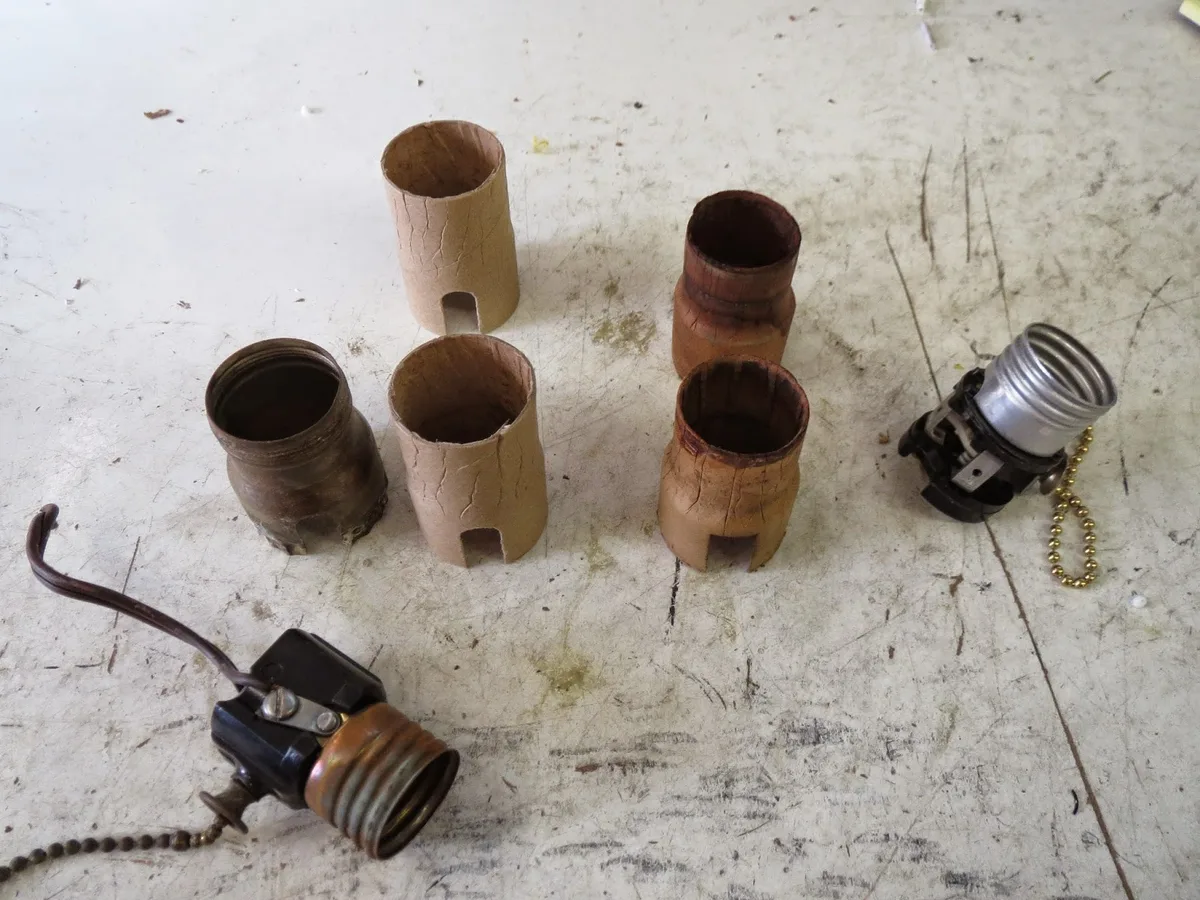
Image source: Bing (Web (fair-use with source credit))
The second most common cause is a failing LED driver, the small component that regulates power to the bulb. LED drivers have a lifespan of 25,000 to 50,000 hours, and as they degrade, they deliver inconsistent power that causes rapid strobing. You may also notice the lamp is dimmer than usual or struggles to turn on.
The third common cause is an incompatible dimmer switch. Standard dimmers designed for incandescent bulbs send rapid on/off pulses to LEDs, which can’t respond fast enough, causing strobing. Many generic aftermarket dimmers aren’t rated for LED loads, making this issue even more common.
Per IEEE 1789 flicker health standards, mismatched dimmer-LED pairings are a leading cause of preventable flicker-related health issues.
The fourth cause is voltage fluctuation from an overloaded circuit or power surge. If you have multiple high-wattage devices on the same circuit as your floor lamp, voltage dips can cause rapid strobing. Lightning strikes or utility grid issues can also send power spikes through your home’s wiring that damage lamp components.
5 Safe Low-Risk Troubleshooting Steps You Can Do at Home
You can safely check a few low-risk factors before calling an electrician, as long as you follow basic safety rules. Step 1: Cut power to the lamp at your circuit breaker before touching any internal components or the plug. Never inspect a live lamp, as this creates shock and arc flash risk.
Step 2: Remove the bulb and reseat it firmly, making sure it’s the correct wattage and base type for your lamp. A loose bulb can cause intermittent contact that mimics strobing.
Step 3: Plug the lamp into a different, known-working outlet on a different circuit to rule out outlet or circuit issues. If the strobing stops, the original outlet may need repair.
Step 4: Inspect the entire length of the lamp cord for fraying, cracking, or exposed wire, and check the plug for bent prongs or melted plastic. If you find damage, stop using the lamp immediately.
Step 5: If your lamp is connected to a dimmer, turn the dimmer up to 100% to see if strobing stops. If it does, you have an incompatible dimmer. If your lamp has a foot switch that feels sticky or unresponsive, that could also be the root cause, and you may want to check our guide to floor lamp only works when foot switch is held down for related troubleshooting.
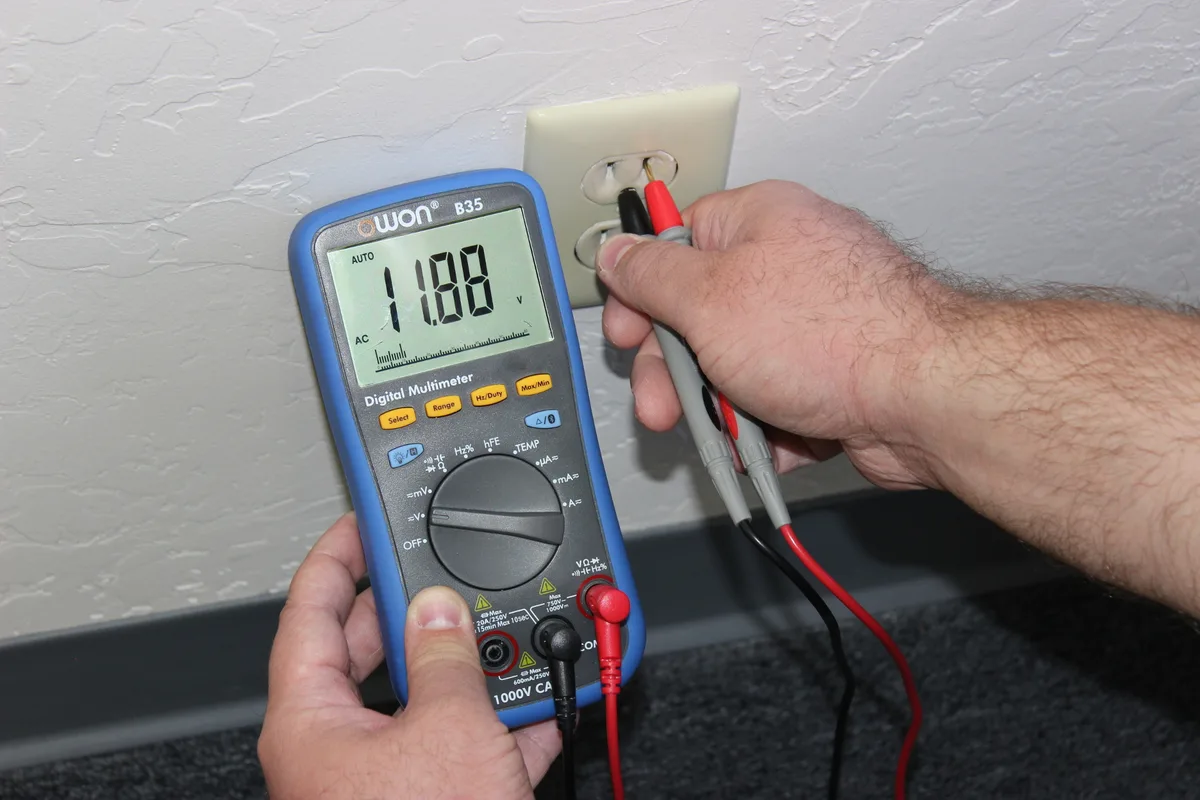
Image source: Bing (Web (fair-use with source credit))
4 Red Flags That Require a Licensed Electrician Immediately
Some strobing causes are too dangerous to tackle on your own, and ignoring these red flags can lead to serious injury or property loss. Red flag 1: You see visible burn marks, melted insulation, or discoloration on the lamp cord, plug, or the outlet it’s plugged into. This is a clear sign of arcing, which can ignite surrounding materials in seconds.
Red flag 2: You hear buzzing, sizzling, or popping sounds coming from the lamp or outlet when it’s plugged in. These sounds indicate active arcing, which is an immediate fire hazard.
Red flag 3: The strobing continues even after you unplug all other devices on the same circuit, or the circuit breaker trips immediately when you plug the lamp in. This points to a wiring fault in your home’s circuit, not the lamp itself.
Red flag 4: You notice sparks when plugging or unplugging the lamp, or the plug feels unusually hot to the touch after being plugged in for a few minutes. As of 2026, all major US jurisdictions require licensed electricians to perform permanent electrical repairs, and unlicensed work can void your home insurance policy if it leads to damage. Never attempt to open the lamp’s internal wiring if you see any of these signs, as you risk electric shock or arc flash injury.
Call a licensed pro as soon as possible to assess the issue.
Long-Term Fixes to Stop Floor Lamp Strobing for Good
Once you’ve identified the root cause, you can implement a permanent fix that eliminates strobing for good. For loose internal connections: Tighten all terminal screws inside the lamp socket and plug, and replace the cord if it’s frayed or damaged. For a failing LED driver: Replace it with a manufacturer-rated driver that matches your lamp’s wattage and voltage specifications.
Never use a generic driver, as it can cause further damage or fire risk.
For incompatible dimmer switches: Upgrade to a trailing-edge dimmer rated for LED loads, and make sure it’s compatible with your lamp’s wattage range. You can verify compatibility by checking the dimmer’s packaging for LED ratings, or consult the lamp’s manufacturer documentation.
For voltage fluctuation issues: Install a whole-home surge protector at your main electrical panel to guard against power spikes, and avoid plugging high-wattage devices (like space heaters or hair dryers) into the same circuit as your floor lamp. If the lamp’s internal wiring is damaged beyond repair, or if it’s an older model with non-compliant wiring , replacing the entire lamp with a modern, UL-listed unit is often safer and more cost-effective than repairing outdated components. A modern compliant lamp will meet current National Electrical Code (NEC) safety standards.
This reduces long-term fault risk.
If your lamp is still under manufacturer warranty, contact the brand’s support team before attempting any internal repairs. Unapproved modifications may void your coverage.
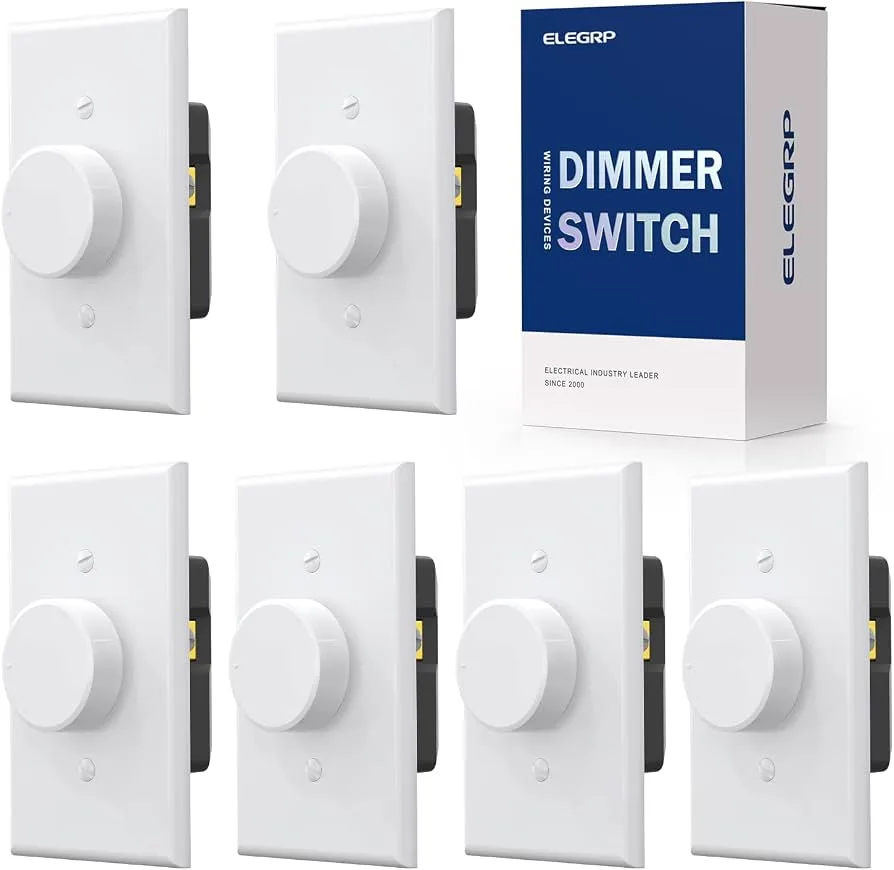
Image source: Bing (Web (fair-use with source credit))
To prevent recurring strobing, inspect your lamp’s cord and plug every 6 months. Look for fraying, cracking, or loose prongs. Never run lamp cords under rugs or furniture.
This traps heat and accelerates insulation wear. If you use a dimmer switch, verify its LED load rating matches your lamp’s wattage every time you replace the bulb. Mismatched ratings are a common recurring cause of strobing.
A professionally installed whole-home surge protector at your main electrical panel will guard all connected devices against power spikes. These spikes damage lamp drivers and internal wiring. This eliminates a common root cause of recurring faults.
, replacing the entire lamp with a modern, UL-listed unit is often safer and more cost-effective than repairing outdated components. Modern units meet current National Electrical Code (NEC) safety standards, reducing long-term fault risk. If your lamp is still under manufacturer warranty, contact the brand’s support team before attempting any internal repairs.
Unapproved modifications may void your coverage.
Image source: Bing (Web (fair-use with source credit))
To prevent recurring strobing, inspect your lamp’s cord and plug every 6 months. Look for fraying, cracking, or loose prongs. Never run lamp cords under rugs or furniture.
This traps heat and accelerates insulation wear. If you use a dimmer switch, verify its LED load rating matches your lamp’s wattage every time you replace the bulb. Mismatched ratings are a common recurring cause of strobing.
If you notice intermittent power issues with other lamps in your home, like a floor lamp takes several tries to turn on, that may indicate broader circuit problems that need an electrician’s assessment. A professionally installed whole-home surge protector at your main electrical panel will guard all connected devices against power spikes. These spikes damage lamp drivers and internal wiring.
This eliminates a common root cause of recurring faults.
Frequently Asked Questions
Is rapid floor lamp strobing a fire hazard?
Yes, rapid strobing is often a sign of electrical arcing, which generates temperatures up to 35,000°F. Arcing can ignite nearby flammable materials like curtains, rugs, or lamp shades in seconds. Per US CPSC data, electrical faults cause nearly 50,000 residential fires annually, many starting from loose lamp connections.
Can I fix a strobing floor lamp myself?
You can safely check low-risk issues like loose bulbs, damaged cords, or incompatible dimmers. Always cut power at the circuit breaker first. Never open the lamp’s internal wiring if you see burn marks, hear buzzing, or smell melting plastic.
Those issues require a licensed electrician to avoid shock or fire risk.
Why does my floor lamp only strobe when connected to a dimmer?
This almost always means your dimmer is incompatible with your lamp’s LED bulb or driver. Standard dimmers for incandescent bulbs send rapid on/off pulses that LEDs can’t handle, causing strobing. Upgrade to a trailing-edge dimmer rated for your lamp’s LED load to fix this.
Will a strobing floor lamp trigger a seizure?
Yes, for people with photosensitive epilepsy, rapid strobing can trigger a seizure. Per IEEE 1789 standards, flicker above 8% intensity poses measurable health risks, and rapid floor lamp strobing almost always exceeds that threshold. If you have a photosensitive household member, stop using the lamp immediately and troubleshoot the fault.
How much does it cost to fix a strobing floor lamp?
Low-risk DIY fixes like replacing a dimmer or bulb cost under $50. Repairing a faulty LED driver or cord costs $50 to $200 if you hire a pro. If the lamp is completely non-functional, you can reference our guide to dead lamp troubleshooting for related cost estimates.
If the lamp’s internal wiring is damaged beyond repair, replacement costs $100 to $500 for a standard UL-listed unit. Emergency electrician fees for urgent issues range from $150 to $500.