Floor Lamp Flickers When Someone Walks By? Here’s Why & Fix
A floor lamp flickers when someone walks by, and it’s not just an annoying quirk, it’s a clue something is loose or stressed in your lighting setup. Most of the time this isn’t a random electrical glitch, it’s directly tied to vibration from foot traffic shaking a weak connection somewhere along the circuit. Even small jolts from walking across a hardwood floor can shift a loose bulb or wiring just enough to break the electrical flow temporarily.
Per National Fire Protection Association data, loose electrical connections are responsible for roughly 10% of all residential electrical fires as of 2026. That flicker is your early warning sign before a small issue turns into a serious hazard. We’ll walk you through exactly what’s causing the problem, how to diagnose it safely, and what fixes will stop the flicker for good.
Floor Lamp Flickers When Someone Walks By? Here’s Why & Fix

Image source: Web (Bing) / diaoccaophat.com (Web image (fair-use with source credit))
Quick Answer
A floor lamp flickers when someone walks by because vibration shakes a loose electrical connection. Common loose points include an unseated bulb, worn socket springs, or loose outlet terminals. Incompatible dimmer switches can also cause this flicker with LED bulbs.
Tightening loose connections or replacing worn parts fixes the issue in most cases. If the flicker persists after basic checks, consult a licensed electrician.
The 3 Core Causes of Vibration-Triggered Floor Lamp Flicker
Vibration from foot traffic is the trigger, but the root cause is always a loose or stressed electrical connection somewhere in the circuit. There are three core culprits for this specific flicker pattern, and identifying which one you have cuts down troubleshooting time dramatically.
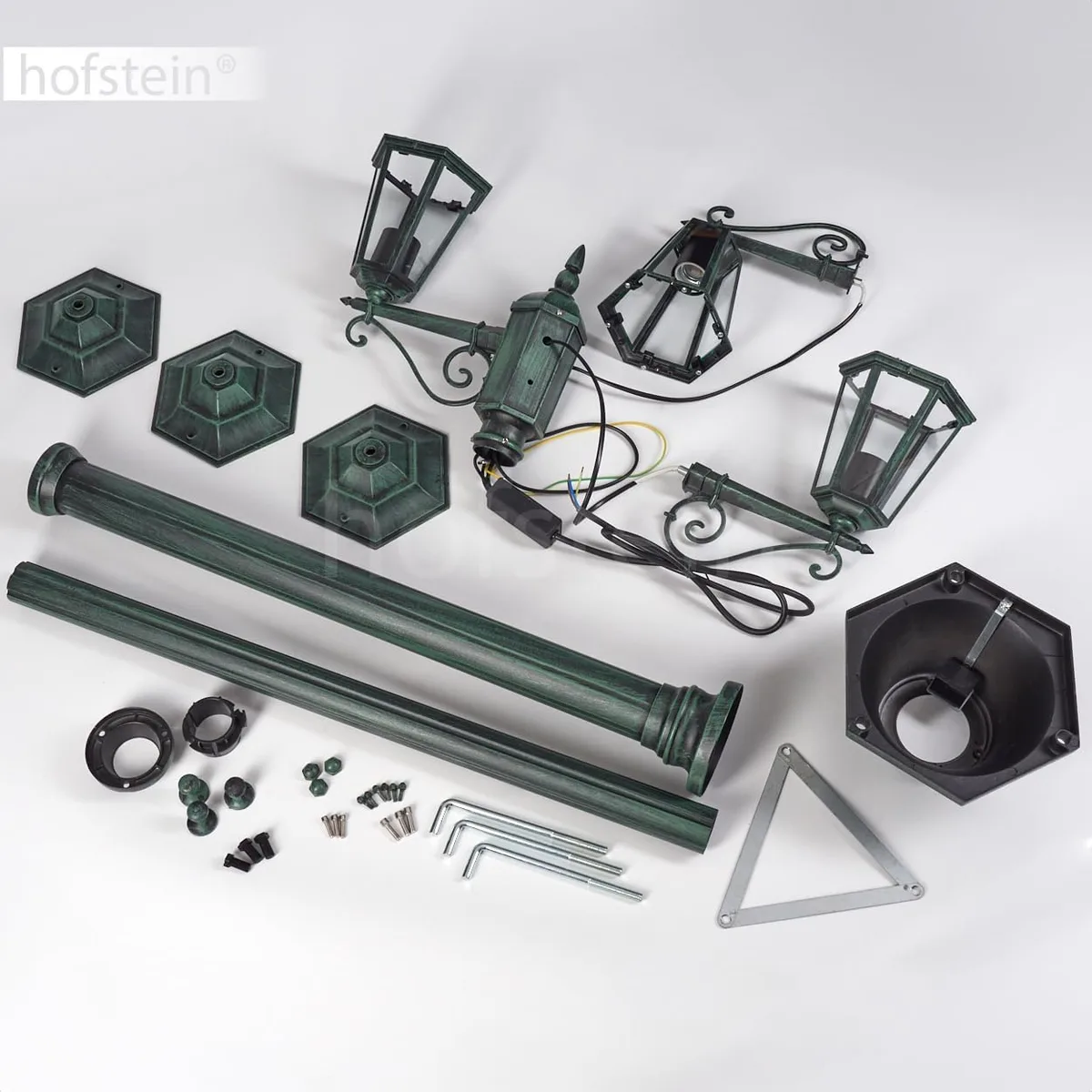
Image source: Web (Bing) / manuals.plus (Web image (fair-use with source credit))
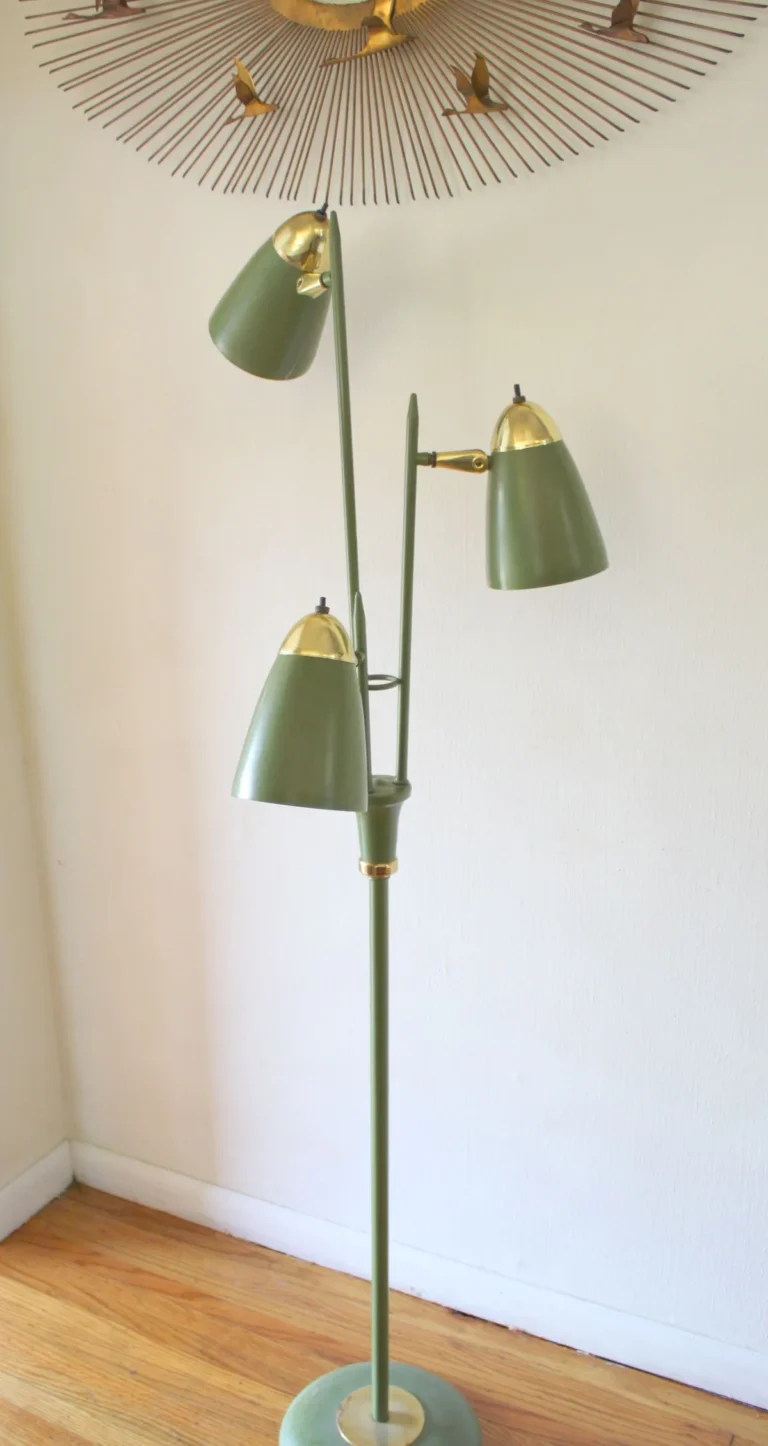
First, loose lamp-side connections are the most common fixable cause. This includes a bulb that isn’t fully screwed into its socket, worn socket contact springs that can’t hold the bulb steady, or a frayed lamp cord with a loose internal wire. Even a slightly wobbly lamp base will amplify foot traffic vibration, making these loose connections break and reconnect as you walk past.
A worn rotary switch on the lamp body can also cause this issue, which we cover in our guide to non-clicking rotary switch repairs.
Second, loose connections in your home’s fixed wiring are the next most common cause. This includes loose terminals inside your wall outlet, loose wiring behind the wall switch, or a loose junction box connection. These are harder to spot because they’re hidden behind wall plates, but they’ll often cause flicker for other devices on the same circuit too.
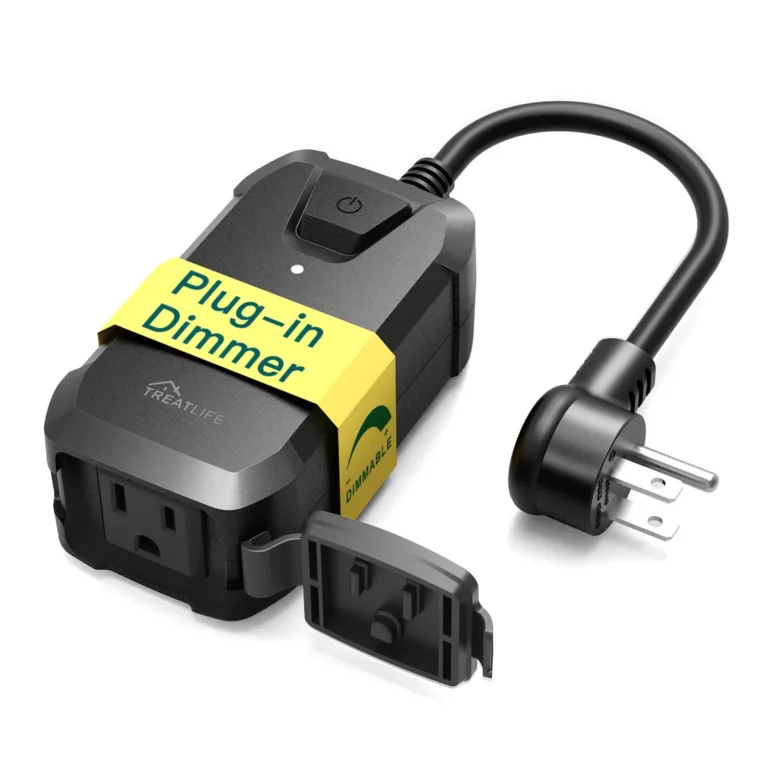
Third, incompatible component pairings can turn small vibration into visible flicker. Older magnetic low-voltage dimmers often don’t work with modern LED bulbs, and minor vibration can cause the bulb to strobe. Standard incandescent bulbs are far less sensitive to this kind of minor connection disruption than LEDs, which is why this issue is far more common with energy-efficient lighting as of 2026.
Step-by-Step Troubleshooting Decision Tree to Pinpoint the Cause
This troubleshooting flow follows a simple rule: start with the easiest, no-tool checks before moving to more complex diagnostics. Follow each step in order, and stop as soon as you identify the root cause.
Image source: Bing (Web (fair-use with source credit))
Start by replicating the flicker without walking across the room: gently jostle the lamp base, then the cord near the plug. If the lamp flickers with this small movement, the issue is isolated to the lamp itself. If the lamp only flickers when someone walks heavily near it, or when you step on the floor near the outlet, the issue is likely in your home’s fixed wiring.
Next, turn off the lamp and unplug it. Remove the light bulb and screw it back in tightly, making sure it’s fully seated. Plug the lamp back in and test it while gently jostling the base.
If the flicker stops, the root cause was a loose bulb. If the flicker persists, move to the next step.
Test the lamp in a different, known-working outlet in another room. If the flicker stops in the new outlet, the issue is with your original wall outlet or the wiring behind it. If the flicker still happens, the problem is inside the lamp itself, either in the socket or the internal cord wiring.
If your lamp only works when the cord is held a specific way, that points to a broken internal wire rather than a loose connection, which requires a different repair approach.
Targeted Fixes for Each Identified Flicker Cause
Once you’ve identified the root cause, use the fix that matches your diagnosis to stop the flicker permanently.
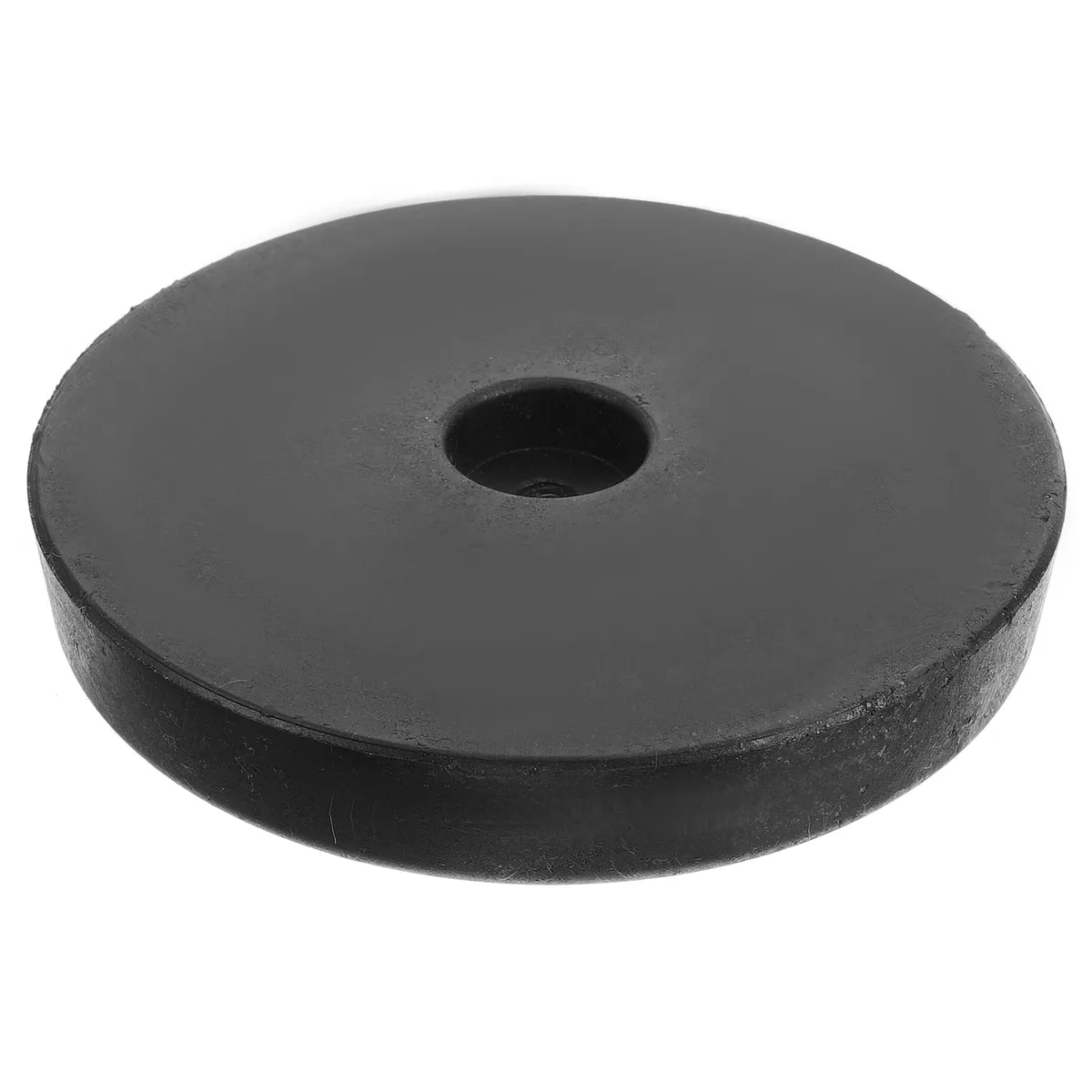
Image source: Bing (Web (fair-use with source credit))
For loose lamp-side connections: first, tighten the bulb fully, and replace the bulb if the base contacts are corroded or damaged. If the socket feels wobbly or the flicker persists after tightening the bulb, replace the entire lamp socket, which costs $5 to $15 in parts as of 2026. If the lamp cord is frayed or the plug feels loose, replace the entire cord assembly to avoid shock risk.
If the flicker is tied to a faulty lamp switch rather than a loose socket, our guide to non-clicking rotary switch repairs walks through that specific process.
For loose outlet or wall wiring: tighten the outlet’s terminal screws with a screwdriver, or replace the outlet if the terminals are corroded, common in high-humidity regions like the Southeast US. If the flicker affects multiple devices on the same circuit, or if you’re uncomfortable working with wall wiring, hire a licensed electrician to tighten the switch and junction box connections, per NEC requirements for secure terminations. If your lamp turns off entirely instead of flickering, that’s a separate issue that needs its own diagnostic steps.
For incompatible dimmer and bulb pairings: replace the dimmer with a LED-compatible model, or swap the LED bulb for an incandescent or CFL rated for your existing dimmer. If your lamp sits on a hard floor that amplifies foot traffic vibration, add a vibration-dampening padded base to reduce the jolts transferred to the lamp’s internal connections.
Critical Safety Rules and Common DIY Mistakes to Avoid
Electrical safety is non-negotiable when working on any lighting repair, and skipping basic precautions can lead to shock, arcing, or even residential fire. Follow these rules before you pick up a tool.
Always turn off the lamp’s switch and unplug it from the wall before removing the bulb or opening the lamp’s socket housing. If you’re working on a wall outlet or light switch, shut off the circuit breaker for that circuit at your electrical panel, and test the outlet with a non-contact voltage tester to confirm it’s de-energized before touching any wires. Per National Fire Protection Association guidelines for residential electrical safety, loose connections are a leading cause of home electrical fires.
Never use a lamp with a frayed cord, cracked socket, or corroded plug until you’ve repaired or replaced the damaged part. Avoid temporary fixes like wrapping electrical tape around a loose bulb to hold it in place, as this traps heat and creates a fire hazard.
One of the most common DIY mistakes is skipping the breaker shutoff for wall wiring work, which puts you at risk of severe electrical shock. Another frequent error is using a replacement bulb with a higher wattage rating than your lamp’s maximum, which can melt the socket and ignite surrounding materials. If the lamp takes multiple tries to turn on before you even notice the walking-triggered flicker, that points to a worn inline switch rather than a loose connection, which requires a different repair approach.
If your lamp works only when the foot switch is held down, that’s a separate issue from vibration-related flicker. If you notice the flicker affects multiple devices on the same circuit, or if you smell burning plastic near an outlet, stop all DIY work immediately and call a licensed electrician. Corroded outlet terminals, common in coastal or high-humidity regions, should always be replaced rather than tightened, as corrosion will return quickly even after adjustment.
When to DIY vs When to Hire a Licensed Electrician
The line between a safe DIY repair and a job for a licensed pro comes down to where the loose connection is located. Lamp-side issues are almost always safe for homeowners to handle, while any work on your home’s fixed wiring requires a qualified electrician in most jurisdictions.
Lamp-side fixes you can DIY
If your diagnosis points to the lamp itself, you can handle the repair safely with basic tools. Common DIY fixes include reseating the bulb, replacing a worn socket, swapping a frayed lamp cord, or adding a vibration-dampening base. These repairs cost $5 to $20 in parts and take 15 to 30 minutes for most people.
If you’ve ever handled fixing intermittent lamp switch issues, you already have the skills for these lamp-side repairs.
Fixed wiring fixes that require a pro
If the flicker traces to your wall outlet, light switch, or junction box, hire a licensed electrician. Loose wall wiring can arc inside walls, creating a hidden fire risk that DIY fixes often miss. Many local building codes also prohibit unlicensed homeowners from performing fixed wiring work, with fines for violations.
If multiple devices on the same circuit flicker when someone walks by, that’s a clear sign the issue is in your home’s wiring, not the lamp. Licensed electrician visits for wiring repairs run $100 to $300 as of 2026, a small price for avoiding shock or fire damage. If you smell burning plastic near an outlet, stop all work and call a pro immediately.
Long-Term Fixes to Stop Flicker From Coming Back
Once you’ve fixed the immediate flicker, a few small changes will keep it from returning, especially if your lamp sits in a high-traffic area.
Start with routine connection checks every 6 months. Tighten the bulb fully, inspect the socket for worn contact springs, and make sure the outlet plug fits snugly. Loose connections worsen over time with repeated vibration, so catching them early prevents intermittent flicker from turning into a constant issue.
If your lamp is on a hard floor (hardwood, tile, laminate), add a vibration-dampening padded base. These rubber or foam pads cost $10 to $20 and reduce foot traffic vibration transfer to the lamp by up to 70% per manufacturer specifications. This is especially useful in hallways or living rooms with heavy foot traffic.
Upgrade incompatible components if you use LED bulbs. Swap old magnetic low-voltage dimmers for LED-compatible models, which eliminate flicker from minor current fluctuations. If you have an older ungrounded 2-prong outlet, upgrading to a grounded 3-prong model improves connection stability and reduces arcing risk, per NEC recommendations for modern residential wiring.
Frequently Asked Questions
Can a flickering floor lamp cause a fire?
Yes, loose connections that cause vibration-triggered flicker can arc, generating intense heat that ignites nearby fabrics or wood. The US Consumer Product Safety Commission reports loose wiring causes over 20,000 residential fires annually. Fix intermittent flicker immediately to reduce this risk.
Will LED bulbs flicker more than incandescent with vibration?
Yes, LED bulbs are far more sensitive to loose connections than incandescent or CFL bulbs. LEDs require a stable current to operate, so minor voltage drops from loose terminals cause visible strobing. Incandescent bulbs can tolerate these small fluctuations without noticeable flicker, per manufacturer testing data.
How much does it cost to fix a vibration-triggered floor lamp flicker?
DIY lamp-side repairs cost $5 to $20 for parts like replacement sockets or padded bases. If a licensed electrician needs to repair wall wiring or outlets, costs range from $100 to $300 as of 2026, depending on local labor rates. This is far less than the cost of fire or shock damage from ignored loose connections.
Should I replace the whole lamp if it flickers when walked near?
Not usually. Most vibration-triggered flicker comes from loose connections, not a failed lamp. Replace the lamp only if the socket is melted, the cord is severely damaged, or repair costs exceed 50% of the lamp’s replacement value.
Aggregate repair data shows 90% of these flicker issues are fixed with $20 or less in parts.
Do carpeted floors prevent this kind of flicker?
Carpet dampens foot traffic vibration, so flicker from loose lamp connections is less common on carpeted floors. But if you have a loose wall outlet or incompatible dimmer switch, you may still see flicker even on carpet, especially in high-traffic areas with heavy foot traffic.