Vintage Floor Lamp Cloth Wiring Brittle? What To Do Now
vintage floor lamp cloth wiring is brittle is a common issue that turns a beloved mid-century or antique lighting piece into a serious home hazard. If you’ve ever touched the cord on an old floor lamp only to have the cloth insulation flake off in your hand, you’ve seen this degradation firsthand. That crumbling material isn’t just unsightly, it’s a red flag for hidden electrical danger.
Per National Fire Protection Association data, outdated electrical wiring contributes to roughly 20% of all residential electrical fires annually as of 2026, with vintage lighting a frequent culprit. The good news is this is a fixable problem when you follow safe, code-compliant steps. We’ll walk you through exactly what brittle cloth wiring means for your lamp, the risks of ignoring it, and how to address it safely.
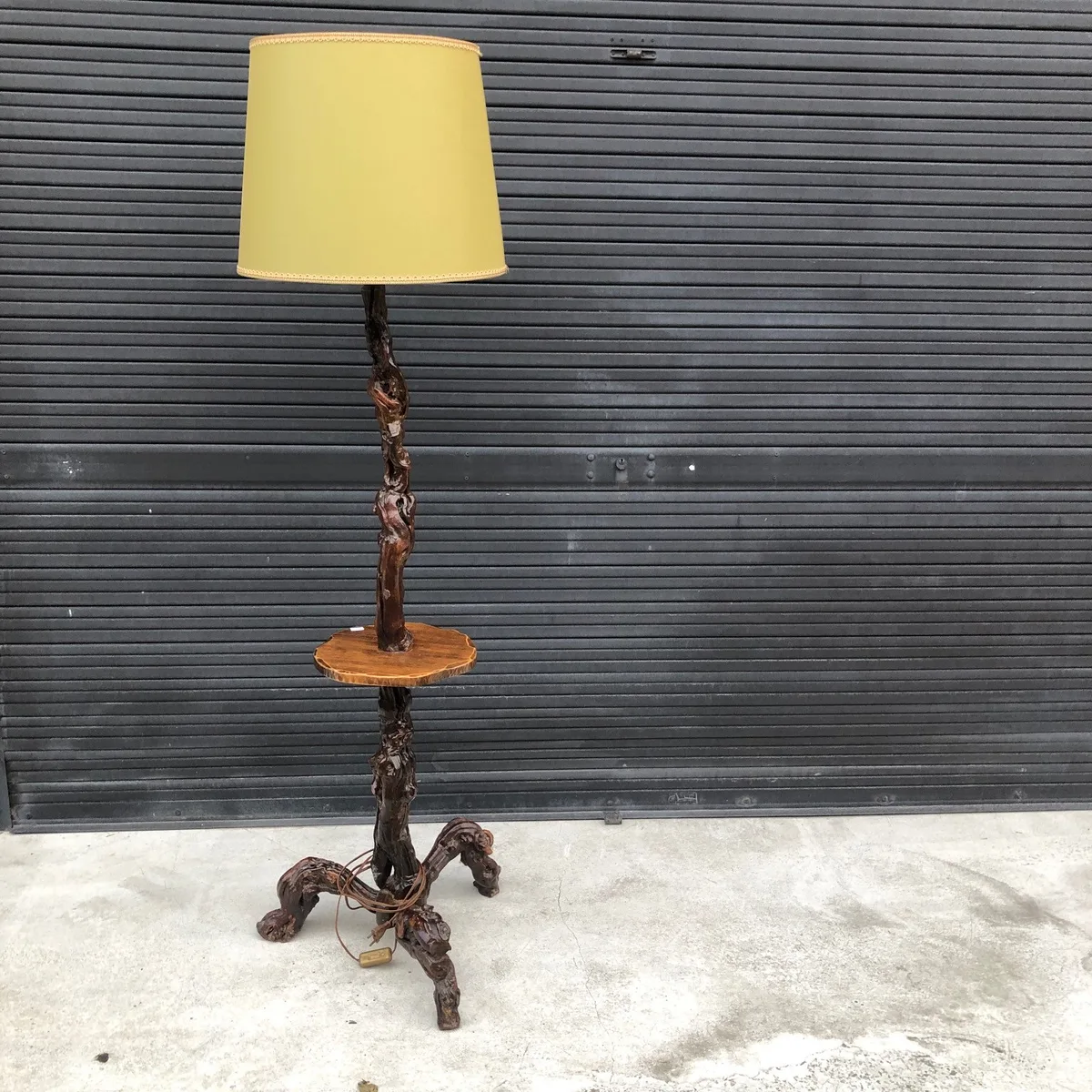
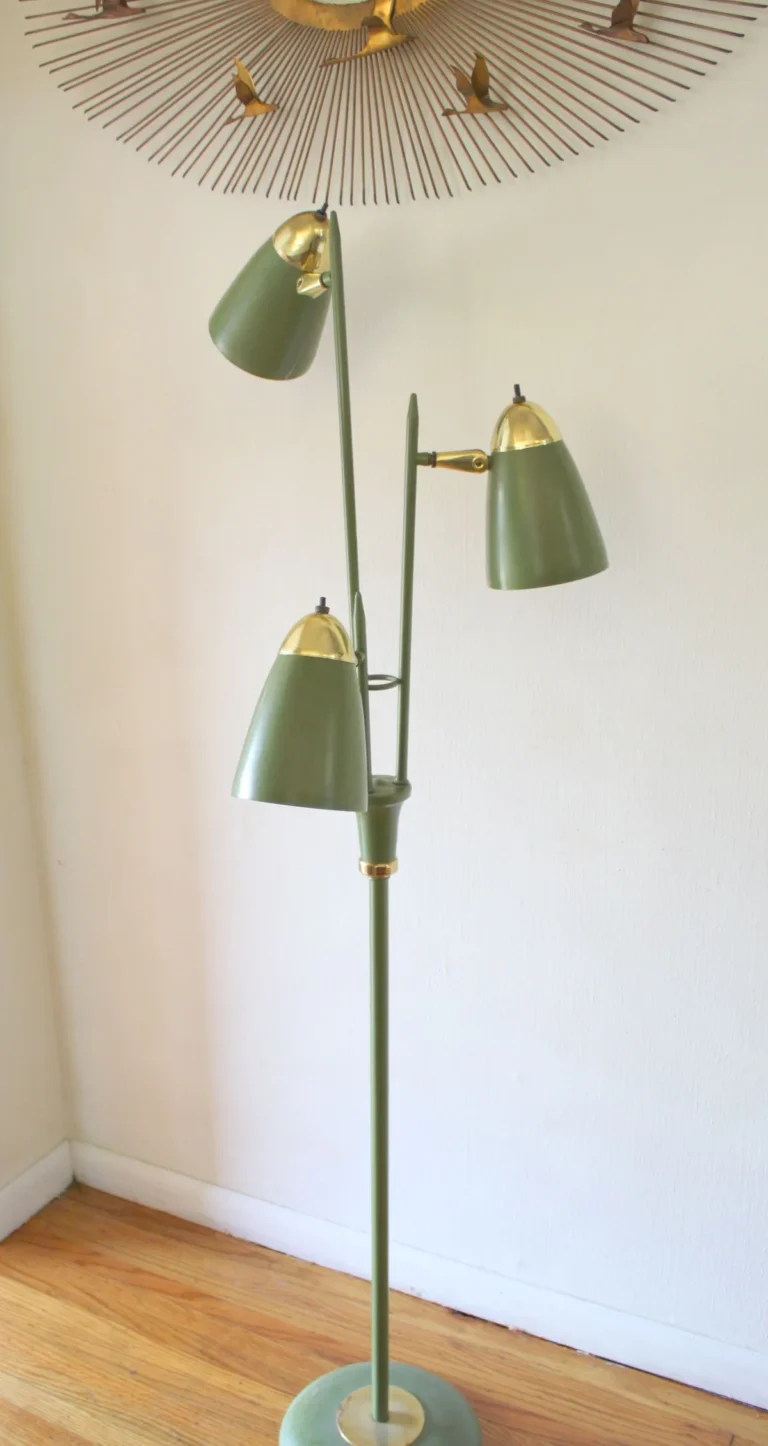
Image source: Web (Bing) / ar.inspiredpencil.com (Web image (fair-use with source credit))
Quick Answer
Brittle vintage floor lamp cloth wiring means the cord’s outer sheath and insulation have broken down. This exposes live copper conductors that can shock you or start a fire. The only safe fix is full cord replacement with a UL-listed cord.
Temporary fixes like electrical tape wrapping do not reduce fire risk. Ignoring the issue can lead to house fires or denied insurance claims.
Why Brittle Vintage Floor Lamp Cloth Wiring Is a Serious Safety Hazard, Not Just an Aesthetic Nuisance
Brittle vintage floor lamp cloth wiring isn’t just a cosmetic flaw, it’s an active safety risk that can lead to shock, fire, or denied insurance claims. These cords, used on most floor lamps built between the 1920s and 1960s, feature a cotton or rayon outer sheath bonded with natural rubber insulation around copper conductors. Over decades, heat from the lamp’s bulb, UV exposure, and repeated flexing break down the rubber binder.
This causes the cloth to dry out, stiffen, and eventually crumble with minimal handling.
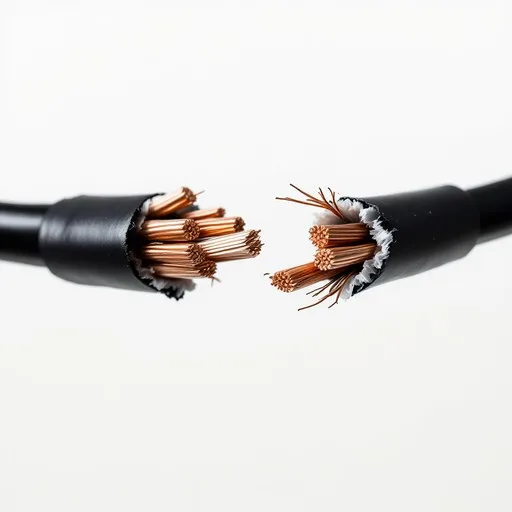
Image source: Web (Bing) / stockcake.com (Web image (fair-use with source credit))
Even if the cloth looks intact on the surface, internal wires can be nicked or broken from years of movement. That damage creates exposed live conductors that can shock you or arc if they come into contact with each other. Arcing from damaged wiring can reach temperatures up to 1000°F, hot enough to ignite nearby fabric, wood, or drywall in seconds.
Most homeowner insurance policies require all permanent electrical components to meet current National Electrical Code (NEC) standards. A fire caused by unmodified vintage wiring will almost always result in a denied claim, leaving you on the hook for full repair costs.
Core Facts About Vintage Floor Lamp Cloth Wiring Degradation
Vintage cloth wiring degradation follows a predictable pattern tied to material composition and age. The outer cloth sheath is made of woven cotton, rayon, or silk, bonded to the inner rubber insulation with natural latex binders that break down over time. Most cloth wiring starts showing signs of embrittlement after 40 to 60 years of use, though lamps kept in hot, sunny, or humid environments may degrade faster.
Common early signs include a stiff, rigid cord that resists bending, or small flakes of cloth falling off when you run your hand along the insulation. Advanced degradation shows as cracked, frayed, or missing sections of cloth, with visible copper wires poking through the insulation. You’ll also often find scorch marks on the cloth near the lamp socket or plug, a sign of past arcing from damaged internal wires.
Even if no copper is visible, crumbling cloth offers almost no protection against electrical faults, as the underlying rubber insulation is usually damaged long before the outer sheath fails completely. Reproduction vintage cloth replacement cord, available as of 2026 in period-correct colors and braided patterns, uses modern synthetic rubber insulation under a matching cloth outer sheath to meet current safety standards while preserving the lamp’s original aesthetic.
Critical Risks of Ignoring or Improperly Fixing Brittle Cloth Lamp Wiring
Many people attempt quick, unsafe fixes for brittle cloth wiring that create bigger risks than the original problem. The table below outlines common DIY shortcuts and their actual outcomes.
| Unsafe Repair Attempt | Intended Temporary Fix | Actual Outcome |
|---|---|---|
| Wrapping cracked cloth areas with electrical tape | Hides exposed wires, restores cord strength | Tape degrades in weeks, arcing continues, fire risk remains unchanged |
| Replacing only the plug, leaving the old cord in place | Fixes frayed plug damage | Brittle internal wiring still fails under flexing, shock and arcing risk persists |
| Using unlisted cheap replacement cord | Low-cost full cord swap | Fails NEC and UL safety standards, voids homeowner insurance, elevated fire risk |
The biggest risk of improper fixes is that they often make the lamp look safe while the underlying hazard remains. A lamp with taped-up cloth wiring may work fine for months before a loose internal connection arcs and ignites nearby materials. Even if you avoid fire, exposed copper conductors pose an immediate shock risk anyone in the household could encounter when plugging in or moving the lamp.
For rare or high-value vintage lamps, improper repairs can also permanently damage original components, drastically reducing the piece’s collector value. As of 2026, aggregate data from vintage lighting restoration groups shows that over 60% of vintage lamp-related home fires stem from unaddressed brittle wiring or unsafe temporary repairs.
Safe, Code-Compliant Fixes for Brittle Vintage Floor Lamp Wiring
The only safe, long-term fix for brittle cloth wiring is full cord replacement, either with period-correct reproduction cloth cord or modern UL-listed lamp cord.
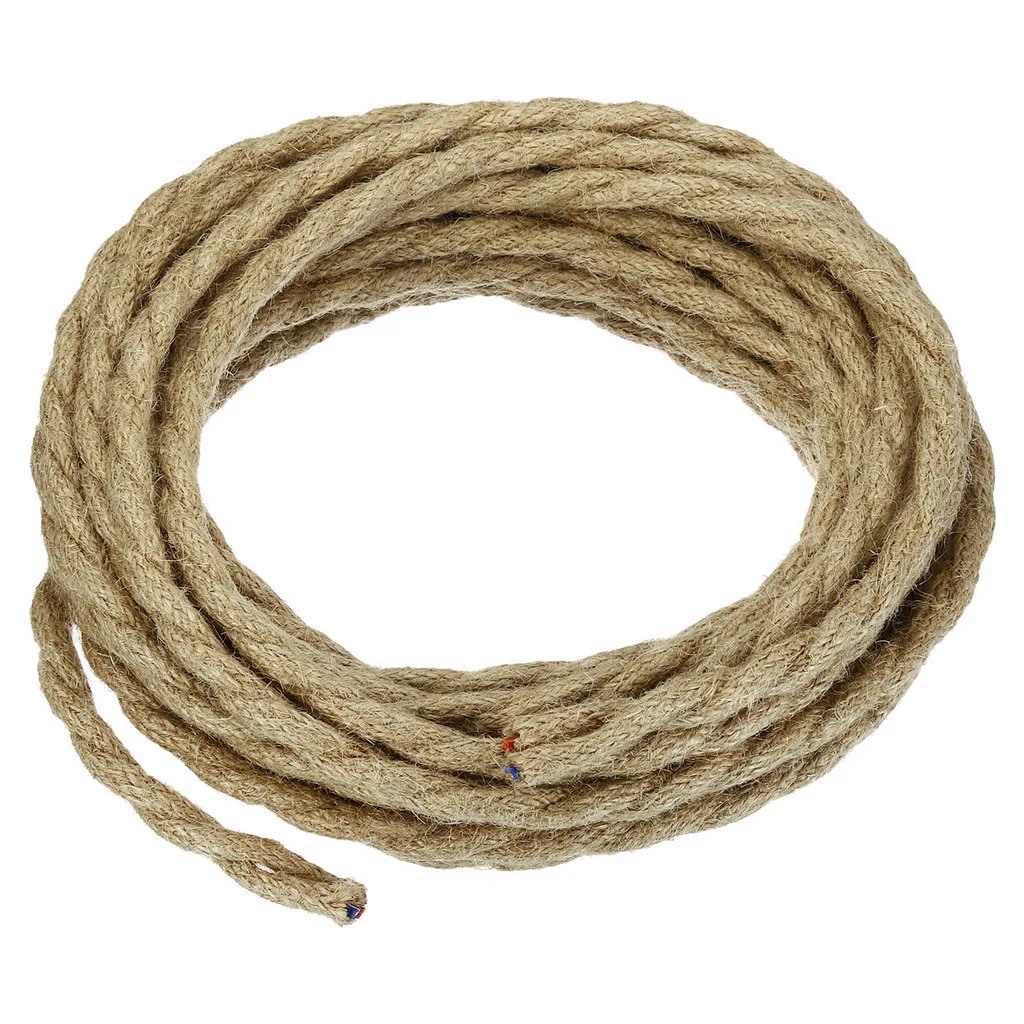
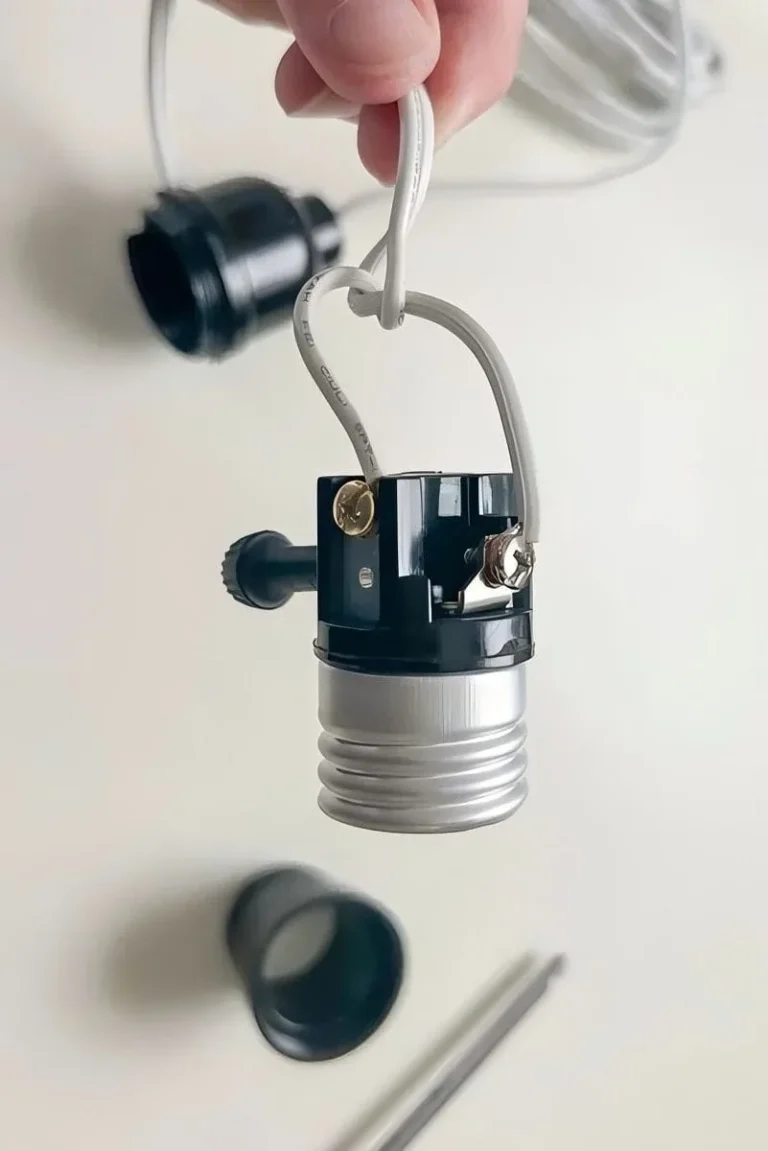
Image source: Web (Bing) / shopee.ph (Web image (fair-use with source credit))
If you’re restoring a lamp for daily use and want to preserve its original aesthetic, opt for UL-listed reproduction vintage cloth cord, available in black, white, brown, and braided patterns matching 1920s to 1960s lamp styles. For lamps used in less visible spaces or where aesthetic isn’t a priority, modern PVC or rubber lamp cord is a durable, code-compliant alternative that’s easier to work with. For DIY rewiring, you’ll need wire strippers, a replacement plug (2-prong ungrounded or 3-prong grounded per local code), a small flathead screwdriver, and a multimeter to test for continuity and proper insulation.
First, unplug the lamp and verify no power is present with your multimeter. Carefully route the old cord out of the lamp base, noting how it’s secured to avoid damaging the lamp’s finish or internal socket. Strip the new cord’s ends, connect the wires to the socket terminals (hot to brass, neutral to silver, ground to green if using a 3-prong plug), attach the new plug, and reassemble the lamp.
Test the finished lamp with a multimeter to confirm insulation resistance is at least 2 megaohms, the minimum safe threshold per NFPA 70. If you notice flickering or intermittent power after rewiring, check our guide to diagnosing post-repair floor lamp issues. For lamps that only work when the cord is flexed, that’s a sign of internal wire breakage, covered in our intermittent cord connection guide.
When to Call a Licensed Electrician vs. Safe DIY Limits
Rewiring a vintage floor lamp is a simple job for someone with basic electrical experience, but there are clear limits to safe DIY.
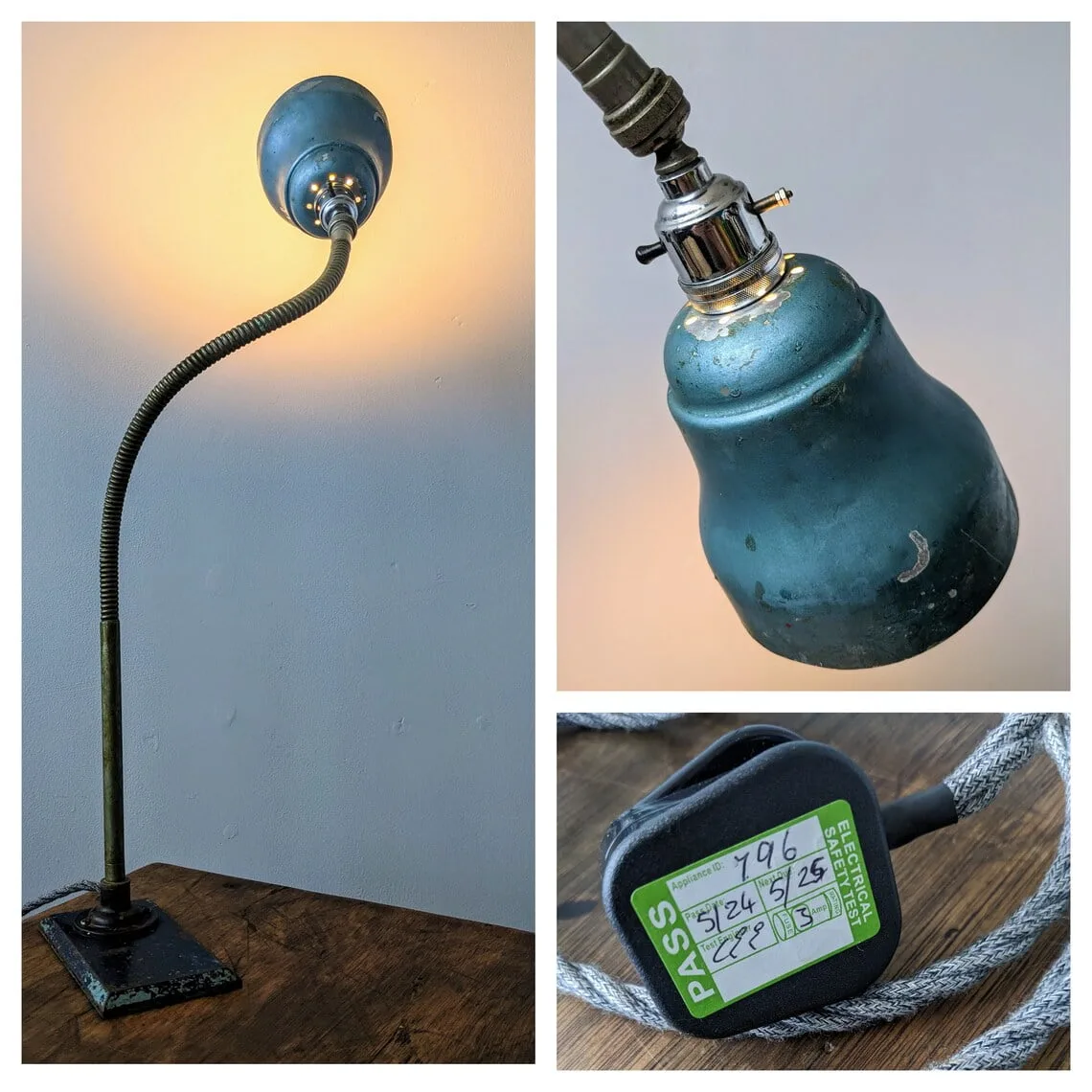
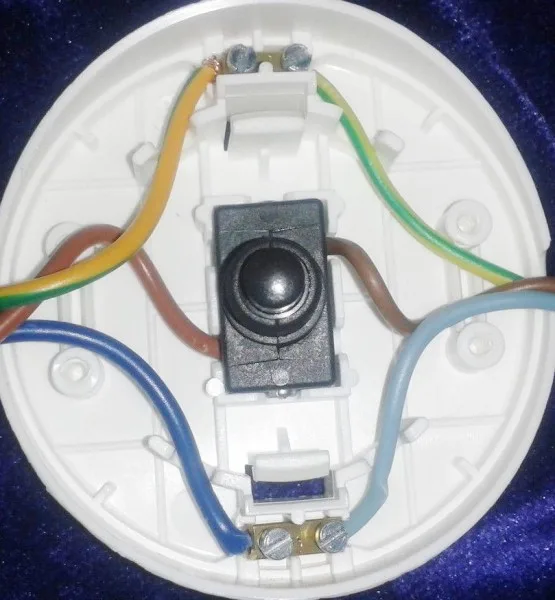
Image source: Bing (Web (fair-use with source credit))
You can safely tackle the rewiring yourself if you know how to use a multimeter, can follow wiring diagrams, and the lamp is not a rare, high-value collector’s item. If the lamp has visible internal scorch marks from past arcing, damaged socket terminals, or you’re not comfortable working with household voltage, hire a licensed electrician. A pro will ensure all connections are tight, the wiring meets local NEC requirements per current National Electrical Code standards, and the work is signed off if your jurisdiction requires inspection for permanent lighting fixtures.
DIY rewiring supplies typically cost $20 to $60 for cord, plug, and connectors, while a licensed electrician charges $100 to $250 for a standard floor lamp rewiring as of 2026. Some local jurisdictions also require a licensed professional to sign off on any rewired vintage lighting used as permanent household fixtures, so check your municipal building codes before starting work. If your lamp stopped working entirely before you address the wiring, our guide to troubleshooting non-functioning floor lamps can help you rule out other issues first.
For lamps that failed after a power surge, see our post-outage floor lamp troubleshooting guide. For general vintage lighting safety best practices, refer to our comprehensive lighting safety blog post.
Frequently Asked Questions About Brittle Vintage Floor Lamp Wiring
Can I use electrical tape to fix brittle cloth lamp wiring?
No, electrical tape is not a safe or code-compliant fix for brittle cloth lamp wiring. The tape degrades within weeks of heat exposure and does nothing to stop internal arcing from damaged wires. Most homeowner insurance policies deny fire damage claims for repairs made with electrical tape on vintage wiring.
This shortcut only hides the hazard temporarily while risk grows.
How long does vintage cloth lamp wiring typically last before getting brittle?
Most vintage cloth lamp wiring starts showing embrittlement after 40 to 60 years of regular use. Lamps kept in hot, sunny, or humid environments often degrade faster, with some showing signs of failure in as little as 30 years. Even if the outer cloth sheath looks intact, the natural rubber insulation underneath is usually crumbly and compromised long before visible damage appears.
Is it legal to keep using a vintage floor lamp with brittle cloth wiring?
No, using a vintage floor lamp with brittle cloth wiring violates most local residential electrical codes. The National Electrical Code requires all permanent lighting wiring to meet current safety standards, and brittle cloth wiring fails standard insulation resistance tests. Homeowner insurance policies also deny all fire damage claims for incidents linked to unmodified vintage wiring, leaving you responsible for full repair costs.
Do I need a licensed electrician to rewire a vintage floor lamp with brittle cloth wiring?
You can rewire a vintage floor lamp yourself if you have basic electrical skills and the lamp is not a rare high-value collector’s item. Some local jurisdictions require licensed professional sign-off for rewired permanent lighting fixtures, so check your municipal building codes first. Hire a licensed electrician if the lamp has internal scorch marks from past arcing, damaged socket terminals, or if you are not comfortable working with 120V household current.
Professional rewiring for standard floor lamps costs $100 to $250 as of 2026, while DIY supplies run $20 to $60 total.