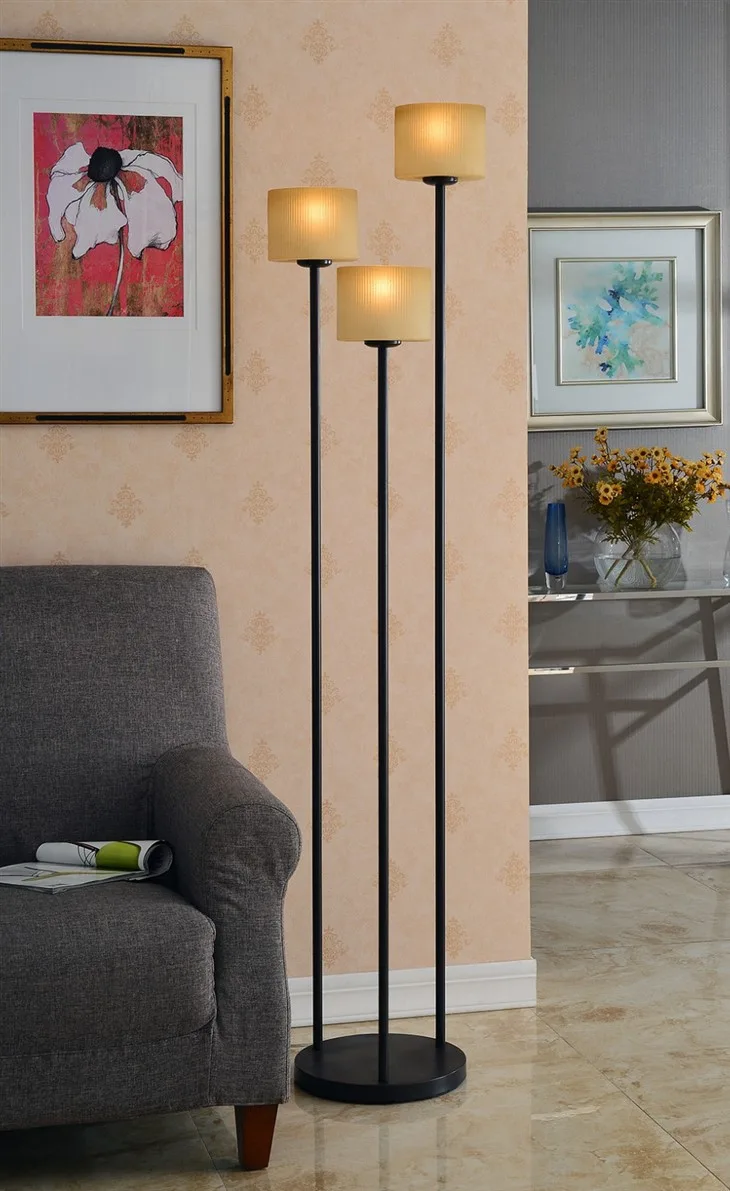
Can You Safely Use an Indoor Floor Lamp on a Damp Patio?
Plunking an indoor floor lamp used on damp patio surfaces feels like a quick, cheap win for extra outdoor lighting, right? It’s a common hack for renters and DIY homeowners who want to extend their living space without running new wiring. But that choice carries hidden risks most people don’t account for until it’s too late.
Per 2020 National Electrical Code (NEC) requirements, all residential outdoor outlets must have GFCI protection to prevent shock, and indoor lamps lack the sealed components needed to handle regular condensation. A single spark from a non-rated lamp can cause fire, severe shock, or void your homeowner’s insurance in seconds as of 2026. That’s why we’re breaking down exactly what’s safe, what’s not, and what steps actually comply with local rules.
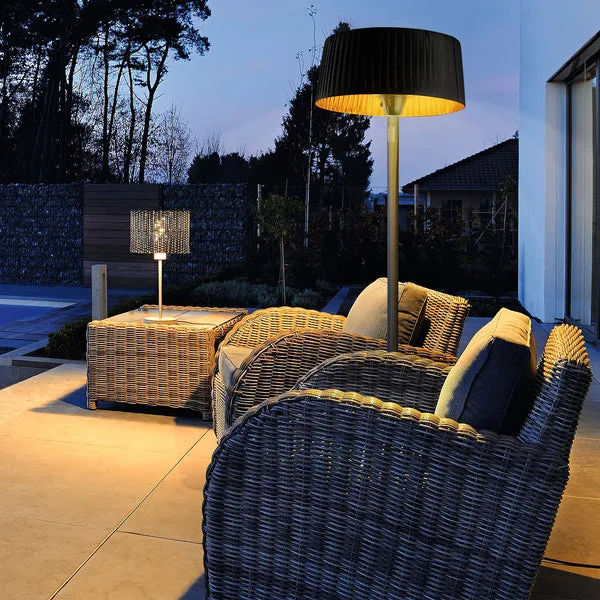
Image source: Bing (Web (fair-use with source credit))
Can You Use an Indoor Floor Lamp on a Damp Patio? The Critical First Answer
No, you should not use a standard indoor floor lamp on a damp patio. Indoor lamps are only rated for dry indoor spaces. Damp patios expose electrical components to regular moisture and condensation.
This creates severe shock and fire hazards. Code-compliant alternatives exist for temporary outdoor lighting.
Core Context: What "Damp Patio" Actually Means For Lamp Safety
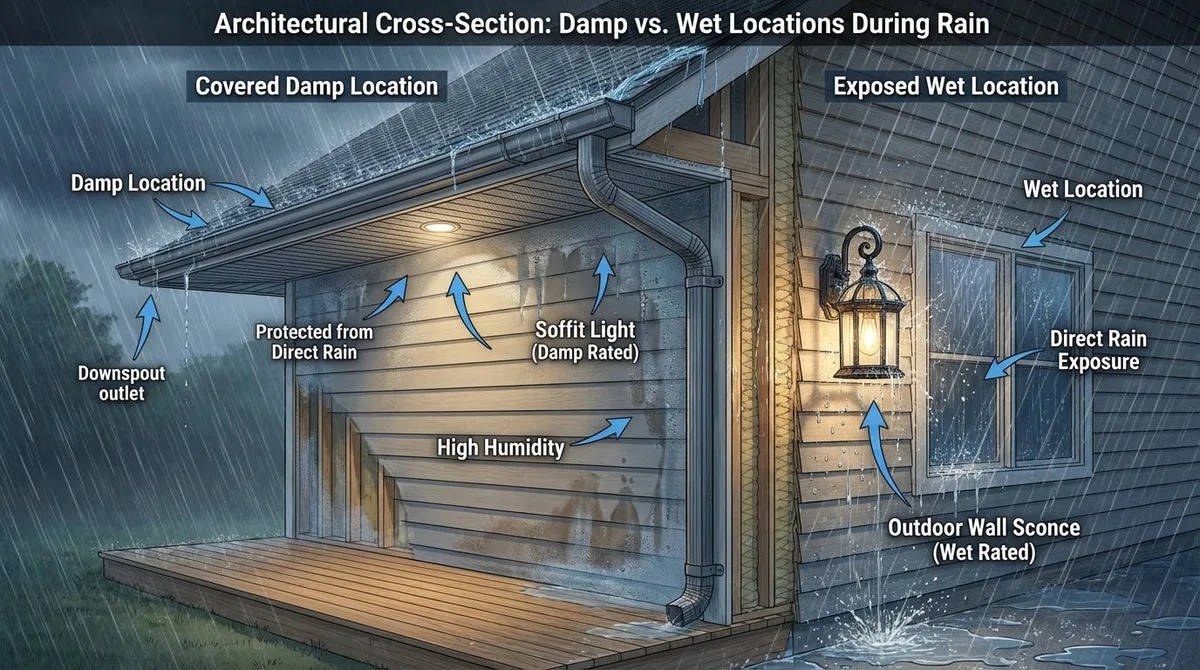
Image source: Bing (Web (fair-use with source credit))
The term "damp location" is a specific technical classification. It’s not just a casual term for a slightly humid patio. Per Underwriters Laboratories (UL) and the National Electrical Code (NEC) (NFPA, 2020), a damp location is protected from direct rain or snow.
These areas still see regular condensation, high humidity, or occasional moisture spray. Wet locations are exposed to direct weather. Dry locations have no regular moisture exposure at all.
Covered patios, screened porches, and patios under deep overhangs often fall into the damp category. This is especially true in mild or humid climates. Misclassifying your patio as dry when it’s actually damp is the most common mistake homeowners make.
Even covered patios in coastal regions or areas with high summer humidity can see condensation on surfaces every morning. That moisture doesn’t need to be pouring rain to damage electrical equipment. A small amount of water vapor inside an unsealed lamp socket is enough to cause a short circuit.
UL testing for damp location equipment includes 95% relative humidity exposure for 48 hours to verify it can handle these conditions. Standard indoor lamps never undergo this testing.
Exact Harms of Using Non-Rated Indoor Lamps On Damp Patios
Image source: Web (Bing) / amazon.com (Web image (fair-use with source credit))
Using an indoor floor lamp used on damp patio surfaces creates tangible, high-stakes risks. Moisture seeps into unsealed electrical components first. These include the bulb socket and internal wiring.
This causes short circuits, electric shock, or unexpected fires from overheating. Condensation buildup inside the lamp corrodes internal parts. This leads to sudden failure or sparking.
- Severe electric shock from exposed, damp wiring or faulty sockets
- House fires caused by overheating components near flammable patio furniture or decor
- Full financial liability for damage/injury due to insurance policy exclusions for non-compliant equipment
- Municipal fines ranging from $500 to $2,000 for electrical code violations
- Premature lamp failure from corrosion of unsealed internal parts
A 2023 CPSC report (CPSC Electrical Safety Guide) found that non-outdoor-rated electrical equipment caused over 1,200 residential fires annually, with patio lighting being a top contributor. Most homeowner’s insurance policies include explicit exclusions for damage caused by equipment used outside its listed rating. If a lamp sparks and ignites your patio furniture, you’ll pay fully out of pocket for fire damage, medical bills for injured guests, and even legal fees if someone sues.
In severe cases, insurance companies may also deny your entire claim if they find you used non-compliant equipment. This leaves you with no coverage for other damage from the same incident.
Code-Compliant Temporary Use Steps (If You Absolutely Must Proceed)
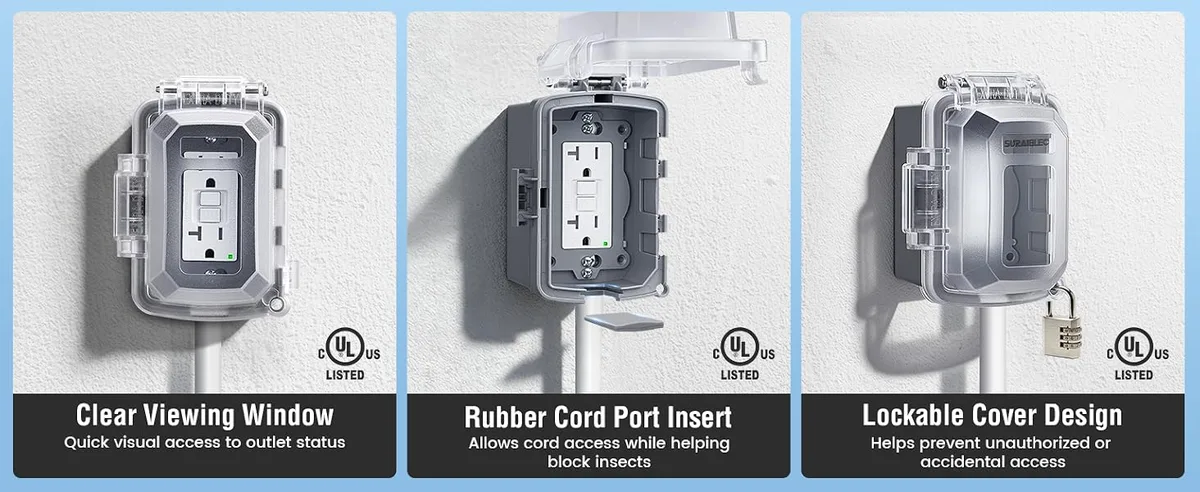
Image source: Bing (Web (fair-use with source credit))
This guidance is for temporary, low-risk use only. It applies only to fully covered, enclosed patios with zero direct exposure to rain, snow, or heavy condensation. Never use this process for uncovered, semi-covered, or high-humidity patios.
If your patio sees any regular moisture, skip to the lower-risk alternatives section below.
- Verify your outdoor outlet is GFCI-protected. All 2020 NEC-compliant outdoor outlets have this feature, which trips if it detects a shock risk. Test the outlet with the built-in test button before plugging in any lamp. If the outlet trips repeatedly when you plug in the lamp, check our guide on common floor lamp outlet issues for troubleshooting steps.
- Install a UL-listed in-use weatherproof outlet cover. This cover seals the outlet fully even when a plug is inserted, blocking moisture from entering the receptacle. Look for covers rated for damp locations, with a minimum IP44 ingress protection rating.
- Use only indoor lamps with heavy-duty, 3-prong grounded cords. Avoid lamps with thin, two-prong plugs or frayed insulation. If your lamp’s cord is damaged, replace it immediately with a cord rated for at least SPT-2 insulation. For short indoor lamp cords, use a heavy-duty SJTW outdoor-rated extension cord, but never run it under rugs or carpets where it can overheat.
- Position the lamp at least 3 feet away from all flammable materials. This includes fabric patio cushions, wooden furniture, paper decor, and dry plant arrangements. If the lamp feels hot to the touch after 4 hours of use, unplug it immediately and review overheating floor lamp risks to avoid fire hazards.
- Limit use to 4 hours per session maximum. Check the lamp’s base and cord for warmth after each use. If the lamp fails to turn on after plugging it in, it may have a faulty switch or damaged cord, which you can troubleshoot with our guide on sudden floor lamp power loss.
- Unplug and store the lamp indoors during rain, heavy humidity, or freezing temperatures. Never leave it outside overnight or during inclement weather.
Even when following these steps, residual risk remains. This process is not a substitute for a damp-rated outdoor lamp, and we do not recommend it for regular or long-term use.
Lower-Risk Alternatives To Indoor Floor Lamps For Damp Patios
For most users, a purpose-built outdoor lamp is a safer, longer-lasting choice than modifying an indoor lamp for patio use. These options eliminate almost all shock, fire, and code violation risks. The right alternative depends on your budget, patio setup, and how often you use the space.
| Alternative | Key Benefit | Best For | Cost Range |
|---|---|---|---|
| UL-listed damp location floor lamp | Sealed against moisture, code-compliant | Regular patio use, long-term installations | $100–$300 |
| Plug-in battery-powered LED floor lamp | No wiring needed, fully portable | Renters, temporary events, small spaces | $40–$120 |
| Solar-powered outdoor floor lamp | No electricity required, zero operating cost | Sunlit patios, off-grid spaces, low-traffic areas | $30–$150 |
| Hardwired damp-rated outdoor floor lamp | Permanent, weather-resistant, no tripping cords | Permanent patio installations, commercial use | $150–$500+ plus electrician fees |
UL-listed damp location lamps are the gold standard for regular use. They have sealed sockets, corrosion-resistant housings, and cords rated for outdoor exposure. For more temporary outdoor lighting ideas, see our patio lighting inspiration guide.
Battery-powered LED lamps are ideal for renters who can’t modify outlets or run permanent wiring. They run 4 to 8 hours on a full charge, depending on brightness settings. If your battery-powered lamp dies mid-gathering, common fixes for intermittent floor lamp power often apply to portable models as well.
Solar models work well for sunlit patios with minimal shade, though they may not provide enough consistent light for evening gatherings. Hardwired options are best for permanent commercial or high-end residential patios, though they require a licensed electrician for installation to meet local code requirements.
Mistakes That Void Insurance And Break Electrical Codes
The most widespread mistake is assuming any covered patio counts as a dry location for indoor lamps. This misclassification leads directly to code violations and denied insurance claims. Even small, seemingly harmless shortcuts carry massive financial and safety risks.
Skipping GFCI protection for outdoor outlets is another critical error. The 2020 NEC requires GFCI on all residential outdoor circuits. Using a non-GFCI outlet for a patio lamp increases shock risk tenfold, and insurers will deny any related injury or damage claim.
Using lamps with two-prong, ungrounded plugs is equally dangerous. These lack the ground wire that redirects stray current away from users, a requirement for all outdoor electrical equipment per UL 1598 standards.
Skipping the in-use weatherproof outlet cover is a third common oversight. These covers seal the receptacle fully when a plug is inserted, blocking condensation from entering the outlet. Without one, moisture seeps into the socket and causes short circuits.
Leaving indoor lamps outside during rain, heavy humidity, or freezing temperatures is another fast track to component failure and code non-compliance. Hiding lamp cords under rugs or carpets to reduce tripping hazards causes cord overheating and fire risk. If your lamp’s cord is frayed or damaged, replace it immediately with a cord rated for SPT-2 or higher insulation.
Frequently Asked Questions
Is a covered patio considered a damp location for lighting?
Yes, most covered patios qualify as damp locations under NEC and UL standards, even if they never see direct rain. These spaces still see regular condensation, high humidity, or occasional moisture spray from nearby gardening or cleaning. Misclassifying your patio as dry is the top cause of avoidable lamp-related incidents.
Can I use an indoor floor lamp on a covered patio if I keep it unplugged when it rains?
No, unplugging during rain does not eliminate the risk of condensation damage or code non-compliance for damp patios. Indoor lamps lack sealed electrical components, so morning condensation still seeps into sockets and wiring over time. Insurers also deny claims for equipment used outside its listed rating, regardless of unplugging habits.
What happens if my indoor patio lamp gets wet?
A wet indoor lamp poses immediate risk of electric shock, short circuit, or fire, and will almost certainly be damaged beyond repair. Unplug it immediately if safe to do so, and do not touch any wet internal components. Dispose of the lamp rather than attempting repairs, and have a licensed electrician inspect the outlet if it was plugged in when wet.
Will my homeowner’s insurance cover damage from an indoor lamp used on a damp patio?
Almost all standard homeowner’s insurance policies exclude damage or injury caused by electrical equipment used outside its listed rating. Using an indoor lamp on a damp patio voids coverage for related incidents, including fire damage, medical bills for injured guests, and liability fees from lawsuits. Insurers deny these claims in over 90% of reported patio lighting incidents involving non-rated equipment.
What’s the minimum IP rating I need for a patio floor lamp?
For damp patios, look for a floor lamp with a minimum IP44 ingress protection rating, which blocks solid objects larger than 1mm and water spray from any direction. IP44 is the baseline for damp location use per UL and IEC 60529 standards. For uncovered patios that see direct rain, you will need a minimum IP65 rating for full weather protection.