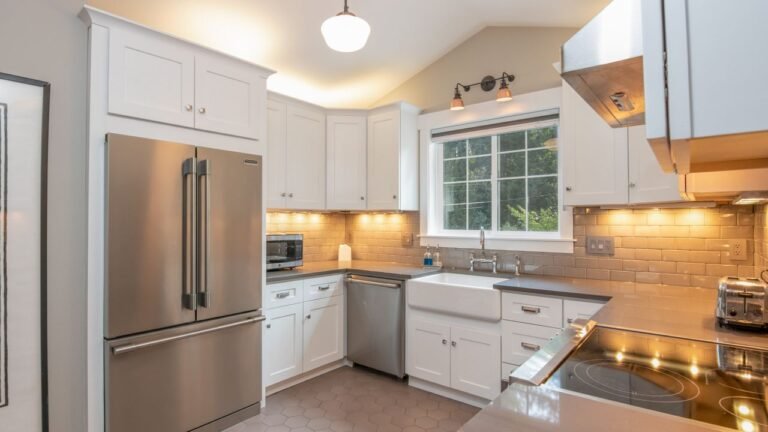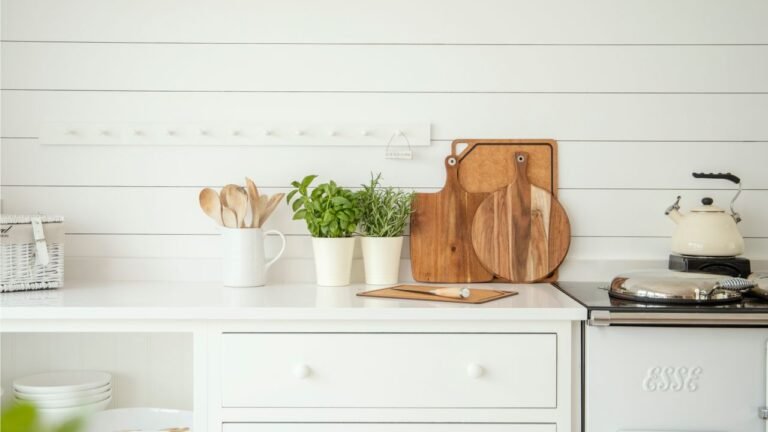
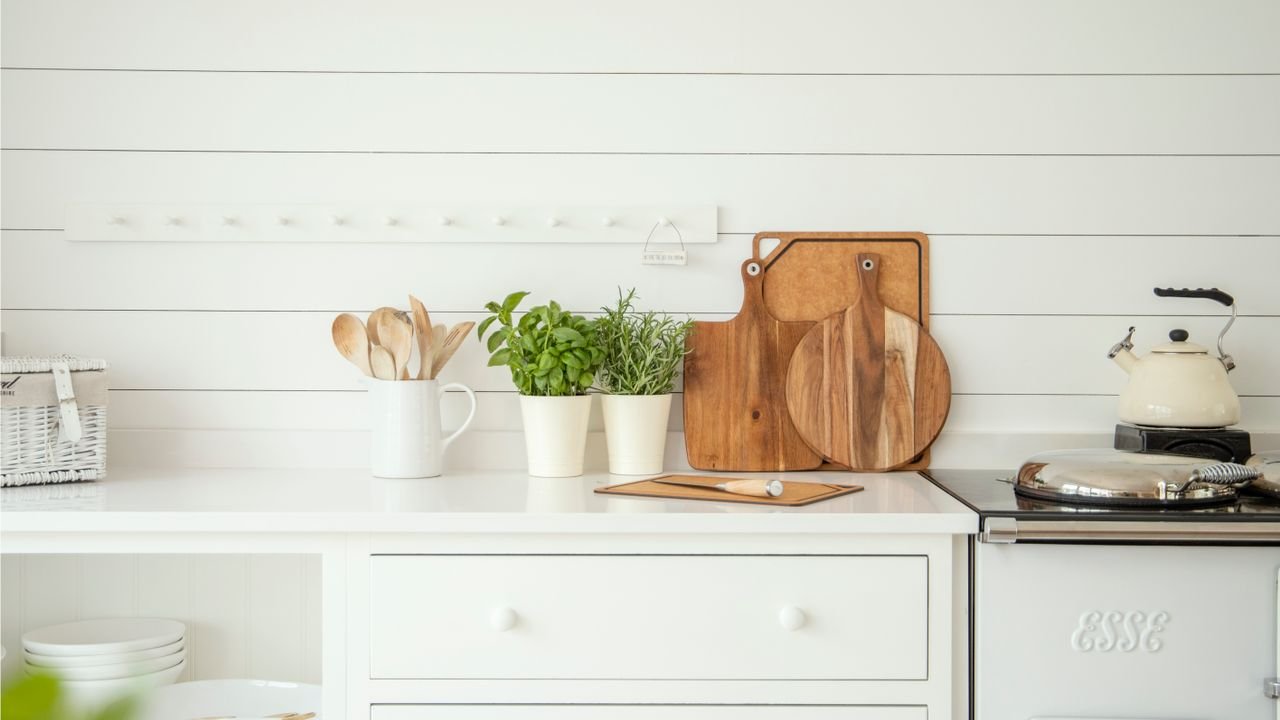
Warm, Inviting Farmhouse Kitchen Color Schemes That Feel Like Home
The right farmhouse kitchen color scheme can completely transform your cooking space, blending cozy rustic charm with timeless style that works for both busy weeknight meals and weekend hosting. It balances warm, organic tones with subtle accents to create a space that feels lived-in and intentional, not overly formal or fussy.
Whether you’re renovating a century-old farmhouse or updating a modern kitchen with rustic touches, these practical tips walk you through classic, low-fuss combinations that feel uniquely yours. Read on to explore ideas that will help you build a palette you’ll love for years to come.
1. Start with Crisp White Walls
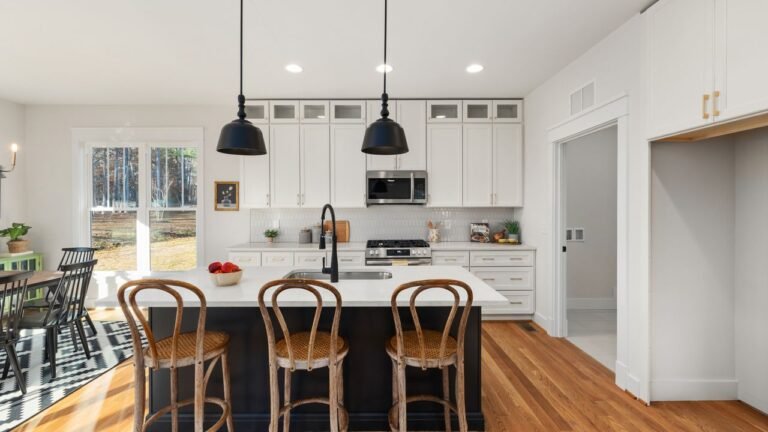
Crisp white walls are the perfect blank canvas for a farmhouse kitchen color scheme, brightening the space and letting other accent hues shine without feeling cluttered. Pair it with warm wood tones to avoid a sterile, hospital-like feel, and the room will feel open and welcoming for all who use it. This base works for every classic farmhouse style, from traditional to modern farmhouse.
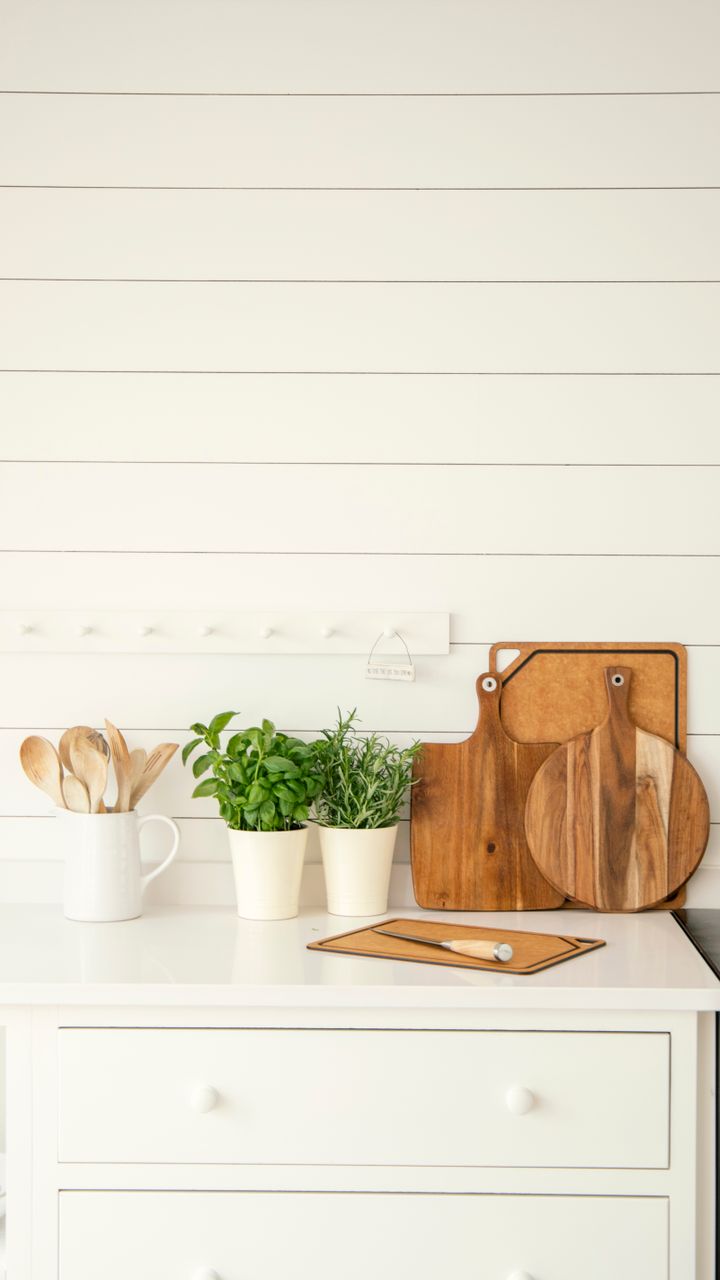
2. Layer Warm Neutral Bases
Warm neutrals like soft beige, creamy taupe, or warm gray form the backbone of a cozy farmhouse kitchen color scheme, tying together all other elements in the space. These tones pair seamlessly with natural wood cabinets and stone countertops for a balanced, lived-in feel that never goes out of style. Avoid cool undertones that clash with rustic, organic finishes.
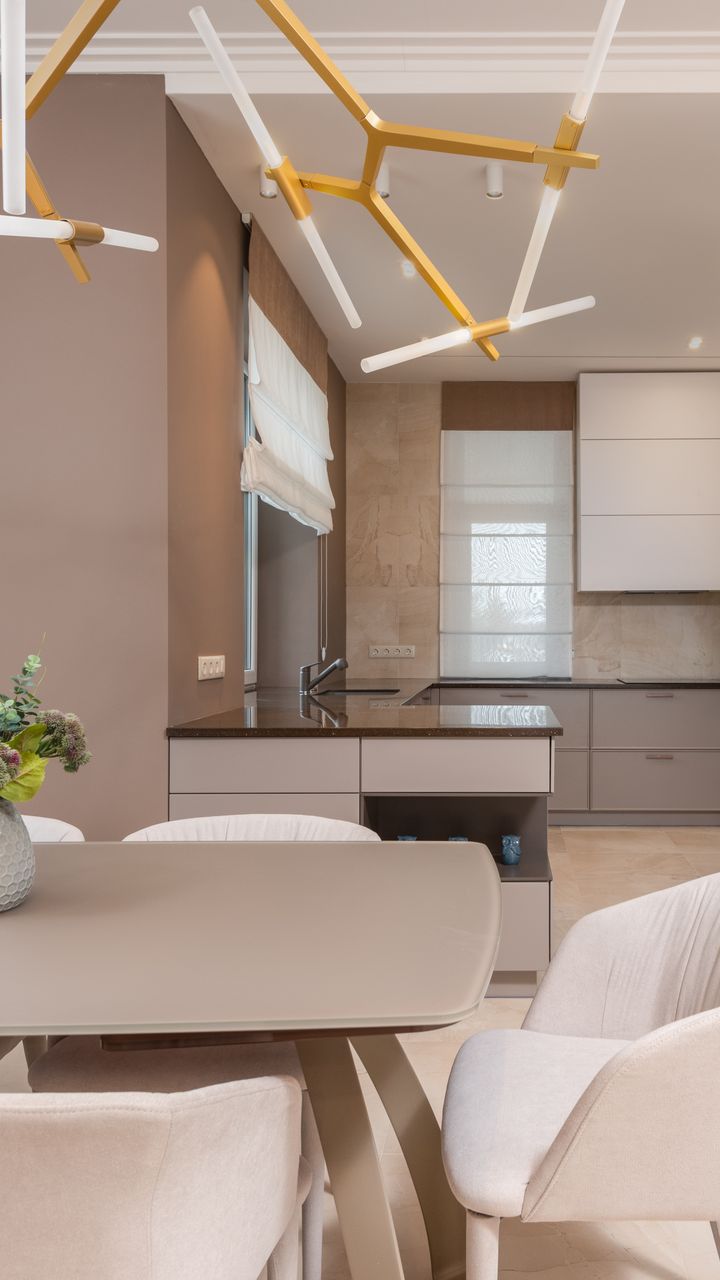
3. Accent with Soft Sage Green
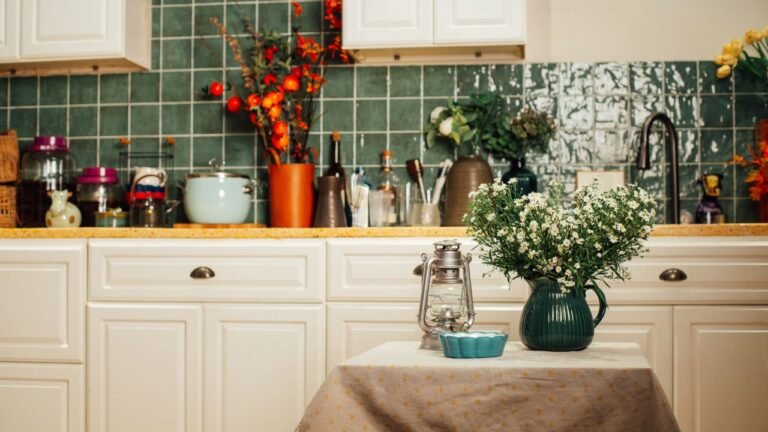
Soft sage green is a subtle, earthy accent that works beautifully in a farmhouse kitchen color scheme, whether used on a feature wall, lower cabinets, or small kitchen accessories. It brings a touch of natural, outdoorsy charm without feeling too bold or overwhelming for daily use. Pair it with matte black hardware for a modern, elevated twist.

4. Add Pops of Deep Navy
Deep navy blue adds unexpected depth and contrast to a farmhouse kitchen color scheme, ideal for accent walls, pantry doors, or even small appliance picks. The rich, moody tone pairs surprisingly well with natural wood and bright white fixtures for a balanced, polished look. It’s a great choice if you want to avoid overly pastel or soft accent colors.
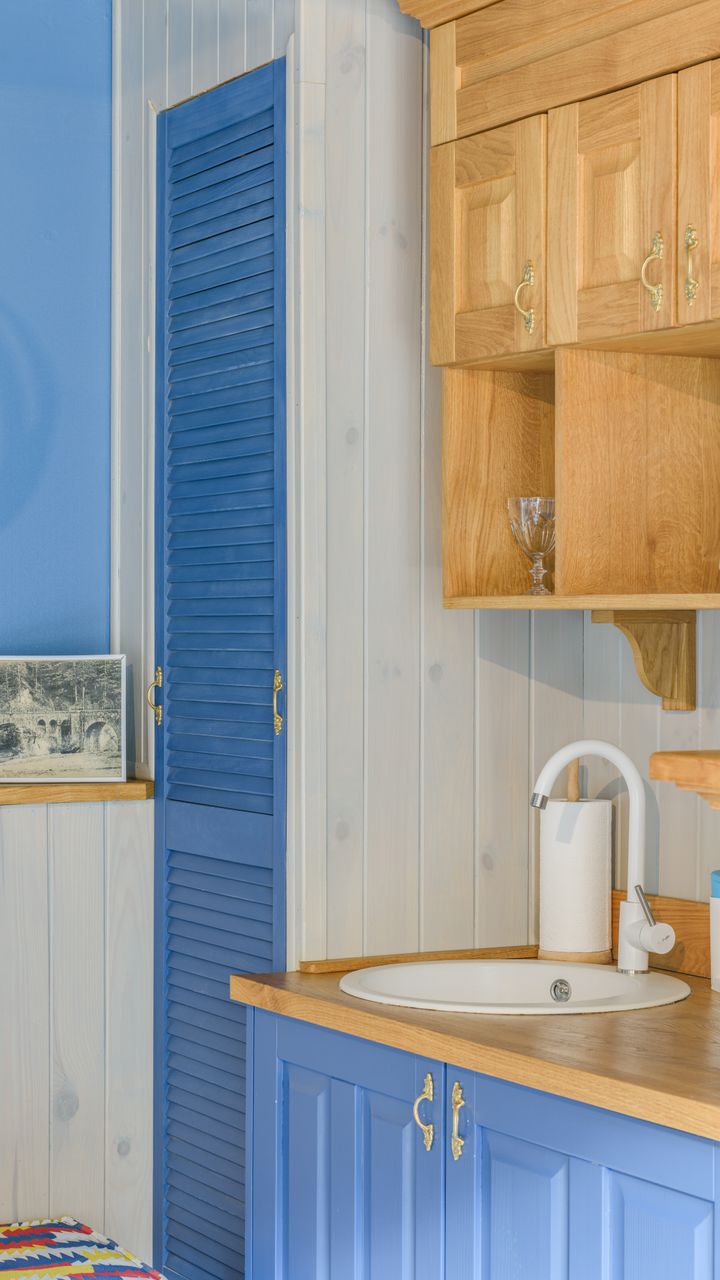
5. Incorporate Soft Cream Textiles
Soft cream-colored textiles like linen curtains, dish towels, and seat cushions soften the edges of a farmhouse kitchen color scheme. These muted, warm tones add coziness without competing with bolder wall or cabinet colors, making the space feel more inviting. Look for natural fiber fabrics to keep the look authentic and sustainable.

6. Use Matte Black Hardware
Matte black cabinet hardware, light fixtures, and faucet accents add sleek, modern contrast to a farmhouse kitchen color scheme. The dark neutral ties together lighter wall and cabinet tones while adding a touch of understated sophistication that works with every classic farmhouse color combo. It’s also easy to clean and maintain for busy households.
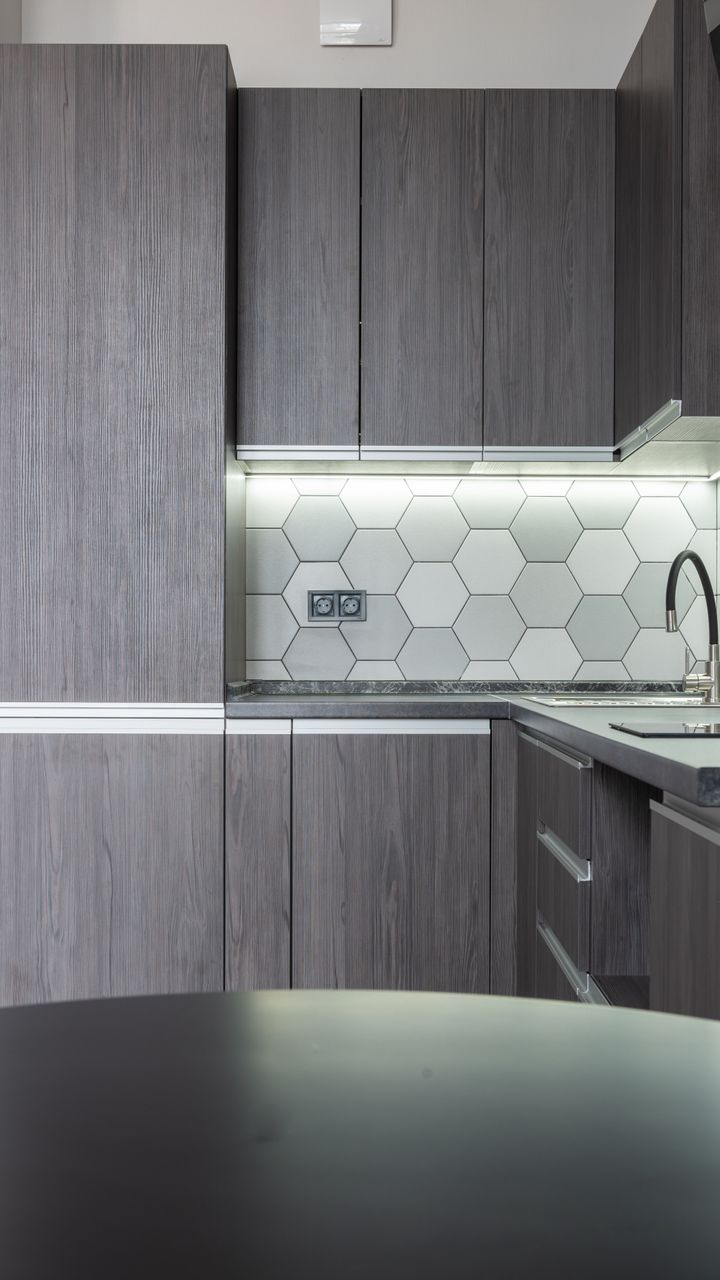
7. Add Terracotta Accent Tiles
Terracotta tile backsplashes or floor tiles bring warm, earthy character to a farmhouse kitchen color scheme. The natural reddish-brown tone pairs perfectly with white cabinets and wood countertops for a timeless, rustic feel that only gets better with age. Opt for hand-made, slightly uneven tiles for an authentic, artisanal look.
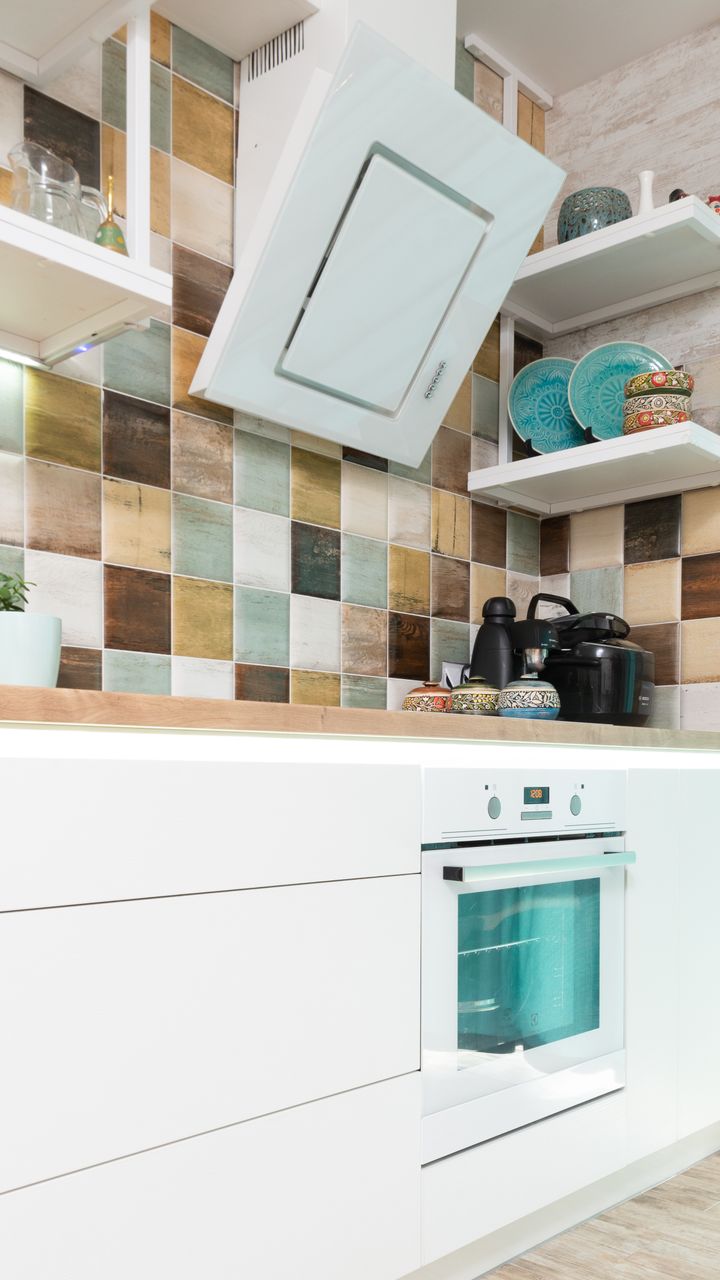
8. Stick to Natural Wood Tones
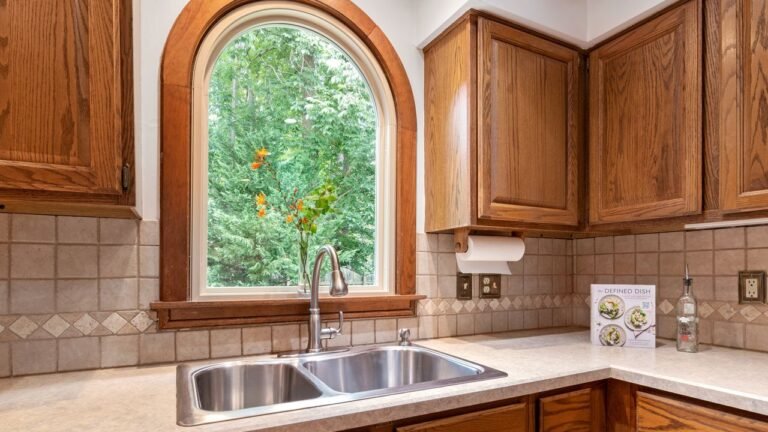
Natural, unfinished or lightly stained wood tones for cabinets, shelves, and countertops are a core element of any farmhouse kitchen color scheme. The warm, organic hue adds coziness and ties all other accent colors together for a cohesive, unified look. Avoid overly dark or orange-stained woods that feel dated or out of place.

9. Add Soft Blush Accents
Soft blush pink is a subtle, unexpected accent that works beautifully in a farmhouse kitchen color scheme, whether used on a small feature wall, cabinet interiors, or decorative accessories. The warm, muted tone adds a touch of gentle charm without feeling too girly or overwhelming. Pair it with brass hardware for extra warmth and shine.
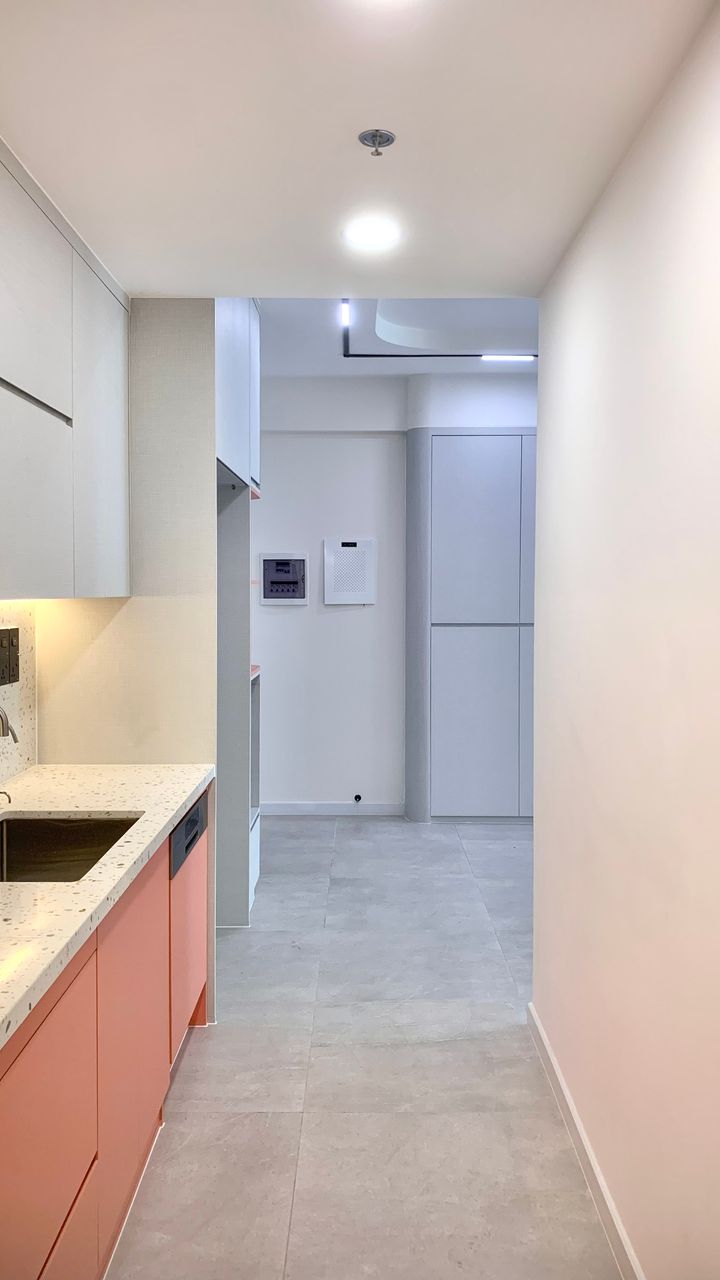
10. Incorporate Charcoal Gray Elements
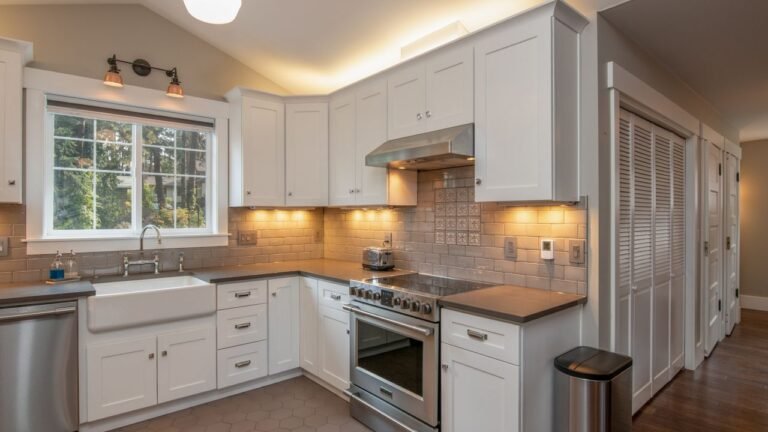
Charcoal gray is a versatile neutral that adds subtle depth to a farmhouse kitchen color scheme, perfect for range hoods, accent walls, or even small appliance choices. The cool, muted tone balances out warm wood and cream accents for a cohesive, elevated look that feels far from basic. It’s more sophisticated than standard dark gray shades.

11. Use Muted Mustard for Warmth
Muted mustard yellow adds a sunny, cozy pop of color to a farmhouse kitchen color scheme, ideal for accent chairs, dishware, or even a small painted cabinet door. The warm, earthy tone feels inviting without being overwhelming, even in small doses. Pair it with navy or sage for a balanced, playful palette.
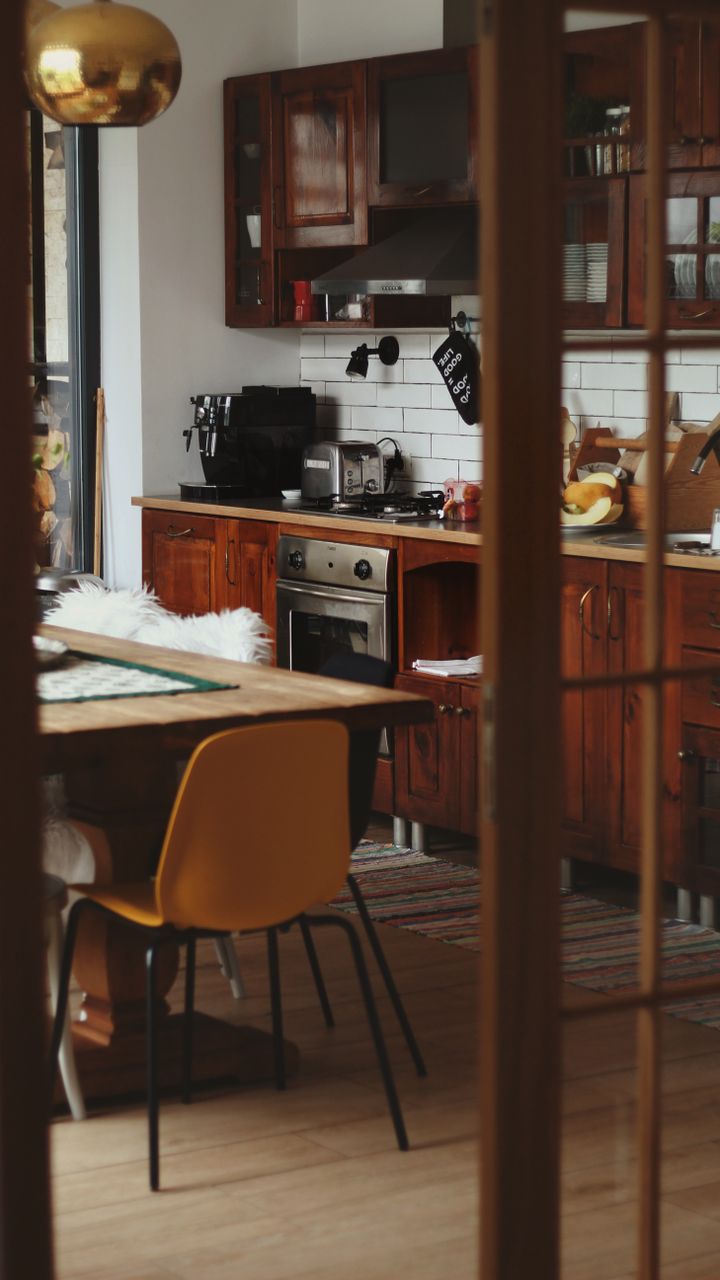
12. Add Rustic Metal Accents
Rustic metal elements like galvanized steel light fixtures, canisters, or shelf brackets add industrial charm to a farmhouse kitchen color scheme. The cool, muted silver tone pairs well with both warm neutrals and bolder accent colors for a balanced, eclectic look. Look for slightly weathered finishes for an authentic, well-loved feel.

13. Keep Flooring Neutral and Warm
Warm-toned wood, tile, or vinyl plank flooring anchors a farmhouse kitchen color scheme, tying together all upper and lower cabinet and wall colors for a unified look. Avoid cool gray flooring that clashes with the cozy, rustic vibe of the space. A slightly distressed wood finish adds extra character and hides everyday wear and tear.
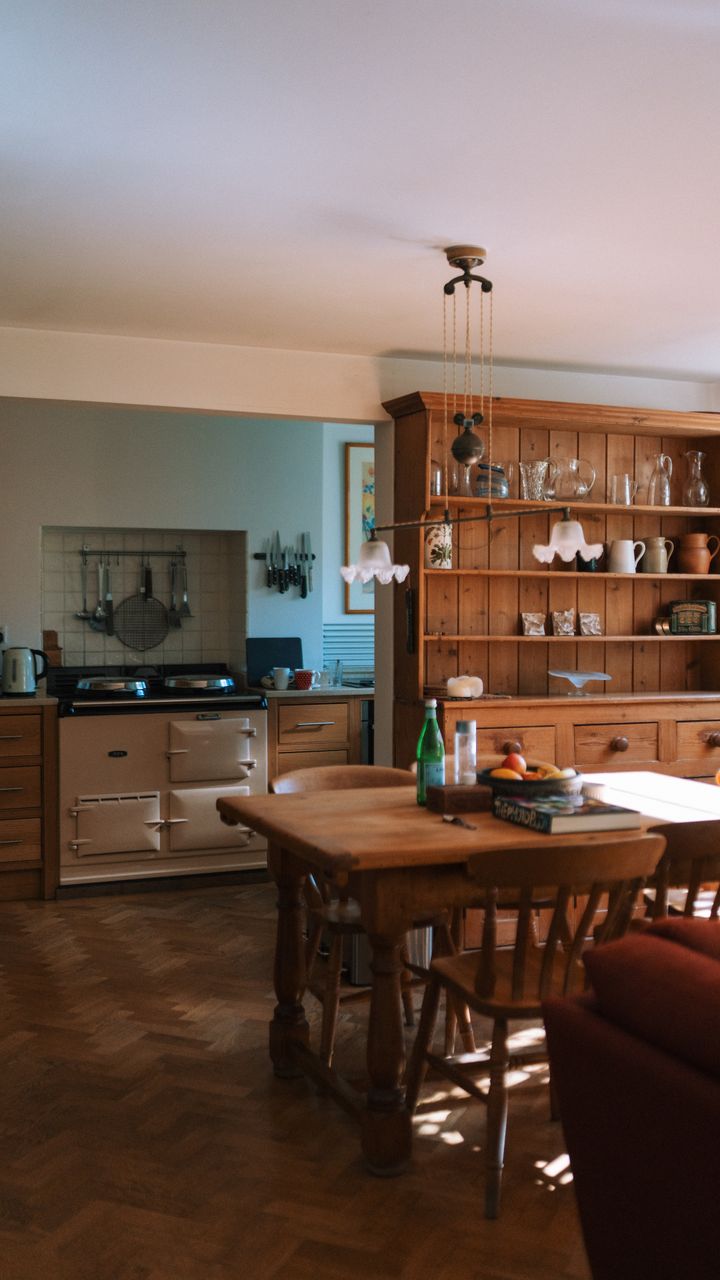
14. Add Soft Lavender Touches
Soft, muted lavender is a gentle, calming accent that works well in a farmhouse kitchen color scheme, whether used on a small feature wall, dish towels, or decorative pottery. The cool, soft tone adds a touch of unexpected elegance without feeling too formal or stuffy. Pair it with cream and wood tones for a perfectly balanced look.

15. Incorporate Brick Accent Walls
Exposed or faux brick accent walls add textured, rustic charm to a farmhouse kitchen color scheme, bringing in warm reddish-brown tones that complement natural wood and white fixtures. The uneven, organic surface adds visual interest without needing extra decor or accessories. Seal it if you want to avoid dust buildup in your cooking space.

16. Use Soft Olive Green Accents
Soft olive green is a deeper, moodier alternative to sage that adds warmth to a farmhouse kitchen color scheme, ideal for lower cabinets, pantry walls, or even small appliance picks. The earthy, muted tone pairs beautifully with terracotta and brass accents for a cozy, sophisticated feel. It’s perfect for anyone who wants a slightly darker accent without going fully dark.
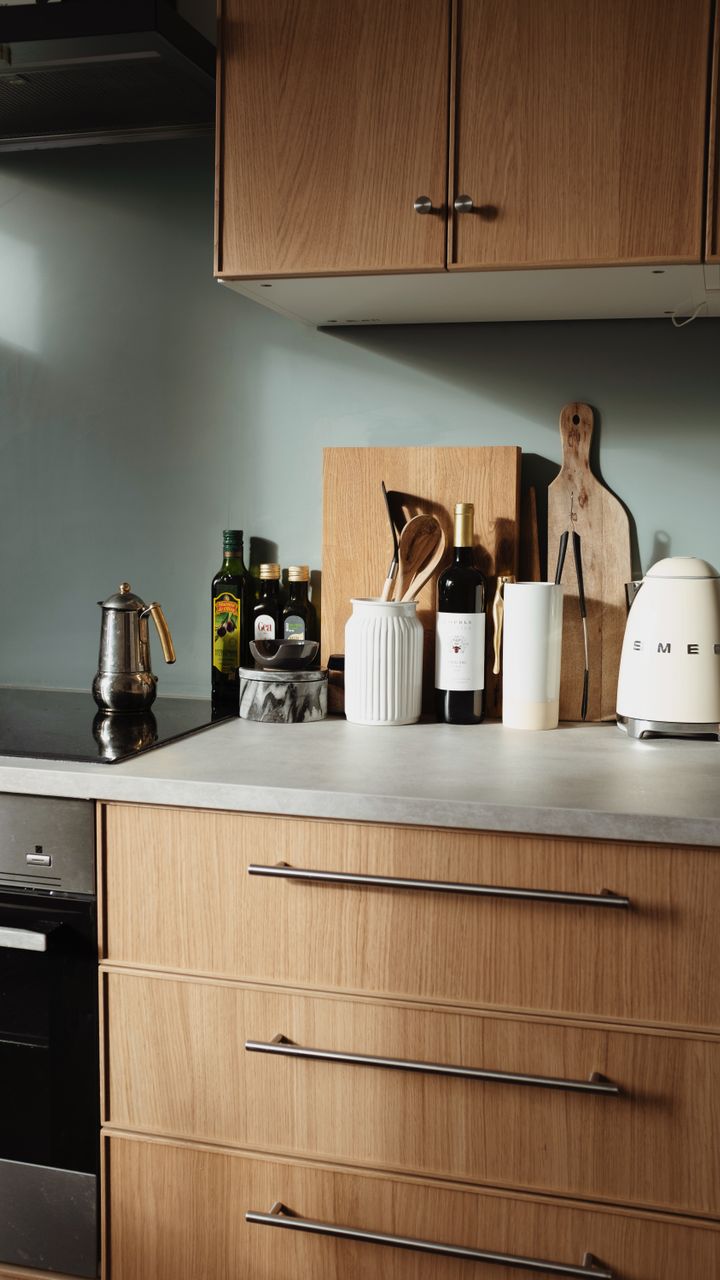
17. Add Creamy White Subway Tile
Creamy off-white subway tile backsplashes are a classic pairing for any farmhouse kitchen color scheme, adding subtle texture without overwhelming the rest of the space. The slightly warm tone of the tile complements cream walls and wood countertops perfectly for a cohesive, timeless look. Opt for a staggered layout for a relaxed, rustic feel.

18. Incorporate Brass Light Fixtures
Brass pendant lights, sconces, or cabinet hardware add warm, golden metallic accent to a farmhouse kitchen color scheme, tying together warm wood and neutral wall tones for a polished, inviting feel. The soft, muted metallic finish feels timeless without being too shiny or formal, and it works with every classic farmhouse color palette.

19. Add Soft Taupe Wall Colors
Soft taupe is a warm, versatile neutral that works beautifully as a main wall color in a farmhouse kitchen color scheme, offering more depth than plain white without feeling too dark or closed-in. It pairs seamlessly with white cabinets, wood countertops, and all your favorite accent hues for a balanced, cozy space. Look for taupe with warm undertones to avoid a cool, drab look.

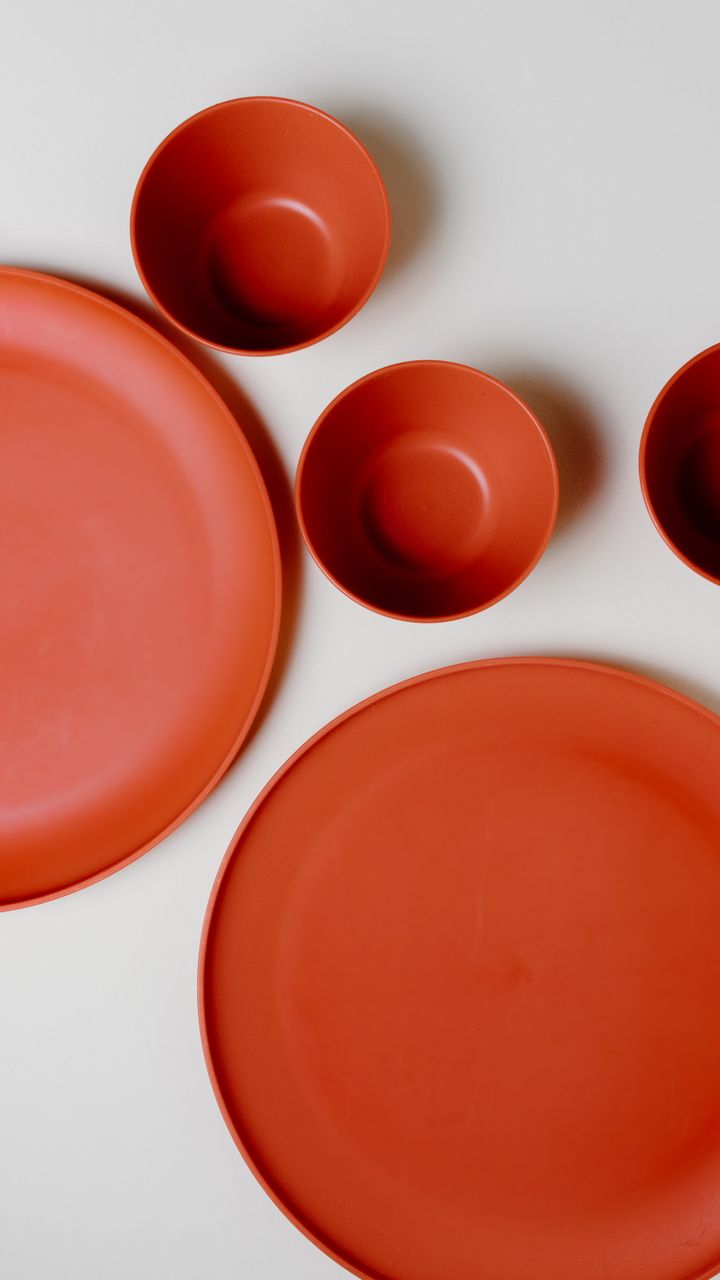
20. Use Muted Coral Accents
Muted coral is a warm, cheerful accent that adds a subtle pop of color to a farmhouse kitchen color scheme, ideal for dishware, small accent chairs, or even a painted cabinet interior. The soft, peachy tone feels inviting without being overly bright or jarring in a cooking space. Pair it with navy or sage for a balanced, playful palette.
21. Incorporate Woven Natural Textures
Woven natural textures like rattan baskets, jute rugs, and wicker light shades add organic, tactile warmth to a farmhouse kitchen color scheme. The natural neutral tones complement all wood and accent colors while adding cozy, lived-in character to the space. They’re also perfect for hiding everyday clutter like produce or kitchen gadgets.

22. Add Soft Slate Blue Elements
Soft slate blue is a cool, muted accent that adds calm, understated depth to a farmhouse kitchen color scheme, perfect for accent walls, cabinet interiors, or even small appliance choices. The gentle blue tone pairs beautifully with warm wood and brass accents for a balanced, inviting look that feels both fresh and timeless.

23. Keep Decor Colors Cohesive
Stick to your chosen farmhouse kitchen color scheme for all small decor items like canisters, dish towels, and wall art to keep the space feeling intentional and cohesive, rather than cluttered or disjointed. Avoid introducing too many competing hues that can make the room feel chaotic or unplanned. A few consistent accent colors will make the space feel polished and welcoming for all who enter.

Frequently Asked Questions
Q. Can I mix warm and cool tones in a farmhouse kitchen color scheme?
Ans. Yes, you absolutely can! Mixing warm wood and neutral tones with cool accents like soft sage or slate blue creates a balanced, dynamic farmhouse kitchen color scheme that feels both cozy and fresh. Just stick to 2-3 main accent hues to avoid clashing and keep the look cohesive.
Q. What’s the best neutral base for a farmhouse kitchen color scheme?
Ans. Warm off-white, cream, or soft beige make the best neutral bases for a farmhouse kitchen color scheme, as they complement natural wood finishes and feel welcoming without feeling too sterile. Avoid cool gray base tones that can clash with the rustic, cozy vibe of classic farmhouse style.
Q. How do I add bold color to a farmhouse kitchen color scheme without overwhelming the space?
Ans. Use bold accent hues like deep navy, terracotta, or muted mustard on small, intentional elements like a single accent wall, cabinet interiors, or small dishware to add personality to your farmhouse kitchen color scheme. This keeps the space feeling balanced rather than chaotic or overdone.
Conclusion
A well-chosen farmhouse kitchen color scheme blends timeless rustic charm with personal style, creating a space that feels both cozy and functional for daily use. By sticking to warm neutral bases, natural wood tones, and a few thoughtful accent hues, you can build a palette that feels cohesive and inviting without feeling overplanned. There’s no need to overcomplicate the look with too many competing colors.
No matter your personal style preferences, the right farmhouse kitchen color scheme will make your space feel like the heart of your home, perfect for casual weeknight meals and festive holiday gatherings. Don’t be afraid to test a few paint swatches on your walls to see how they look in your space’s natural light before committing to a full paint job. A little planning goes a long way in creating a kitchen you’ll love for years to come.
Photos via Pexels