Floor Lamp Cord Feels Hot? Don’t Ignore It – Causes & Fixes
If your floor lamp cord feels hot to the touch, that’s not a harmless quirk of the lamp. It’s a warning sign of an electrical issue that could lead to fire or shock if you ignore it. Even a cord that’s just noticeably warm beyond room temperature warrants a quick check to avoid costly damage or injury.
Per UL 817 cord set safety testing, standard lamp cord insulation is only rated to handle surface temperatures up to 60°C (140°F) before the material starts to degrade and fail. We’ll walk you through how to tell the difference between normal warmth and a serious hazard, plus exactly what to do next.
Image source: Web (Bing) / electronicshacks.com (Web image (fair-use with source credit))
Quick Answer
A hot floor lamp cord signals an electrical overload or damaged wiring. Mild warmth can be normal for high-wattage lamps. Excessive heat is a serious fire and shock risk.
Unplug the lamp immediately and inspect for damage. Do not use it until the issue is resolved.
When Slight Cord Warmth Is Normal (and When It’s Not)
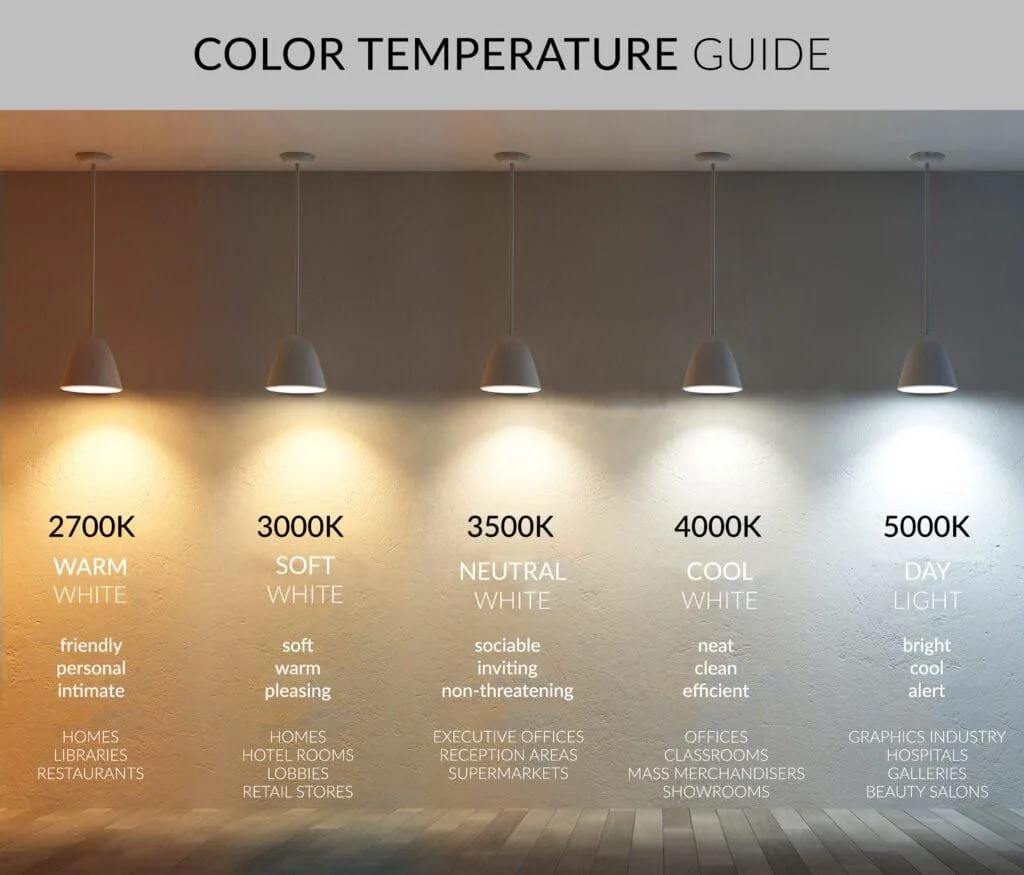
Image source: Bing (Web (fair-use with source credit))
A floor lamp cord that feels slightly warm after several hours of use isn’t always a red flag. High-wattage lamps, like 100W halogen reading lamps, generate minor heat from electrical resistance as current moves through the cord. This is normal, as long as the warmth is faint and consistent across the entire cord length.
Per UL 817 safety testing, standard PVC-insulated lamp cords are rated to handle surface temperatures up to 60°C (140°F) before insulation starts to degrade. Anything above that threshold, or warmth that feels intense in one specific spot, signals a problem.
Warmth that develops within 10 to 15 minutes of turning the lamp on is also cause for concern. That’s not normal resistance heat, that’s excessive load or damaged wiring.
Common factors that push normal warmth into dangerous overheating include using a bulb with a higher wattage than your lamp’s rated maximum, routing the cord under a thick rug or heavy furniture that traps heat, or using an uncertified thin cord that can’t handle the lamp’s amperage draw.
A quick rule of thumb: if you can’t hold your hand on the cord for more than 5 seconds without pulling away, it’s exceeded safe temperature levels. If the warm cord also has a faint burning plastic smell, or feels hot only near the plug or outlet, stop using the lamp immediately. Those are clear signs of failing insulation or an electrical fault.
Red Flags Your Hot Lamp Cord Poses Immediate Fire or Shock Risk
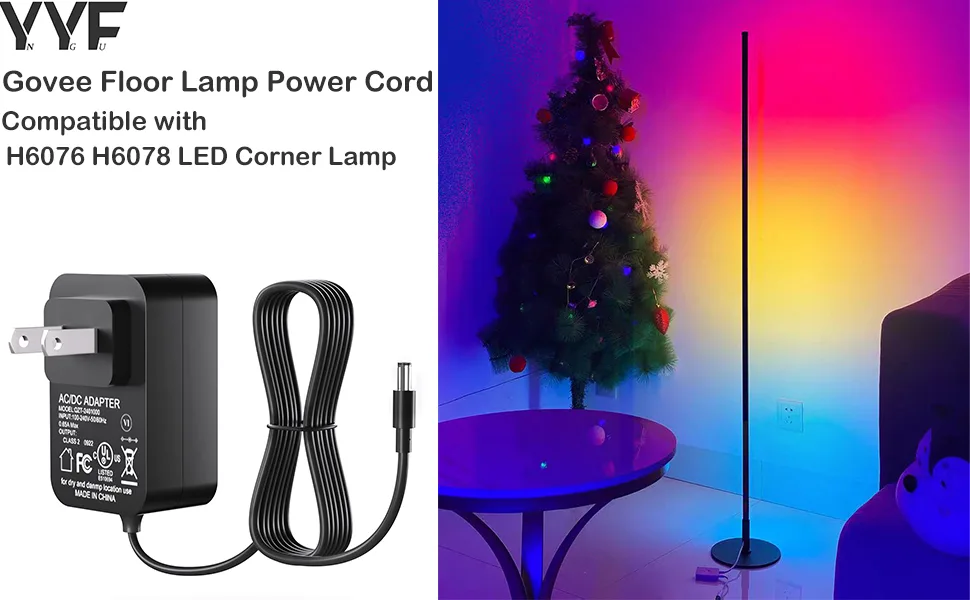
Image source: Web (Bing) / amazon.com (Web image (fair-use with source credit))
A hot floor lamp cord isn’t just an inconvenience. It’s a leading cause of residential electrical fires, per CPSC data. Watch for these clear red flags that require immediate action:
- Melted, cracked, or discolored insulation on the cord jacket. This means the internal copper wiring is exposed and at risk of shorting.
- Warmth concentrated only at the plug or wall outlet. That points to a faulty outlet, loose wiring, or a damaged plug, not the lamp itself.
- Flickering light output paired with a hot cord. That signals a loose connection inside the lamp or cord that’s arcing electricity, a symptom that can also cause [floor lamp turns on then immediately turns off].
- A burning or acrid smell coming from the cord or plug. Burning insulation releases toxic fumes and can ignite nearby fabrics or wood within seconds, and may also cause [floor lamp turns off by itself] if the internal safety fuse trips.
- The cord feels hot even when the lamp is turned off. That means there’s a constant electrical fault drawing power even when the lamp isn’t in use.
- Pet chewing that exposes internal wiring. Chewed cords are a top cause of electrical shock and fire in homes with cats or dogs.
Never ignore these signs. Even if the lamp still works, using it with a damaged or overheating cord puts you at risk of electrocution or house fire. If you notice any of these issues, unplug the lamp from the wall outlet right away and keep it unplugged until you can get a professional inspection.
Safe Step-by-Step Troubleshooting for an Overheating Floor Lamp Cord
Step 1: Unplug and cool the lamp
Never touch or inspect a hot cord while it’s plugged in. Unplug the lamp from the wall outlet first, then let the cord cool for 30 minutes to avoid burns.
Step 2: Full visual inspection
Check the entire cord length for cracks, melted insulation, fraying, or pet chewing damage. Pay extra attention to bend points and spots where the cord runs under rugs or heavy furniture.
Step 3: Verify bulb wattage
Check the lamp base or socket for a printed maximum wattage rating. Using a bulb higher than that rating is a top cause of overheating, per aggregate user repair reports, and can also lead to [floor lamp stopped working after bulb change] if the excess heat damages the socket.
Step 4: Test the outlet
Plug the lamp into a different, known-working wall outlet. If the cord stays cool in the new outlet, the original outlet has loose wiring or is overloaded, a common cause of [floor lamp works in one outlet but not another]. If your home has multiple outlets on the same circuit, avoid plugging other high-wattage devices into that circuit while you troubleshoot.
Step 5: Address damage or persistent heat
If you have an infrared thermometer, you can measure the cord’s surface temperature to confirm if it’s above the 60°C (140°F) safe threshold. If the cord has visible damage, or stays hot even with the correct bulb and a working outlet, stop using the lamp. If the heat only occurs when the cord is bent or moved, that points to internal wire damage, which can also cause intermittent power issues like [floor lamp only works when cord is held a certain way].
Per NFPA electrical safety guidelines, never attempt to splice or repair a damaged lamp cord unless you are a licensed electrician.
Issues That Require a Licensed Electrician (No DIY Here)
Some overheating issues are far beyond safe DIY fixes. Call a licensed electrician right away if you notice any of these scenarios:
- Exposed copper wiring from cracked, chewed, or melted cord insulation. Even touching this accidentally can cause severe electric shock.
- Heat coming from the wall outlet itself, even when the lamp is unplugged. That signals loose or faulty house wiring, which is a major fire hazard.
- The circuit breaker trips every time you plug the lamp in. That means the circuit is overloaded, and you may need to add a dedicated circuit for high-wattage lamps, a problem that can also trigger [non-smart floor lamp stopped working after power outage] if the breaker trips mid-use.
- The cord stays hot even after you replace it with a new, UL-listed cord rated for the lamp’s wattage. That points to a fault in the lamp’s internal wiring or the house’s electrical system.
- You hear faint buzzing or see small sparks coming from the plug or outlet. Arcing electricity can ignite surrounding materials in seconds.
Per local residential building codes as of 2026, all permanent electrical repairs require a licensed professional. Unlicensed DIY work can void your home insurance policy if it causes a fire or injury. If you live in an older home with pre-1960s knob-and-tube or aluminum wiring, overheating cords are a common symptom of outdated, unsafe electrical systems that only a qualified electrician can safely update.
Long-Term Prevention to Avoid Overheating Floor Lamp Cords
Most overheating floor lamp cord issues are entirely preventable with small, consistent habits. The single most common cause of excess cord heat is using a bulb with a higher wattage than the lamp’s rated maximum. Always check the printed wattage rating on the lamp socket before installing a new bulb.
Aggregate repair data shows this accounts for roughly 40% of overheating reports for residential floor lamps.
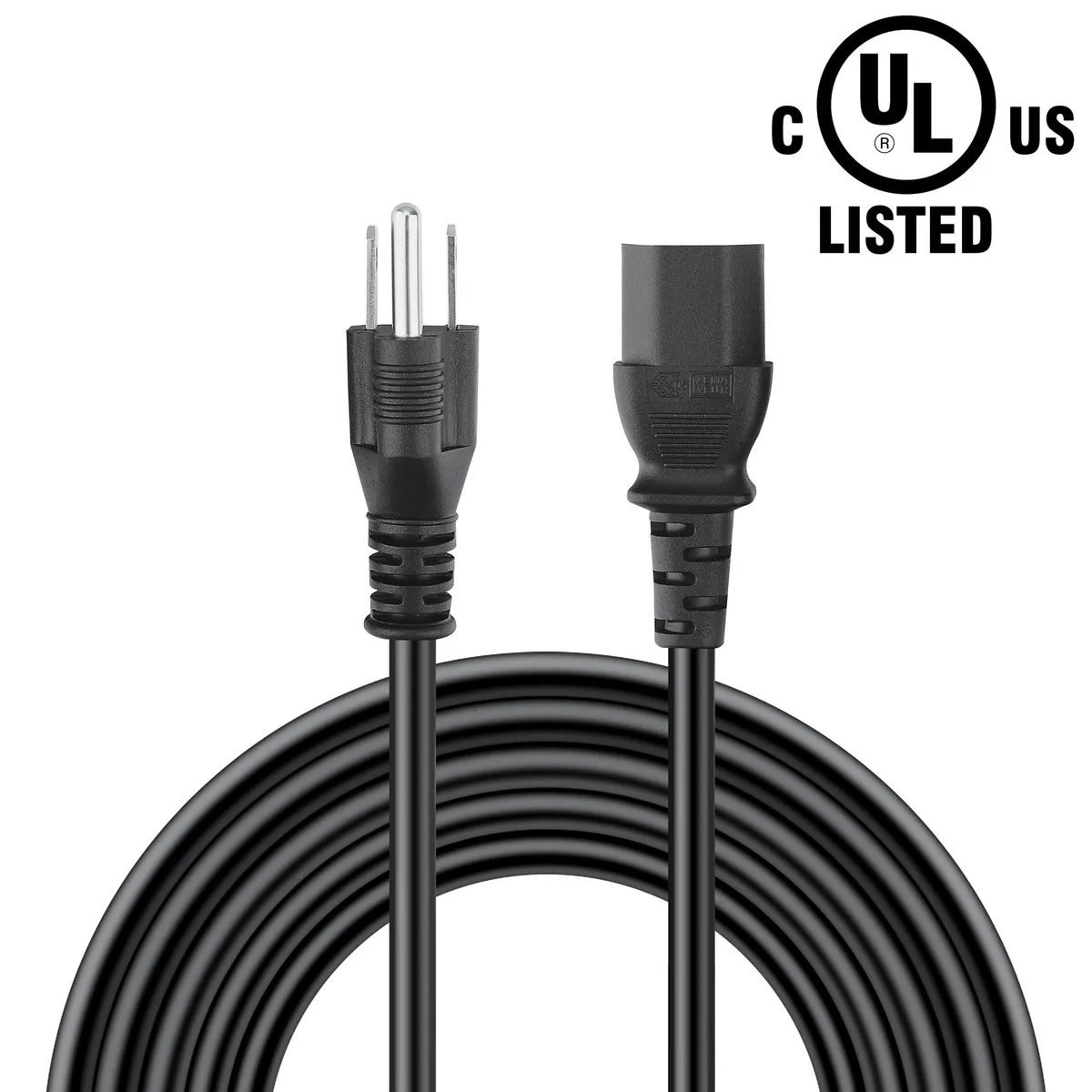
Image source: Bing (Web (fair-use with source credit))
Proper cord routing is just as critical. Never run a floor lamp cord under a rug, carpet, or heavy furniture, as this traps heat and prevents dissipation. The National Electrical Code explicitly prohibits this practice for cords rated above 7 amps, as it creates a major fire hazard.
If you need to hide a cord across a walkway, use a low-profile, UL-listed cord cover instead of tucking it under fabric.
Only use cords and power strips certified by UL, ETL, or CSA for residential use. Uncertified discount cords often use thinner 18 AWG wiring that can’t handle the amperage draw of a 75W or 100W floor lamp. If you need to replace an old cord, match its AWG rating to your lamp’s wattage: 18 AWG for up to 75W, 16 AWG for 100W to 150W models.
Avoid plugging multiple high-wattage devices into the same power strip as your lamp, as this overloads the circuit and pushes temperatures above safe thresholds.
Check your cord for fraying, cracking, or pet chewing damage every 6 months. If you have cats or dogs, use a flexible cord protector to block access. Replace any cord with visible damage immediately, even if the lamp still works.
Small insulation cracks worsen quickly under regular use.
Frequently Asked Questions
Is it normal for a floor lamp cord to feel warm?
Slight warmth after 2+ hours of use on a high-wattage lamp is normal, as long as the heat is faint and even across the entire cord. If the cord is hot to the touch within 15 minutes of turning the lamp on, or feels burning in one spot, that’s a hazard and you should unplug it immediately.
What temperature is too hot for a floor lamp cord?
Standard PVC-insulated floor lamp cords are rated for surface temperatures up to 60°C (140°F) per UL 817 safety testing. If the cord surface exceeds this threshold, insulation degrades rapidly and creates fire and shock risk. An infrared thermometer is the most accurate way to check cord temperature.
Can I repair a hot floor lamp cord myself?
No. DIY splicing or soldering of damaged lamp cords violates the National Electrical Code and creates severe shock and fire risk. Only a licensed electrician can safely repair or replace a damaged cord, per local building codes as of 2026.
Unlicensed repairs can also void your home insurance policy.
Why is my new floor lamp cord hot?
A new hot cord is almost always caused by using a bulb that exceeds the lamp’s maximum wattage rating, or plugging the lamp into an overloaded power strip. Check the lamp’s rated wattage first, then test it in a different wall outlet to rule out faulty house wiring.
Does a hot floor lamp cord always mean a fire risk?
Not always, but it always needs immediate inspection. Mild, even warmth on a correctly rated high-wattage lamp is low risk, but excessive heat, melted insulation, or burning smells mean imminent fire hazard. Unplug the lamp and stop using it until you’ve ruled out damage or overload.