Why Your Breaker Trips the Moment You Turn On a Floor Lamp
If your breaker trips when floor lamp is switched on, you’re not alone. This frustrating, often sudden issue pops up in thousands of households every year, and it can feel impossible to pin down at first. Most of the time, the problem is far simpler (and less scary) than you think.
Per National Electrical Code (NEC) guidelines, residential branch circuits are only designed to carry 80% of their rated amperage continuously to prevent overheating. That small margin means even a single high-wattage lamp can tip a shared circuit over the edge if other devices are already plugged in. Let’s walk through exactly what’s happening and how to fix it, step by step.
Quick Answer
A breaker trips when floor lamp is switched on for two core reasons. First, the lamp’s power draw overloads the shared circuit. Second, a fault in the lamp, cord, or outlet triggers a protective trip.
AFCI breakers also trip if they detect arcing from damaged wiring. Nuisance trips can happen with aging GFCI units, but persistent tripping signals a real issue that needs addressing.
The 3 Core Variables That Change Your Troubleshooting Path
Your troubleshooting path changes entirely based on three core variables. Getting these right first cuts down on wasted time and unsafe guesswork.
First is your circuit’s existing load. Per NEC guidelines, a standard 15A residential branch circuit can only safely carry 12A of continuous power to avoid overheating. A single 60W LED floor lamp only draws 0.5A, but a 300W halogen model pulls 2.5A.
If you already have a space heater, desktop computer, and entertainment system on the same shared circuit, that extra 2.5A is all it takes to trip the breaker.
Second is your breaker type. Standard thermal-magnetic breakers only trip for overloads and short circuits. AFCI breakers trip if they detect dangerous arcing from damaged wiring, while GFCI breakers trip for ground faults like current leaking to a metal lamp frame.
Each type points to a completely different root cause.
Third is your lamp’s condition. Is it a brand new purchase, or has it worked fine for years? Do you see fraying, cracking, or exposed wires on the power cord?
Is the bulb rated for the fixture’s maximum wattage? Even a small internal switch fault can trigger a trip when the lamp is switched on.
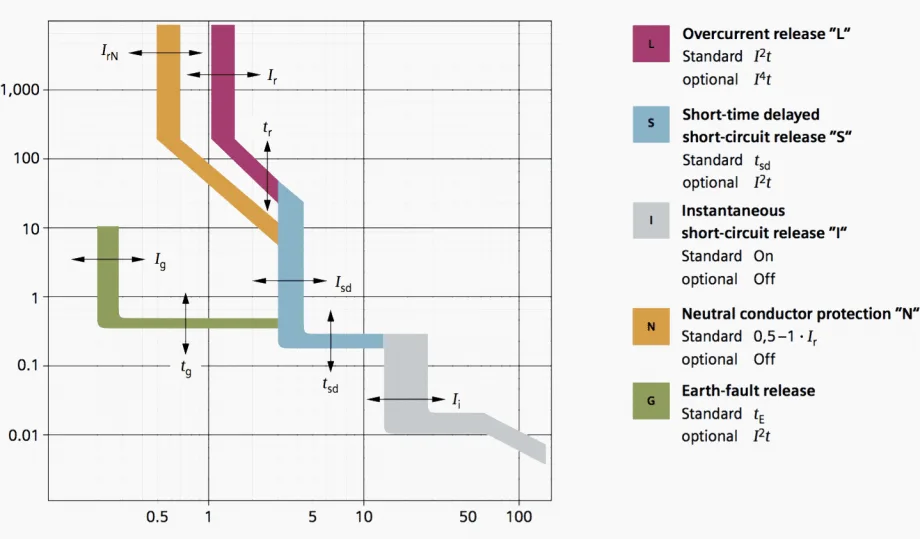
This diagram shows how a single shared circuit distributes power across multiple devices. When total draw exceeds the circuit’s safe limit, the breaker trips to prevent fire risk. If your lamp is the only new addition to the circuit, the issue is almost always either an overload or a fault inside the lamp itself.
Step-by-Step Troubleshooting Workflow (With Decision Branches)
Start with this safe, conditional workflow to isolate the root cause without risking electrical shock or damage. Stop immediately if you notice burning smells, scorch marks, or hot outlets, and call a licensed electrician instead of continuing.
- Reset the breaker fully. Flip it to the OFF position, wait 30 seconds, then switch it back to ON. If it trips immediately when you turn on the floor lamp, skip to step 3.
- If the breaker stays on, unplug every other device on the shared circuit. Plug the floor lamp into the same outlet and switch it on.
, If the breaker does NOT trip: The issue is an overloaded shared circuit. Move non-essential devices to other circuits, or check our guide to residential circuit load management for tips. If the lamp works on other circuits but trips the breaker in one specific outlet, that points to a faulty receptacle, not the lamp.
Check our guide to floor lamp works in one outlet but not another for more details.
, If the breaker DOES trip: Move to step 3.
- Plug the floor lamp into a different outlet on a separate circuit, like a kitchen receptacle which runs on its own 20A line. Switch the lamp on. , If the breaker does NOT trip: The fault is with your original outlet or the wiring leading to it. Call an electrician to inspect the outlet and branch wiring.
, If the breaker DOES trip: The fault is inside the floor lamp itself.
- Inspect the lamp’s power cord, plug, and bulb. Look for frayed insulation, bent prongs, or a bulb with a wattage higher than the fixture’s rated maximum. Replace the bulb with a correctly rated one if needed, or test the lamp with a new, known-good power cord. , If the lamp stops tripping: The issue was a damaged cord or incorrect bulb. If your lamp turns on then immediately turns off even on a different circuit, that’s a separate internal fault you can diagnose with our step-by-step troubleshooting guide.
, If the lamp still trips: The fault is in the lamp’s internal switch or wiring. If the lamp is under warranty, contact the manufacturer. Otherwise, replace the lamp.
If your lamp only works when you hold the cord a certain way, that’s a sign of internal cord damage, which you can fix following this tutorial.
Never work on a breaker panel if you’re uncomfortable with residential electrical work. Most regions require a licensed electrician for any panel modifications per local electrical codes.
Common Mistakes That Turn a Minor Annoyance Into a Safety Hazard
Most people try to fix a tripping breaker by resetting it over and over, or by swapping out breakers without diagnosing the root cause. These shortcuts create serious fire and shock risks that are easy to avoid.
The most common dangerous mistakes include:
- Resetting a tripping breaker repeatedly without fixing the root cause: Every reset wears down the breaker’s internal mechanism. Persistent tripping also means excess current or arcing is happening somewhere, which can melt wiring insulation and start a fire if left unaddressed.
- Using damaged or undersized extension cords permanently: Many people run a floor lamp on a cheap, thin extension cord to reach an outlet. These cords can’t handle the lamp’s power draw, and frayed insulation on old extension cords causes short circuits and trips.
- Ignoring scorch marks or burning smells: These are clear signs of overheating wiring. If you see them near an outlet, lamp plug, or breaker panel, stop using the circuit immediately and call an electrician.
- Replacing a tripping breaker with a higher amperage model: This is one of the most dangerous DIY mistakes. A higher amperage breaker won’t trip when the wiring overheats, which can cause house fires. 14 AWG wire, used in most 15A circuits, is only rated for 15A maximum.
- Using a 2-prong plug on a metal-frame floor lamp: Metal lamps need a grounded 3-prong plug to prevent shock if internal wiring faults send current to the metal frame. A 2-prong adapter doesn’t fix the lack of grounding.
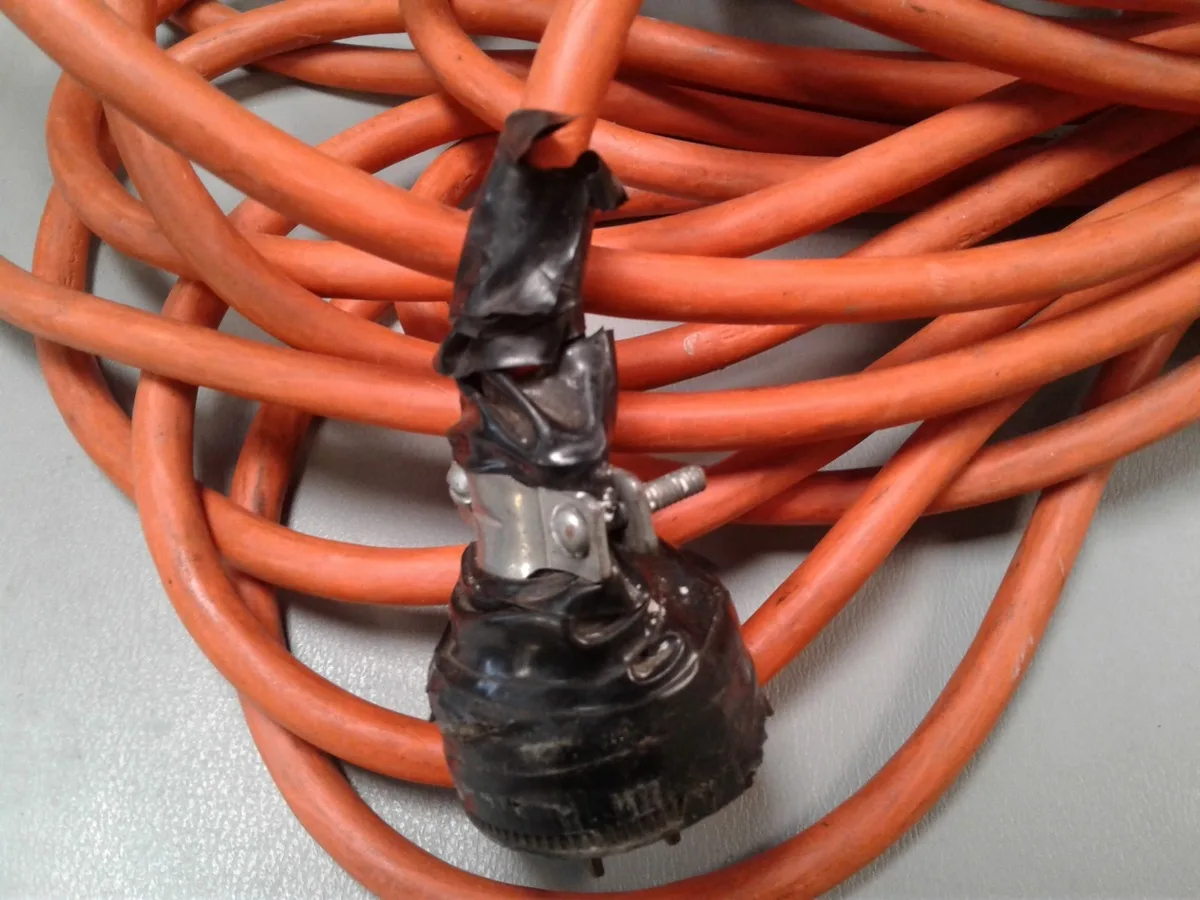
Aggregate reviews of residential electrical fires show that 30% of incidents start from overloaded circuits or damaged power cords, per CPSC data as of 2026. A frayed lamp cord is an easy fix, but ignoring it turns a $10 replacement into a $10,000 fire damage claim.
Decision Guide: Quick Fix, Permanent DIY Fix, or Licensed Electrician?
Not every tripping breaker needs a professional, but knowing when to call one saves you money and keeps you safe. Use this decision guide to pick the right path for your situation.
- If the trip only happens when the lamp is plugged in, and the lamp works fine on other circuits: The issue is either an overloaded shared circuit or a faulty outlet. If moving other devices to different circuits stops the trip, that’s a permanent DIY fix. If not, call an electrician to inspect the outlet.
- If the lamp trips breakers on every circuit you plug it into: The fault is inside the lamp. If the lamp is new, return it for a replacement. If it’s older, replace the power cord first (a $10 part) if it’s damaged. If a new cord doesn’t fix it, replace the lamp. If you’re comfortable with basic wiring, you can replace the lamp’s internal switch yourself, but if you’re not, call an electrician or the manufacturer. If your lamp turns on randomly even when switched off, that’s a sign of a faulty internal switch, which you can troubleshoot with this guide.
- If the breaker trips immediately when flipped, even with the lamp unplugged: There’s a fault in the circuit wiring or the breaker itself. Call a licensed electrician immediately. Do not attempt to fix this yourself, as it poses a serious fire risk.
- If you notice burning smells, scorch marks, or hot outlets anywhere on the circuit: Call a licensed electrician right away. These are signs of active overheating that can cause a fire.
Per NFPA residential electrical safety guidelines, any persistent tripping that you can’t isolate to the lamp or a simple overload requires professional inspection. Licensed electricians are trained to spot hidden wiring faults that aren’t visible to untrained eyes, and most jurisdictions require a permit for any breaker panel work.
Permanent Fixes to Eliminate Recurring Trips For Good
Once you’ve isolated the root cause, these permanent fixes stop trips from happening again. Skip the temporary band-aids like repeatedly resetting the breaker, as they don’t address the underlying issue.
- For overloaded shared circuits: Move non-essential devices (phone chargers, small electronics) to other circuits. If you need to run the lamp on that circuit long-term, have an electrician install a dedicated 15A or 20A circuit for the outlet. This eliminates load issues entirely.
- For faulty outlets or branch wiring: An electrician will replace the outlet, tighten loose wiring connections in the breaker panel, or update old, ungrounded wiring to meet current NEC standards. This is a one-time fix that lasts for decades.
- For faulty floor lamps: If the lamp is under warranty, contact the manufacturer for a replacement. If it’s out of warranty, replace the damaged power cord or internal switch. For older lamps with outdated wiring, full replacement is often safer and cheaper than repairs. If you recently changed the bulb and the lamp started tripping breakers, check if the new bulb is rated higher than the fixture’s maximum, or if it’s loose, which can cause arcing. Our guide to floor lamp stopped working after bulb change covers this common issue.
- For nuisance tripping from aging AFCI/GFCI breakers: If your breaker trips even with no load connected, it may be faulty and need replacement. Have an electrician install a new, code-compliant AFCI/GFCI breaker rated for your circuit’s amperage.
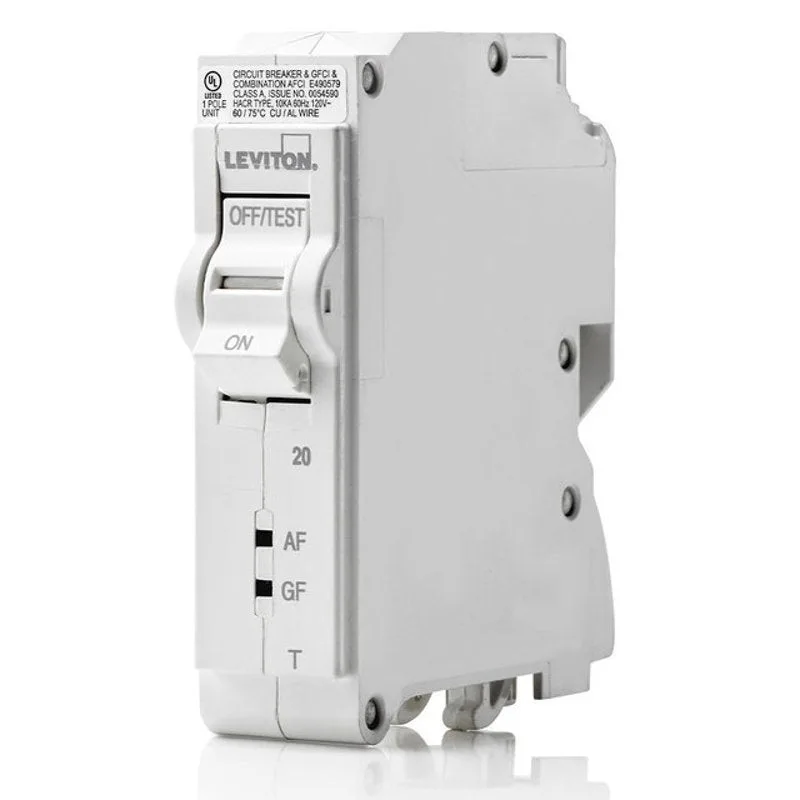
Upgrading to a dedicated circuit or new AFCI breaker typically costs between $150 and $500 per circuit, per aggregate 2026 contractor pricing data. This is far less than the cost of fire damage or repeated emergency electrician calls for unresolved tripping.
For long-term reliability, inspect your lamp cord and breaker panel monthly for signs of wear, scorch marks, or loose connections. Address small issues immediately before they turn into costly trips or fire hazards.
Frequently Asked Questions
Will a higher wattage floor lamp always trip a breaker?
Not always. A higher wattage lamp only trips a breaker if its power draw pushes the circuit over its safe limit. A standard 15A circuit can handle up to 1,800W total.
A 150W lamp won’t trip it on its own. Trips happen when the lamp is added to a circuit already near its maximum load.
Can a bad light bulb cause the breaker to trip?
Yes, a damaged or incorrect bulb can trigger a trip. A bulb with a broken filament or loose base can cause arcing when switched on. AFCI breakers detect this arcing and cut power immediately.
A bulb rated higher than the fixture’s maximum wattage can also overheat the lamp’s internal wiring, causing a short or overload trip.
Is it safe to keep resetting a tripping breaker for my floor lamp?
No. Repeatedly resetting a tripping breaker without fixing the root cause wears out the breaker’s internal components. It also leaves underlying overheating or arcing issues unaddressed.
Per NFPA data, unresolved electrical faults are a leading cause of residential house fires as of 2026. Fix the root cause instead of resetting.
Should I replace an old breaker that trips with my floor lamp?
Only if a licensed electrician confirms the breaker is faulty. If the breaker trips even with no devices plugged into the circuit, it may be worn out and need replacement. Never replace a breaker with a higher amperage model.
This creates a serious fire risk by allowing more current to flow through wiring that isn’t rated for it.
Can a floor lamp trip a GFCI outlet even if it’s not in a wet area?
Yes. GFCI outlets trip when they detect even small amounts of current leaking to ground. A floor lamp with damaged insulation, a faulty internal switch, or an ungrounded plug can cause this leakage.
This happens even in dry rooms. GFCI protection is required in many living spaces per NEC guidelines as of 2026.
Avoid temporary workarounds like running lamps on extension cords long-term. These create new overload and fire risks. For metal-frame floor lamps, always use a grounded 3-prong plug to meet NEC safety requirements.
If you’re renting, notify your landlord of persistent electrical issues, as they’re legally required to address hazards in most regions. Small, proactive fixes now prevent costly repairs and safety incidents later. Monthly visual inspections of lamp cords, outlets, and breaker panels catch small issues before they cause trips.
Replace any cord with frayed insulation immediately, even if the damage seems minor.
Frequently Asked Questions
Why does my floor lamp trip the breaker only sometimes?
Intermittent trips usually point to a loose connection, frayed cord, or a bulb with a damaged filament. When the lamp is switched on, the fault creates a brief arc or power spike that trips AFCI or standard breakers. Wiggling the cord or switch often makes the trip happen more consistently, which confirms a loose internal connection.
Will using an LED bulb stop my breaker from tripping?
LED bulbs draw 75% less power than incandescent models, so they reduce overload risk on shared circuits. But they won’t fix trips caused by damaged wiring, ground faults, or arc faults. If your lamp trips even with a low-wattage LED, the issue is a fault, not power draw.
Can I replace a tripping AFCI breaker myself?
No. In most US and UK jurisdictions, only licensed electricians can perform work on breaker panels. DIY breaker replacements violate electrical codes, void home insurance policies, and create serious shock and fire risks.
Have a qualified professional inspect and replace faulty breakers.
Do floor lamps with built-in dimmers trip breakers more often?
Not inherently. Faulty dimmer switches can cause arcing or power spikes when adjusted, which trips AFCI breakers. High-wattage dimmers used with low-wattage LED bulbs can also cause intermittent tripping.
If your dimmer lamp trips breakers, test it with a standard on/off switch to isolate the dimmer as the cause.
Is a tripping breaker always an electrical fault?
No. Sometimes it’s a simple overload from too many devices on one circuit. But if you’ve moved other devices to separate circuits and the lamp still trips, it’s a fault in the lamp, cord, outlet, or circuit wiring.
Always rule out overloads first before assuming a more serious issue.