Bent Floor Lamp Plug Blade: How to Fix It Safely Right Now
If your floor lamp plug blade is bent, you’re probably staring at a lamp that won’t sit flush in the outlet, or worse, sparking when you try to plug it in. It’s a common annoyance from a yanked cord or a piece of furniture rammed into the plug. Most of the time, it’s a quick fix, but there are hard safety lines you don’t want to cross.
Per U.S. Consumer Product Safety Commission (CPSC) data, damaged electrical plugs contribute to roughly 5,000 residential fires each year in the U.S. as of 2026. We’ll walk you through exactly when you can safely straighten that bent blade, and when you need to replace the plug entirely, no guesswork required.

Image source: Web (Bing) / bmr.ca (Web image (fair-use with source credit))
Quick Answer
A bent floor lamp plug blade is repairable if the bend is under 10 degrees and insulation is undamaged. A bent 3-prong ground prong requires full plug replacement, no exceptions. Minor bends can be straightened with needle-nose pliers in 5 minutes or less.
Moderate to severe bends require replacing the plug head entirely. Always de-energize the circuit at the breaker before touching any plug components.
What a Bent Floor Lamp Plug Blade Actually Means (and Why It’s Not Just a Nuisance)
A bent floor lamp plug blade is almost always caused by physical stress on the plug. This happens when you yank the cord out by the plug instead of the cord, ram furniture into the plug, or drop a heavy object on it. The bend stops the plug from seating fully in the wall outlet, breaking the electrical connection and preventing the lamp from turning on.
In many cases, a loose bent plug causes arcing, where electricity jumps across the gap between the plug and outlet, creating sparks and excess heat.
This is far more than a minor annoyance. Loose plug connections are a top cause of preventable residential electrical fires, per U.S. CPSC data.
The bend also stresses the plug’s internal wiring, which can fray over time and expose live copper wires, creating a fatal electric shock risk. Even if the lamp still works with a bent plug, the loose connection often causes intermittent power, flickering, or tripped circuit breakers. The good news is that most minor bends are easy to fix yourself in minutes, no special skills required, as long as you follow basic safety rules.
Most floor lamps use a standard NEMA 5-15P 2-prong polarized plug in North America, or a BS 1363 3-prong plug in the UK. Both are engineered for a tight, secure fit in standard residential outlets, so even a small bend disrupts that fit and causes performance issues. If you’ve ever had to jiggle a plug to get a lamp to turn on, a bent blade is almost always the root cause.
If the issue is tied to cord damage rather than the plug itself, you may notice the lamp only works when you hold the cord a specific way, a sign of internal wire breakage that requires a different fix.
First: Run Through This 3-Step Decision Tree to See If You Can Fix It Yourself
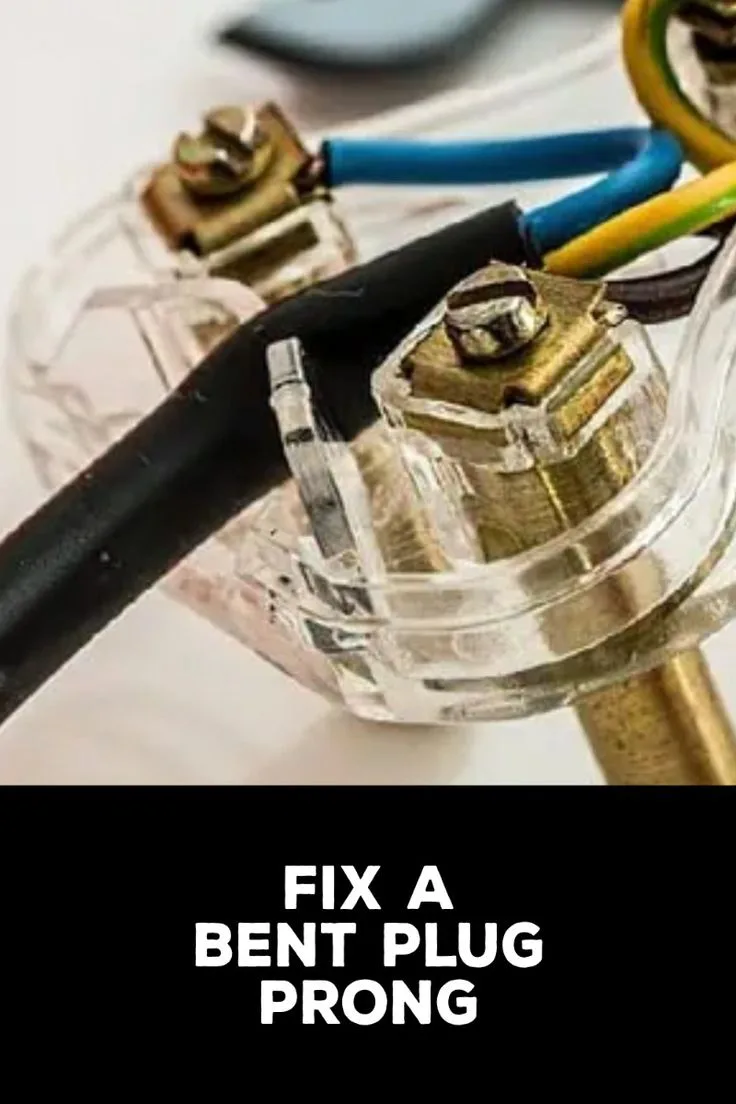
Image source: Bing (Web (fair-use with source credit))
The first call you need to make is whether the bend is even repairable, no guesswork required. Follow these three checks to rule out unsafe scenarios before you touch any tools.
First, measure the bend angle. Hold a straight edge up to the plug blades, or use a protractor for accuracy. Use the thresholds below to gauge severity:
| Bend Severity | Measurement | Repairable? |
|---|---|---|
| Minor | Less than 10 degrees of bend, no cracks or fraying in insulation | Yes, straighten with pliers |
| Moderate | 10–45 degrees of bend, no insulation damage | Yes, replace the plug head |
| Severe | Over 45 degrees of bend, or any cracked/frayed insulation | No, replace the entire plug |
Second, inspect the plug insulation. Look for cracks, melting, or exposed copper wires around the plug base. Any damage to the insulation means the plug is no longer safely rated for use, so replace it entirely.
Third, check your plug type. If you have a 2-prong polarized plug and it passes the first two checks, you can move forward with a repair. If you have a 3-prong grounded plug, any bend to the round top ground prong is an automatic replacement requirement, per U.S.
CPSC safety rules. If your lamp has other electrical issues beyond the plug, check out our guide to common floor lamp power problems to rule out additional faults.
Step-by-Step Fixes for Repairable Bent Plug Blades (No Electrician Needed)
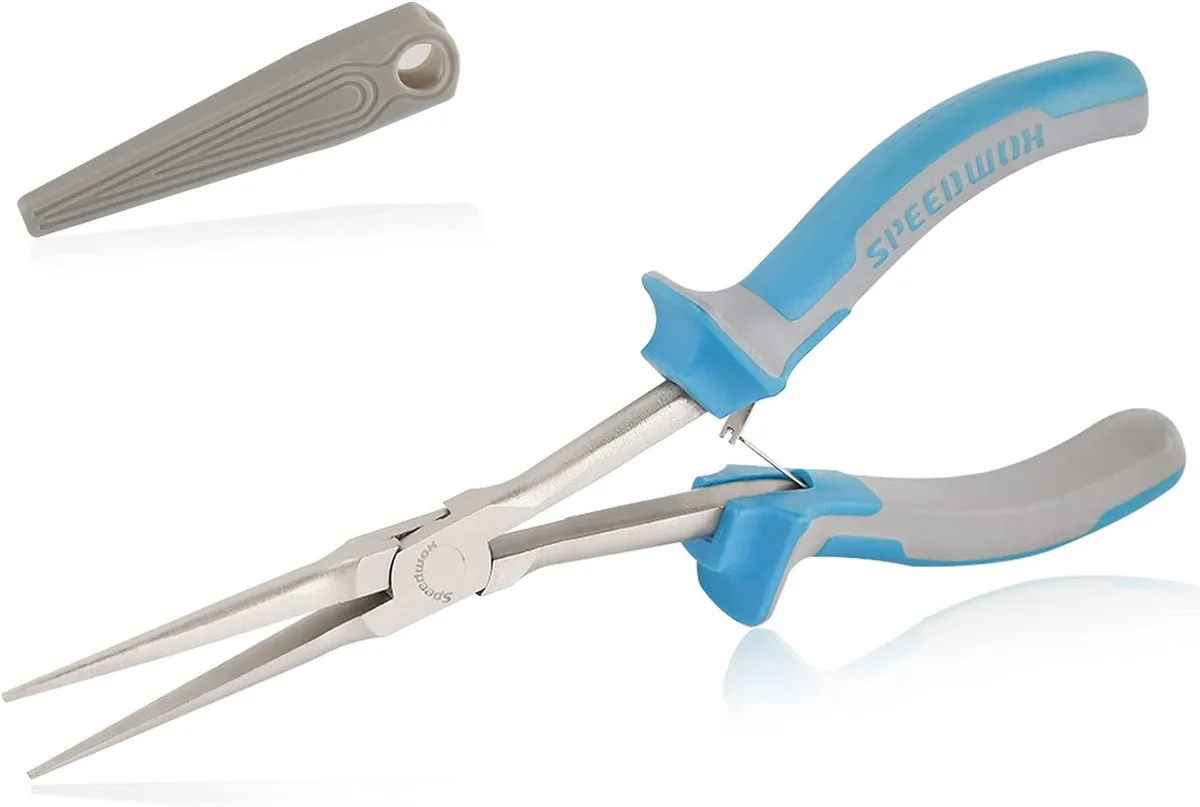
Image source: Bing (Web (fair-use with source credit))
If your plug passes the decision tree checks, you can fix it in 10 minutes or less with basic tools. You’ll need a few supplies on hand before you start:
- Needle-nose pliers or a dedicated plug bend corrector tool
- Non-contact voltage tester
- Wire strippers (only if replacing the plug head)
- UL-listed plug repair kit matching your plug type (2-prong or 3-prong)
- Phillips-head screwdriver
Follow these steps in order, no skipping:
- Turn off the breaker for the outlet your lamp uses. This eliminates risk of electrocution while you work.
- Test the outlet with your voltage tester to confirm no live current is present.
- For minor bends, grip the bent blade gently with pliers. Apply slow, even pressure to straighten it back to its original position. Don’t force the metal, as this can snap the blade or damage the internal connection.
- If the bend is moderate or the plug housing is cracked, replace the plug head: strip ½ inch of insulation from the lamp cord, connect the black hot wire to the brass screw, white neutral wire to the silver screw, and ground wire (if present) to the green screw. Tighten all screws to 3, 5 inch-pounds to avoid loose connections.
- Plug the repaired or new plug into the outlet, confirm it seats fully with no wobble, then turn the breaker back on and test the lamp.
Plug repair kits cost $3, $8 USD as of 2026, a tiny fraction of the cost of a new floor lamp. If the lamp still doesn’t turn on after a successful plug repair, check out our troubleshooting guide for non-functioning floor lamps for next steps. If you recently experienced a power outage before the plug damage, our guide to post-outage lamp issues may help you rule out additional faults.
When to Skip DIY: Replace the Plug, Call a Pro, or Swap the Whole Lamp
Image source: Bing (Web (fair-use with source credit))
There are clear scenarios where DIY repair is off the table, for your safety and to avoid costly damage. First, if you have a 3-prong plug and the round ground prong is bent at all, you must replace the entire plug. The ground prong is a critical safety feature that protects against electric shock, and a bent one can’t be safely straightened per CPSC guidelines.
Second, if the plug insulation is cracked, frayed, or melted, or you see scorch marks on the plug or outlet, stop immediately. These are signs of arcing damage that can cause a fire if you try to repair the plug.
If the rest of your lamp is in good shape, replacing the plug yourself with a UL-listed kit is still a cheap, easy fix. If you’re uncomfortable working with basic household electricity, hire a licensed electrician, which costs $100, $200 on average. That’s still far less than a new mid-tier floor lamp, which runs $100, $300 as of 2026.
Only replace the entire lamp if the cord is damaged beyond the plug, or the lamp has other failing components like a broken socket or switch. If you notice the lamp only works when you hold the cord a specific way, that’s a sign of internal cord damage, so review our guide to cord-related lamp issues before deciding to replace the whole fixture. Also, check your local rental property rules: some U.S. states require a licensed electrician for all electrical repairs, even simple plug replacements.
If your lamp works in one outlet but not another, the issue may be with the outlet rather than the plug, so check our outlet troubleshooting guide first.
Common Mistakes That Turn a Small Bend Into a Major Fire or Shock Hazard
Even a repairable bend can become dangerous fast if you skip basic safety steps or cut corners. We’ve seen small, fixable issues turn into shock or fire hazards from simple, avoidable errors. These are the mistakes you absolutely cannot afford to make.
The most common error is skipping the breaker shutoff step. Never work on a plug while the circuit is live, even if you think the lamp is unplugged. A live plug can deliver a fatal 120V shock in a fraction of a second, no warning required.
Always use a non-contact voltage tester to confirm the outlet is dead before you touch any metal parts.
Another frequent misstep is forcing a bent 3-prong ground prong straight. The ground prong is a required safety feature per National Electrical Code standards. Bending it weakens its ability to carry stray current away from the lamp’s metal parts.
A straightened ground prong often has micro-cracks that cause arcing, which can ignite nearby insulation. If your 3-prong plug’s ground prong is bent, replace the entire plug, no exceptions.
Skipping the insulation inspection is another costly mistake. A small bend might seem like the only issue, but if the plug’s insulation is cracked or frayed, the internal copper wiring is likely exposed too. Exposed live wires can short against the plug housing, sparking a fire or delivering a shock when you touch the plug.
Any sign of insulation damage means full plug replacement, no straightening allowed.
Using non-UL listed plug repair parts is a risk most people don’t think about. Cheap unbranded plug kits often have undersized screws, thin metal blades, and poor insulation that can overheat under normal use. Always buy a plug repair kit with a UL listing to ensure it meets U.S. electrical safety standards as of 2026.
If your lamp has a damaged cord that only works when held a certain way, that’s internal wire damage, not a plug issue, so check our guide to cord-related lamp faults before attempting a plug repair.
Frequently Asked Questions: Bent Floor Lamp Plug Blade Edge Cases
Can I straighten a bent floor lamp plug blade myself?
Yes, if the bend is under 10 degrees and the plug insulation is undamaged. Use needle-nose pliers to apply slow, even pressure, avoiding force that could snap the metal. Always turn off the breaker and test the outlet for power before touching any plug components.
For bends over 10 degrees or any insulation damage, replace the plug entirely instead of straightening.
Is a bent 3-prong plug ground prong repairable?
No, a bent 3-prong ground prong requires full plug replacement, no exceptions. The ground prong carries stray current away from the lamp’s metal parts to prevent electric shock. Straightening it weakens the metal and creates micro-cracks that cause arcing, a major fire and shock hazard per U.S.
CPSC safety guidelines. Never attempt to bend a ground prong back into place.
How much does it cost to fix a bent floor lamp plug?
A DIY plug repair with a UL-listed kit costs $3 to $8 USD as of 2026, taking 5 to 15 minutes. Hiring a licensed electrician for a plug replacement runs $100 to $200 on average. Replacing the entire floor lamp costs $100 to $300 for a mid-tier model, so repairing the plug is almost always the more affordable option if the lamp is otherwise functional.
Will a bent plug cause a fire?
Yes, a severely bent plug can cause a fire if it creates a loose connection that arcs. Arcing generates extreme heat that can ignite nearby insulation or surrounding materials. Even minor bends that cause intermittent power or tripped breakers signal a loose connection that poses a fire risk over time, per [U.S.
CPSC electrical safety guidelines](https://www.cpsc.gov/safety-education/safety-guides/home/electrical-safety). Replace any bent plug that shows signs of scorching, melting, or sparking immediately.
When should I replace the entire floor lamp instead of just the plug?
Replace the whole lamp only if the cord is damaged beyond the plug, or the lamp has other failing components like a broken socket or switch. If the lamp only works when you hold the cord a certain way, that’s internal wire damage, so check our guide to cord-related lamp faults first to confirm the issue is limited to the plug.
Do I need an electrician to fix a bent lamp plug?
You do not need an electrician for minor straightening or plug replacement if you follow basic safety rules, like turning off the breaker and using UL-listed parts. Some U.S. states require a licensed electrician for all electrical repairs in rental properties, so check local regulations before starting DIY work. If you are uncomfortable working with household electricity, hire a pro for a low-cost, safe fix.