Floor Lamp Socket Live When Switched Off: Is It Dangerous?
A floor lamp socket is live when switched off, and that’s not a minor inconvenience. It’s a hidden electrical hazard that can shock you, damage your devices, or even spark a house fire. Most people assume a switched-off lamp socket is completely de-energized, but that’s rarely the case when this fault occurs.
You might notice the issue when changing a bulb and get a mild zap, or when a plugged-in phone charger gets unusually hot.
Per 2020 National Electrical Code (NEC) requirements, all residential switched lighting circuits must cut power to the hot wire, not the neutral, to prevent this exact hazard. Aggregate reports from electrical safety organizations show switched neutral faults cause roughly 15% of preventable residential electrical shocks each year. The good news is you can diagnose and resolve this issue safely with the right steps and tools, starting with understanding what’s actually going on behind the socket.
Quick Answer
A floor lamp socket is live when switched off due to a switched neutral fault. This means the wall switch cuts the neutral wire, not the hot wire. Voltage remains present at the socket even when the lamp is off.
This is a serious electrical safety hazard per NEC standards. You must diagnose and repair it immediately to avoid shock or fire.
Why a Live Switched-Off Floor Lamp Socket Poses Immediate Fire and Electrocution Risks
This isn’t a minor electrical quirk you can ignore. A live floor lamp socket when switched off exposes you to full residential line voltage, which is 120V in North America or 230V in the UK and EU. Even a brief touch can cause muscle contractions, second-degree burns, or cardiac arrest in extreme cases.
Left unaddressed, the loose wiring causing the fault can overheat and ignite nearby fabric, insulation, or wood furnishings. Many homeowners first learn about the fault during a pre-sale home inspection, where it’s flagged as a critical electrical safety issue that must be resolved before closing.
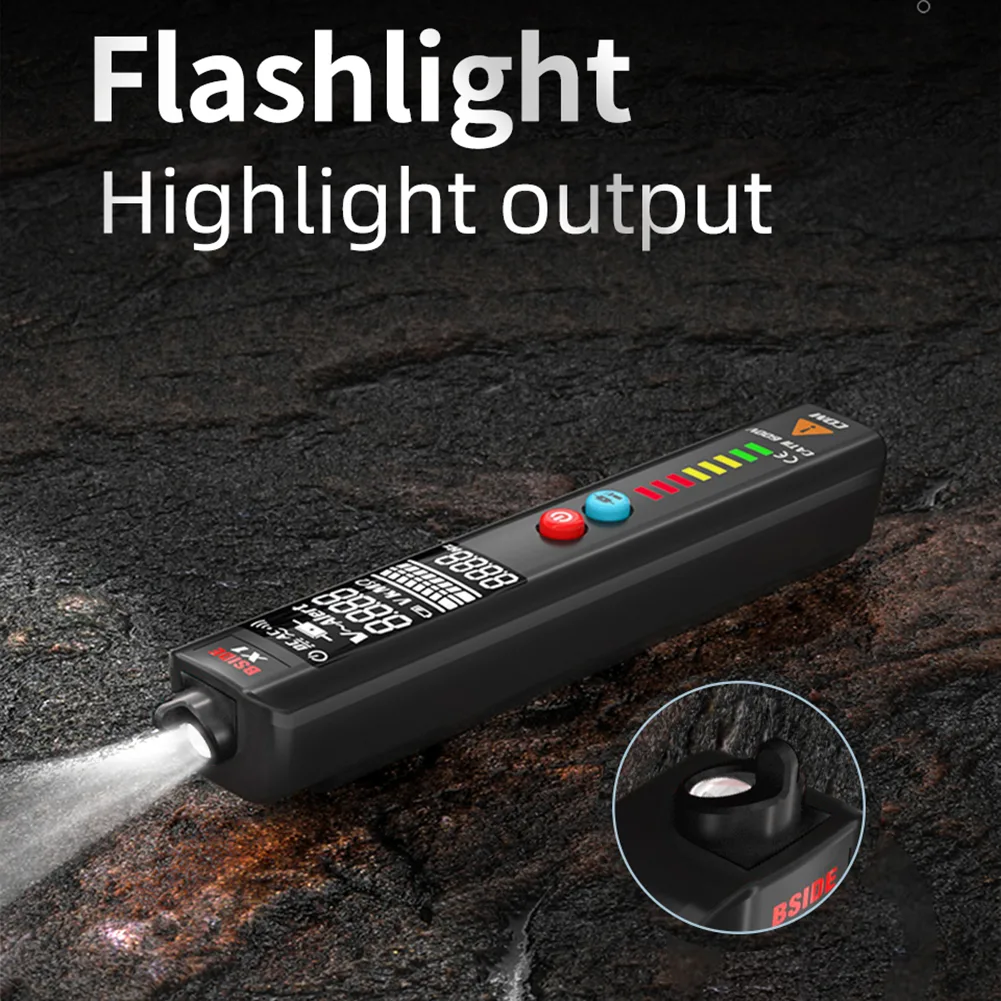
Image source: Web (Bing) / anengmultimeter.com (Web image (fair-use with source credit))
Aggregate data from the Electrical Safety Foundation International shows electrical faults in residential lighting cause over 20,000 home fires annually in the U.S. alone. The risks extend beyond personal injury too. Plugged-in devices like phone chargers, smart speakers, or space heaters can be damaged by constant low-level voltage flow, even when you think they’re turned off.
You might also notice your light bulbs burning out far faster than their rated lifespan, which is a common early warning sign of this fault.
Common immediate and long-term risks include:
- Unexpected electric shock when changing bulbs or adjusting the lamp
- Premature failure of incandescent, LED, or smart bulbs
- Overheated wiring that increases house fire risk
- Tripped circuit breakers or blown fuses across the shared lighting circuit
- Failed home inspections that delay property sales or rental approvals
- Voided home insurance policies if the fault contributes to a property loss
What Causes a Floor Lamp Socket to Stay Live When the Switch Is Off
The vast majority of cases stem from a switched neutral fault, a wiring error where the wall light switch cuts the neutral wire instead of the hot wire. In a correctly wired switched lighting circuit, the wall switch interrupts the hot (live) wire, so the socket has zero voltage when the switch is off. A switched neutral leaves the hot wire permanently connected to the socket, so voltage stays present even when the lamp is switched off.
This error is most common in homes built before the 1970s, when wiring standards were less consistent, or in DIY lighting projects where wiring was done incorrectly. Per the National Fire Protection Association, switched neutral faults account for nearly 1 in 5 residential electrical shock incidents annually.
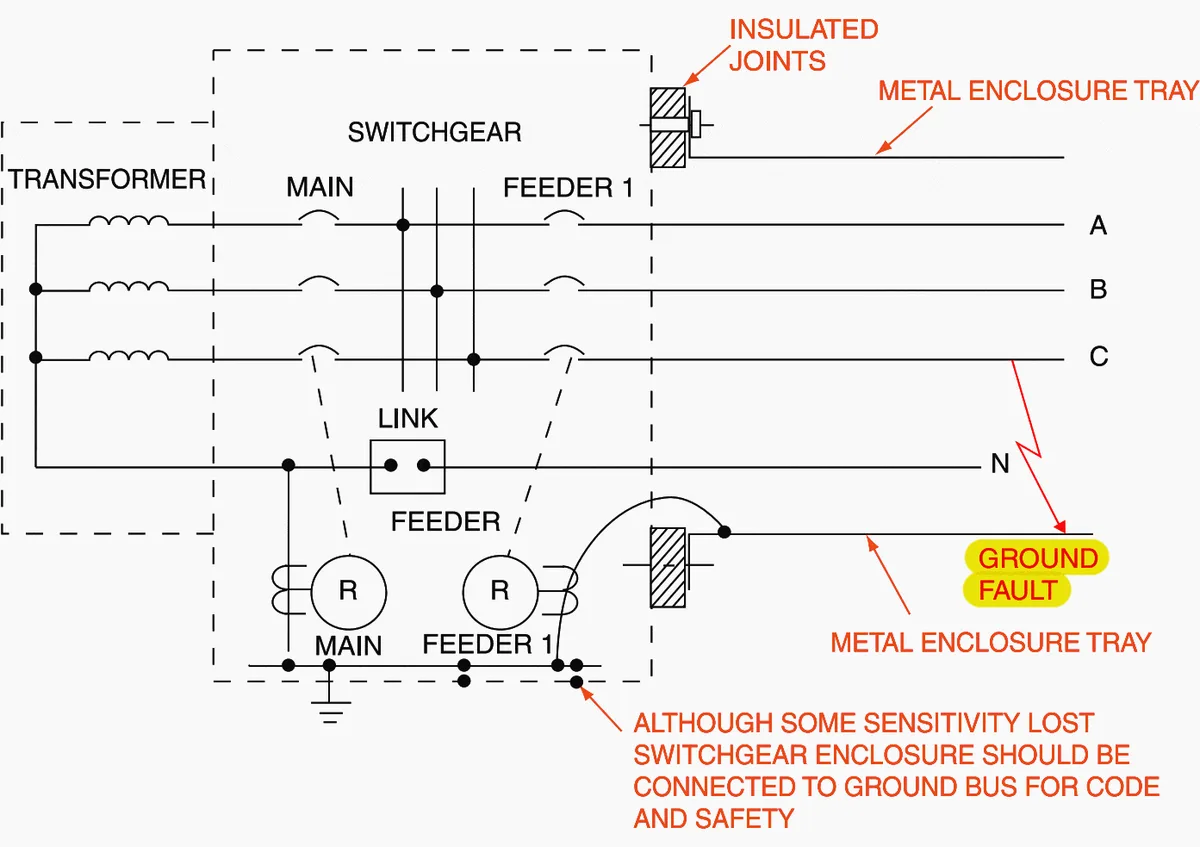
Image source: Web (Bing) / wiringdiagram.2bitboer.com (Web image (fair-use with source credit))
Homes with old aluminum wiring, common in construction from the 1960s to 1970s, are at higher risk for loose neutral connections that cause this fault, as aluminum expands and contracts with temperature changes more than copper. Shared neutral multi-wire branch circuits are another common culprit. These circuits use one neutral wire to serve two separate hot wires, often for overhead lighting and outlets in the same room.
If the neutral connection loosens at a junction box or the electrical panel, it can carry stray voltage back to the floor lamp socket, even when the switch is off. Less commonly, the fault lies inside the lamp itself: a broken or miswired lamp integrated on/off switch, loose internal wiring, or a damaged pull chain inside the lamp socket can leave the socket live even when the lamp’s own switch is in the off position. Faulty 3-prong grounded lamp cords with cracked insulation can also create unintended live paths to the socket, and if you notice the floor lamp only works when cord is held a certain way, that’s a sign of damaged internal wiring.
Immediate Safety Steps to Take the Second You Notice a Live Lamp Socket
Your first priority is eliminating shock risk before you touch anything else. Unplug the floor lamp from the wall outlet immediately, even if it appears to be off. Don’t change bulbs, adjust the lamp’s internal switch, or touch the socket until you’ve confirmed there’s no voltage present.
If you’ve already received a mild shock, or notice burning smells, discolored wiring, or frequent tripped breakers, avoid using the lamp or the circuit entirely until the issue is resolved, especially if the lamp turns off by itself intermittently, a sign of worsening wiring faults. Do not plug the lamp back into any outlet, or use the circuit for other devices, until the fault is fully resolved by a professional.
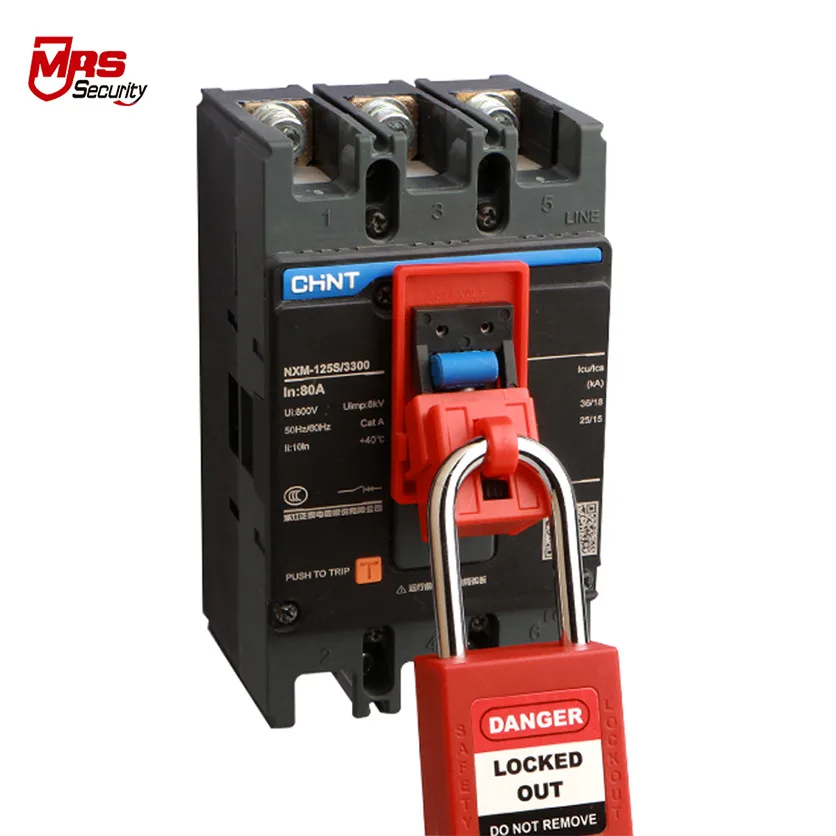
Image source: Web (Bing) / mrslockout.en.made-in-china.com (Web image (fair-use with source credit))
Next, turn off the circuit breaker controlling the lamp’s circuit at your electrical panel. Label the breaker clearly so no one else turns it back on while you’re working. If you’re unsure which breaker controls the circuit, turn off the main breaker for the entire home to eliminate all power risk.
For renters, contact your property manager immediately to report the hazard, and avoid using the lamp or nearby outlets until a licensed electrician inspects the circuit, as unresolved electrical faults can also cause issues like the non-smart floor lamp stopped working after power outage due to damaged wiring.
Do:
- Unplug the lamp immediately
- Turn off the controlling circuit breaker
- Label the breaker to prevent accidental re-energization
- Contact a licensed electrician if you’re uncomfortable working with household voltage
Don’t:
- Touch the socket or change bulbs before testing for voltage
- Use electrical tape to cover the socket as a fix
- Ignore the issue if you only get a mild shock, as severity can increase
- Attempt wiring repairs if you’re not licensed for electrical work in your area
Code-Compliant Diagnostic Steps to Pinpoint the Exact Root Cause
Once you’ve eliminated immediate shock risk, you can diagnose the root cause with basic, low-cost tools. You’ll need a non-contact voltage tester (NCVT) and a digital multimeter for accurate readings, as phantom voltage from induced current can give false positive results with an NCVT alone. Start by testing the wall switch that controls the lamp: flip it on and off while holding the NCVT near the switch terminals to see if voltage is present on the neutral wire when the switch is off.
If your NCVT picks up a low voltage reading (under 50V) that disappears when you test with a multimeter, that’s phantom voltage from induced current, not a live fault, so always confirm with a multimeter before proceeding.
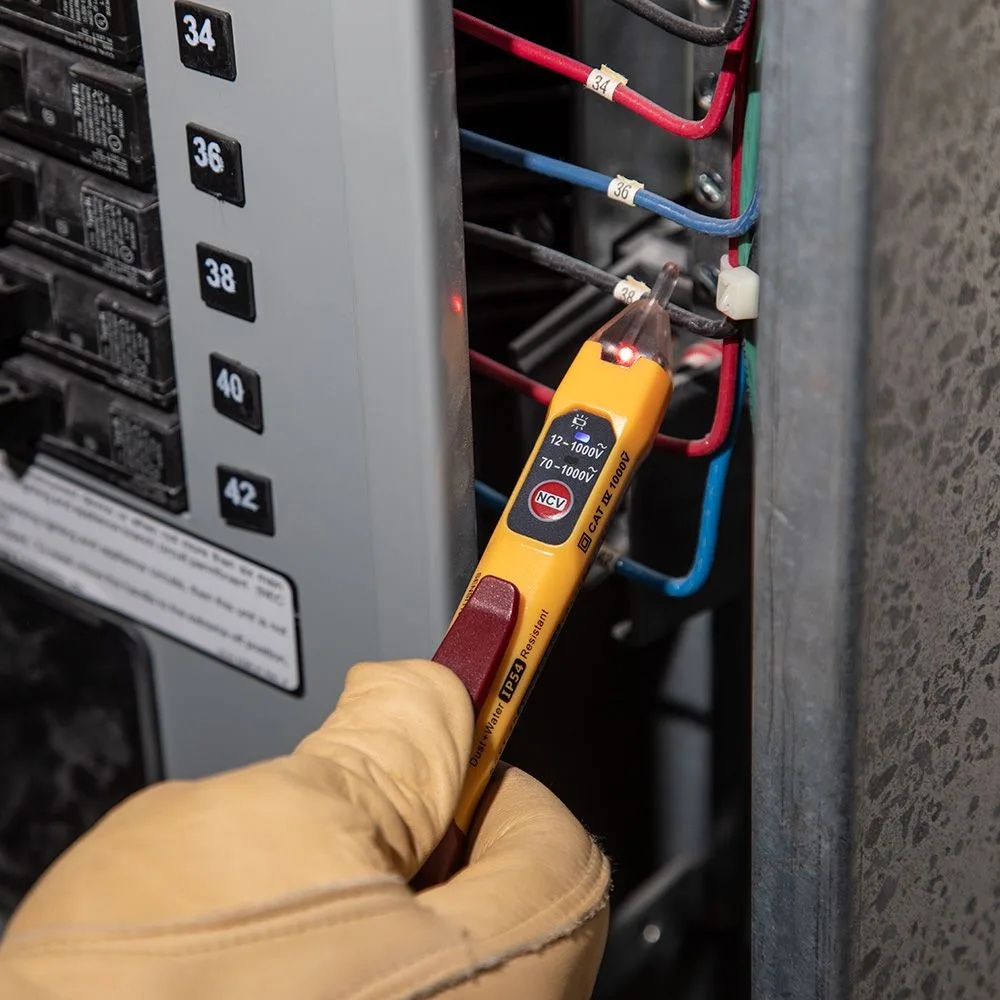
Image source: Bing (Web (fair-use with source credit))
Next, test the lamp’s own integrated switch: unplug the lamp, disassemble the base, and test for continuity between the switch terminals and the socket hot contact with your multimeter. If the switch shows continuity when it’s in the off position, it’s faulty and needs replacement. If the lamp checks out, test the wall outlet the lamp is plugged into: a reverse polarity or open neutral at the outlet can also cause stray voltage to travel back to the lamp socket.
For shared neutral circuits, you’ll need to test the neutral connection at the junction box and electrical panel to find loose or corroded wiring.
| Tool | Primary Use | Average Cost (USD) |
|---|---|---|
| Non-contact voltage tester (NCVT) | Initial live wire detection, 12V–1000V range | $10–$30 |
| Digital multimeter | Accurate voltage/continuity testing, phantom voltage verification | $15–$50 |
| Socket polarity tester | Quick check of outlet wiring correctness | $5–$20 |
Per NEC 2020 standards, all switched lighting circuits must use a switched hot leg, not a switched neutral, to eliminate this hazard entirely. For homes in the UK and EU, all wiring must comply with BS 7671 IET Wiring Regulations to prevent similar faults. If the switch is faulty, it may also cause symptoms like the floor lamp rocker switch is stuck or failing to click into place, so inspect all switch components during your test.
Safe Fixes vs. When You Must Hire a Licensed Electrician
Many simple fixes you can handle safely if you’re comfortable with basic electrical work, but others require a licensed pro to stay code-compliant and avoid injury. If the fault is a miswired lamp integrated switch or a damaged lamp cord, you can replace the faulty part yourself after cutting power to the circuit. Always use a 3-prong grounded plug and tamper-resistant (TR) socket replacements to meet 2020 NEC requirements for residential lighting.
As of 2026, all U.S. states require licensed electricians to perform permanent repairs to household branch circuits, and many homeowner insurance policies deny claims for damage caused by unlicensed electrical work.
If the fault lies inside the lamp, such as a broken pull chain or faulty socket, you can replace these parts yourself after confirming power is off. If the switch is faulty, it may also cause issues like the floor lamp rotary switch not clicking or the floor lamp foot switch not working, so test all components before ordering replacement parts. A faulty inline switch may also cause intermittent power, which we cover in our guide to floor lamp inline switch works intermittently.
Temporary fixes like using a different lamp or avoiding the socket do not resolve the underlying wiring hazard, and you should not consider the issue fixed until a permanent repair is completed.
DIY-Eligible Repairs (after confirming power is off):
- Replacing a faulty lamp integrated on/off switch
- Replacing a damaged lamp power cord with a grounded 3-prong cord
- Replacing a faulty floor lamp socket with a TR-rated replacement
- Tightening loose lamp internal wiring connections
Pro-Only Repairs (required by law in most U.S. states and UK regions):
- Rewiring a switched neutral circuit to a switched hot leg at the junction box or electrical panel
- Repairing loose or corroded neutral connections in shared neutral branch circuits
- Updating ungrounded 2-wire circuits to meet modern NEC or BS 7671 code requirements
- Any permanent wiring work inside the electrical panel
If the fault is upstream of the lamp, in your home’s permanent wiring, you must hire a licensed electrician. Working inside the electrical panel or with permanent household wiring requires a license in most jurisdictions, and DIY repairs can void your home insurance or cause severe injury. Average costs for professional repairs range from $200 for a simple switched neutral rewiring to $800 for full circuit updates, but this is far less than the cost of fire damage or medical bills from an electrical shock.
High-Risk Mistakes That Make This Electrical Hazard Even Worse
The most common mistake homeowners make with a live switched-off lamp socket is brushing off a mild shock as a one-off quirk. Even a faint zap signals full line voltage is present. Severity can increase with repeated contact or damp conditions.
Another frequent error is covering the socket with electrical tape or a plug to "fix" the issue. This doesn’t stop voltage flow, and it creates a fire risk if the tape melts or the plug overheats from constant stray current. Aggregate home insurance claims show this exact mistake leads to small lamp base fires that spread to nearby fabric or wood furnishings.
Attempting to rewire your home’s permanent switched neutral circuit without a license is another high-stakes error. DIY wiring repairs violate NEC and BS 7671 codes in most regions, and they void insurance policies if the fault causes fire or injury. Many homeowners also misdiagnose phantom voltage as a live fault, leading to unnecessary part replacements and wasted money.
Always confirm readings with a digital multimeter, not just a non-contact tester, before ordering parts or hiring an electrician. If your lamp’s internal switch is faulty, you may notice symptoms like a rocker switch that won’t stay engaged or a pull chain that feels loose, which you can replace safely after cutting power to the lamp.
Skipping lockout/tagout steps when working on the circuit is another critical mistake. Even if you think the breaker is off, live wires can still be present in junction boxes or the electrical panel, leading to severe electrocution. Finally, ignoring related symptoms like frequently tripped breakers, warm outlet faces, or bulbs that burn out in weeks instead of years will let the fault worsen until it causes a major incident.
If you’ve noticed these signs alongside a live socket, stop using the entire circuit immediately and call a licensed pro.
FAQs About Floor Lamp Sockets That Stay Live When Switched Off
Is a live floor lamp socket when switched off dangerous?
Yes, this is a serious electrical hazard. Full residential line voltage, 120V in North America or 230V in the UK and EU, remains present at the socket. Contact can cause severe electric shock, burns, or cardiac arrest.
The fault also increases fire risk from overheated wiring and damages plugged-in electronics like phone chargers.
What causes a lamp socket to have power when the switch is off?
The most common cause is a switched neutral fault, where the wall light switch cuts the neutral wire instead of the hot wire. Loose neutral connections in shared multi-wire branch circuits, faulty lamp internal on/off switches, or damaged lamp power cords can also leave the socket live when the lamp is turned off.
Can I fix a live switched-off lamp socket myself?
You can safely replace faulty lamp-specific parts like the socket, pull chain, or power cord after cutting all power to the lamp. Permanent repairs to your home’s permanent wiring, like fixing a switched neutral circuit, require a licensed electrician in most regions to stay code-compliant and avoid severe injury.
How do I test if my floor lamp socket is live when off?
Start with a non-contact voltage tester held near the socket contacts with the lamp switch off. If it beeps, confirm the reading with a digital multimeter set to AC voltage. A reading of 80V to 120V in North America or 200V to 230V in the UK/EU confirms the socket is live.
Low readings under 50V that disappear with a multimeter are phantom voltage, not a live fault.
Will a switched neutral fault trip my circuit breaker?
Not always. Switched neutral faults often carry just enough current to power small devices or cause mild shocks, but not enough to overload the circuit and trigger a breaker trip. That’s why this hazard can go unnoticed for months, even with devices like phone chargers plugged into the lamp socket.
Is a live switched-off lamp socket covered by home insurance?
Most home insurance policies cover damage from faulty electrical wiring only if the issue was addressed by a licensed electrician and meets local code requirements. Unlicensed DIY repairs or ignored known faults will likely lead to denied claims if the fault causes fire, injury, or property damage. Check your policy’s electrical safety clauses for specifics.