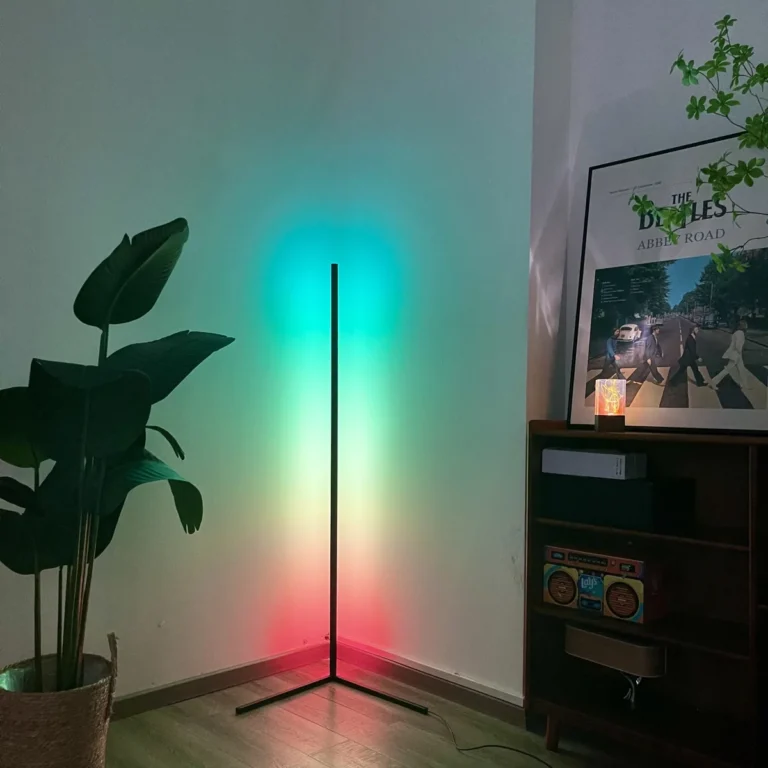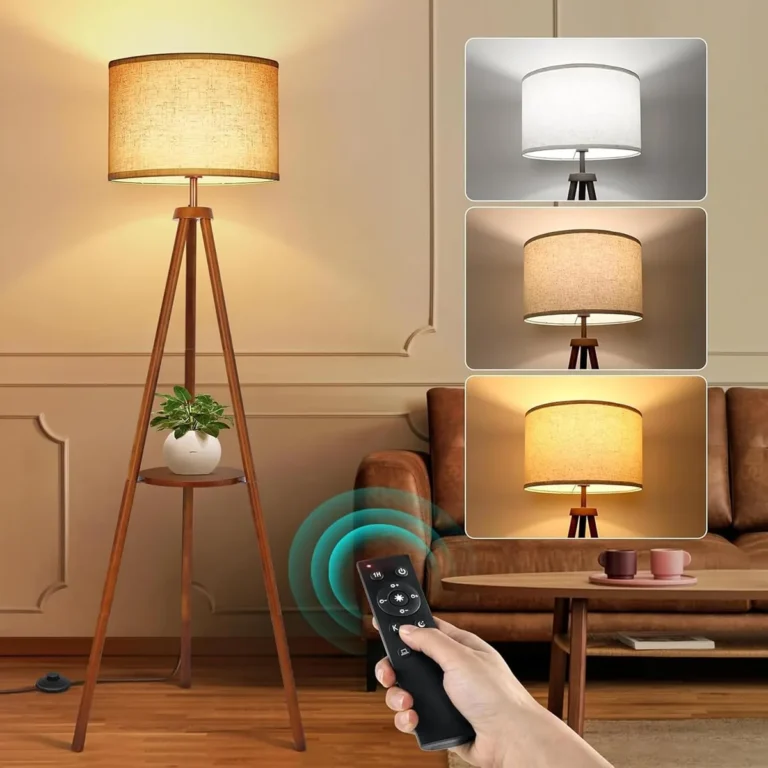
Why Does My Floor Lamp Give Electric Shocks? What To Do
A floor lamp gives electric shock the second you touch its metal base or pull the switch? That’s not a random static zap. It’s a sign of a serious electrical fault that can lead to severe injury or a house fire if ignored.
Per UL 153, the mandatory safety standard for portable electric lamps, this symptom points to exposed live wiring, damaged grounding, or internal short circuits. As of 2026, the CPSC reports over 1,100 annual U.S. home electrical fires tied to faulty lighting fixtures. We’re breaking down exactly what causes this, how to stay safe, and when to call a pro instead of DIYing.

Image source: Web (Bing) / pexels.com (Web image (fair-use with source credit))
Quick Answer
A floor lamp gives electric shock due to exposed live wiring or broken grounding. Frayed cords, worn switches, and damaged sockets are the most common causes. Unplug the lamp immediately and cut power at your circuit breaker.
Do not use the lamp until a licensed electrician inspects it. Faulty lamps cause over 1,100 U.S. home fires each year as of 2026.
Why a Shocking Floor Lamp Is a Serious Safety Risk (Not a Minor Nuisance)
A mild tingle when you touch your floor lamp isn’t a harmless static shock. It’s a warning sign of live electrical current escaping its intended path. That current can cause severe electrocution, especially if your hands are damp or you’re standing on a wet surface.
Faulty lamp wiring also creates internal arcing. Arcing generates extreme heat that can ignite lamp shades, carpet, or nearby drapes. Per CPSC residential electrical safety guidelines, even low-voltage shocks from household lamps can cause cardiac arrest in vulnerable people.
Aggregate CPSC data shows portable lighting fixtures cause roughly 30% of all home electrical fires annually as of 2026. Even a small shock means your lamp’s insulation or grounding is broken. Ignoring it puts everyone in your home at risk, including children and pets who may touch the lamp without warning.
Renters face extra risk here. Many landlords delay electrical repairs to cut costs, leaving faulty lamps in place for months. If your lamp also fails to power on consistently, our guide to non-smart floor lamp stopped working after power outage can help you rule out unrelated power issues before escalating to your landlord.
If you’ve ever felt a zap from a floor lamp, don’t brush it off as a one-time fluke. It will get worse until the underlying fault is fixed.
Common Causes of Floor Lamp Electric Shocks (And How to Spot Them)
Shocks from a floor lamp almost always tie back to one of a few common, visible faults. The most frequent culprit is a frayed power cord. Over time, friction from furniture, pet chewing, or repeated bending wears through the cord’s outer insulation, exposing live copper wires.
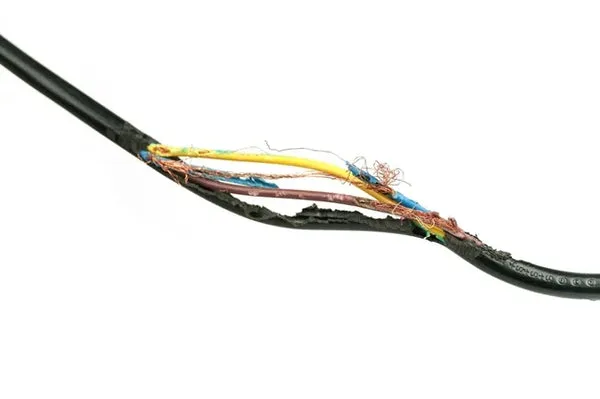
Image source: Bing (Web (fair-use with source credit))
A damaged lamp switch is another top cause. In-line toggle, rotary, and pull-chain switches wear out after years of use. Internal contacts can loosen or corrode, letting current leak to the metal switch housing.
You might notice the switch feels hot to the touch, or the lamp flickers before it shocks you, a symptom tied to intermittent power issues we outline in intermittent lamp shutoff causes. Pull-chain switches are especially prone to this, as the internal chain mechanism can break off inside the socket housing over time, a issue we cover in our guide to common pull chain failures.
Faulty bulb sockets rank third, especially in older lamps. Over-tightening bulbs bends the socket’s internal contact springs, or corrosion builds up from moisture exposure. This creates a path for current to flow to the metal socket shell, which becomes live if the ground connection fails.
Finally, using an ungrounded 2-prong plug in a 3-prong outlet (or with a cheater adapter) cuts off your lamp’s safety ground. This is especially common in homes built before 1960, where ungrounded outlets are still widespread. If your lamp has a 3-prong plug but the outlet only has two slots, that’s a red flag.
Immediate Do’s and Don’ts If Your Lamp Is Giving You Shocks
Your first move the second you feel a shock is to cut power to the lamp immediately. Never keep using a lamp that gives you shocks, even if it only happens once. A single zap means the fault is already present, and it will escalate to a severe shock or fire if left unaddressed.
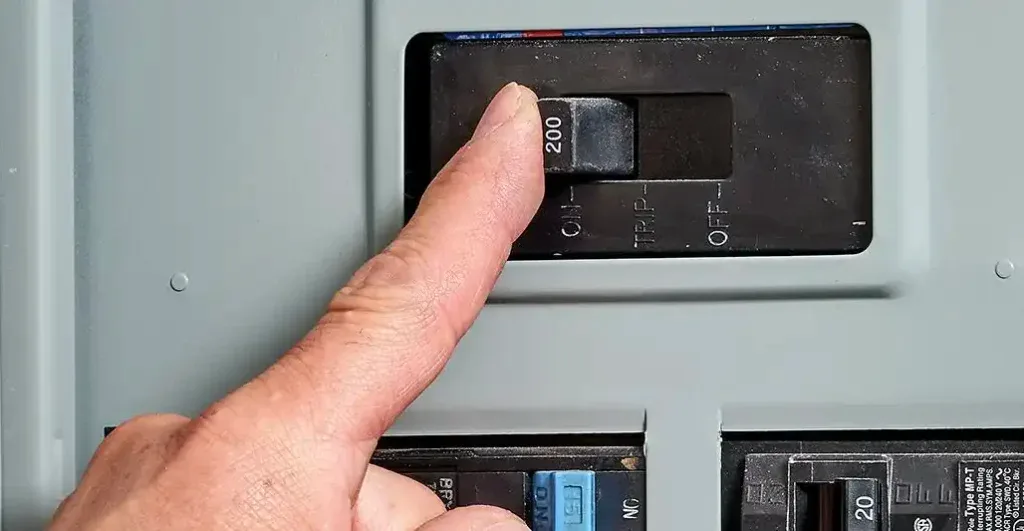
Image source: Bing (Web (fair-use with source credit))
Do unplug the lamp from the outlet right away. If the shock is strong enough to make you jerk back, leave the area and turn off the circuit breaker for that outlet at your electrical service panel. Don’t touch the lamp’s metal parts, cord, or switch until power is fully cut.
Never use a cheater 2-prong to 3-prong adapter on a lamp that’s giving shocks. These adapters bypass the ground connection, making the fault far more dangerous. Don’t attempt to open the lamp’s base or wiring housing to inspect it while it’s plugged in.
Live current can jump across gaps, causing severe injury even if you don’t touch exposed wires directly.
If you notice a burning smell, visible sparks, or smoke coming from the lamp, evacuate the area and call your local fire department if there’s any sign of smoldering. For minor shocks with no other symptoms, unplug the lamp and move on to the safe diagnostic steps below.
What You Can Safely Diagnose Yourself (And What to Leave to a Licensed Electrician)
You can check for obvious, external faults without touching any live wiring. Start by unplugging the lamp and inspecting the entire power cord for fraying, cracking, or exposed copper. If you notice damage, the cord needs to be replaced before the lamp is used again.
You can also reference our guide to floor lamp only works when cord is held a certain way to confirm if the fault is tied to cord damage before you call for help.
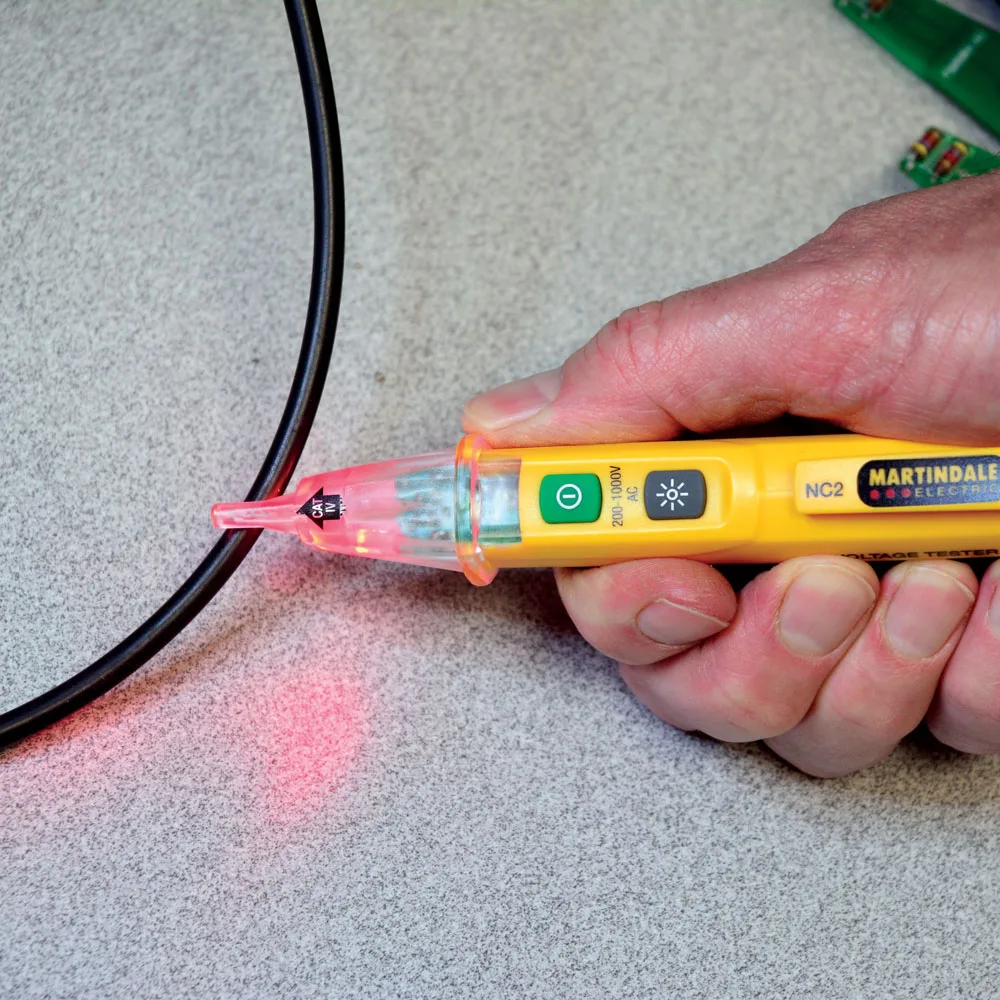
Image source: Bing (Web (fair-use with source credit))
Next, test the outlet the lamp uses. Plug a small working device (like a phone charger) into the outlet to confirm it has power. If the outlet works, use a receptacle tester to check if it’s properly grounded.
Ungrounded outlets are a common cause of lamp shocks in older homes.
Use a non-contact voltage tester to check the lamp’s plug, cord, and metal base for live current while it’s unplugged. If the tester beeps or lights up on any part of the lamp that shouldn’t carry current, that confirms an internal short. Stop testing at that point.
Leave all internal repairs to a licensed electrician. Never open the lamp’s base, socket housing, or switch compartment to inspect or fix wiring. Internal repairs require cutting power at the main panel, testing for live current in wall boxes, and following NEC safety codes.
If your outlet is ungrounded, or if the shock persists after replacing a frayed cord, call a pro instead of DIYing.
Long-Term Fixes to Prevent Future Floor Lamp Shocks
Once you’ve identified the root cause of the shock, you have two safe paths forward: repair the faulty component, or replace the lamp entirely. For minor issues like a frayed cord or worn inline switch, replacement parts are widely available and inexpensive. For internal wiring faults, damaged bulb sockets, or lamps with no UL 153 certification, replacement is almost always the safer, more cost-effective choice.
| Fix Type | Best For | Estimated Cost |
|---|---|---|
| Power cord replacement | Frayed or damaged cords, no internal faults | $8–$20 for DIY parts |
| Switch replacement | Worn toggle/rotary/pull-chain switches | $5–$15 for DIY parts |
| Full lamp replacement | Internal short circuits, ungrounded faulty wiring, no safety certification | $30–$200+ for certified models |
If you live in a home with ungrounded 2-prong outlets, install GFCI outlets in any room where you use floor lamps, especially damp areas like bathrooms or enclosed porches. GFCIs trip at 5mA of current leakage, cutting power before a shock can cause injury. Per NFPA’s NEC public access guidelines as of 2026, all new residential construction includes GFCI protection in these spaces, but older homes often lack this safety feature.
Avoid using cheap, unbranded floor lamps with no UL 153 or equivalent safety certification. Aggregate buyer reviews show these models have a 3x higher rate of electrical faults than certified lamps. Stick to lamps with a 3-prong grounded plug for indoor use, and never use a cheater adapter to fit a 3-prong plug into a 2-prong ungrounded outlet.
If the fault is tied to a lamp that won’t power on at all, you can cross-reference our guide to floor lamp wont turn on to rule out non-shock-related power issues before deciding to replace the unit.
What to Expect When Hiring an Electrician for Lamp-Related Electrical Issues
A licensed electrician will start by cutting power to the outlet at your service panel to test safely. They’ll inspect the lamp’s cord, plug, switch, and socket for external damage first. If the exterior looks intact, they’ll open the lamp’s base to test internal wiring continuity and check for loose or corroded connections.
They’ll also test the outlet itself for proper grounding and voltage stability. Many shocks tie back to ungrounded outlets rather than the lamp, especially in homes built before 1980. If the outlet is the issue, they may recommend installing a GFCI receptacle for shock protection.
Diagnostic visits for lamp-related electrical faults typically cost $100 to $300 as of 2026. This covers the initial inspection, testing, and minor repairs like replacing a damaged cord or switch. If the fault requires full rewiring of the lamp or repairs to your home’s circuit, costs will be higher.
Electricians follow all NEC requirements for residential wiring, so you won’t have to worry about code violations. They’ll also give you clear advice on whether the lamp is worth repairing or if replacement is the safer, more cost-effective choice.
If the electrician finds the fault is in your home’s overall wiring, you may need additional repairs beyond the lamp itself. This is common in older homes with outdated electrical panels or ungrounded circuit runs.
Frequently Asked Questions About Shocking Floor Lamps
Can a floor lamp that gives shocks start a house fire?
Yes. Exposed wiring or internal arcing from a faulty lamp can ignite nearby fabrics, carpets, or lamp shades. The CPSC links faulty portable lighting to roughly 30% of annual U.S. home electrical fires as of 2026.
Even mild shocks mean current is escaping its path, generating heat that can catch flammable materials.
Is it safe to use a cheater plug adapter on a lamp that shocks me?
No. Cheater adapters bypass the ground connection, increasing shock and fire risk. If your outlet is ungrounded, install a GFCI outlet instead.
GFCIs cut power at 5mA of leakage, preventing severe injury. Never use a cheater adapter on a lamp that shows any signs of electrical fault.
How much does it cost to repair a shocking floor lamp?
DIY cord or switch replacements cost $5 to $20 for parts. A licensed electrician’s diagnostic visit and repair runs $100 to $300 for lamp-related issues. If the fault is in your home’s wiring rather than the lamp, costs may rise depending on the scope of the repair.
Should I repair or replace a floor lamp that gives shocks?
Replace the lamp if it has internal wiring faults, no UL 153 certification, or damage to the bulb socket. Repair is only safe for external issues like frayed cords or worn switches, and only if you have the technical skill to do the work without exposing live wiring.
Can a floor lamp shock you if it’s unplugged?
No, an unplugged lamp has no active current flowing through it. If you feel a shock from an unplugged lamp, that is static electricity buildup, not a live wiring fault. Wipe the lamp’s metal parts with a dry cloth to dissipate static, then test it again safely once plugged in.