Floor Lamp Outlet Has Burn Marks: Is It Dangerous + Fixes
If your floor lamp outlet has burn marks, you’re looking at a sign of serious electrical trouble that needs immediate attention. Those dark, scorched spots aren’t just cosmetic damage. They’re proof the outlet overheated, which can lead to house fires or electrocution if ignored.
Ignoring this issue puts your home and everyone in it at risk.
Per National Fire Protection Association testing, electrical arcing from overheated outlets can reach temperatures up to 10,000°F, hot enough to ignite surrounding building materials in seconds. This guide breaks down exactly what causes those burn marks, what steps you need to take right away, and when to call a professional. Let’s start with why this is such an urgent safety issue.
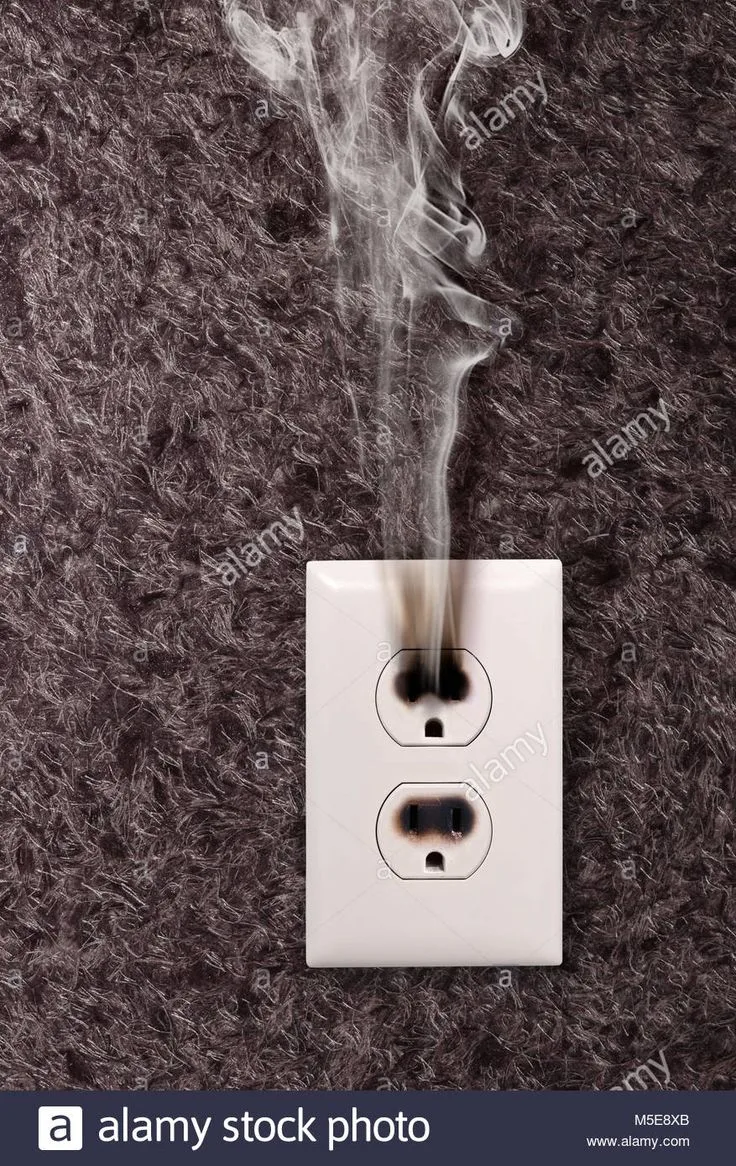
Image source: Web (Bing) / ar.pinterest.com (Web image (fair-use with source credit))
Quick Answer
Burn marks on a floor lamp outlet signal dangerous electrical overheating. This damage causes arcing, which can trigger house fires or electrocution. You must stop using the outlet immediately.
The only safe fix is replacing the damaged receptacle. Always cut power at the breaker before inspecting or repairing any electrical outlet.
Why Burn Marks on a Floor Lamp Outlet Are an Immediate Fire and Electrocution Risk
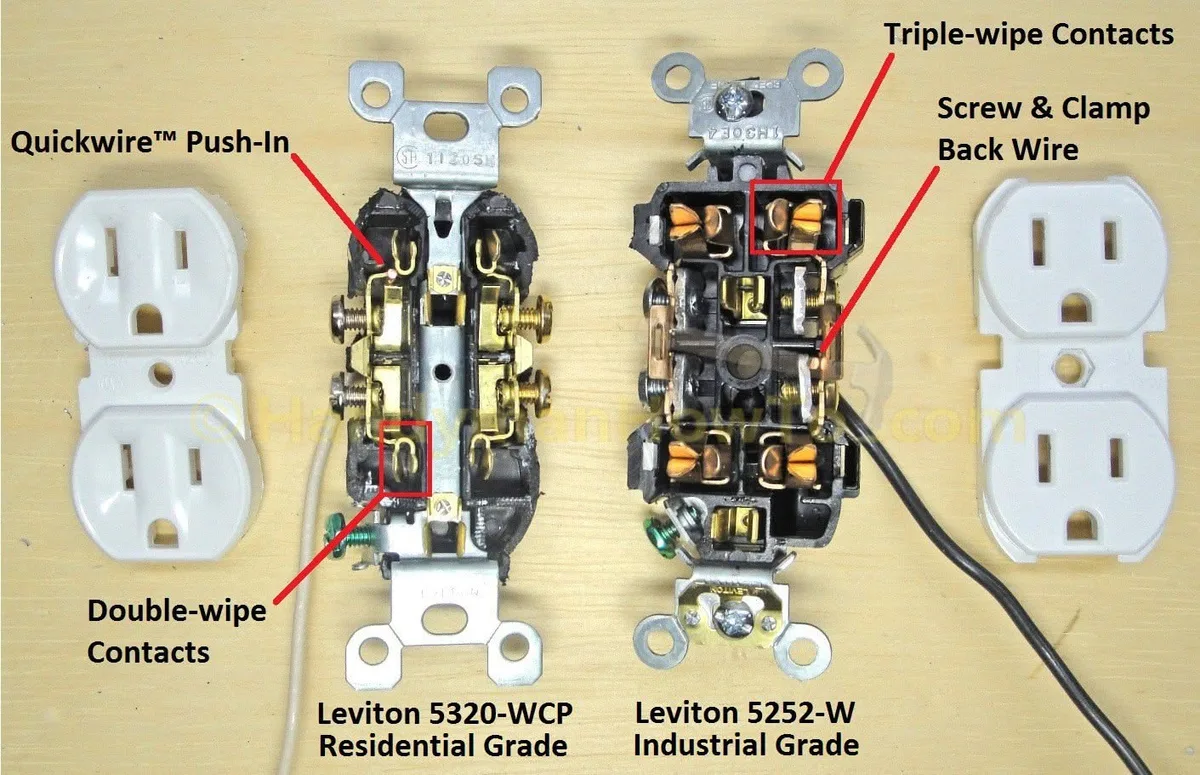
Image source: Web (Bing) / fity.club (Web image (fair-use with source credit))
Those burn marks you see on the outlet are visual proof of electrical arcing, a leading cause of residential electrical fires per the National Fire Protection Association electrical safety guidelines. Arcing happens when electricity jumps across a gap between the outlet’s internal metal contacts and your lamp’s plug prongs. This jump generates extreme heat, up to 10,000°F in some cases.
That heat melts plastic and metal components, and can ignite surrounding drywall, wood flooring, or furniture in seconds. Even small, faint burn marks hide deep internal pitting and damage to the outlet’s wiring. The outlet is structurally unsound and unsafe to use until it’s fully replaced.
There’s also a real risk of electrocution if the outlet’s grounding is compromised, as live current can leak to the outlet’s external metal parts. If you’ve noticed flickering, intermittent power, or a burning smell near the outlet, these are additional signs of active arcing. Never ignore these symptoms, as they indicate the problem is actively worsening.
As of 2026, electrical fires caused by faulty outlets account for roughly 12% of all residential home fires in the US, per NFPA aggregate data. Many of these start with small, ignored burn marks that homeowners wrote off as minor cosmetic issues. The risk isn’t limited to when the lamp is plugged in, either.
A damaged outlet can arc even when no device is connected, if internal wiring is loose or degraded. That’s why you should treat any burn mark on an electrical outlet as a five-alarm fire hazard, not a small inconvenience. If you have kids or pets in the home, the risk is even higher, as they may accidentally touch the hot outlet or pull on the lamp cord, exposing damaged wiring.
You can learn more about preventing these risks in our home electrical safety guide.
The 4 Most Common Causes of Outlet Burn Marks From Floor Lamps
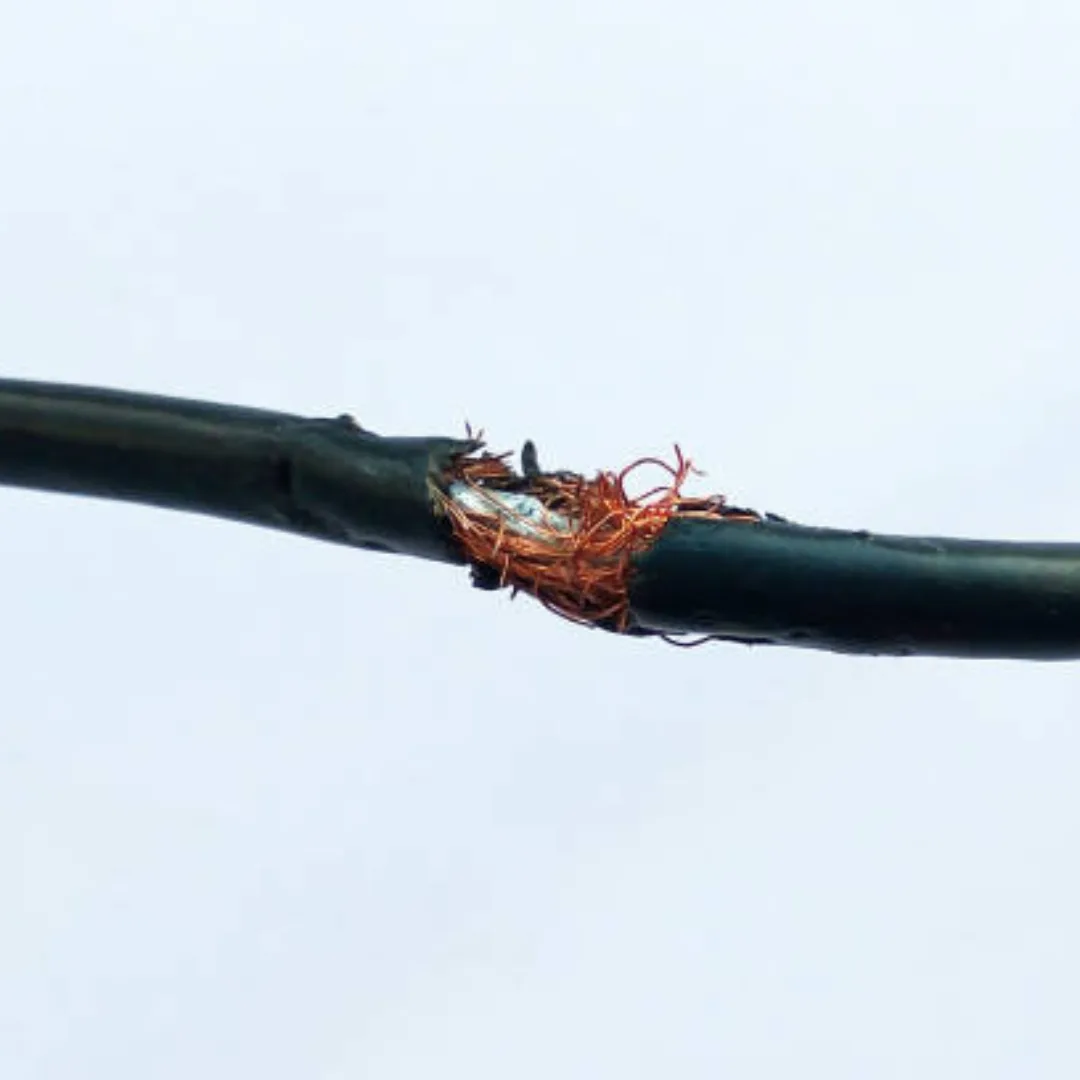
Image source: Web (Bing) / ar.inspiredpencil.com (Web image (fair-use with source credit))
Burn marks from floor lamps almost always stem from one of four root causes. Loose internal outlet contacts are the leading cause of outlet-related electrical fires in US homes, per US Consumer Product Safety Commission outlet safety guidance. Over time, the spring-loaded metal contacts inside a standard NEMA 5-15 receptacle wear out from repeated plugging and unplugging.
This creates small gaps between the contacts and your lamp’s plug prongs, which generate heat as electricity passes through the resistance. Outlets older than 15 years are especially prone to this issue, as are outlets that are used frequently for high-wattage devices.
The second most common cause is an overloaded branch circuit. A standard 15A residential outlet is rated for a maximum of 1,800W at 120V, per National Electrical Code (NEC) guidelines published by the National Fire Protection Association. If your floor lamp is on a circuit shared with other high-draw devices like space heaters, vacuums, or gaming PCs, you may be pushing the outlet past its safe limit.
Excess current flows through the outlet’s internal wiring, generating enough heat to cause scorching. If your floor lamp turns on then immediately shuts off, this is often a sign of overload-related power loss from a circuit that’s past its rated capacity.
Third, damage to the floor lamp’s power cord or plug can create poor contact with the outlet. Frayed insulation, corroded or bent prongs, or loose internal connections in the plug increase resistance at the point where the plug meets the outlet. You’ll often see burn marks concentrated right at the plug’s entry point in these cases, paired with flickering or intermittent power to the lamp.
The fourth cause is faulty internal outlet wiring. Loose wire nuts inside the electrical box, degraded NM-B cable, or outdated aluminum wiring (common in homes built between 1965 and 1975) can overheat inside the wall. This heat transfers to the outlet itself, leaving burn marks that may spread beyond the plug’s entry area.
Pre-1980 homes with ungrounded outlets are at particularly high risk for this issue.
3 Non-Negotiable First Steps to Take the Second You Spot Burn Marks
The second you see burn marks on an outlet powering your floor lamp, take these three steps to eliminate immediate risk of fire or electrocution.
First, cut power to the affected circuit at your home’s breaker panel. If you’re not sure which breaker controls the outlet, turn off the main breaker for the entire home to be safe. Use a non-contact voltage tester to confirm the outlet has no live current before touching any part of it.
This eliminates the risk of deadly electrocution while you assess the damage.
Second, unplug your floor lamp immediately. Inspect the lamp’s power cord and plug for frayed insulation, bent prongs, or signs of overheating like melted plastic. If the cord is damaged, you’ll need to replace either the cord or the entire lamp, depending on the model.
Never plug a damaged lamp into any other outlet, as it could cause the same issue elsewhere, like when a lamp works in one outlet but not another.
Third, do not use the burnt outlet for any purpose, and do not attempt to clean the burn marks or reuse the outlet. Even if the marks look superficial, internal damage to the outlet’s metal contacts and wiring makes it a serious fire hazard. If you smell continuous burning, see smoke, or notice sparks coming from the outlet, leave your home immediately and call 911.
If you’re renting, notify your landlord right away as they are legally responsible for arranging repairs. Do not attempt any DIY electrical work on rental property without explicit written permission from your landlord, as this may violate your lease agreement.
Repair Options: When DIY Outlet Replacement Is Allowed and When You Must Call a Licensed Electrician
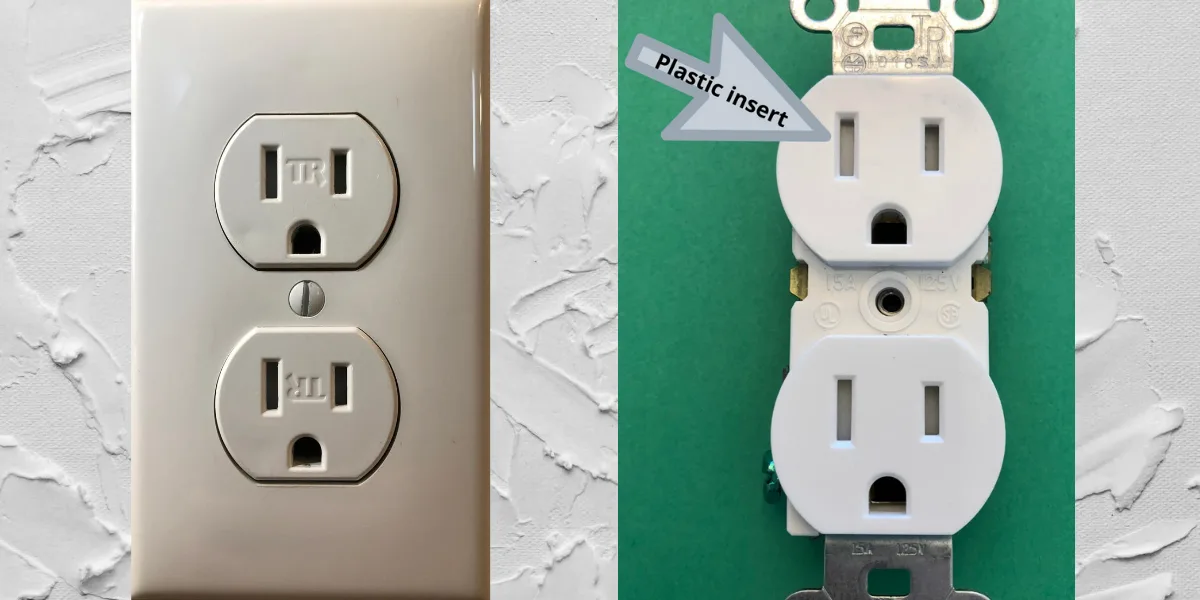
Image source: Web (Bing) / info.classicelectricnw.com (Web image (fair-use with source credit))
The only safe fix for a burnt electrical outlet is full replacement. You cannot repair a damaged receptacle to a safe, code-compliant standard. Whether you can do this work yourself or need to hire a licensed electrician depends on your local regulations, your skill level, and the extent of the damage.
Many jurisdictions across the US and EU require all electrical work to be completed by a licensed, insured professional. Unlicensed DIY electrical repairs may violate local building codes, void your home insurance policy, and lead to failed inspections if you sell your property. If you’re unsure of your local rules, contact your municipal building department for clarification before starting any work.
If DIY outlet replacement is allowed in your area, it’s only a safe option if you have basic electrical knowledge, understand how to identify and connect line, load, and ground wires, and follow all NEC guidelines. You’ll also need to pull a permit from your local building department in many areas, even for minor DIY repairs.
| Factor | DIY Outlet Replacement | Licensed Electrician Repair |
|---|---|---|
| Allowed in your area | Only if local code permits unlicensed electrical minor repairs | Required in most jurisdictions for any electrical work |
| Required skill | Basic knowledge of outlet wiring, NEC compliance, safe power shutoff | Licensed, insured, trained in electrical safety and code |
| Cost | $5–$15 for parts only | $100–$250 per outlet, plus any permit fees |
| Best for | Qualified DIYers with electrical experience, no internal wall damage | All homeowners unsure of local rules, with internal wiring damage, or overloaded circuits |
| Risk of improper installation | High: risk of fire, electrocution, failed inspections, voided home insurance | Low: work is guaranteed to meet code, insured against damage |
If you notice damage to the wiring inside the electrical box, signs of rodent chewing on cables, or if your home has outdated knob-and-tube or aluminum wiring, you must call a licensed electrician. The same applies if the burnt outlet is on a dedicated circuit for high-draw devices, or if you’ve had multiple outlets on the same circuit fail recently, which indicates a larger overload issue. If you’re dealing with persistent power-related lamp failures across multiple outlets, this indicates a larger circuit issue that requires a professional electrician to address.
For renters, you are legally required to notify your landlord of the issue, and they are responsible for arranging all repairs. Never attempt DIY electrical work on rental property without explicit written permission, as this may violate your lease and local housing codes.
Step-by-Step Safe Outlet Replacement for Qualified DIYers
If you’ve confirmed local code allows DIY outlet replacement, and you’ve inspected the internal wiring in the electrical box to ensure it’s undamaged, follow these steps to replace the burnt outlet safely.
- Confirm power is fully cut to the circuit using your non-contact voltage tester. Remove the old outlet faceplate with a flathead screwdriver, then unscrew the outlet from the electrical box. Gently pull the outlet out, taking care not to touch any exposed wires.
- Take a clear photo of the existing wire connections with your phone. Most standard outlets have black hot wires connected to brass-colored screws, white neutral wires connected to silver screws, and bare copper ground wires connected to the green screw. Disconnect all wires from the old outlet.
- If the ends of the wires are frayed or damaged, use a wire stripper to remove 1/2 inch of insulation from the end of each wire. Connect the wires to the new tamper-resistant (TR) receptacle: black to brass, white to silver, ground to green. Tighten each screw firmly, then wrap the connection point with electrical tape for extra insulation.
- Fold the wires neatly into the electrical box, push the new outlet into the box, and secure it with the mounting screws. Attach the new faceplate.
- Turn the circuit breaker back on, and test the outlet with a receptacle tester to confirm it’s wired correctly and properly grounded. Monitor the outlet for the first 24 hours, checking for warmth or discoloration with an infrared thermometer if you have one. If the lamp still doesn’t turn on after the repair, check for outlet-related lamp failures that may stem from other issues with the lamp itself.
If at any point you are unsure of a step, stop and call a licensed electrician. Never attempt to force wires into place or skip the grounding connection, as this creates a serious electrocution and fire risk. If you notice any discoloration on the internal wiring when you pull out the old outlet, do not install the new receptacle.
Call a pro to inspect the full circuit instead.
5 Costly and Dangerous Mistakes to Avoid at All Costs
Even well-meaning homeowners make critical errors when dealing with burnt outlets that turn a manageable repair into a life-threatening hazard. The first mistake is continuing to use the outlet after noticing burn marks. Even if it still powers your floor lamp, internal metal contacts are pitted and wiring may be degraded.
Arcing can occur without warning, igniting surrounding drywall or furniture in seconds.
The second mistake is plugging the lamp into a different outlet without first inspecting the lamp’s cord and plug. If the lamp has frayed wiring or corroded prongs, you’ll just burn out a second outlet and create a new fire risk. You might even end up with a lamp that only works when the cord is held a certain way if internal damage is present.
This is a common issue we cover in our guide to intermittent cord-related lamp failures.
Third, never clean burn marks instead of replacing the outlet. Scraping or wiping away scorch marks does not fix internal pitting or loose wiring connections. The outlet remains a serious fire hazard even if it looks cosmetically improved.
Fourth, never skip the full breaker shutoff and voltage test before touching any part of the outlet. Even a damaged outlet can carry live current, and contact can cause severe electrocution. Always use a non-contact voltage tester to confirm power is fully off before removing the faceplate.
Fifth, hiring an unlicensed handyman for the repair often leads to code violations. Unlicensed workers may skip required steps like proper grounding or tamper-resistant (TR) receptacle installation. This can void your home insurance policy and lead to failed inspections when you sell your property.
Frequently Asked Questions About Burnt Floor Lamp Outlets
Are burn marks on a floor lamp outlet a fire hazard?
Yes, immediately. Burn marks indicate the outlet overheated from arcing or circuit overload. Internal metal contacts are pitted and internal wiring may be degraded.
The outlet can ignite surrounding building materials without warning. Stop using it right away and plan for full receptacle replacement.
Can I use a burnt outlet if it still powers my lamp?
No, never. Even if the outlet works, internal damage makes it a constant fire and electrocution risk. Arcing can occur even when no device is plugged in.
The only safe fix is full replacement of the damaged receptacle with a code-compliant unit.
How much does it cost to replace a burnt floor lamp outlet?
DIY parts cost $5 to $15 for a tamper-resistant 15A receptacle. Licensed electrician rates run $100 to $250 per outlet, plus any required permit fees. Always confirm local permit rules before starting any electrical work, even for minor DIY repairs.
Will a burnt outlet damage my floor lamp?
Possibly. Overheating can melt the lamp’s plug or fray its internal wiring. Inspect the lamp’s power cord and plug for scorch marks or frayed insulation before plugging it into a new outlet.
Replace the lamp if the cord or plug is damaged, as it will create a new fire risk. If your lamp fails to turn on after the incident, review our guide to diagnosing non-starting floor lamps for troubleshooting steps.
Do I need a permit to replace a burnt outlet?
It depends on your local jurisdiction. Many US and EU municipalities require electrical permits for any outlet replacement, even DIY work. Check with your local building department before starting repairs to avoid code violations, failed inspections, or insurance issues.