Floor Lamp Bulb Keeps Coming Loose? How to Fix It For Good
If your floor lamp bulb keeps coming loose, you’re not alone. It’s one of the most frustrating small household lighting issues, popping up without warning and leaving you in the dark. You tighten it, think you’ve fixed it, and an hour later it’s wobbly or the light cuts out entirely.
Most people assume the bulb is defective, but that’s rarely the case.
Most standard residential floor lamps use the E26 screw-in bulb base, the 26mm diameter standard defined by ANSI for North American lighting as of 2026. When that base won’t stay seated, the problem almost always traces back to the socket, the lamp’s mounting, or installation error. Figuring out which of the three common root causes you’re dealing with takes less than two minutes.
For more guides on common floor lamp issues, check out our full library of floor lamp repair resources.
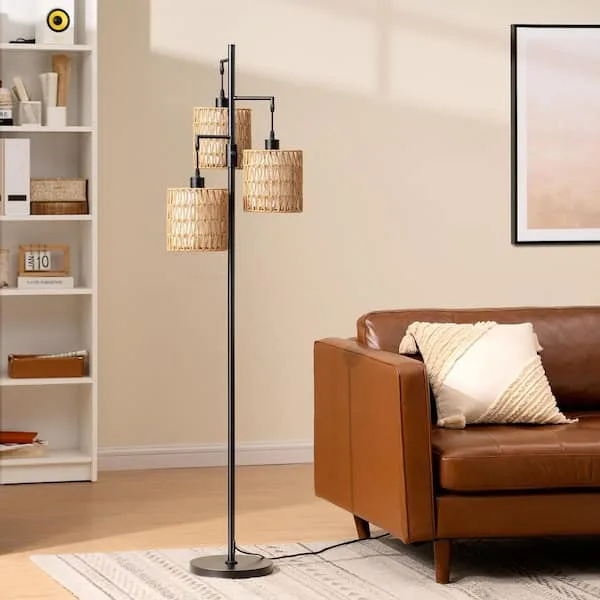
Image source: Web (Bing) / homedepot.com (Web image (fair-use with source credit))
Quick Answer
A floor lamp bulb keeps coming loose due to three common, fixable root causes. Over-tightening warps the socket’s internal contact tabs. Cross-threading prevents the bulb from seating fully.
Worn socket threads can no longer grip the bulb base. Fixes range from simple tab adjustment to full socket replacement, depending on the cause.
First: Identify Which Loose Bulb Scenario Matches Your Floor Lamp
The very first step is matching your symptom to one of two core behavior patterns. The root cause and repair process are completely different for each, so guessing will only waste your time. You only need a minute of observation to sort this out, no tools required yet.
Start by unplugging the lamp, removing the bulb, and noting exactly how the looseness shows up.
Before you test the socket, inspect the bulb’s screw threads for damage or built-up debris. A damaged bulb base will cause looseness no matter what condition your socket is in, so rule that out first if you have a spare bulb to test with.
Use this quick decision table to match your symptom to the most likely root cause:
| Symptom | Most Likely Root Cause |
|---|---|
| Bulb spins freely, won’t tighten, or stops turning before it’s fully seated | Cross-threaded installation, stripped socket threads, or mismatched bulb base size |
| Bulb stays tight for hours or days, then gradually unscrews itself over time | Worn socket contact tabs, over-tightened warped tabs, or heavy bulb weight pulling against loose threads |
If your symptom matches the first row, skip straight to the next section. If it matches the second, jump to the section after that. Either way, you’ll have a clear, targeted fix instead of random trial and error.
If your symptom matches the first row, you may also notice intermittent power cuts if cross-threading is causing poor electrical contact, a common side effect we cover in our guide to intermittent power from faulty inline switches.
What To Do If Your Bulb Spins Freely or Won’t Screw In Fully
This symptom almost always points to cross-threading or stripped socket threads. Cross-threading happens when the bulb’s threads catch the socket’s threads at the wrong angle, so it spins freely without tightening. Stripped threads are worn smooth from years of over-tightening or old age, so there’s no grip for the bulb base to catch.
A mismatched bulb base, like an E27 bulb in a North American E26 socket, can also cause this issue even if the threads look aligned.
First, rule out a simple cross-thread. Unplug the lamp, remove the bulb, and align the bulb’s threads with the socket’s internal threads by feel. You should feel a subtle catch after the first half-turn if it’s aligned correctly.
If it spins freely for a full rotation before catching, it’s cross-threaded. Unscrew it completely, realign the threads, and tighten by hand only. Never use tools to tighten a screw-in bulb, as that warps the socket.
If realigning doesn’t fix it, inspect the socket’s internal threads for visible wear or smooth spots. Lightly worn threads can be temporarily fixed with a small amount of Teflon thread tape wrapped clockwise around the bulb base, which adds friction to help it grip. If the threads are heavily stripped, you’ll need to replace the socket entirely, which we cover later.
For persistent cross-threading, double-check that your bulb’s base matches your lamp’s socket size: E26 for North America, E27 for EU/UK markets.
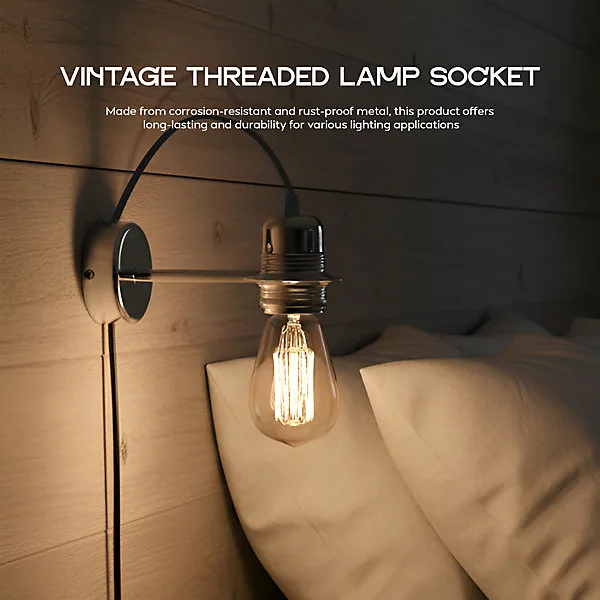
Image source: Bing (Web (fair-use with source credit))
What To Do If Your Bulb Stays Secured For Days, Then Gradually Unscrews Itself
This slow, gradual loosening almost always traces back to worn or damaged socket contact tabs. These small brass tabs sit at the bottom of the socket, pressing against the bulb base to hold it steady and carry electrical current. Over time, over-tightening bends the tabs flat, or repeated use wears down their spring tension.
When that happens, the bulb has no downward pressure holding it in place, so vibration or the bulb’s own weight makes it slowly unscrew itself over days or weeks. Heavy bulbs, like high-lumen LEDs or vintage incandescents, accelerate this wear.
First, unplug the lamp and remove the bulb. Look into the socket: you should see two small brass tabs sticking up slightly, with a faint gap between them. If the tabs are flat against the socket floor, or one is bent down, that’s your problem.
You can gently bend the tabs upward with a small flat-head screwdriver to restore their spring tension, but be careful not to snap them off. Test the bulb after adjusting: it should stay seated firmly when you give it a light tug.
If the tabs are corroded, cracked, or won’t hold their shape after adjustment, the socket needs to be replaced. If your lamp sits in a high-vibration area, like near a frequently used door or HVAC vent, add rubber foam padding under the lamp base to reduce movement that shakes the bulb loose over time. Always tighten bulbs by hand only after repairs, as over-tightening will bend the tabs flat again within weeks.
If you’ve also noticed your lamp turning on randomly without input, that’s a separate electrical issue we cover in our guide to random floor lamp activation.
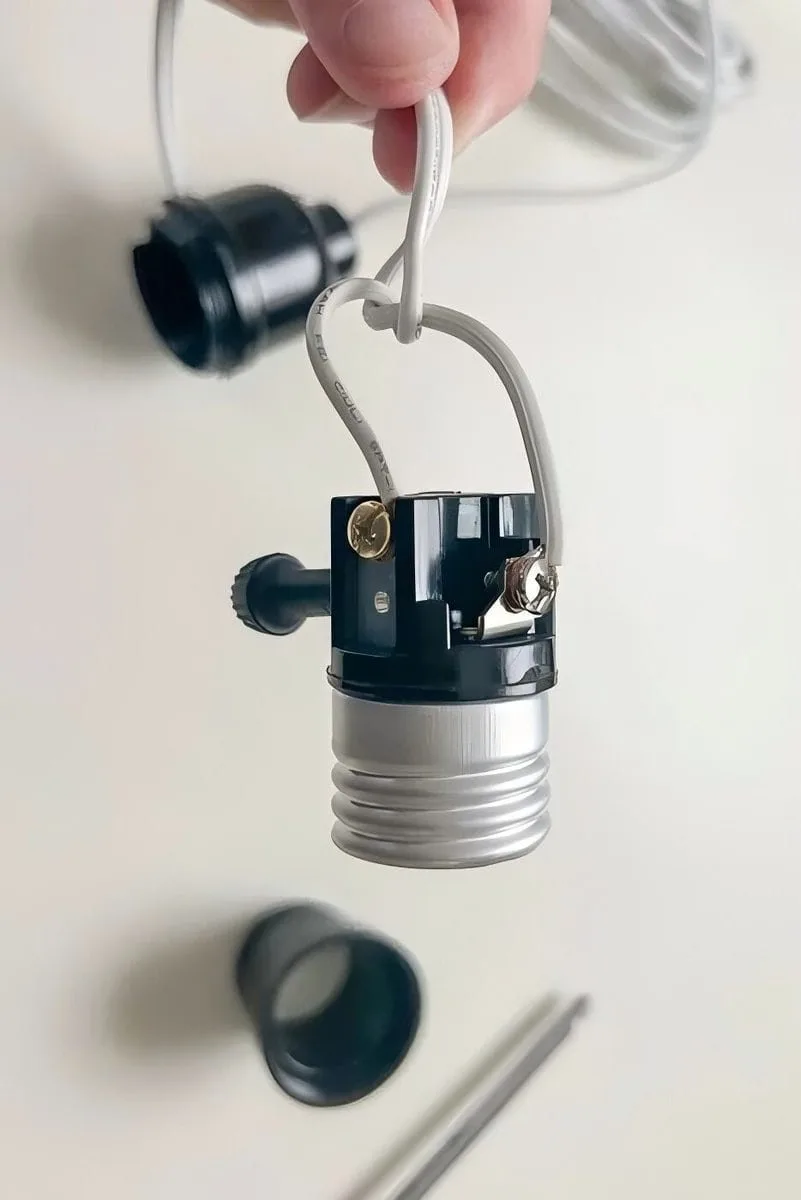
Image source: Web (Bing) / lightbulbsocket.com (Web image (fair-use with source credit))
Quick Fixes That Will Make The Problem Worse (Skip These)
You’ve probably seen tips online for wrapping a loose bulb base in electrical tape, or gluing it in place with super glue. These hacks might seem like a quick solution when you’re in a hurry, but they create far bigger risks than a wobbly bulb. Electrical tape is flammable, and if it gets too hot from the bulb’s operating temperature, it can melt and cause a fire hazard.
Adhesives like super glue or hot glue can damage the socket’s internal threads, make future bulb replacements impossible, and even conduct electricity if applied incorrectly, creating a shock risk.
Over-tightening the bulb to force it to stay in place bends the socket’s internal contact tabs flat, which worsens the looseness over time and can cause electrical arcing. Over-tightening can also damage internal wiring over time, leading to issues like a lamp that only works when the cord is held a certain way. If you’ve already used tape or adhesive, remove all residue with a dry cloth before attempting any proper repair.
Never use forced tightening or permanent adhesives as a long-term fix for this issue.
When to Repair Your Socket vs. When to Replace It Entirely
Not every loose bulb issue requires a full socket replacement. The right choice depends on the extent of the damage to your socket. Use the criteria below to pick the option that fits your situation.
| Repair Is Safe If | Replace The Socket If |
|---|---|
| Contact tabs are only slightly bent, not cracked or corroded | Socket plastic is cracked, melted, or has burn marks |
| Socket threads are only lightly worn, not stripped smooth | Tabs are broken off, or won’t hold their shape after adjustment |
| Lamp is a standard modern model with widely available replacement parts | Lamp is a vintage or high-value model with hard-to-find OEM parts |
| You’re comfortable working with basic electrical components | You’re uncomfortable working with household wiring, or the socket is hardwired into the lamp |
If you choose to repair, gently bending the contact tabs upward with a small screwdriver is all you need for most minor tab wear. If you choose to replace, buy a UL-listed replacement socket matched to your lamp’s voltage and wattage rating, available at most hardware stores as of 2026. You can verify compliance with current safety benchmarks via UL’s official lighting component standards.
For vintage lamps, check the manufacturer’s website first for OEM socket parts to ensure proper fit and safety. If your lamp still won’t power on after securing the bulb, check out our guide to diagnosing non-functioning floor lamps for further troubleshooting.
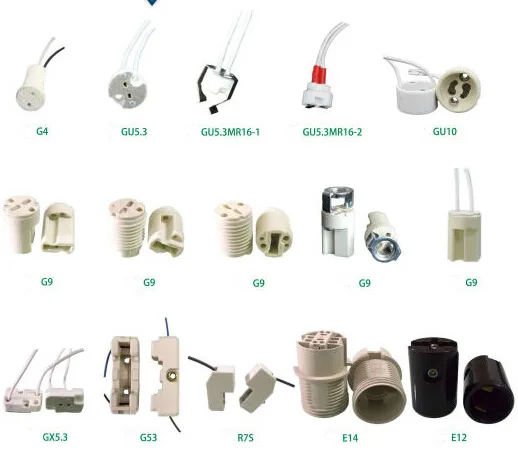
Image source: Bing (Web (fair-use with source credit))
Frequently Asked Questions
Why does my floor lamp bulb keep coming loose even after I tighten it hard?
Over-tightening bends the socket’s internal contact tabs flat, so they can’t grip the bulb base. It also strips socket threads over time, eliminating the friction that keeps bulbs seated. Manufacturer specifications for E26/E27 screw-in sockets confirm finger-tight is the maximum recommended torque.
Forcing the bulb tighter will only accelerate wear, not fix the looseness.
Can I use electrical tape to keep a loose floor lamp bulb in place?
No, electrical tape is an unsafe temporary fix. It can melt from bulb operating heat, creating a fire hazard, and adhesive residue will damage socket threads over time. Glues like super glue conduct electricity and make future bulb replacements impossible.
Proper socket repair or replacement delivers a safe, long-term fix without fire or shock risk.
My floor lamp bulb spins freely. Is the socket broken?
Not always. First check for cross-threading: align the bulb’s threads with the socket’s internal threads and turn slowly. You should feel a catch after half a turn if it’s aligned correctly.
If it spins freely for a full rotation, the socket threads are stripped and need replacement. A mismatched bulb base, like an E27 bulb in a North American E26 socket, can also cause free spinning.
How long does a floor lamp socket last before it causes loose bulbs?
Standard residential lamp sockets last 10 to 15 years with normal use, per aggregate user feedback and manufacturer durability data. Sockets in high-vibration areas, or those frequently over-tightened, wear out far faster. Vintage lamps pre-1980 often have unmarked sockets with shorter lifespans due to older plastic and metal components that degrade faster.
If I replace my floor lamp socket, will the loose bulb issue come back?
Only if you repeat the habits that caused the original wear. Always tighten bulbs by hand only, never over-tighten. Avoid using bulbs that exceed the socket’s rated wattage, as excess weight accelerates contact tab wear.
If your lamp sits near a frequently used door or HVAC vent, add rubber padding under the base to reduce vibration that shakes bulbs loose over time. For persistent electrical issues after socket work, our guide to floor lamps that won't turn on covers next troubleshooting steps.