Floor Lamp Plug Falls Out of Outlet? How to Stop It For Good
If your floor lamp plug falls out of outlet multiple times a day, you know how frustrating that constant readjustment is. It’s not just annoying, it’s a sign something is worn or mismatched between your lamp and your wall hardware. Most people write it off as a minor nuisance, but it’s almost always a fixable root cause.
Per Consumer Product Safety Commission data, loose plug-outlet connections are a leading cause of preventable residential electrical fires, with arcing from loose contacts reaching temperatures as high as 1,000°F. That constant unplugging isn’t just a hassle, it’s a small safety risk you can fix in 10 minutes with the right diagnostic steps. Let’s start with the fastest way to figure out exactly what’s going wrong.
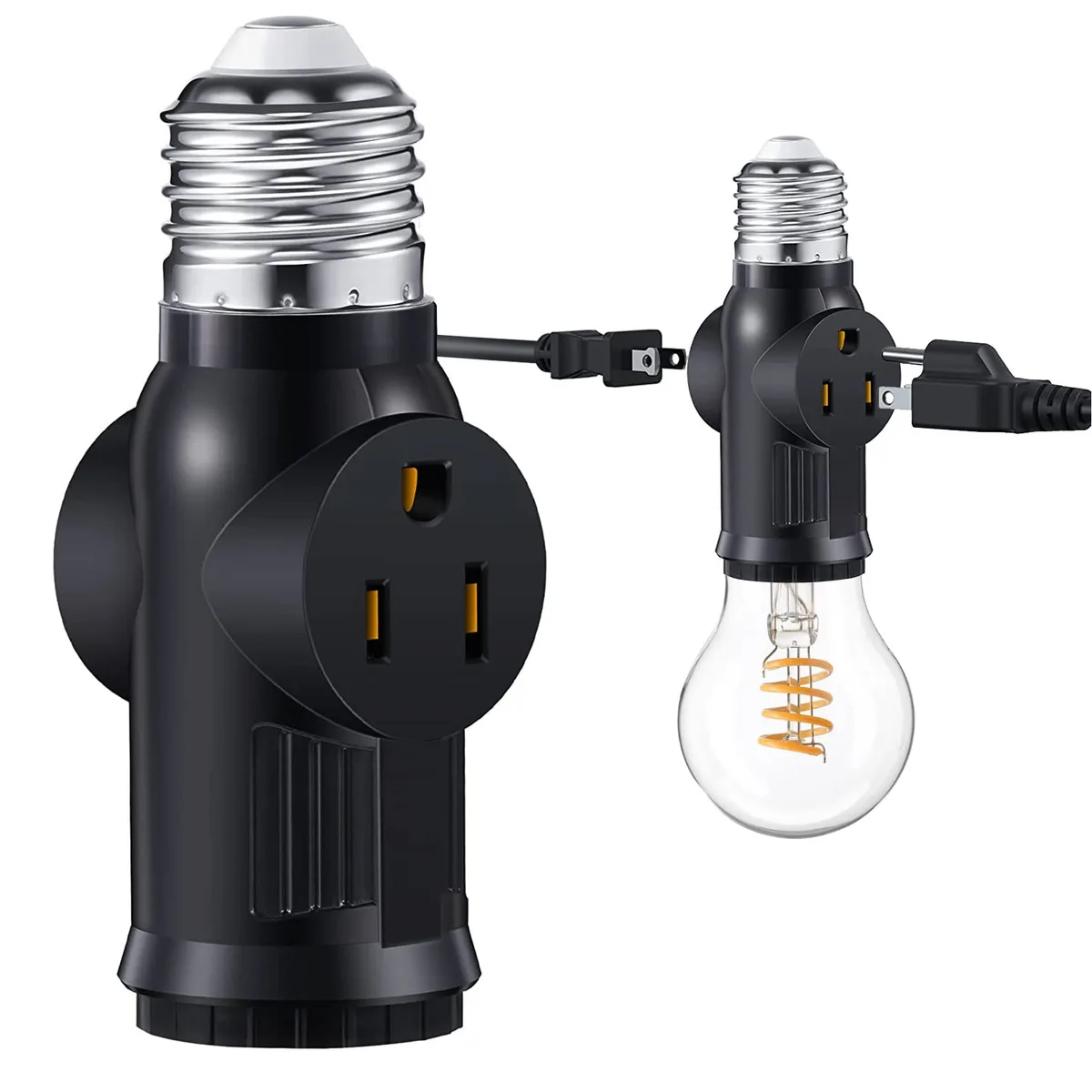
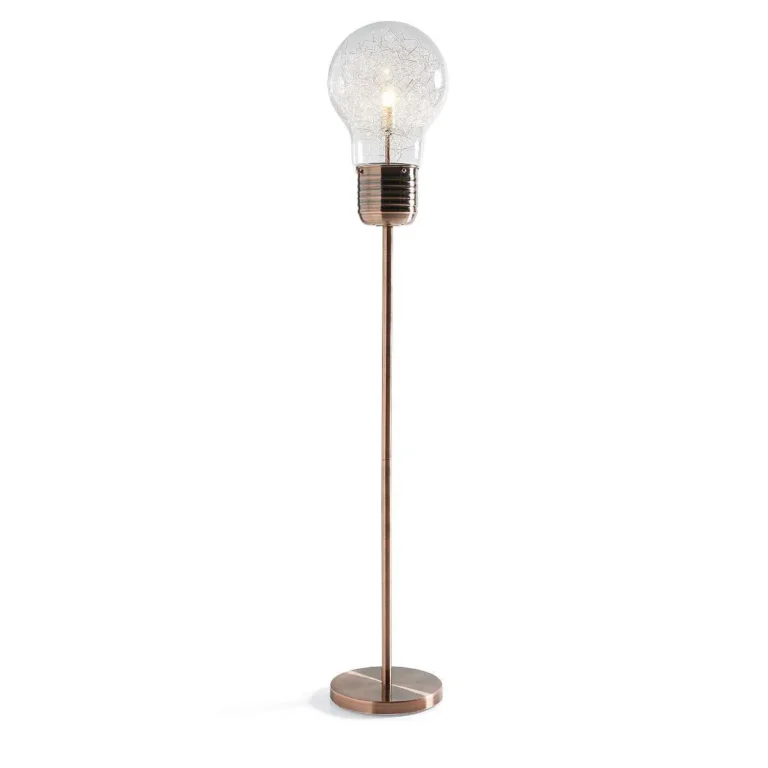
Image source: Web (Bing) / amazon.com (Web image (fair-use with source credit))
Quick Answer
Your floor lamp plug falls out of outlet because either the plug prongs are bent or worn, or the wall outlet’s internal grip springs are loose or corroded. First check your plug’s metal prongs for bends or damage. Then test the outlet’s hold with a different plug to rule out lamp-side issues.
Worn outlets often need a cheap $5 to $15 replacement part to fix the problem permanently.
Why Your Floor Lamp Plug Keeps Falling Out of the Outlet
There are only two core reasons your floor lamp plug falls out of outlet, and both are tied to physical wear or misalignment. Either the plug’s metal prongs have lost their tension or are bent out of shape, or the wall outlet’s internal grip components have worn down from years of use. In rare cases, a mismatched plug and outlet type (like a 3-prong plug in a 2-slot ungrounded outlet) causes the same symptom.
Plug-side wear is almost always caused by yanking the cord to unplug the lamp, or placing the lamp so far from the outlet that the cord is constantly under tension. Over time, that stress bends the flat parallel prongs or weakens the spring tension that keeps them seated in the outlet. High-wattage lamps that run hot can also accelerate metal fatigue in the prongs over time, per manufacturer specifications for standard 18/2 SPT-2 lamp cords used in most residential floor lamps.
Outlet-side wear is far more common in homes built before 2000, as the internal grip springs in standard NEMA 5-15 receptacles only last 15 to 25 years on average. Loose outlet mounting, where the receptacle shifts slightly in the wall junction box, also prevents plugs from seating fully. Coastal humidity and frequent plug cycling speed up corrosion of the outlet’s internal contact points, reducing grip strength as of 2026.
2-Minute Diagnostic Check to Pinpoint the Exact Root Cause
You don’t need any special tools to figure out which side of the connection is causing the issue, just 2 minutes and a visual check. This quick diagnostic ensures you don’t waste time fixing the wrong part, and it works for every type of floor lamp from tripod to torchiere models.
First, pull the floor lamp plug out of the outlet and inspect the two flat metal prongs. Look for visible bends, cracks, or excessive wear that’s rounded the edges of the blades. If the prongs are misaligned or visibly damaged, the problem is on the lamp side.
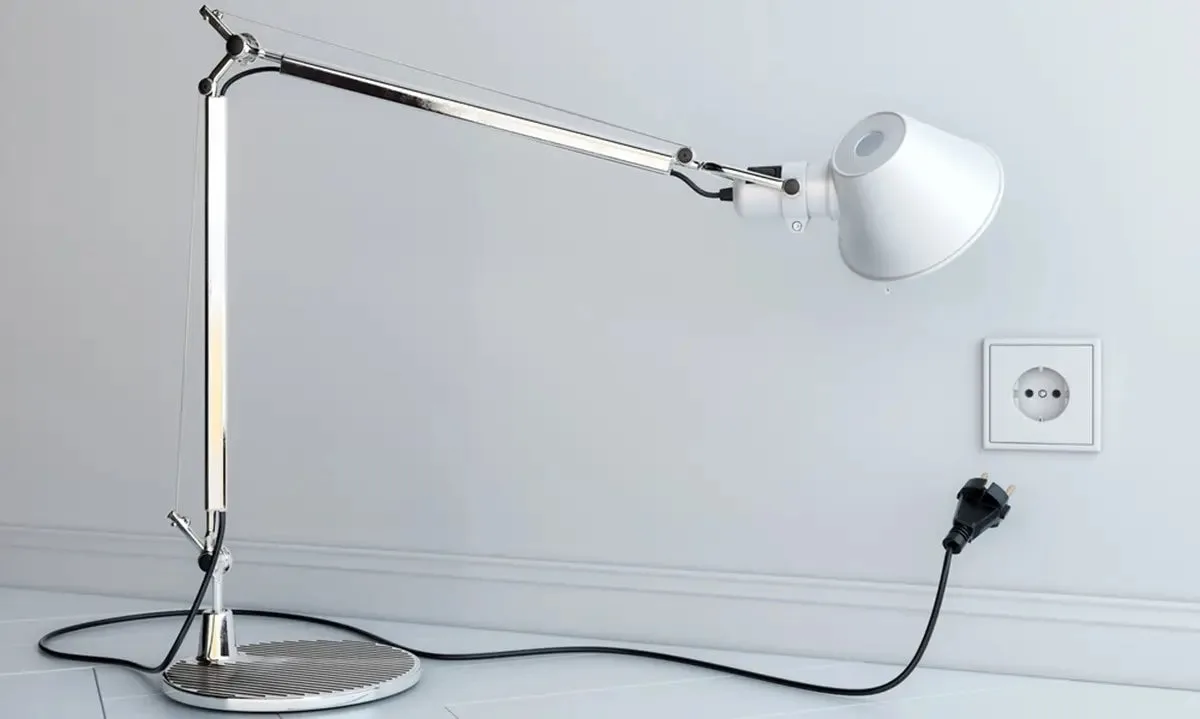
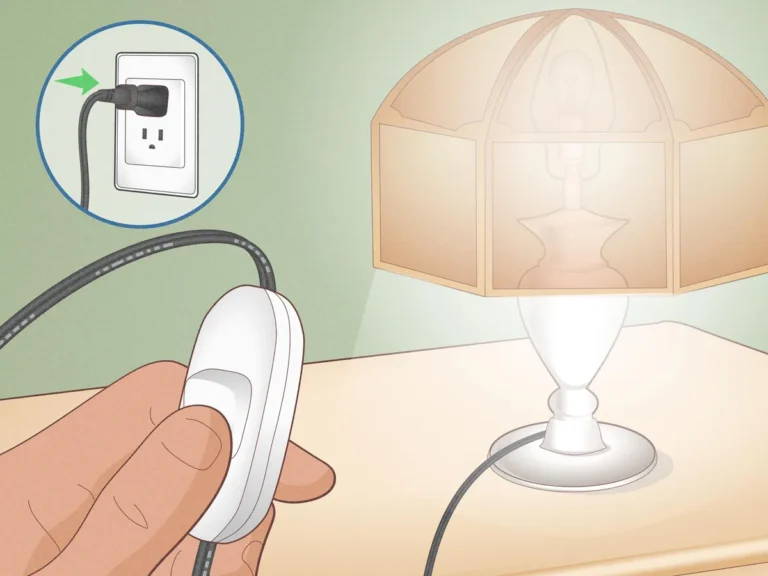
Image source: Web (Bing) / sunmory.com (Web image (fair-use with source credit))
Next, plug a different device (like a phone charger or vacuum) into the same wall outlet. Pull the test plug gently to see if it stays seated. If the test plug falls out easily, the issue is the wall outlet, not your lamp.
If the test plug holds in other outlets but falls out of this specific one, that confirms the issue is isolated to that wall receptacle. For context on why a lamp might work in one outlet but not another, see our guide to common outlet compatibility issues.
If both the lamp prongs and the test plug hold securely, the problem is likely cord tension pulling the plug out of the fully seated position, which we’ll cover in the fix section.
Cause-Specific Fixes (Follow the Branch That Matches Your Diagnosis)
Once you’ve completed the 2-minute diagnostic, follow the fix branch that matches your root cause. All fixes are safe for DIYers with basic household tool experience, no electrical certification required for these simple repairs.
If your plug prongs are bent or worn
Unplug the lamp from the outlet first, always. Use needle-nose pliers to gently straighten any bent prongs, aligning them to their original factory parallel position. Don’t bend them more than 10 degrees from straight, as that causes metal fatigue that will break the prong over time.
If the prongs are rounded or corroded, replace the entire plug for $3 to $8, a 5-minute repair with a standard replacement NEMA 5-15 plug from any hardware store.
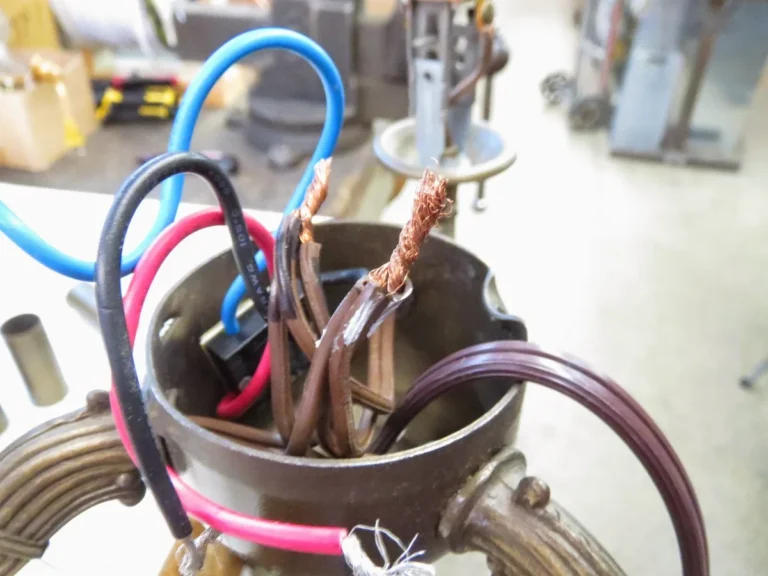
Image source: Web (Bing) / etsy.com (Web image (fair-use with source credit))
If the wall outlet has loose grip
Turn off the circuit breaker for the outlet at your electrical panel to avoid shock. Remove the outlet faceplate and tighten the mounting screws that hold the receptacle to the junction box. A shifting receptacle is a very common cause of plugs not seating fully.
If tightening the mounting screws doesn’t fix it, replace the entire receptacle. Standard NEMA 5-15 outlets cost $5 to $15, and replacement takes 15 minutes for beginners. For homes built before 1970, you may need to upgrade to a grounded 3-slot outlet to meet modern NEC safety standards.
If cord tension is pulling the plug out
Reposition the lamp so the cord has a gentle curve, not a tight straight pull from the outlet. Use a cord clip or Velcro strap to secure excess cord length to the wall or baseboard, eliminating constant tugging. Avoid running the cord under rugs or furniture that puts pressure on the plug end, as that bends prongs over time.
If you notice the lamp only works when you adjust the cord position, that points to internal cord damage that needs a full cord replacement, not just a plug fix. You can find more guidance on intermittent cord-related power issues in our dedicated guide.
Non-Negotiable Electrical Safety Rules to Follow First
Even simple DIY electrical repairs carry small but real safety risks if you skip these non-negotiable rules. Following them eliminates shock and fire risk entirely.
Always turn off the circuit breaker for the outlet at your electrical panel before touching any internal outlet components. Even unplugged lamps can have live wires if the outlet wiring is faulty, and a stray live wire can cause severe electric shock. Per National Electrical Code (NEC) guidelines, all residential receptacle work must be performed with the circuit de-energized to avoid injury.
Never use a plug with bent, corroded, or exposed prongs. The Consumer Product Safety Commission (CPSC) bans the use of damaged electrical plugs, as loose connections cause arcing that can ignite nearby flammable materials like rugs or curtains, per CPSC electrical safety guidelines. Arcing from a loose plug can reach temperatures up to 1,000°F, hot enough to start a fire in seconds.
Arcing can also cause your lamp to turn on and off intermittently, a symptom we cover in our guide to intermittent floor lamp power loss.
Don’t attempt to replace an outlet if you’re unsure about local wiring rules. Many municipalities require licensed electricians to perform receptacle work in rental properties, and DIY electrical work done incorrectly can void your home insurance policy if it causes a fire. When in doubt, call a professional.
5 Common Mistakes That Will Worsen the Problem or Create Safety Risks
Most people make small, avoidable errors when trying to fix a loose plug that either make the problem worse or create serious safety hazards. Here are the five most common missteps to skip entirely.
- Bending prongs more than 10 degrees to force a fit: Over-bending prongs weakens the metal, causing it to snap off inside the outlet or creating a loose connection that arcs. Stick to gentle, small adjustments only.
- Using plug adapters to fit a 3-prong plug into a 2-slot ungrounded outlet: Adapters eliminate the grounding safety feature, increasing shock risk for high-wattage lamps. Replace the outlet with a grounded 3-slot model instead, as mismatched plug-outlet setups are a common cause of loose connections per our mismatched plug-outlet compatibility guide.
- Tightening the outlet faceplate screws too much: Overtightening warps the receptacle, misaligning the internal grip springs and making plugs fit even looser. Tighten faceplate screws just until the plate is flush with the wall.
- Ignoring frayed or damaged cord insulation: Exposed wiring from a frayed cord can cause short circuits or shock, even if the plug seats correctly. Replace the entire cord if the insulation is cracked or torn.
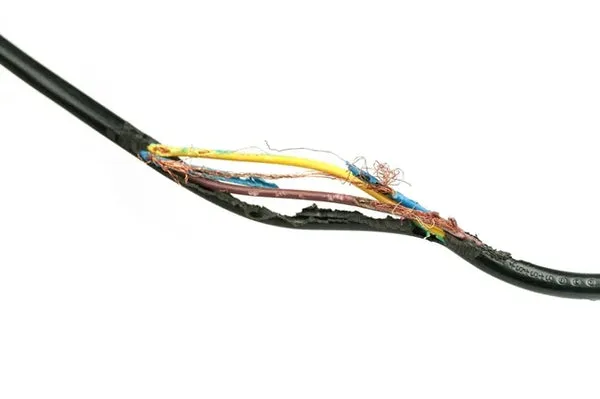
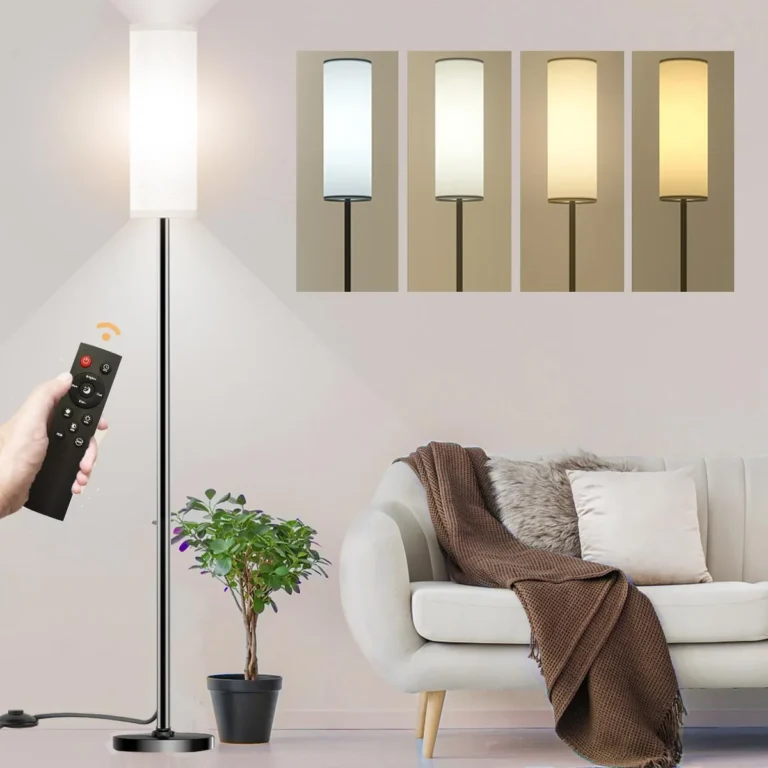
Image source: Web (Bing) / ninjachoice.blog (Web image (fair-use with source credit))
- Using an extension cord for a high-wattage floor lamp: Extension cords add resistance that causes heat buildup, warping the outlet’s internal components and loosening the plug connection over time. Plug high-wattage lamps directly into a wall outlet whenever possible. If your cord damage is severe enough that the lamp won’t power on at all, check our guide to troubleshooting a non-responsive floor lamp for next steps. For more guidance on selecting a durable floor lamp that holds up to daily use, check out our full floor lamp resource hub.
When to Skip DIY and Call a Licensed Electrician
Most loose plug issues are safe to fix yourself, but a few specific red flags mean you need a licensed pro instead. If you see black burn marks, melted plastic, or smell burning plastic near the outlet, shut off the circuit immediately and call an electrician. These are signs of active arcing that can cause a fire before you finish a simple repair, per CPSC data on residential electrical fires.
Persistent loose connections that return within weeks of replacing the receptacle point to a wiring problem in the wall junction box, not a faulty outlet. Homes built between 1965 and 1973 often have aluminum branch wiring, which requires special connectors and handling to avoid fire risks, per CPSC aluminum wiring safety guidelines. Renters should also check local lease rules, as many landlords prohibit DIY electrical work and require licensed contractors for all receptacle repairs.
If the outlet feels hot to the touch even when nothing is plugged in, or you experience frequent tripped breakers paired with a loose plug, that signals a circuit overload or loose wiring in the wall, not just a worn receptacle. The average cost of a professional receptacle replacement runs $100 to $200, a small price to pay compared to the thousands in fire damage or insurance claim denials from improper DIY work. If you’re ever unsure, calling an electrician is always the safer choice.
Frequently Asked Questions
Why does my floor lamp plug fall out of only one outlet?
This almost always means that specific wall outlet has worn internal grip springs or loose mounting. Test with a different plug to confirm the issue. If other plugs also fall out of that outlet, the receptacle needs tightening or replacement.
If only your lamp plug falls out, the issue is bent prongs on the lamp side, per aggregate DIY repair data.
Is it safe to use a plug adapter if my 3-prong lamp won’t stay in a 2-slot outlet?
No. Plug adapters bypass the grounding safety feature, increasing shock and fire risk for high-wattage lamps. The NEC requires grounded outlets for all floor lamps in damp or high-traffic areas.
Replace the 2-slot outlet with a grounded 3-slot NEMA 5-15 receptacle instead of using an adapter.
Can I just bend the prongs on my floor lamp plug to make it fit tighter?
You can gently straighten minor bends, but don’t bend prongs more than 10 degrees from their factory position. Over-bending weakens the metal, causing prongs to snap off or create loose connections that arc. If prongs are rounded or corroded, replace the entire plug for $3 to $8 instead of bending them further.
How often should I replace wall outlets to prevent loose plugs?
Standard NEMA 5-15 residential outlets last 15 to 25 years on average, per manufacturer specs. Outlets in coastal areas or homes with frequent plug cycling wear out faster. Test outlet grip strength annually by gently pulling on a plugged-in device; if it slides out with minimal force, replace the outlet.
Will using an extension cord make my floor lamp plug fall out more?
Yes, cheap or undersized extension cords add resistance that causes heat buildup in the outlet. This warps the receptacle’s internal grip springs over time, making plugs seat looser. Always plug high-wattage floor lamps directly into a wall outlet, never through an extension cord.