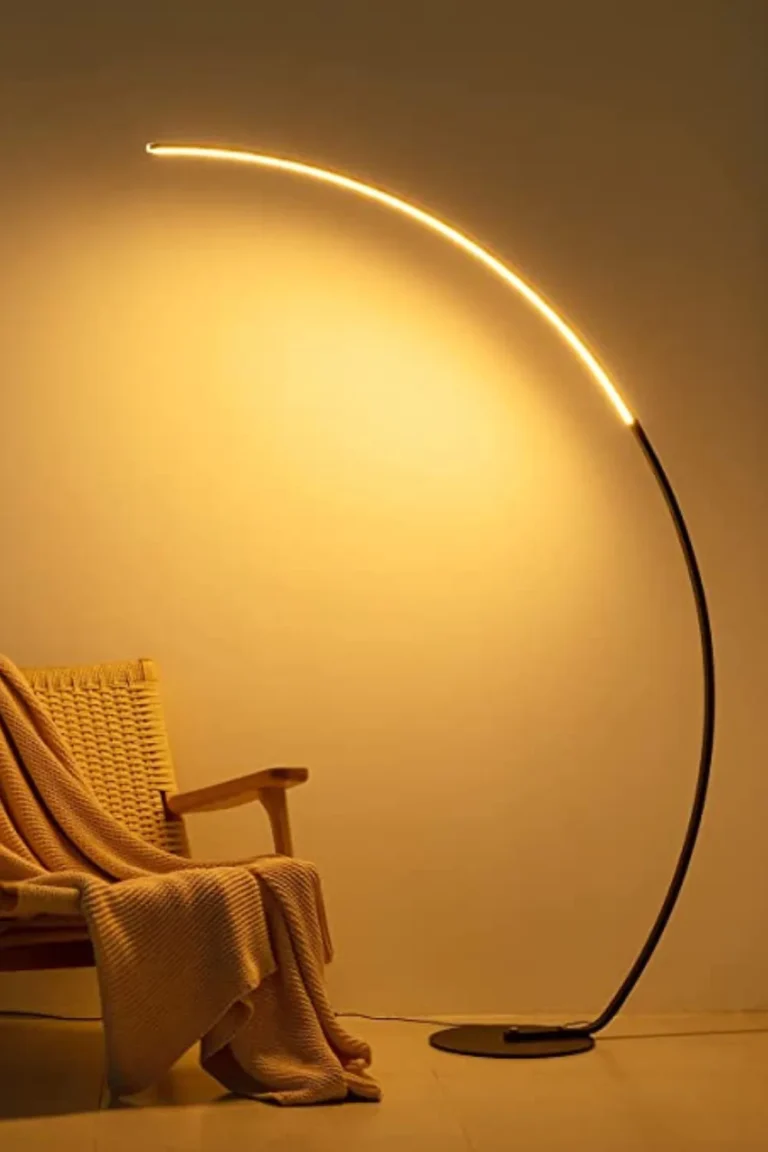
Floor Lamp Too Close to Curtains? Stop This Fire Hazard Now
If your floor lamp is too close to curtains, you’re not just dealing with a cramped, messy-looking room. You’re placing a potential fire hazard inches away from highly flammable fabric. Most people write this off as a minor layout issue, but the risk is far more serious than you think.
Per National Fire Protection Association (NFPA) research, lighting equipment triggers roughly 4% of all reported residential fires annually, with fabric contact being a leading cause. We’re covering exactly what makes this setup so dangerous. You’ll learn the official safe clearance rules, fast fixes for tight spaces, and the common mistakes that put you at risk even if you think you’re being careful.
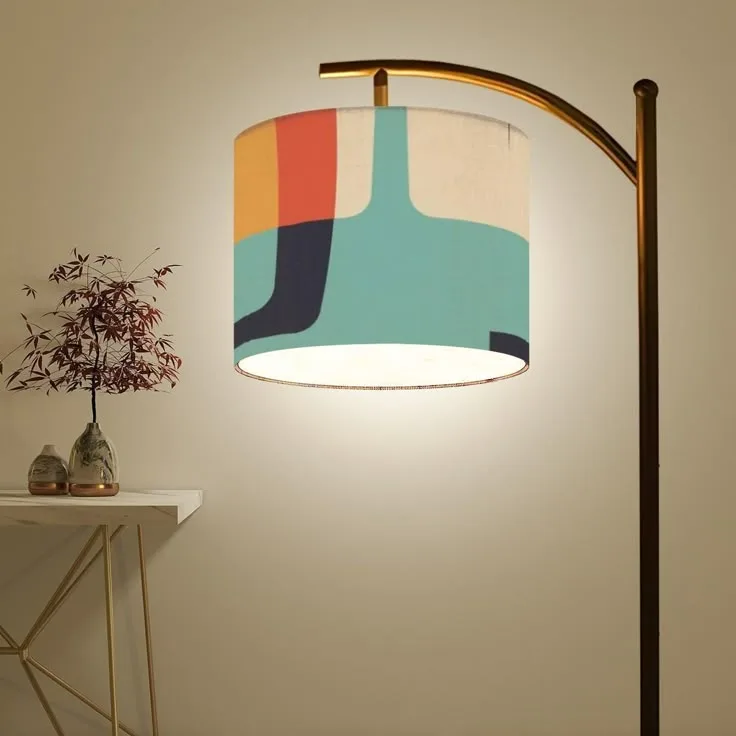
Image source: Web (Bing) / pinterest.com (Web image (fair-use with source credit))
Quick Answer
A floor lamp too close to curtains poses a serious fire risk. Heat from incandescent or halogen bulbs can ignite fabric. The NFPA recommends at least 12 inches of clearance between heat-producing lamps and flammable materials.
LED lamps produce far less heat, but still need 6 inches of space. Move the lamp or secure curtains away immediately to reduce risk.
Why a Floor Lamp Too Close to Curtains Is a Serious Fire Hazard, Not Just a Clutter Annoyance
Most people assume a lamp touching a curtain will just cause a small scorch mark, but that’s not how fabric fires start. Untreated cotton, polyester, and sheer curtain fabrics can ignite at temperatures as low as 400°F (204°C). Incandescent and halogen floor lamp shades can easily hit 250°F (121°C) after just 30 minutes of use, per manufacturer thermal testing.
The risk isn’t just direct contact, either. A slight draft from an open window or AC vent can push curtain fabric against a hot lamp shade without you noticing. Smoldering fabric can burn for minutes before fully igniting, giving you no warning until it’s too late.
For renters, elderly users, or people in small apartments, this hazard is even more common, since you can’t always rearrange permanent lighting or curtain rods.
Per NFPA residential fire safety guidelines, this setup violates basic residential fire safety requirements for heat source placement. Most standard renters insurance policies require compliance with these codes to cover fire-related damages. In 2026, home insurance providers are increasingly denying claims for fires traced to unsecured lighting near fabric, citing clear negligence of basic safety standards.
For context, electrical faults in floor lamps are a far smaller fire risk than this heat-to-fabric contact, per aggregate claim data. You can spot common electrical red flags in your own lamp to rule out other hazards.
The Hidden Heat Facts Most People Get Wrong About Lamps and Curtains
The biggest myth about this hazard is that LED lamps are completely heat-free, so they’re safe anywhere. That’s not true. While LED bulbs run far cooler than incandescent or halogen options, their shades can still reach 90°F to 100°F (32°C to 38°C) after extended use.
For thin, dark-colored curtains that absorb heat, that’s enough to cause slow, undetected fabric degradation over time.
Incandescent and halogen bulbs are the real danger zone, though. Manufacturer specs show their surface temperatures can hit 250°F (121°C) or higher, well above the ignition point for most common curtain fabrics. Even a 60-watt incandescent bulb can generate enough heat to melt synthetic polyester or scorch cotton if left too close for hours.
If you’ve recently replaced your floor lamp bulb, double-check the wattage rating of your lamp shade to avoid overheating.
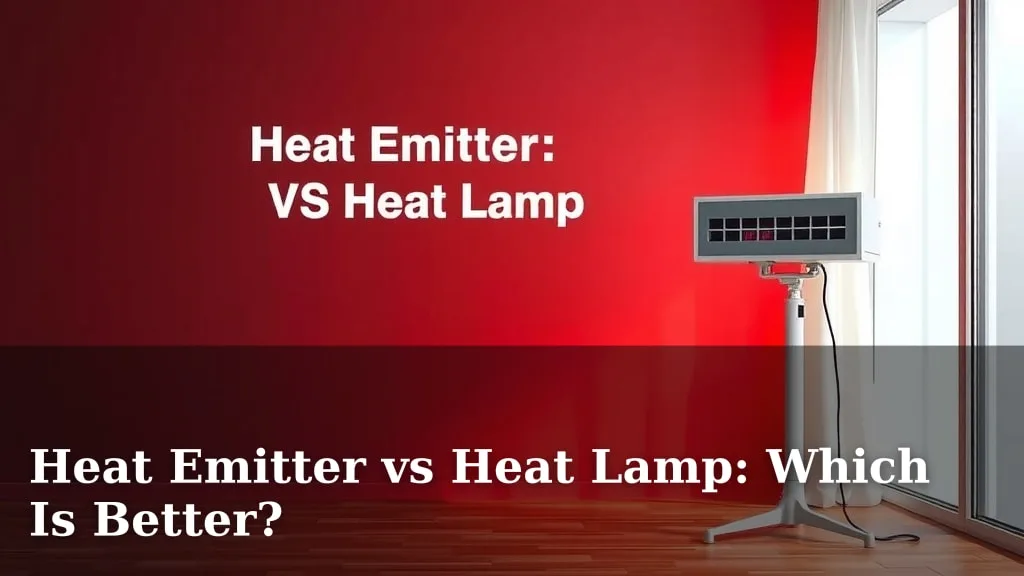
Image source: Web (Bing) / bestdesklamp.com (Web image (fair-use with source credit))
Another common misconception is that only direct contact causes fire. In reality, radiant heat from a lamp can ignite fabric up to 6 inches away if the bulb is high-wattage and the fabric is thin or highly flammable. Sheer curtains are especially at risk here, since they trap heat against the lamp shade with almost no barrier.
NFPA testing confirms that 30% of fabric fires from lighting start without direct touch, just from prolonged radiant heat exposure.
Step-by-Step Fixes to Eliminate the Risk Right Now
If your floor lamp is too close to curtains right now, you can fix the risk in 10 minutes or less with these steps. No permanent modifications required for most setups.
- Measure the current clearance first. Use a tape measure to check the distance between the outermost edge of your lamp shade and the nearest curtain fabric. Per NFPA guidelines, heat-producing lamps need at least 12 inches of clearance, while LED lamps need at least 6 inches.
- Move the lamp to a new spot first. Shift it at least 2 feet away from the curtain rod, or place it on a table near the window instead of the floor. If the cord is too short, use a low-profile cord cover to prevent tripping hazards.
- Secure the curtains if you can’t move the lamp. Use a fabric tie-back or magnetic curtain holdback to pull the fabric at least 12 inches away from the lamp shade when it’s in use. This works great for renters who can’t adjust curtain rods.
- Swap to a low-heat bulb if you use a high-wattage incandescent or halogen. Check your lamp’s maximum wattage rating, then replace the bulb with a compatible LED option that uses 60% less energy and produces far less heat. You can troubleshoot post-swap flickering if you notice issues after installation.

Image source: Web (Bing) / thespruce.com (Web image (fair-use with source credit))
For extra safety, hold a piece of plain white paper against the curtain closest to the lamp after 30 minutes of use. If the paper feels hot, add more clearance.
7 Common Mistakes That Keep Your Lamps and Curtains at Risk
Even if you think you’re being safe, these small oversights leave you exposed to fire risk:
- Assuming LED lamps need zero clearance. While LEDs run cooler, they still produce enough heat to damage thin fabrics over time, and faulty LED drivers can overheat unexpectedly.
- Only checking clearance when you first set up the lamp. Rearranging furniture, adding a rug, or adjusting curtain fullness can reduce clearance by inches without you noticing.
- Using a higher-wattage bulb than your lamp is rated for. This overloads the fixture, generates excess heat, and increases fire risk even if the lamp is placed correctly.
- Leaving curtains drawn while the lamp is on for hours unattended. Heat builds up gradually, so a lamp left on overnight near curtains is a major hazard even with 12 inches of clearance.
- Using damaged lamp cords or frayed wiring near fabric. A short circuit can spark and ignite fabric instantly, even if the lamp is cool to the touch. If your floor lamp cord only works when held a certain way, replace it immediately before using it near curtains.
- Forgetting that dark curtains absorb more heat than light-colored ones. A blackout curtain near a lamp can run 20°F hotter than a sheer white curtain in the same spot.
- Assuming a lamp shade’s outer material is heat-resistant. Many fabric or plastic shades trap heat inside, raising the shade surface temperature far above the bulb’s rated temperature.
Safe Alternatives When You Can't Reposition Your Floor Lamp
If you can’t move your floor lamp further from the curtains, you don’t have to live with the risk. Renters, small-space dwellers, and people with fixed furniture layouts often hit this wall. There are safe, low-cost workarounds that don’t require drilling holes or permanent changes.
The simplest fix is a heavy-duty curtain tie-back or magnetic holdback. These pull fabric away from the lamp when it’s in use. They’re damage-free for rental properties, too.
For a more permanent solution, swap your floor lamp for a wall sconce. Wall-mounted fixtures keep lighting off the floor entirely. This eliminates any clearance conflict with hanging fabric.
If you prefer to keep the floor lamp, replace high-heat incandescent or halogen bulbs with low-heat LED options. Add a heat guard around the bulb if your lamp shade allows it.
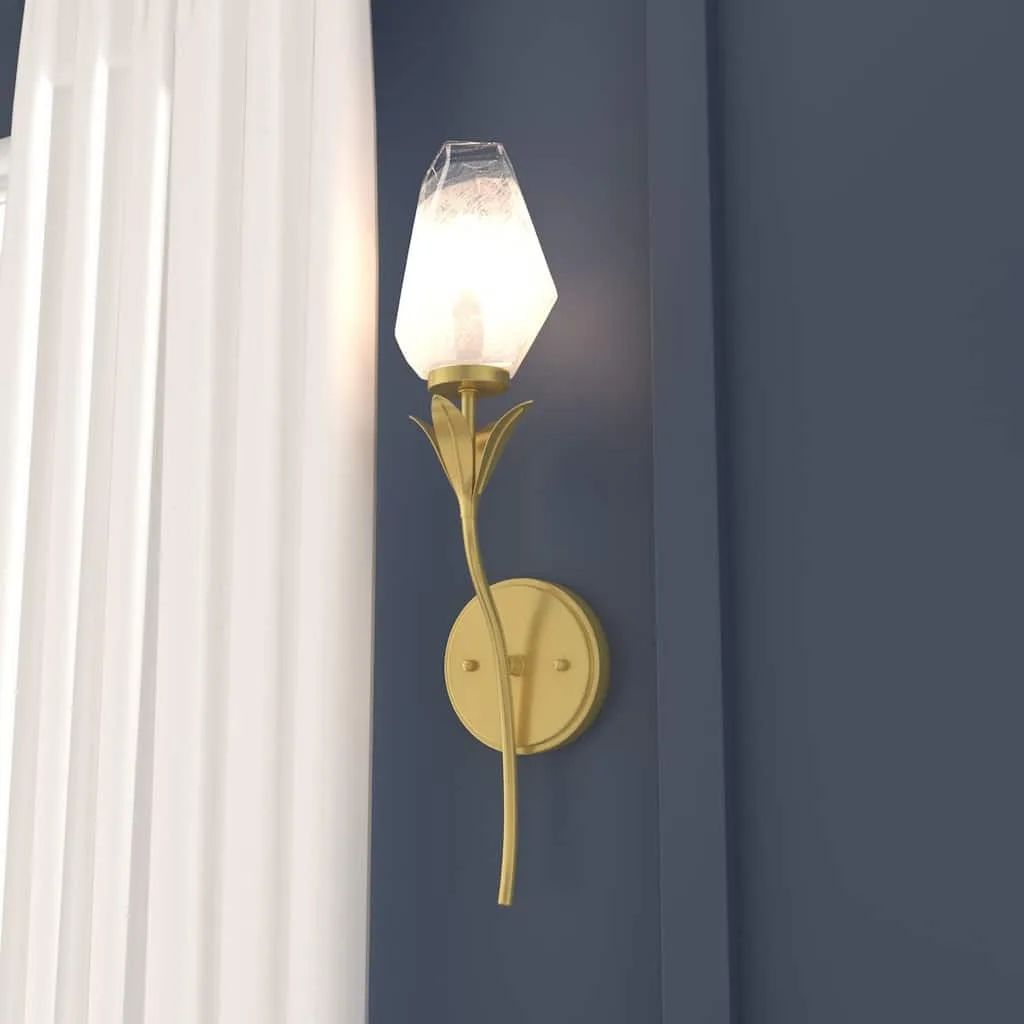
Image source: Web (Bing) / overstock.com (Web image (fair-use with source credit))
| Alternative | Best For | Minimum Clearance Needed | Approximate Cost |
|---|---|---|---|
| Curtain tie-back | Renters, temporary fixes | 12 inches from heat source | $5–$15 |
| Wall sconce | Small rooms, permanent solutions | 6 inches from wall/curtains | $20–$80 |
| LED bulb swap | All setups, low-cost fix | 6 inches | $3–$10 per bulb |
| Heat guard for lamp shade | High-wattage fixtures that can’t be moved | Maintains existing clearance | $8–$12 |
If you opt for a wall sconce, choose a UL-listed model with a frosted or metal shade. This diffuses heat away from nearby fabric. Avoid sconces with exposed halogen bulbs.
These still generate enough radiant heat to risk curtain damage over time. For renters who can’t hardwire a sconce, plug-in corded models are a great no-drill option. They deliver the same clearance benefit without permanent modifications.
Don’t rely on "cool touch" lamp shades marketed for safety. Many still trap heat against fabric if clearance is too small. Per CPSC lighting safety testing, even cool-touch shades can reach 110°F (43°C) after 1 hour of use.
That’s enough to degrade synthetic curtain fibers over months of exposure. If you’ve had inconsistent lighting from your current lamp, it’s worth troubleshooting touch control faults first to rule out electrical issues that could worsen fire risk.
FAQs: Floor Lamp and Curtain Safety, Answered
How close is too close for a floor lamp to curtains?
The National Fire Protection Association recommends a minimum 12-inch clearance between heat-producing incandescent or halogen floor lamps and curtain fabric, and 6 inches for low-heat LED models. Any closer risks radiant heat buildup that can scorch or ignite fabric over time, even without direct contact between the shade and curtain.
Can an LED floor lamp start a curtain fire?
LED lamps run far cooler than incandescent options, but they still produce enough heat to damage thin or dark curtains after hours of continuous use. Faulty LED drivers can also overheat unexpectedly, so maintain at least 6 inches of clearance even with low-heat bulbs to avoid slow fabric degradation.
What clearance does the NFPA require for lamps near fabric?
The NFPA Life Safety Code sets a 12-inch minimum clearance for all heat-producing lighting fixtures near flammable materials including curtains, bedding, and upholstery. This standard applies to all residential spaces, including rentals and dorm rooms, as of 2026, and is referenced in most home insurance fire safety clauses.
Can a lamp touching curtains cause a fire even if it’s turned off?
No, a turned-off lamp won’t generate enough heat to ignite fabric. The risk only exists when the lamp is powered on and the bulb is heating up. That said, you should still avoid storing lamps pressed directly against curtains to prevent accidental switch activation or cord damage.
Do flame-retardant curtains eliminate lamp fire risk?
Flame-retardant curtains reduce ignition risk but don’t eliminate it entirely. Prolonged heat exposure can still degrade fabric fibers, cause discoloration, or damage the curtain’s flame-retardant coating over time. Stick to official clearance guidelines regardless of fabric treatment for full safety.
30-Second Safety Check to Confirm You're in the Clear
Run this quick 30-second check whenever you rearrange furniture, switch bulb types, or adjust curtain fullness to confirm your setup meets safety standards.
- Turn on your floor lamp and let it run for 30 minutes.
- Hold the back of your hand 6 inches from the curtain fabric closest to the lamp. If you feel noticeable warmth, add more clearance immediately.
- Scan the curtain fabric for any scorch marks or discoloration, especially near the top hem where heat rises.
- Inspect the lamp cord for fraying or exposed wiring near the curtain rod.
- Confirm the curtain is secured away from the lamp with a tie-back or holdback if it’s within 12 inches of the shade.
If any check fails, reposition the lamp or swap to a low-heat bulb right away. For persistent issues with flickering or overheating that aren’t related to placement, you can troubleshoot common floor lamp electrical faults to rule out fixture damage. If your lamp has a faulty pull chain that sticks in the on position, fixing a stuck pull chain will prevent accidental overnight operation near curtains.