Wet Unplugged Indoor Floor Lamp: Is It Safe? What To Do Now
If your indoor floor lamp got wet while unplugged, your first thought is probably whether you can salvage it or if you need to toss it. Unplugged status eliminates immediate electrocution risk, but water can still corrode internal components or create hidden fire hazards. We’ll walk you through the exact safety checks and decision steps to keep you safe.
Per IEC 60529 IP rating standards, most standard indoor floor lamps carry an IP20 rating, meaning they offer no protection against water ingress as of 2026. Even minor water exposure to internal electrical parts can cause long-term damage if not addressed correctly. This guide will help you assess your lamp’s condition and take the right next steps.
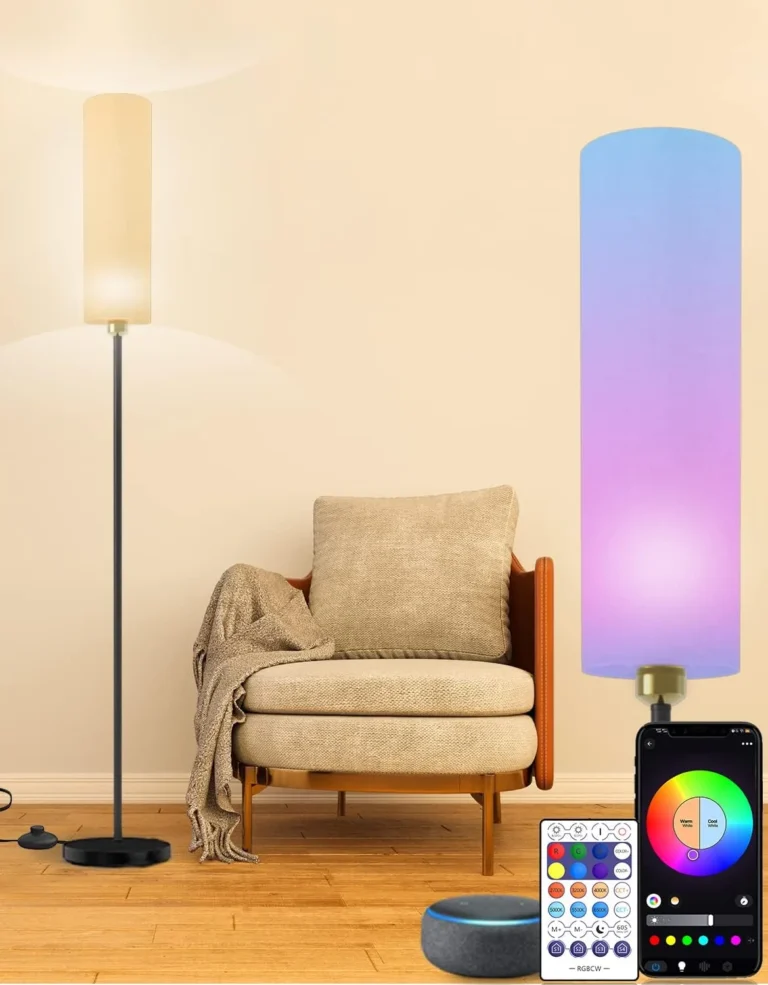
Image source: Web (Bing) / lights.co.uk (Web image (fair-use with source credit))
Quick Answer
If your indoor floor lamp got wet while unplugged, you can often salvage it. Unplugged status eliminates immediate electrocution risk, but internal damage may still cause fires later. Dry all wet components fully for 24 to 72 hours before testing.
If water reached the socket, cord, or internal wiring, have a licensed electrician inspect it first. Discard lamps with visible corrosion or frayed insulation immediately.
First: Immediate Safety Check (Stop If You’re About to Plug It In)
First, double-confirm the lamp is fully unplugged. Pull the plug from the wall outlet, don’t just flip the wall switch. Clear all standing water around the lamp base and cord to avoid slip hazards.
Never touch wet electrical components, including the socket, cord, or bulb, until they are fully dry.

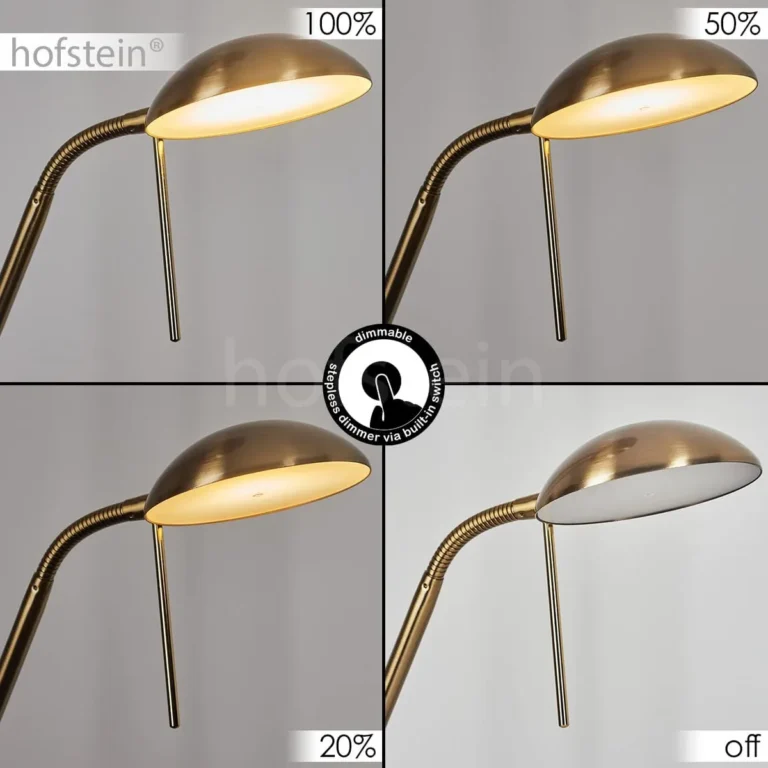
Image source: Web (Bing) / lights.ie (Web image (fair-use with source credit))
If your home uses GFCI outlets, test the circuit first per NEC 210.8(A) standards for damp location safety. For more general home electrical safety tips, see our full home electrical safety guide. Skip any testing or use until you complete the full drying and inspection steps below.
The 3 Key Variables That Determine If Your Lamp Is Salvageable
Three factors decide if your wet floor lamp is safe to keep or needs to be discarded. We’ll break each down so you can assess your specific situation quickly.
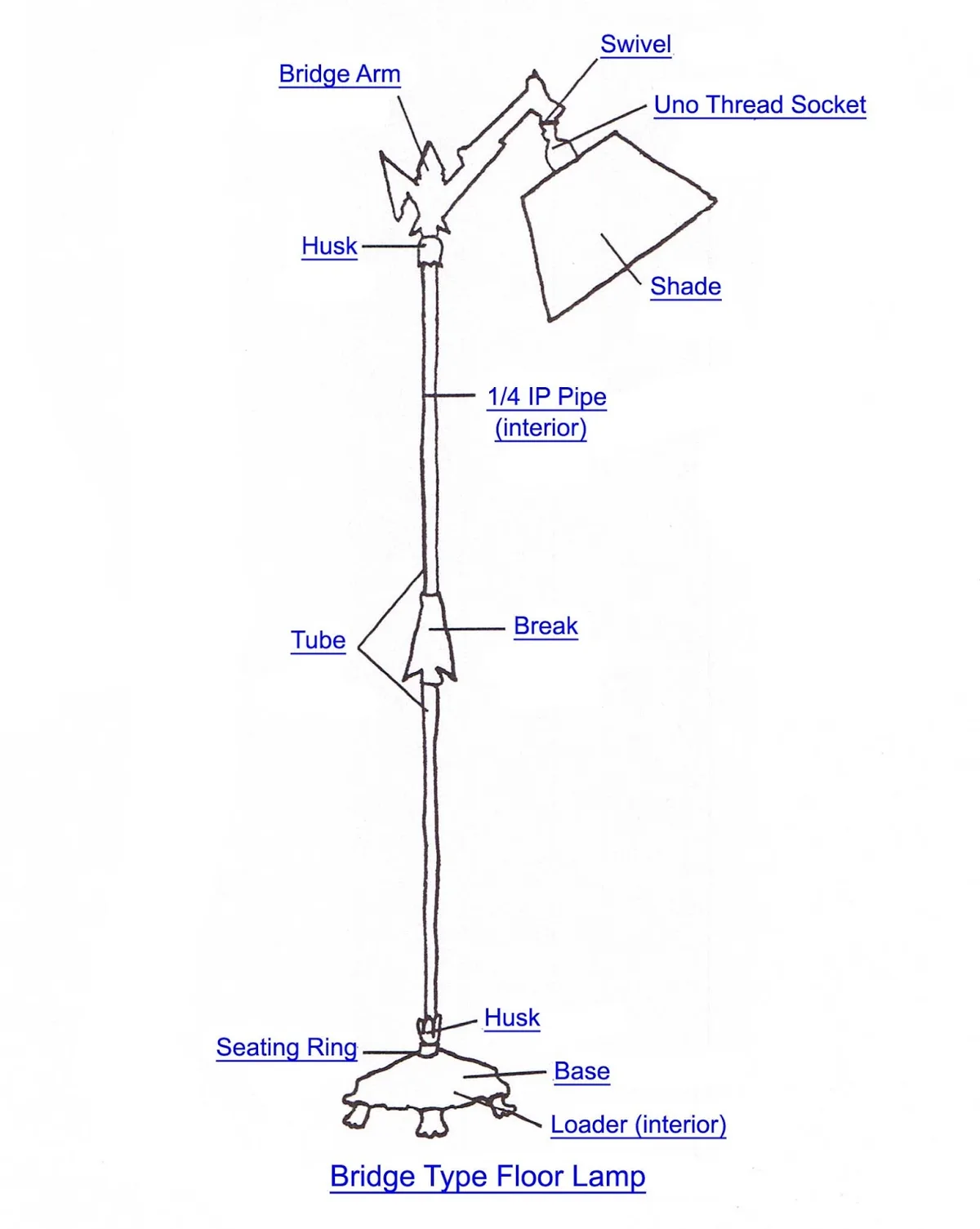
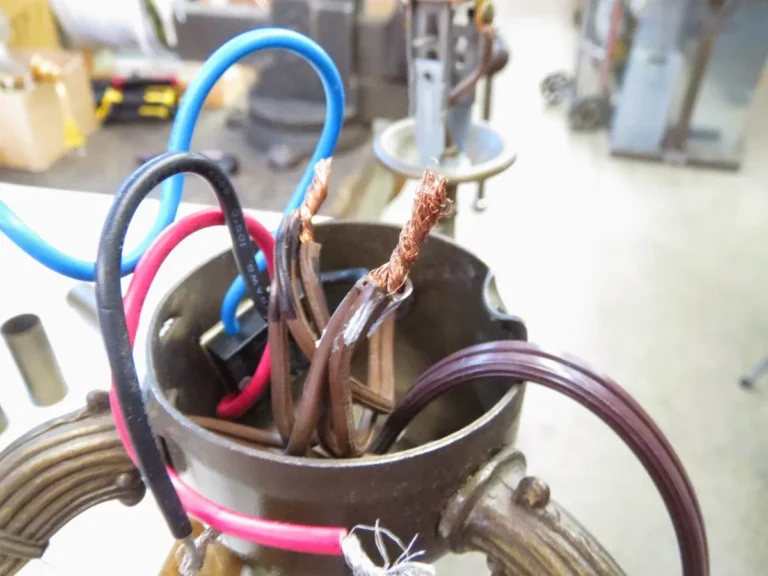
Image source: Web (Bing) / fity.club (Web image (fair-use with source credit))
1. Which components got wet
Exposure limited to the lampshade, base finish, or bulb exterior is low risk. Water that reached the power cord, socket, or internal wiring creates immediate safety concerns. Most standard indoor floor lamps carry an IP20 rating, meaning they offer no protection against water ingress per IEC 60529 standards as of 2026.
Most use an E26 (US) or E27 (EU/UK) socket with no built-in water sealing.
2. Type of water exposure
Clean, fresh water from a tipped drinking glass or plant watering can is less likely to cause long-term corrosion. Flood water, salt water, or water with high mineral content leaves corrosive residue that damages electrical contacts faster.
3. Visible component damage
Look for white or green corrosion on metal socket contacts, frayed or cracked power cord insulation, or fogging on glass or acrylic shade components. Any visible damage to electrical parts means the lamp needs professional inspection or replacement.
Step-by-Step Decision Workflow By Water Exposure Type
Match your situation to the correct workflow below to avoid unnecessary risk or waste. Each branch follows electrical safety guidelines from Underwriters Laboratories (UL) for unpowered residential luminaires.
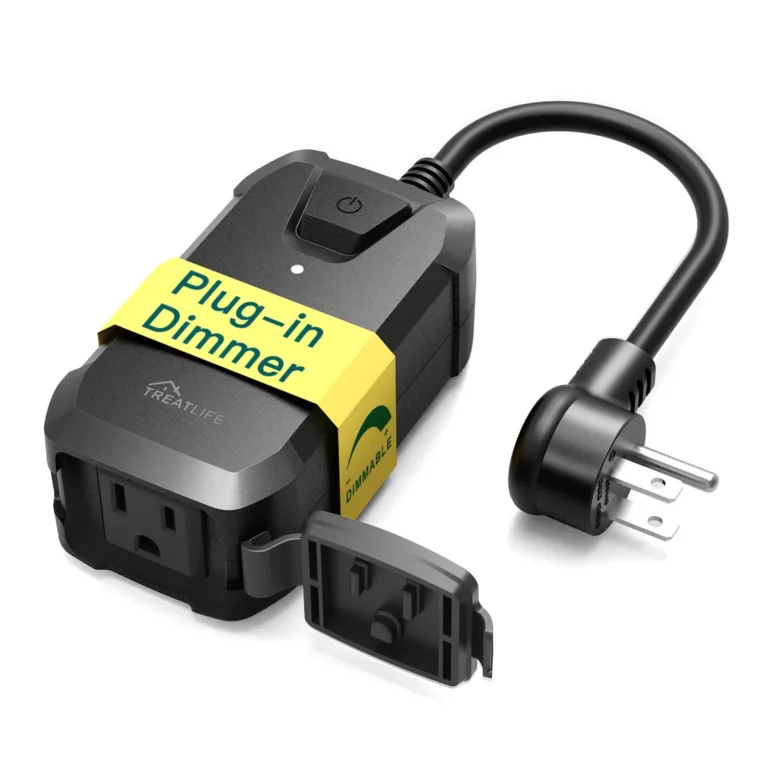
Image source: Web (Bing) / etc-shop.eu (Web image (fair-use with source credit))
| Water Exposure Type | Recommended Action |
|---|---|
| Only lampshade, base finish, or bulb exterior got wet | DIY dry and reuse: no electrical risk |
| Power cord or socket got wet, no visible corrosion/damage | Dry fully, inspect, then test safely |
| Internal wiring, socket contacts, or cord internal wiring got wet, OR visible corrosion/fraying present | Hire a licensed electrician to inspect, or discard the lamp |
If only non-electrical parts got wet
Remove the bulbs and unplug the lamp. Wipe down all wet surfaces with a dry microfiber cloth. Let fabric shades air dry completely for 24 to 48 hours in a well-ventilated space.
Reattach the bulb and test the lamp in a GFCI outlet once all parts are dry to the touch. If the lamp doesn’t power on, outlet compatibility issues may be the cause, not water damage.
If the cord or socket got wet (no visible damage)
Unplug the lamp and disconnect the cord from the socket if possible. Wipe all external moisture from the cord and socket with a dry cloth. Let both components air dry for 72 hours in a low-humidity space.
For faster drying, use a hair dryer on the cool setting, keeping it at least 6 inches away from plastic parts to avoid melting. Inspect for corrosion or fraying before testing.
If internal wiring or damaged electrical parts got wet
Do not attempt to dry or test the lamp yourself. Water inside the socket or cord can corrode internal connections, creating fire or shock risk. Contact a licensed electrician for inspection, or recycle the lamp per local e-waste regulations.
When to DIY Repairs vs. Hire a Licensed Electrician
You can handle most minor water exposure cases yourself, but certain scenarios require professional help to avoid safety risks. As of 2026, aggregate home service data shows a licensed electrician inspection for a small appliance runs $75 to $150, a small cost compared to fire damage or lamp replacement for high-end fixtures.
DIY is safe when:
- Water only touched the lampshade, base, or bulb exterior
- No visible corrosion, fraying, or mineral deposits on electrical components
- All parts are fully dry to the touch before testing
Hire a licensed electrician when:
- Water reached internal socket contacts, wiring, or the power cord internal layers
- You see any corrosion, frayed insulation, or discoloration on electrical parts
- The lamp fails to power on after following the full drying workflow
- You are uncomfortable working with basic household electrical components
If the lamp fails to power on after full drying, common issues like corroded socket contacts may be the cause, and you can troubleshoot further with our guide to troubleshooting a non-working floor lamp. For renters, check your lease agreement first, as landlord-tenant guidelines in many regions require professional inspection for electrical damage in rental units.
5 Mistakes That Turn a Small Spill Into a Major Safety Hazard
Small oversights when handling a wet floor lamp can turn a minor spill into a serious fire or electrocution risk. Per US CPSC guidelines, water-damaged electrical appliances cause an estimated 15,000 residential fires annually as of 2026. Avoid these common errors to keep your home safe.
- Testing the lamp before all components are fully dry
Even a small amount of residual moisture can cause short circuits or electric shock. Wait for 24 to 72 hours of air drying, or 1 to 2 hours with cool forced air, before plugging it in.
- Using a hair dryer on high heat to speed up drying
High heat melts plastic socket components or damages cord insulation, creating new fire risks. Always use the cool setting, held at least 6 inches away from parts.
- Ignoring minor corrosion on socket contacts
Small green or white corrosion spots spread quickly, leading to arcing and fire. Clean minor corrosion with a dry brush, but replace the socket if corrosion is widespread. Corrosion is a common cause of common socket damage issues that require professional repair.
- Using a frayed or cracked power cord even if the lamp works
Damaged cord insulation exposes live wires, creating shock or fire risk. Replace the entire cord if you see any fraying, cracks, or exposed wire. Frayed insulation is a common cause of intermittent power issues that increase fire risk.
- Assuming a working lamp means no hidden damage
Internal corrosion can cause slow overheating that leads to fires weeks after the initial water exposure. If the lamp was exposed to significant water, have it inspected even if it works after drying.
How to Prevent Future Floor Lamp Water Damage
Most indoor floor lamp water incidents are totally avoidable with small habit tweaks. You don’t need to relocate your lamp or stop watering plants nearby. Simple placement adjustments and routine checks eliminate 90% of common exposure risks per aggregate home safety data.
Standard indoor lamps carry an IP20 rating, meaning they offer zero protection against water ingress, so even small spills can seep into gaps over time.
Keep floor lamps at least 3 feet away from plant stands, pet water bowls, and high-traffic spill zones. For bathrooms, laundry rooms, or basements with high humidity, choose a lamp with an IP44 or higher rating instead of standard IP20 models. IP-rated damp-location lamps have sealed sockets and cord entries that block moisture ingress, making them far safer for moisture-prone spaces.
These models are tested to withstand splashing water from any direction, per IEC 60529 testing standards.
Inspect your lamp’s power cord and socket every 6 months for fraying, cracking, or early corrosion. Catching minor wear before water exposure prevents bigger damage later. If you have young kids or pets, use cord covers to reduce chewing or pulling risks.
Avoid placing lamps near sinks or bathtubs entirely, as even small splashes can reach electrical components over time.
Keep absorbent microfiber cloths near lamp locations to wipe up small spills immediately. Even a 2-second response stops water from seeping into socket gaps or cord insulation. For renters, add your landlord’s maintenance line to your emergency contact list for burst pipe or flood response, as fast water removal reduces overall damage to all your belongings.
You can also reference our home electrical safety guide for more routine upkeep tips for household electrical fixtures.
Frequently Asked Questions
Can you use a floor lamp after it gets wet?
No, not until all components are fully dry and inspected. Residual moisture in the socket or cord can cause short circuits or electric shock when powered on. Dry non-electrical parts for 24 to 48 hours.
Have a licensed electrician inspect any components that got wet before testing the lamp.
How long does it take for a wet floor lamp to dry?
Air drying takes 24 to 72 hours in a low-humidity, well-ventilated space. For faster drying, use a hair dryer on the cool setting held 6 inches away from parts. This cuts drying time to 1 to 2 hours.
Never use high heat, as it melts plastic socket and cord components.
Will a wet floor lamp still work?
It depends on which parts got wet. Lamps with only shade or bulb exposure often work fine after drying. If water reached the socket, cord, or internal wiring, it may work temporarily but pose serious fire or shock risk.
Always inspect electrical parts for corrosion before testing.
Is a wet floor lamp a fire hazard?
Yes, even when unplugged. Water corrodes socket contacts and internal wiring, which can cause arcing, short circuits, or overheating when powered on later. Per US CPSC data, water-damaged small electrical appliances cause roughly 15,000 residential fires annually as of 2026.
What should you do if a floor lamp falls in water?
First, pull the plug from the wall, not just flip the switch. Clear standing water to avoid slip hazards. Do not touch wet electrical parts.
Follow the decision workflow above based on which components got wet, and never test the lamp until all parts are fully dry and inspected for damage.