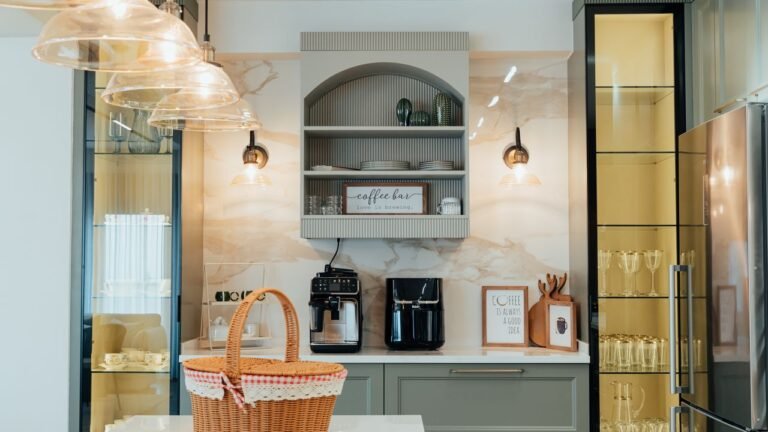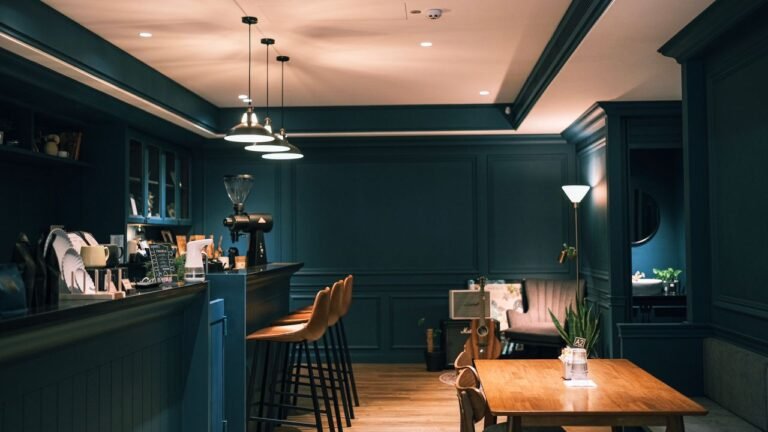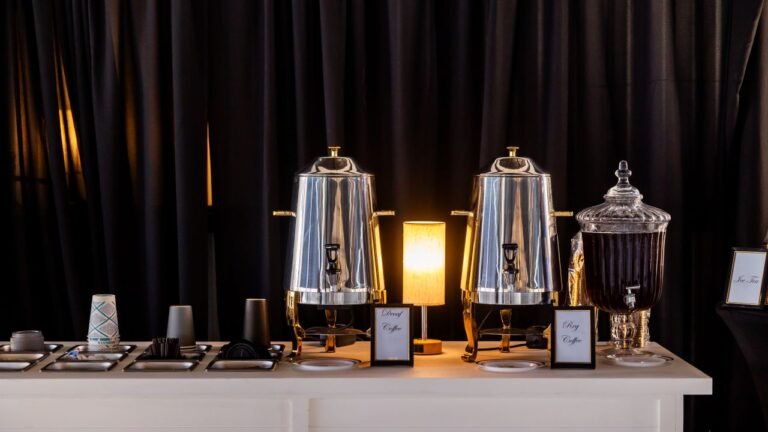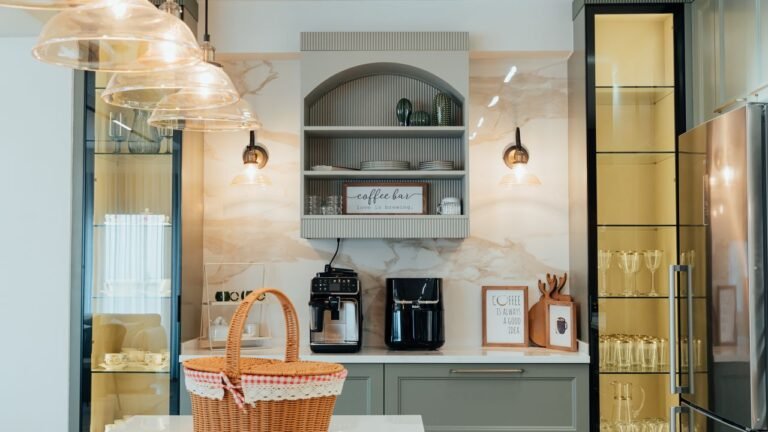
Kitchen Coffee Bar Design Ideas That Feel Elevated
A well-planned kitchen coffee bar design can turn a cluttered counter corner into your favorite morning spot, no matter how much space you have to work with. Whether you’re upgrading a tiny nook or carving out room in a sprawling gourmet kitchen, the right details make all the difference in how functional and inviting your station feels. You don’t need a massive remodel to pull off a high-end look, either.
Below are 24 distinct, actionable ideas to help you design a coffee bar that fits your style, storage needs, and budget. From clever small-space hacks to statement decor touches, you’ll find inspiration to make your at-home cafe feel both personal and polished. Let’s dive into the details that will take your coffee routine to the next level.
24 Creative Kitchen Coffee Bar Design Ideas
1. Pick a Dedicated Counter Corner
A dedicated corner for your coffee bar eliminates clutter from your main prep area and keeps all your favorite brewing tools within arm’s reach. It creates a mini-routine that makes morning coffee feel like a special ritual, rather than a rushed afterthought. Even a 2-foot wide spot is enough to house a standard drip machine, a small mug rack, and a canister of coffee beans. This small designated zone also keeps coffee spills and crumbs contained to one easy-to-clean area.
Start by measuring the width and depth of the corner you’re considering, then list all the non-negotiable gear you use daily, like your machine, grinder, and favorite mugs. Avoid spots right next to the stove or dishwasher, where heat and steam can damage your equipment. If you have an awkward dead space between cabinets, a slim rolling cart can work as a movable alternative if you don’t want to commit to a permanent spot.
2. Install Floating Shelves for Mugs
Floating shelves are a space-saving way to display your favorite mugs without taking up precious counter real estate. They add a decorative touch that feels personal, especially if you collect vintage or hand-thrown ceramic pieces. Unlike bulky cabinet storage, open shelves let you see all your mugs at a glance, so you never have to dig through a crowded cabinet to find your go-to morning cup. They also work in even the smallest kitchen layouts, as you can mount them at any height that fits your space.
Opt for 8 to 12-inch wide shelves made of solid wood or MDF for durability, and mount them 12 to 18 inches above your coffee machine to avoid splatters. Use adhesive or hidden bracket hardware to keep the look sleek, and avoid overloading them with more than 4 to 6 mugs per shelf to prevent sagging. For renters, command strip-mounted floating shelves are a no-damage option that can be removed easily when you move.

3. Add an Undercounter Drawer
An undercounter pull-out drawer is the perfect solution for storing bulky coffee gear like your grinder, milk frother, and extra filters out of sight. Unlike open shelves, it keeps your coffee bar looking tidy even when you’re in a rush, and it protects delicate equipment from dust and spills. It’s a great pick for small kitchens where every inch of storage counts, as it uses otherwise wasted space below your countertop. Many models are adjustable, so you can customize the interior to fit your specific gear.
Look for a soft-close drawer kit that fits the existing cabinet space under your coffee machine, which typically costs between $50 and $150 for a basic model. Install it at a height that lets you easily reach in without bending too far, and add small dividers inside to keep small items like filters and stirrers from rolling around. If you’re not comfortable with DIY installation, a local cabinetmaker can add the drawer for an extra $100 to $200 in labor costs.
4. Use a Stackable Mug Organizer
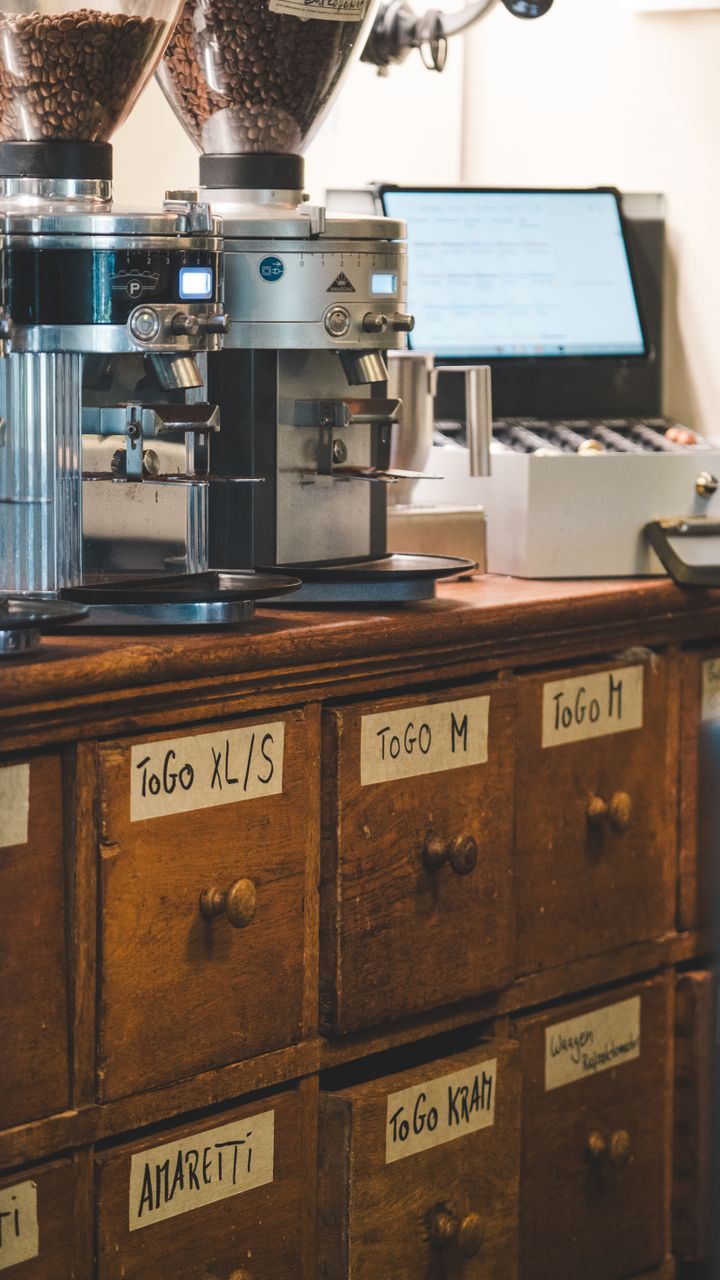
A stackable mug organizer is a game-changer for coffee lovers with large mug collections who don’t want to sacrifice counter or cabinet space. These tiered stands let you store twice as many mugs in half the footprint of a traditional cabinet, and they keep each mug visible so you can quickly grab the one you want. Many models have non-slip grips on each tier to prevent chipping, and some even have small compartments for tea bags or stirrers. They work equally well on countertops, inside cabinets, or even on top of the fridge if you’re short on space.
Look for a BPA-free plastic or bamboo organizer that holds 6 to 12 mugs, which typically costs between $15 and $35. You can find options that fit standard cabinet shelves, or countertop versions with a drip tray underneath to catch any moisture from recently washed mugs. Avoid overstuffing the tiers, as this can cause mugs to tip over and break. You can find affordable options like IKEA’s mug organizer that fit standard cabinet shelves.
5. Hang a Pegboard for Gear
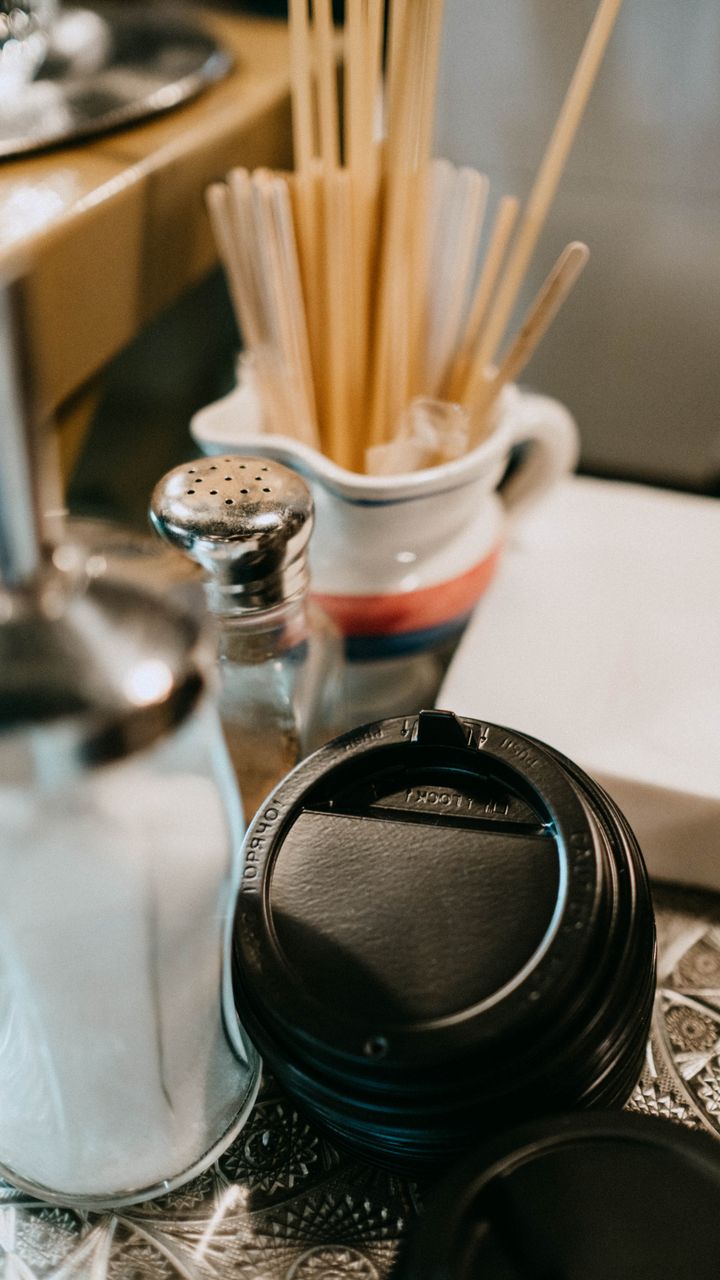
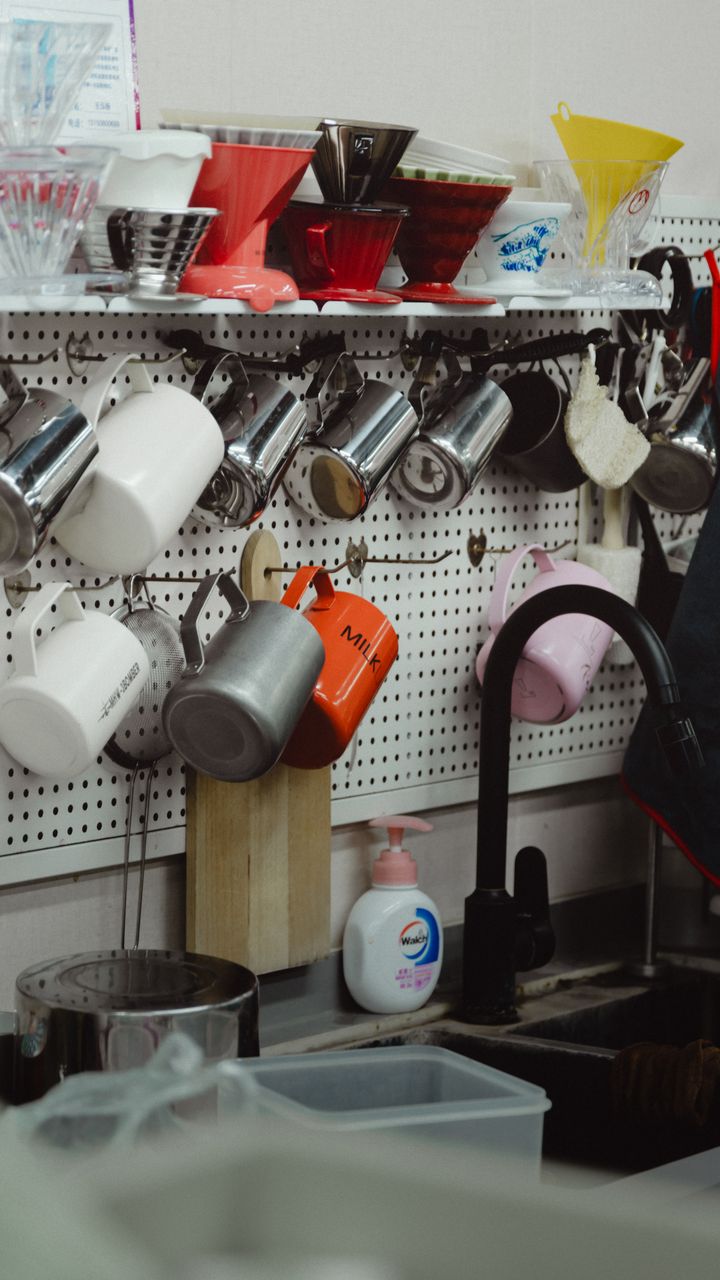
A wall-mounted pegboard is a versatile storage solution that lets you hang everything from your milk frother and coffee scoops to your favorite reusable stirrers and tea towels. It keeps all your small coffee accessories off the counter and within easy reach, which cuts down on clutter and speeds up your morning routine. You can customize the layout whenever you add new gear, and it adds a fun, industrial touch that fits both modern and rustic kitchen styles. It’s especially useful for small kitchens where counter space is at a premium.
Pick a 2-foot by 3-foot pegboard made of metal or wood, and mount it on the wall directly above or beside your coffee machine. Use a mix of hooks, small shelves, and bins to organize your gear, and group similar items together (like all brewing tools on one side and mugs on the other). Basic pegboard kits cost between $25 and $60, and you can add or remove hooks as your gear collection changes over time.

6. Add a Small Accent Rug
A small accent rug under your coffee bar adds a cozy, inviting touch and protects your flooring from spills, drips, and heat damage from your machine. It also defines the coffee bar as its own separate zone, even if it’s just a small corner of a larger kitchen. Look for low-pile, washable rugs that won’t slip underfoot, especially if you have kids or pets in the home. A rug with a subtle pattern or neutral color will tie the space together without clashing with your existing kitchen decor.
Choose a rug that’s at least 2 feet wide and 3 feet long, so it fits entirely under your coffee machine and any small stools you might pull up to the bar. Wool and polypropylene blends are durable, stain-resistant, and easy to wipe clean, and typically cost between $20 and $50 for a small size. Avoid shag rugs, as their high pile can catch on the base of your coffee machine and make it harder to move for cleaning.

7. Add Recessed Cabinet Lighting
Recessed LED lighting installed in the cabinet above your coffee bar adds warm, focused light that makes it easier to see what you’re doing when you’re making coffee early in the morning or late at night. It also highlights your mug collection or decorative coffee accessories, turning your coffee bar into a small design feature in your kitchen. Unlike under-cabinet lighting, recessed lights are almost invisible when turned off, so they don’t clutter the look of your space. They’re especially useful for kitchens with poor overhead lighting that leaves counter corners dim.
Opt for 2 to 4 warm-white (2700K) LED recessed lights that fit the standard cutout size of your upper cabinets, which typically cost $15 to $30 per fixture. If you’re not comfortable with electrical work, hire a licensed electrician to install them, which will add $100 to $300 in labor costs depending on your location. For a no-drill alternative, battery-operated LED cabinet lights are available for $20 to $40 and stick on with adhesive.
8. Use a Marble or Slate Tray
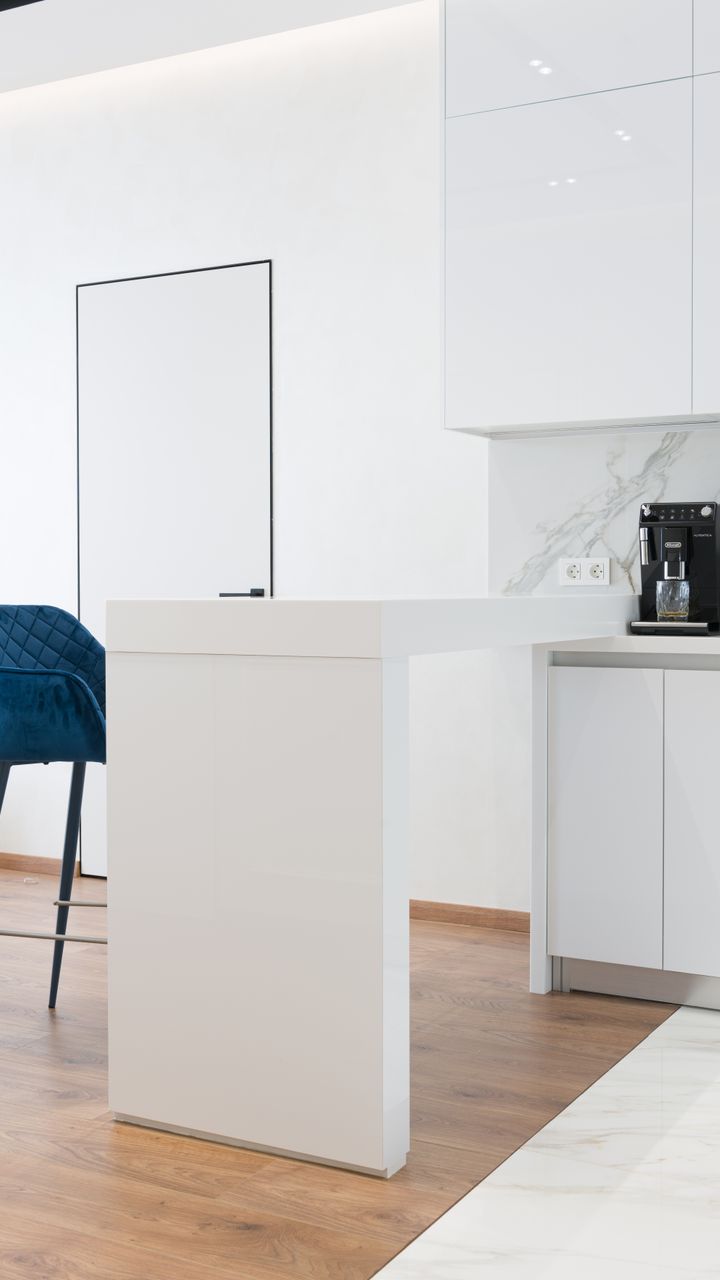
A large marble or slate tray under your coffee machine and accessories acts as a protective barrier for your countertop, catching spills, drips, and coffee grounds before they stain your surfaces. It also groups all your coffee gear together visually, making the space look intentional and polished rather than cluttered. Natural stone trays have a luxurious, timeless look that fits both modern and traditional kitchen styles, and they’re heavy enough that they won’t slide around when you’re moving your machine. A tray also makes it easy to lift and move all your coffee gear at once if you need to clear the counter for cooking.
Look for a rectangular tray that’s at least 12 inches wide and 18 inches long, big enough to fit your machine, a small canister of beans, and a mug. Genuine marble trays cost between $30 and $80, while slate options are slightly cheaper at $20 to $50. Avoid porous travertine trays, as they can stain easily from coffee spills, and wipe the tray down with a damp cloth after each use to keep it looking clean. For a high-end option, check out CB2’s marble coffee tray for a sleek, polished look.

9. Install a Wall-Mounted Mug Rack
A wall-mounted mug rack is a space-saving alternative to countertop mug holders, and it adds a decorative, functional touch to your coffee bar. It keeps your mugs off the counter, freeing up space for your machine and other accessories, and it lets you display your favorite pieces as part of your kitchen decor. Many racks have adjustable hooks that fit mugs of all sizes, from small espresso cups to large travel mugs. They’re especially useful for small kitchens where every inch of counter space is valuable.
Look for a metal or wood rack that holds 4 to 8 mugs, which typically costs between $20 and $50. Mount it on the wall directly above your coffee machine at a height that lets you easily grab mugs without stretching, and make sure the hooks are spaced far enough apart that mugs don’t touch each other and risk chipping. For renters, a suction-cup mounted mug rack is a no-damage option that can hold up to 10 pounds of mugs.
10. Add a Small Trash Bin
A small, lidded trash bin tucked near your coffee bar makes it easy to toss used coffee grounds, tea bags, and disposable stirrers without trekking to your main kitchen trash can. It keeps your coffee bar tidy and reduces the risk of coffee grounds spilling on your clean floors. Look for a bin with a tight-sealing lid to contain odors from used coffee grounds and wet tea bags, and a small footprint that fits neatly in an open cabinet or under the counter. Some models even have a built-in compost bin insert for used grounds, which is a great eco-friendly option.
Choose a 1 to 2-gallon bin that fits in the space under your sink or in a narrow cabinet next to your coffee machine, which typically costs between $10 and $30. Opt for a stainless steel or plastic bin with a foot pedal for hands-free opening, so you don’t have to touch the lid with messy hands. Empty the bin every 2 to 3 days to prevent odors from building up, especially if you use a lot of coffee grounds or tea bags daily.
11. Add a Vintage Coffee Sign
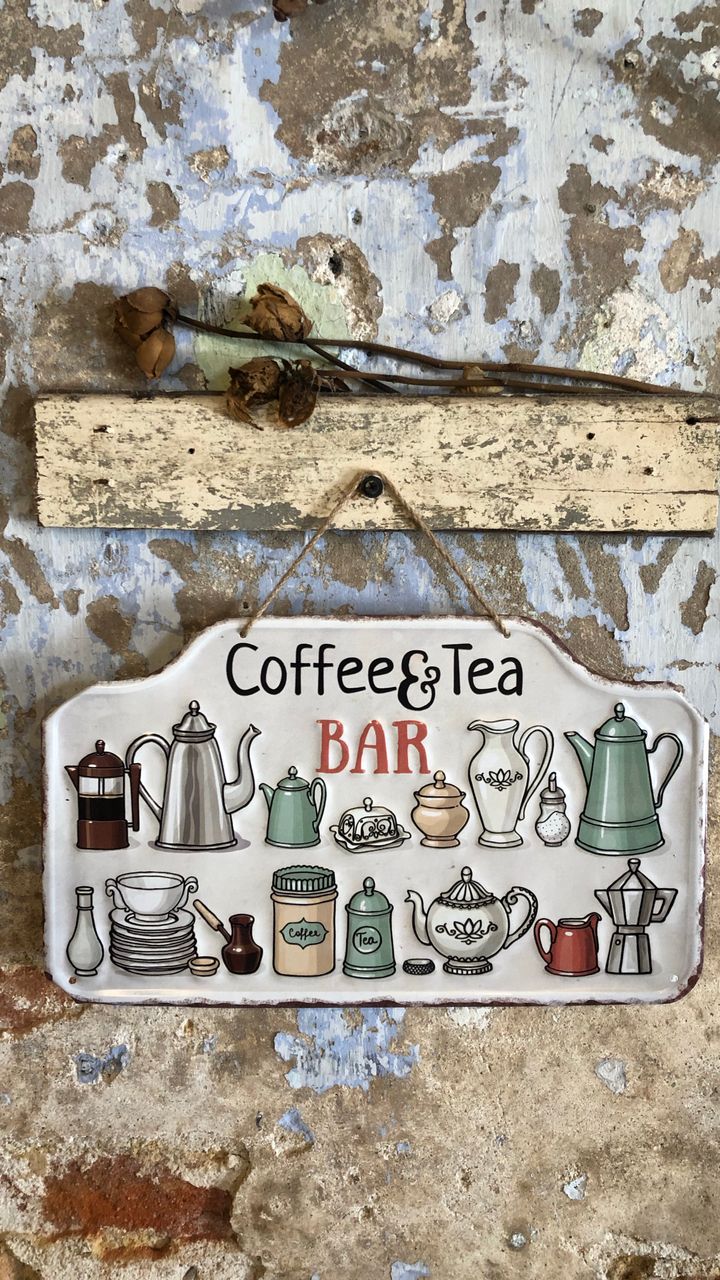
A vintage-inspired coffee sign adds personality to your coffee bar and makes the space feel warm and inviting, even if you’re on a tight budget. You can find secondhand signs at flea markets or thrift stores for a few dollars, or print a custom design at home for even less. A small sign that says “Coffee Station” or lists your favorite coffee drinks adds a fun, personal touch that guests will love. It’s an easy way to tie your coffee bar into the overall aesthetic of your kitchen, whether you have a rustic, modern, or eclectic style.
Look for a sign that’s 8 to 12 inches wide, big enough to read from a few feet away but not so large that it overwhelms your space. Mount it on the wall above your coffee machine or lean it on a shelf for a casual, relaxed look. For a DIY option, print a custom design on cardstock and frame it in a small vintage frame for $5 to $10 total.
12. Use Clear Canisters for Beans
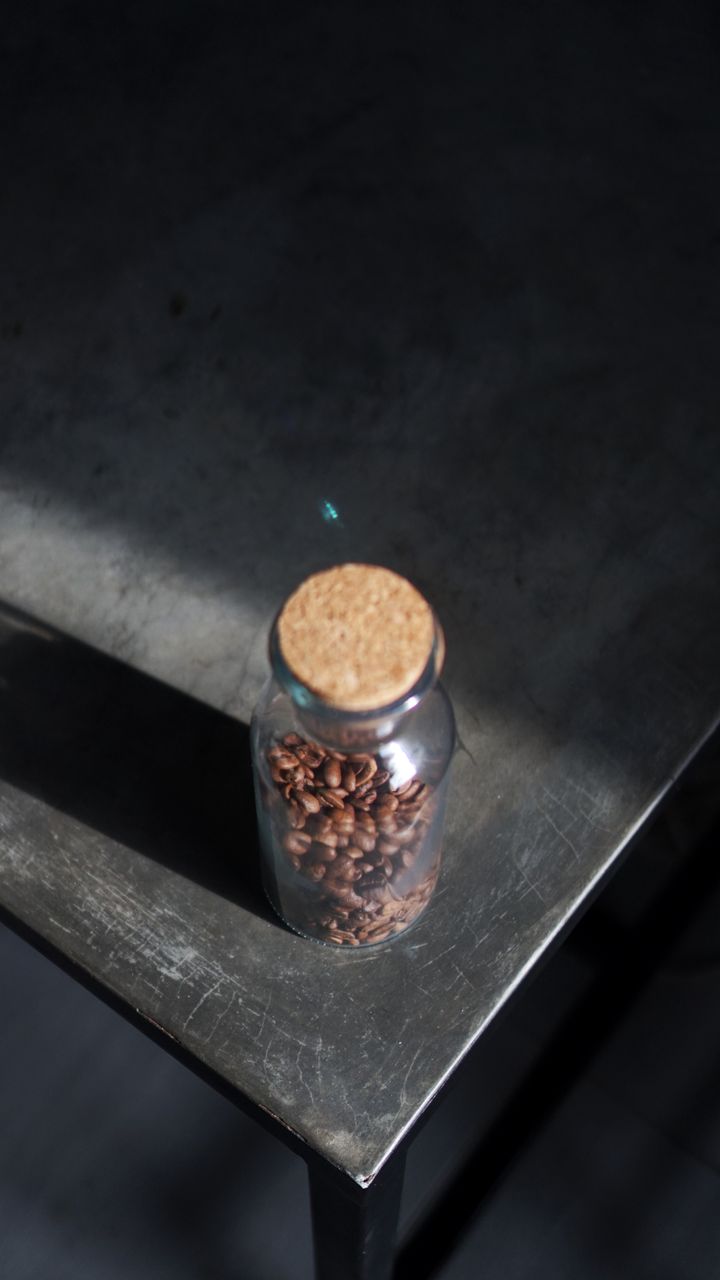
Clear airtight canisters for your coffee beans and grounds keep your coffee fresh for longer by blocking out air, moisture, and light, which are the biggest enemies of coffee flavor. They also let you see at a glance how much coffee you have left, so you never run out unexpectedly in the morning. Unlike opaque containers, clear canisters let you show off the color and texture of your favorite coffee blends, adding a nice decorative touch to your coffee bar. They’re also stackable, so they take up minimal counter or shelf space.
Look for BPA-free glass or plastic airtight canisters with a silicone seal, which typically cost $10 to $25 each. Label each canister with the roast date and type of coffee using a chalk marker or label maker, so you can keep track of freshness. Store the canisters in a cool, dark spot away from direct sunlight and the stove to preserve flavor, and avoid storing coffee in the fridge, as it can absorb odors from other foods.
13. Add a Pull-Out Syrup Rack
If you love making flavored lattes or specialty coffee drinks at home, a pull-out spice rack or narrow pull-out shelf is the perfect place to store your syrups, sauces, and toppings. It keeps all your add-ons organized and out of sight when you’re not using them, so your coffee bar stays looking tidy. Pull-out racks are easy to install in existing cabinet space, and they let you see all your syrups at once so you don’t have to dig through a crowded cabinet to find the one you want. They’re especially useful for people who have 5 or more different syrup flavors on hand.
Look for a 4 to 6-inch wide pull-out rack that fits the narrow cabinet space next to your coffee machine, which typically costs $20 to $50. Arrange your syrups by flavor or frequency of use, with your go-to vanilla or caramel at the front for easy access. For a no-install option, a tiered spice rack that sits on your counter works just as well, and costs between $10 and $20.

14. Install an Undercounter Mini Fridge
An undercounter mini fridge is a great addition to your coffee bar if you love adding cold milk, cream, or iced coffee ingredients to your drinks. It keeps dairy and perishable add-ons cold without taking up space on your counter, and it’s small enough to fit under most standard kitchen counters. Many models have adjustable shelves, so you can fit both milk cartons and small containers of cream or sugar. It’s also useful for storing pre-made iced coffee or cold brew if you make batches ahead of time.
Look for a compact mini fridge that’s 24 to 32 inches wide, which fits standard undercounter cabinet space, and costs between $150 and $300 for a basic model. Opt for an energy-efficient model with an adjustable thermostat, so you can set it to the perfect temperature for dairy products. If you don’t have space under your counter, a small countertop mini fridge is a good alternative, and costs between $80 and $150. Compact models like Brookstone’s mini fridge fit neatly under most counters.

15. Use a Non-Slip Machine Mat
A non-slip rubber or silicone mat under your coffee machine protects your countertop from scratches, heat damage, and spills, and it keeps your machine from sliding around when you’re pressing buttons or removing the carafe. It’s a cheap, easy upgrade that extends the life of both your machine and your countertop, especially if you have stone or laminate surfaces that are prone to scratching. Many mats have a raised edge that catches drips and spills, so you don’t have to wipe up small puddles every time you make coffee. They’re also easy to wipe clean, so maintenance is minimal.
Look for a mat that’s at least 12 inches wide and 16 inches long, big enough to fit your entire coffee machine base. Rubber mats are more durable and slip-resistant, and cost between $10 and $20, while silicone options are softer and better for protecting delicate stone countertops, costing $15 to $25. Avoid cloth mats, as they can absorb coffee spills and grow mold if not washed regularly.

16. Add a Small Fresh Plant
A small potted plant on your coffee bar adds a pop of greenery that makes the space feel alive and welcoming, even on busy mornings. Low-maintenance plants like succulents, pothos, or small herbs like mint or rosemary are perfect, as they don’t require a lot of sunlight or watering. The fresh scent of herbs like mint or lavender can also make your coffee routine feel more relaxing, and you can even snip a few leaves to add to iced coffee or tea for extra flavor. It’s a tiny, low-cost upgrade that makes a big difference in how the space feels.
Pick a small plant that’s 4 to 8 inches tall, so it doesn’t take up too much counter space, and choose a pot with a drainage tray to catch excess water. Place it in a spot that gets indirect sunlight, away from the heat of your coffee machine, so it doesn’t wilt. Water it once a week, or when the top inch of soil is dry, and avoid overwatering, which is the most common cause of houseplant death.
17. Incorporate a Chalkboard Menu
A small chalkboard sign on your coffee bar lets you write down your go-to coffee orders, favorite drink recipes, or even a fun quote to make the space feel more personal. It’s a great way to add a playful, customizable touch that you can change whenever you want, without committing to a permanent decor piece. You can use it to list the coffee drinks you make most often, or even write down the names of your favorite coffee blends for guests to see. It’s especially fun for families or people who love hosting friends for coffee dates.
Look for a small framed chalkboard that’s 8 to 12 inches wide, which costs between $8 and $20, or use a piece of chalkboard paint to turn a small wooden sign or even a section of your wall into a writable surface. Mount it on the wall above your coffee machine, or lean it on a shelf for a casual look. Use liquid chalk markers for brighter, more vibrant writing that won’t smudge as easily as traditional chalk.
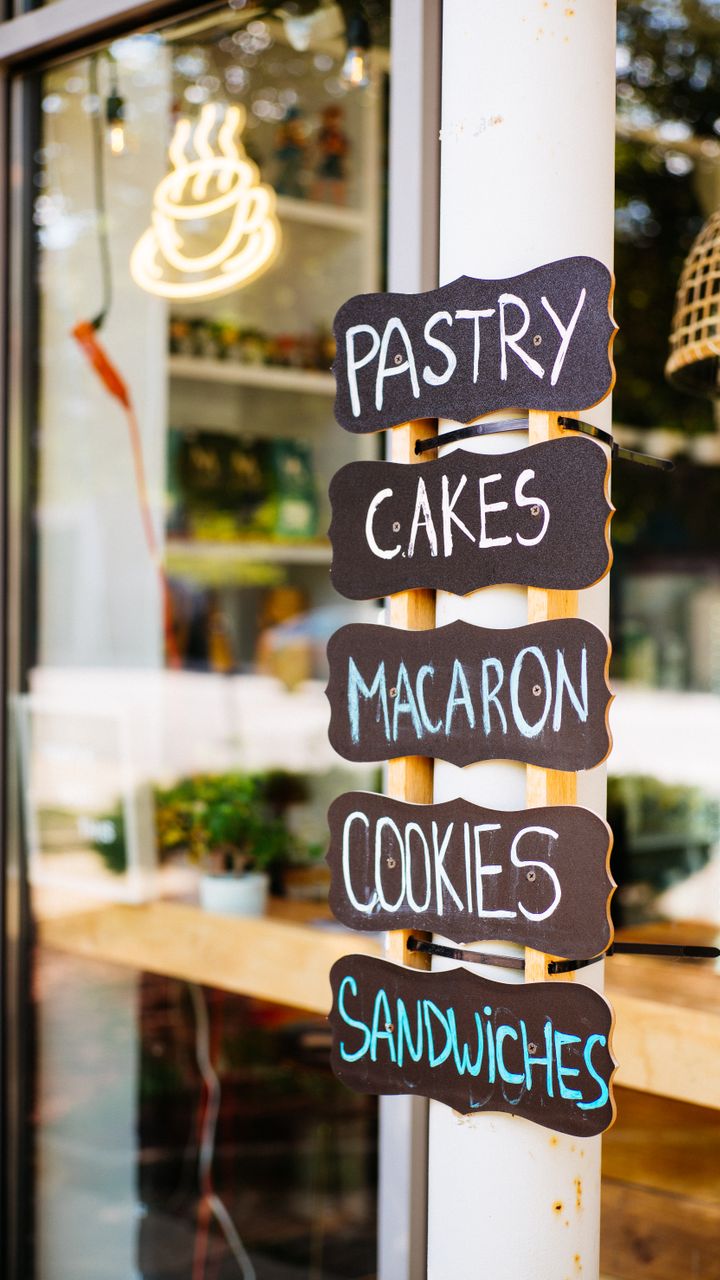
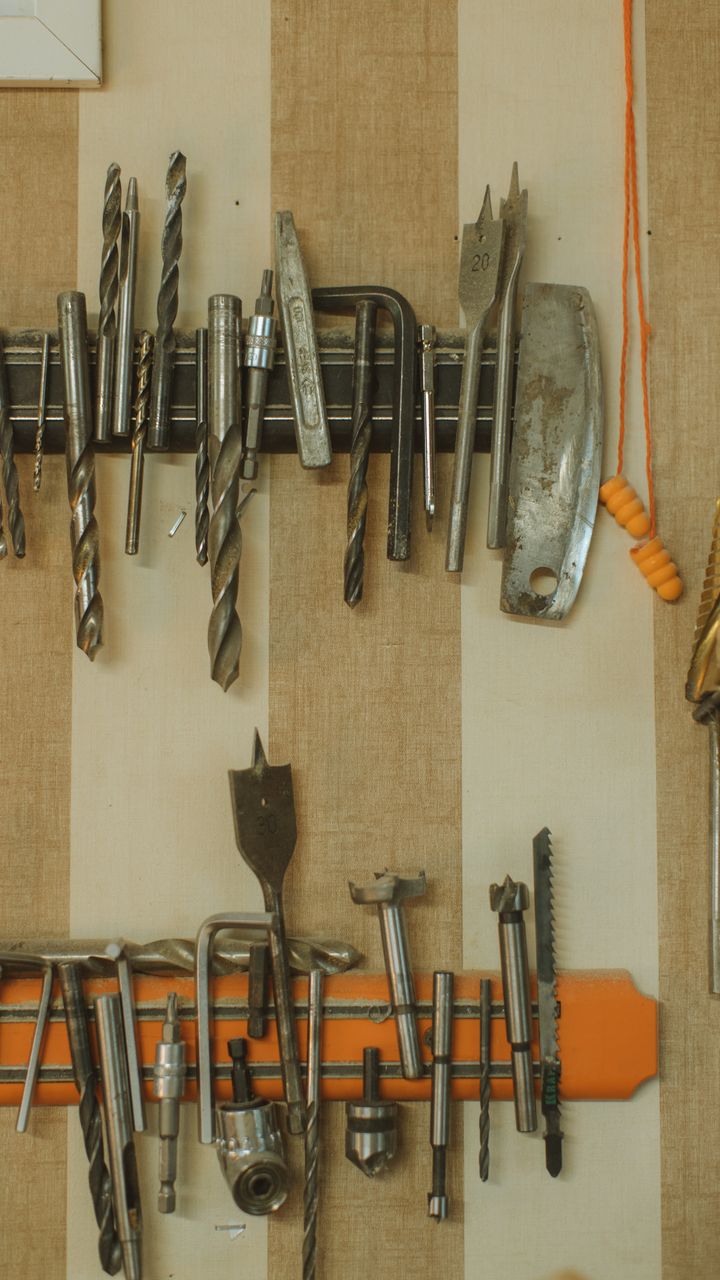
18. Use a Magnetic Knife Strip
A wall-mounted magnetic knife strip is a clever way to store small coffee tools like your milk frother wand, coffee scooper, and small knives for cutting pastry or chocolate for your drinks. It keeps all your small tools off the counter, eliminating clutter, and it’s easy to grab whatever you need in one motion. Unlike a knife block, a magnetic strip doesn’t take up any counter space, and it lets you see all your tools at a glance. It’s a great pick for modern kitchens with a minimalist aesthetic.
Look for a 12 to 18-inch long magnetic strip made of stainless steel, which costs between $15 and $40, and mount it on the wall next to your coffee machine. Make sure it’s installed on a stud or with heavy-duty anchors, so it can hold the weight of your tools without falling. Avoid storing very heavy items like large knives on the strip, as it can pull away from the wall over time.
19. Add a Stack of Coasters
A stack of coasters next to your coffee bar protects your counter and table surfaces from water rings and heat damage caused by hot mugs and iced coffee glasses. It also adds a small decorative touch that fits your personal style, whether you prefer ceramic, wood, or silicone coasters. Having a dedicated stack of coasters right by your coffee bar means you’ll never have to run around looking for one when you’re carrying a hot cup of coffee. It’s a tiny, low-effort upgrade that makes a big difference in keeping your space clean.
Look for a set of 4 to 6 heat-resistant coasters that are at least 4 inches wide, big enough to fit even large travel mugs, which typically cost between $10 and $30. Opt for a material that matches your kitchen decor, like marble for a modern look or cork for a rustic vibe. For a DIY option, cut small squares of cork or wood and paint them with a custom design for $5 or less.

20. Install a Direct Water Line
A direct water line for your espresso machine eliminates the need to constantly refill the water tank, which is a huge convenience for people who make multiple cups of coffee a day. It also ensures that your machine always has fresh, filtered water, which improves the taste of your coffee and reduces limescale buildup that can damage your machine over time. It’s a more permanent upgrade than a standard water tank, but it’s worth it for serious coffee lovers who use their machine daily. Many modern espresso machines are designed to connect directly to a water line, making installation straightforward.
Hire a licensed plumber to install the water line, which typically costs between $150 and $300 for labor and parts, depending on the distance from your water supply to your coffee machine. Make sure the line includes a water filter to remove impurities that can affect the taste of your coffee. If you rent your home, ask your landlord for permission before making this permanent modification.

21. Use a Rustic Wooden Crate
A rustic wooden crate is a charming, affordable storage solution for your coffee bar, perfect for storing coffee beans, filters, mugs, or even small bags of sugar and creamer. It adds a warm, cozy touch that fits rustic, farmhouse, and cottage-style kitchens perfectly, and you can find secondhand crates at flea markets for just a few dollars. Crates are also stackable, so you can create vertical storage if you’re short on counter or shelf space. They’re also easy to customize with paint or stain to match your existing kitchen decor.
Look for a solid wood crate that’s 12 to 18 inches wide and 6 to 8 inches deep, big enough to hold all your coffee essentials, which typically costs between $10 and $30 secondhand. You can leave it raw for a rustic look, or paint it a color that matches your kitchen cabinets for a more cohesive feel. Avoid crates with rough splinters, as they can damage your coffee bags or mugs.

22. Add a Small Sugar Packet Dish
A small ceramic or glass dish for sugar packets, stirrers, and small creamer cups keeps all your coffee add-ons organized and within easy reach, so you don’t have to dig through a cabinet every time you make coffee. It also adds a small decorative touch that fits your personal style, whether you prefer a minimalist white dish or a colorful patterned one. Having a dedicated spot for small items prevents them from cluttering up your counter, and it makes your coffee bar look intentional and put-together even when you’re in a rush.
Look for a small dish that’s 4 to 6 inches wide, big enough to hold 10 to 15 sugar packets and a few stirrers, which typically costs between $5 and $15. Place it right next to your coffee machine for easy access, and wipe it out once a week to remove any crumbs or spilled sugar. For a DIY option, use a small saucer from a thrifted mug set as a cheap, unique alternative.

23. Add a Backsplash Tile Accent
A small section of decorative tile as a backsplash behind your coffee bar adds a pop of color or pattern that makes the space feel designed, rather than just an afterthought. It protects your wall from coffee splatters and steam, which is especially useful if your coffee machine is placed right against a painted wall. You can choose a tile that matches your existing kitchen backsplash for a cohesive look, or pick a contrasting color or pattern to make your coffee bar stand out as a small design feature. It’s a relatively low-cost upgrade that makes a big visual impact.
Use 3 to 6 square feet of decorative tile, which costs between $50 and $150 for materials, and install it in a 2-foot wide section behind your coffee machine. For renters, peel-and-stick tile is a no-damage option that costs $20 to $50 and can be removed easily when you move. Avoid porous tiles like unsealed terracotta, as they can stain from coffee spills.

24. Hang a Small Wall Clock
A small wall clock mounted near your coffee bar is a practical touch that helps you time your coffee brewing perfectly, especially if you use pour-over, French press, or espresso which require specific brew times. It also adds a small decorative element to the space, and you can pick one that matches your kitchen’s aesthetic. Having a clock right by your coffee bar means you don’t have to check your phone or walk to another room to keep track of time while you’re brewing, which makes your routine smoother. It’s a tiny, low-cost upgrade that’s both functional and stylish.
Look for a 6 to 8-inch wide clock that’s easy to read from a few feet away, which typically costs between $10 and $30. Mount it on the wall directly above or beside your coffee machine at eye level, so you can easily see it while you’re working. For a fun personalized touch, pick a clock with a coffee-themed design, like one shaped like a coffee cup or with coffee-related quotes on the face.

Frequently Asked Questions
Q. How much space do I need for a kitchen coffee bar?
Ans. You only need a 2-foot wide corner for a functional coffee bar, enough for a standard drip machine, a small mug rack, and a canister of coffee beans. Larger setups with extra storage or an espresso machine will need 3 to 4 feet of space.
Q. What are the most essential coffee bar accessories?
Ans. The must-haves are a coffee machine, a way to store mugs, airtight canisters for coffee beans, and a non-slip mat under your machine. You can add extra accessories like syrup racks or a mini fridge as your needs grow.
Q. Can I build a coffee bar in a small kitchen?
Ans. Absolutely! Small kitchens work great for coffee bars, especially if you use space-saving solutions like wall-mounted mug racks, floating shelves, and stackable organizers. A dedicated 2-foot corner is all you need for a fully functional station.
Q. How do I keep my coffee bar tidy?
Ans. Use closed storage for small items like filters and stirrers, group similar items together, and wipe down surfaces daily. A small trash bin next to the bar and a tray under your machine will catch spills and crumbs to keep the space clean with minimal effort.
Q. What’s the best countertop material for a coffee bar?
Ans. Durable, stain-resistant materials like quartz, granite, or sealed marble work best, as they’re easy to wipe clean after spills. If you have a laminate countertop, use a protective tray under your machine to prevent heat and water damage.
Conclusion
Designing a kitchen coffee bar doesn’t have to be complicated or expensive — even small, simple upgrades can make your morning routine feel more luxurious and intentional. By combining functional storage solutions with small personal touches, you can create a space that fits your needs and style, no matter how much kitchen space you have. The key is to prioritize the tools and accessories you use daily first, then add decorative elements that make the space feel special to you.
No matter your budget or layout, there’s a coffee bar design that will work for you, turning a boring counter corner into your favorite spot in the kitchen. Don’t be afraid to mix and match ideas from different points to create a space that feels uniquely yours. With a little creativity, you’ll have an at-home cafe that makes every morning feel like a treat.
Photos via Pexels