23 Coffee Bar Cabinet Design Ideas to Elevate Your Kitchen
A well-planned coffee bar cabinet design can transform an overlooked kitchen corner into your go-to spot for morning lattes and afternoon espresso fixes. It balances hidden storage for bulky coffee gear with open display space for your favorite mugs and beans, so your kitchen feels organized without sacrificing charm. Whether you have a tiny galley kitchen or a sprawling farmhouse space, the right cabinet layout makes your daily coffee routine feel intentional and special.
From space-saving built-ins to statement floating cabinets, the ideas below cater to every budget, skill level, and kitchen style. Each tip focuses on practical functionality paired with aesthetic appeal, so you don’t have to choose between a pretty nook and a useful workspace for your coffee gear. Read on to find the perfect fit for your home’s unique layout and your personal coffee preferences.
Top Coffee Bar Cabinet Design Ideas to Try
1. Base Cabinet Coffee Station
Base cabinet coffee stations are built into the lower cabinetry under your countertop, making them a seamless, space-saving option for small kitchens. They keep all your coffee essentials within arm’s reach while hiding bulky appliances like drip coffee makers and milk frothers when not in use. This design works especially well for galley kitchens where counter space is limited, as it doesn’t add extra footprint to your layout.
To build one, repurpose an existing 24-inch wide base cabinet, add a pull-out shelf for your coffee maker, and install small hooks inside the cabinet door for mugs. Opt for soft-close hinges to avoid slamming, and add a small under-cabinet LED light strip for visibility when pulling items out. Costs for this DIY project run between $100 and $300 depending on the materials you already own, and it takes a weekend to complete for most DIYers. Avoid placing the cabinet near the dishwasher to prevent water damage to your coffee supplies.
2. Floating Shelf Coffee Bar Cabinet
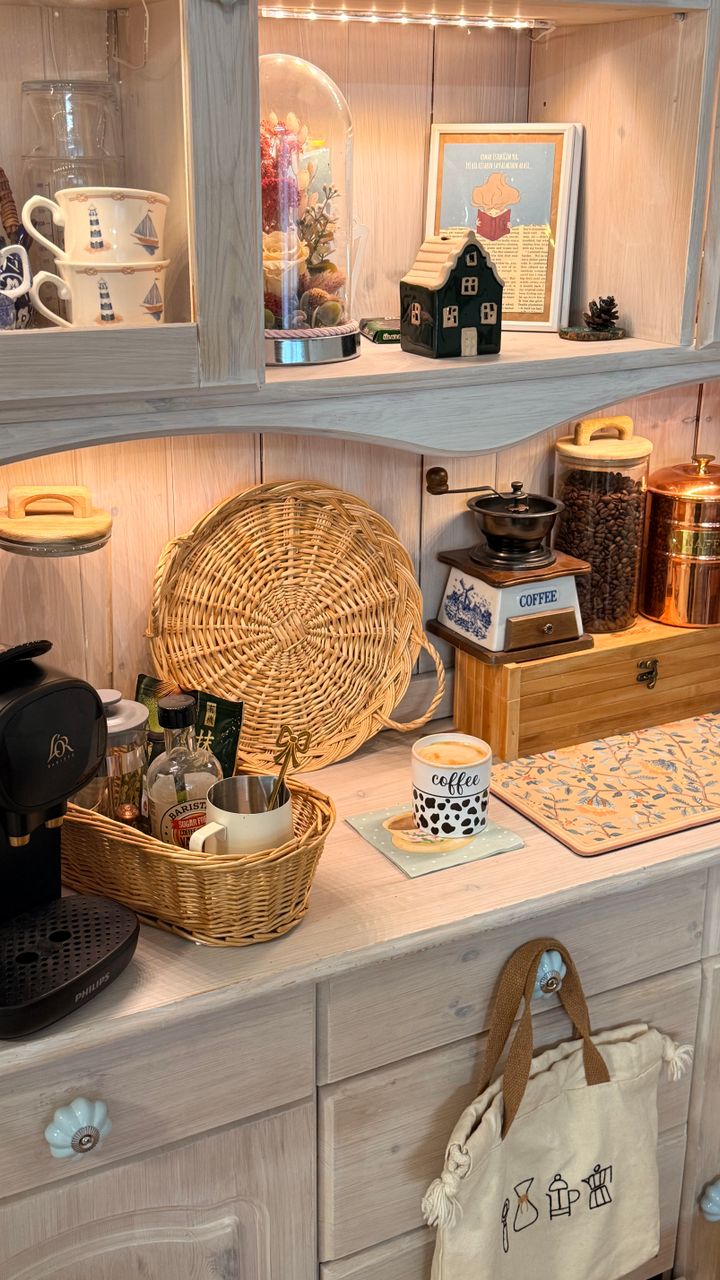
Floating shelf coffee bar cabinet designs combine open, airy shelving with closed lower cabinets for the best of both worlds: display space and hidden storage. The floating shelves hold your favorite mugs, pour-over sets, and decorative canisters, while the lower cabinet conceals coffee pods, cleaning supplies, and extra appliances. This style works perfectly for minimalist or Scandinavian-inspired kitchens where you want to avoid bulky, floor-to-ceiling cabinetry.
Mount 10-inch deep floating shelves 18 inches above the countertop to leave room for your coffee maker, and pair them with a 30-inch wide closed base cabinet below for storage. Use matte white or natural wood shelves to match your existing cabinet finish, and follow a step-by-step floating shelf installation guide to avoid wall damage. Avoid overloading the shelves with more than 5-6 items to keep the look uncluttered.
3. Glass Front Coffee Cabinet
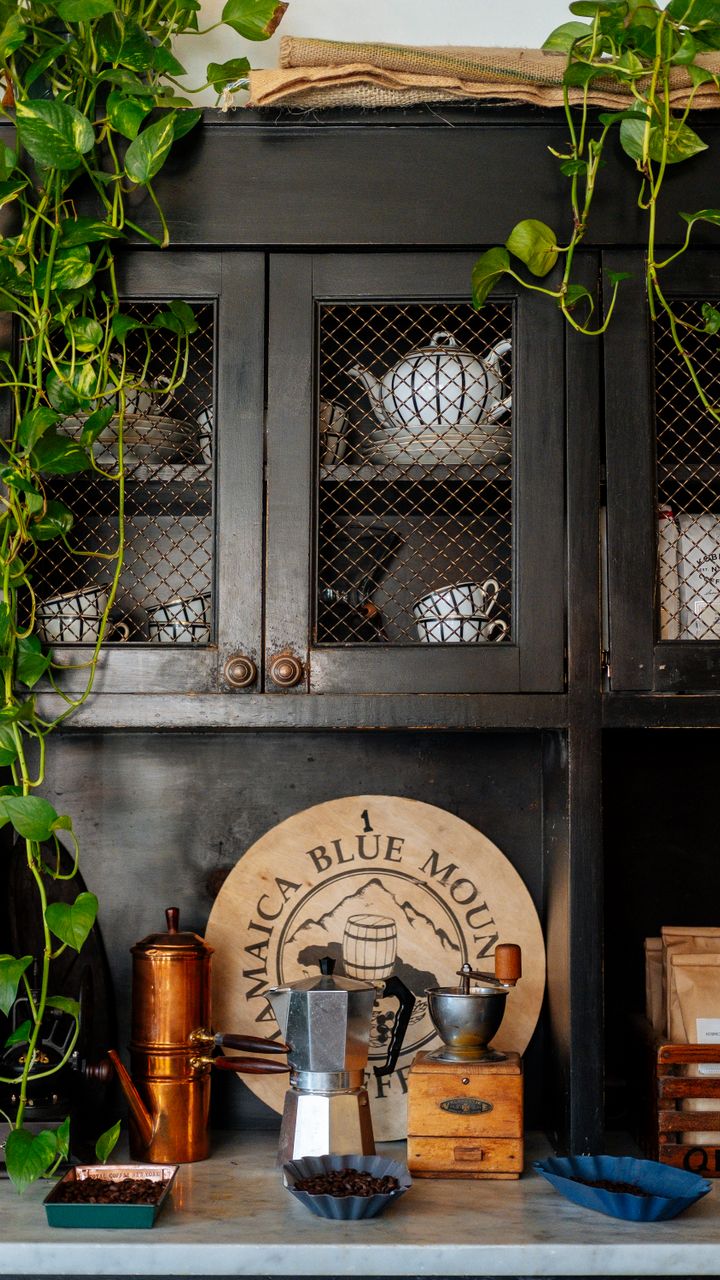
Glass front coffee cabinets add a touch of elegance to your kitchen while keeping your coffee gear dust-free and on display. The frosted or clear glass panels let you showcase your curated mug collection, specialty beans, and barista tools without cluttering your countertop. This coffee bar cabinet design works especially well for traditional or farmhouse kitchens where you want to highlight heirloom pieces or specialty coffee equipment.
Choose 12-inch wide upper glass front cabinets installed 48 inches above the countertop, and add interior LED puck lights to illuminate your display. Opt for leaded glass or frosted glass for a vintage look, or clear glass with metal mullions for a modern farmhouse vibe. Expect to pay $200 to $600 per cabinet if purchasing pre-made, or $150 to $400 if retrofitting an existing cabinet with glass doors. Avoid placing glass cabinets in direct sunlight to prevent fading of your displayed items.
4. Pull-Out Pantry Coffee Bar
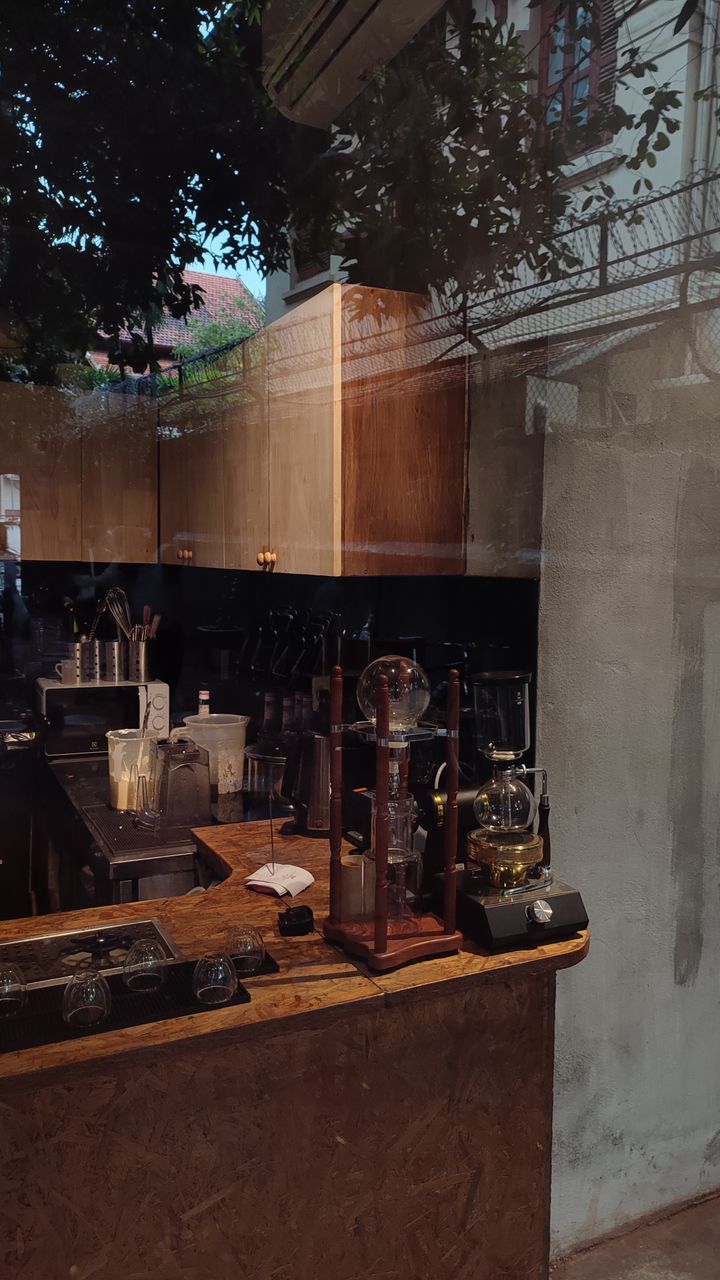
Pull-out pantry coffee bar cabinets are a game-changer for deep, awkward cabinet spaces that are hard to access for everyday use. They slide out fully on smooth gliders, bringing all your coffee supplies to the front of the cabinet so you never have to dig for hidden pods or syrups. This design is ideal for large families or serious coffee enthusiasts who stock multiple types of coffee, add-ins, and brewing equipment.
Install a 6-inch wide pull-out pantry organizer inside an existing 15-inch deep base cabinet, and adjust the shelf height to fit your tallest coffee maker or canister. Look for organizers with a 100-pound weight capacity to hold heavy items safely, like the heavy-duty options available at major home improvement retailers pull-out pantry organizers, and add a small chalkboard label to the front of the cabinet to track your coffee inventory. This upgrade costs $50 to $150 for the organizer, plus 1-2 hours of installation time.

5. Corner Coffee Cabinet Nook
Corner coffee cabinet designs make use of often-wasted corner cabinet space in your kitchen to create a dedicated, tucked-away coffee station. The lazy Susan or diagonal shelving inside the cabinet lets you access all your coffee gear without straining, while the closed cabinet doors keep the area looking tidy when not in use. This works perfectly for small kitchens where every inch of storage counts.
Opt for a 36-inch wide corner base cabinet with a full-circle lazy Susan that rotates 360 degrees, and add a small countertop extension on the cabinet’s corner edge for your coffee maker. Choose a cabinet finish that matches your existing cabinetry for a seamless look, and add a small hook on the inside of the cabinet door for hanging coffee filters. This project costs $300 to $800 for a new corner cabinet, or $100 to $300 for a lazy Susan retrofit.

6. Recessed Coffee Cabinet Display
Recessed coffee cabinet displays are built directly into the wall between studs, so they don’t protrude into your kitchen’s walkway or counter space. This sleek, built-in look is perfect for modern kitchens where you want a coffee station that feels integrated rather than added on. The recessed niche can be fitted with small shelves for mugs and a countertop ledge for your coffee maker, with closed cabinet doors on either side for hidden storage.
Frame out a 24-inch wide, 12-inch deep recess between two wall studs, and add a small marble or butcher block countertop ledge for your coffee equipment. Install a soft-close cabinet door on each side of the niche to hide bulkier items, and add under-niche LED lighting to highlight your display. This built-in project costs $400 to $1,200 depending on your finish choices, and takes 2-3 days to complete if you’re comfortable with basic framing and drywall work.

7. Dual-Tone Coffee Bar Cabinet
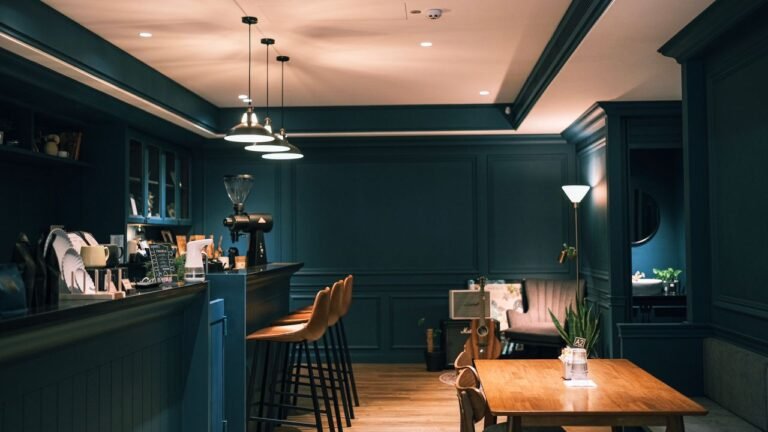
Dual-tone coffee bar cabinet designs use two contrasting finishes — like dark lower cabinets and light upper shelves — to make your coffee station a statement feature in your kitchen. The two-tone look adds visual interest without overwhelming your space, and lets you tie the coffee area to your kitchen’s existing color palette. This style works for both contemporary and transitional kitchen designs.
Paint the lower base cabinets around your coffee station a deep navy or forest green, and pair them with natural wood open shelves above for a warm, inviting contrast. For a durable, chip-resistant finish, use a cabinet-specific paint like Sherwin-Williams matte black cabinet paint, and use the same hardware (like matte black pulls) on both the upper and lower cabinets to tie the look together. Avoid using more than two finishes to keep the design cohesive.
8. Built-In Appliance Garage Cabinet
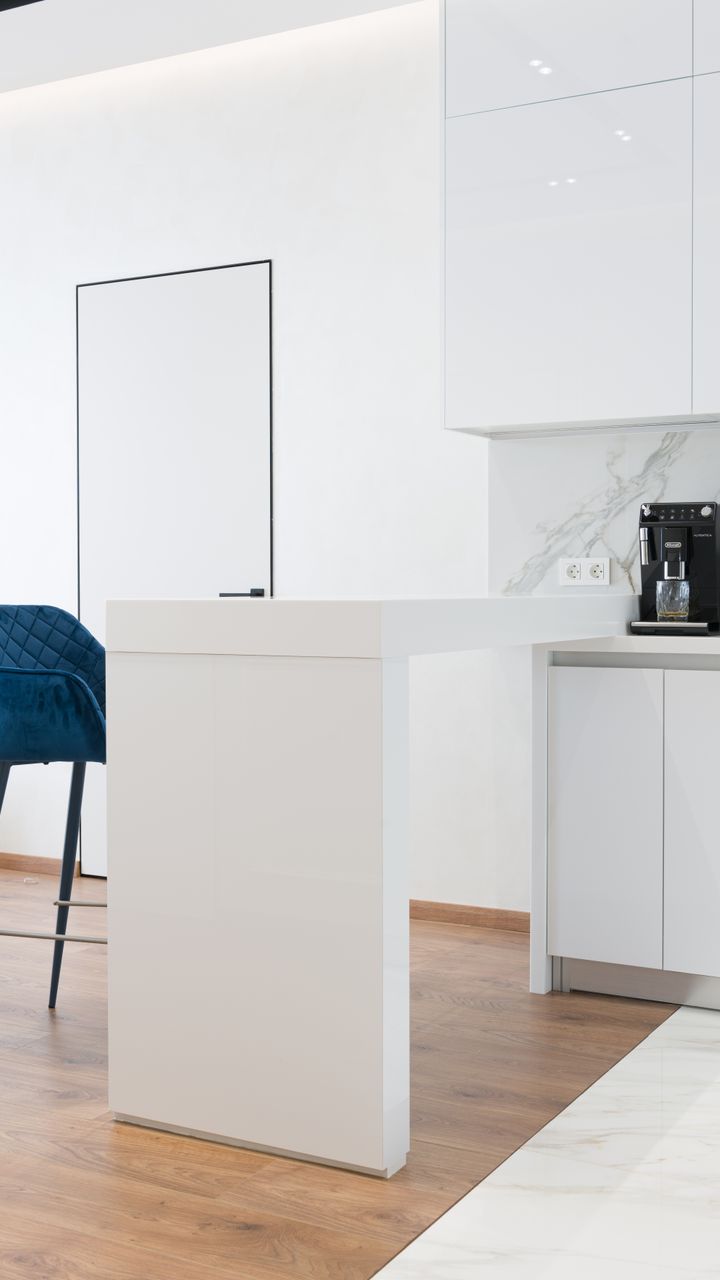
Built-in appliance garage cabinets are designed specifically to hide bulky coffee appliances like espresso machines, drip brewers, and toasters when they’re not in use. The cabinet’s roll-up or sliding door tucks away completely when you’re making coffee, so you have full access to your equipment without cluttering your counter. This coffee bar cabinet design is perfect for small kitchens where counter space is at a premium.
Install a 30-inch wide appliance garage cabinet above your coffee counter, and make sure the interior height is at least 12 inches to fit most standard coffee makers. Opt for a tambour door (the rolling slat style) for easy, one-handed access, and add a power strip inside the cabinet to plug in your appliances without cords trailing across the counter. This cabinet costs $300 to $700 pre-made, or $200 to $500 if you build it yourself.

9. Vintage Hutch Coffee Bar Cabinet
Vintage hutch coffee bar cabinet designs repurpose old, antique hutches into charming, one-of-a-kind coffee stations that add character to your kitchen. The lower closed cabinets hide coffee supplies, while the upper open shelves display mugs, decor, and vintage coffee barware. This style is ideal for farmhouse, cottage, or eclectic kitchens where you want to add a unique, personal touch.
Source a solid wood vintage hutch from a local thrift store or estate sale for $100 to $300, then sand and refinish it to match your kitchen’s cabinet finish. Remove the glass doors from the upper section if you want open display space, and add small brackets under the shelves to hold heavier mugs or barista equipment. Make sure the hutch is anchored securely to the wall to prevent tipping, especially if you live in an earthquake-prone area.

10. Slim Cabinet Coffee Station
Slim cabinet coffee stations are designed for tiny galley kitchens or studio apartments where you only have 6 to 12 inches of space to spare for a coffee area. These narrow, floor-to-ceiling cabinets fit between existing cabinets or along a blank wall, and combine closed storage for supplies with a small countertop ledge for your coffee maker. This design maximizes every inch of unused space without adding bulk to your kitchen.
Install a 6-inch wide, 84-inch tall slim cabinet between your fridge and wall, and add a 12-inch deep floating shelf on the front for your coffee equipment. Use adjustable shelves inside the cabinet to fit different sized items, and add a small pull-out drawer for coffee pods and stirrers. This project costs $200 to $500 for the cabinet and shelving, and takes 3-5 hours to install.
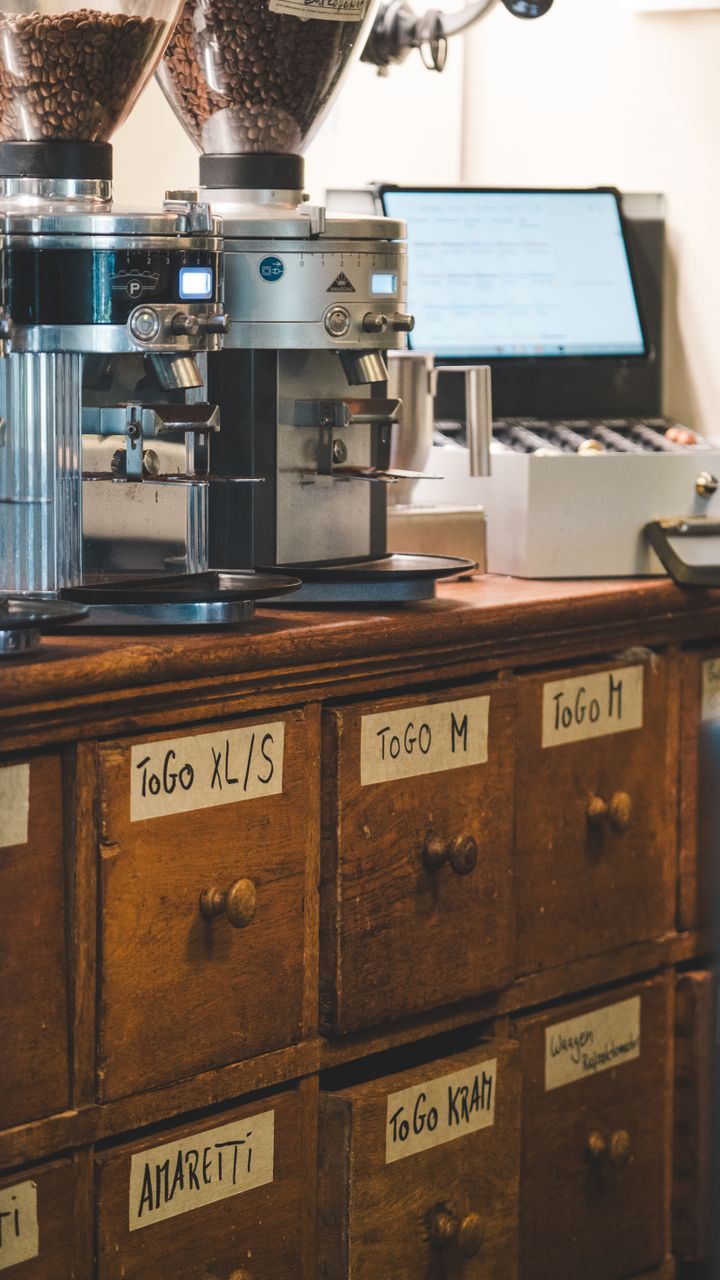
11. Open Shelf Coffee Bar Cabinet
Open shelf coffee bar cabinet designs forgo upper cabinet doors entirely, creating a bright, accessible space for all your coffee gear. The open layout makes it easy to grab your favorite mug or coffee pod in the morning, and lets you display your collection as part of your kitchen’s decor. This style works best for organized households where you don’t mind having your coffee supplies on full display.
Install three 12-inch deep open shelves above a 24-inch wide base cabinet, spacing them 10 inches apart to fit tall mugs and canisters. Use matching brackets that match your existing cabinet hardware for a cohesive look, and limit display items to 3-4 per shelf to avoid clutter. This DIY project costs $60 to $180 for the shelves and brackets, and takes 2-3 hours to install.
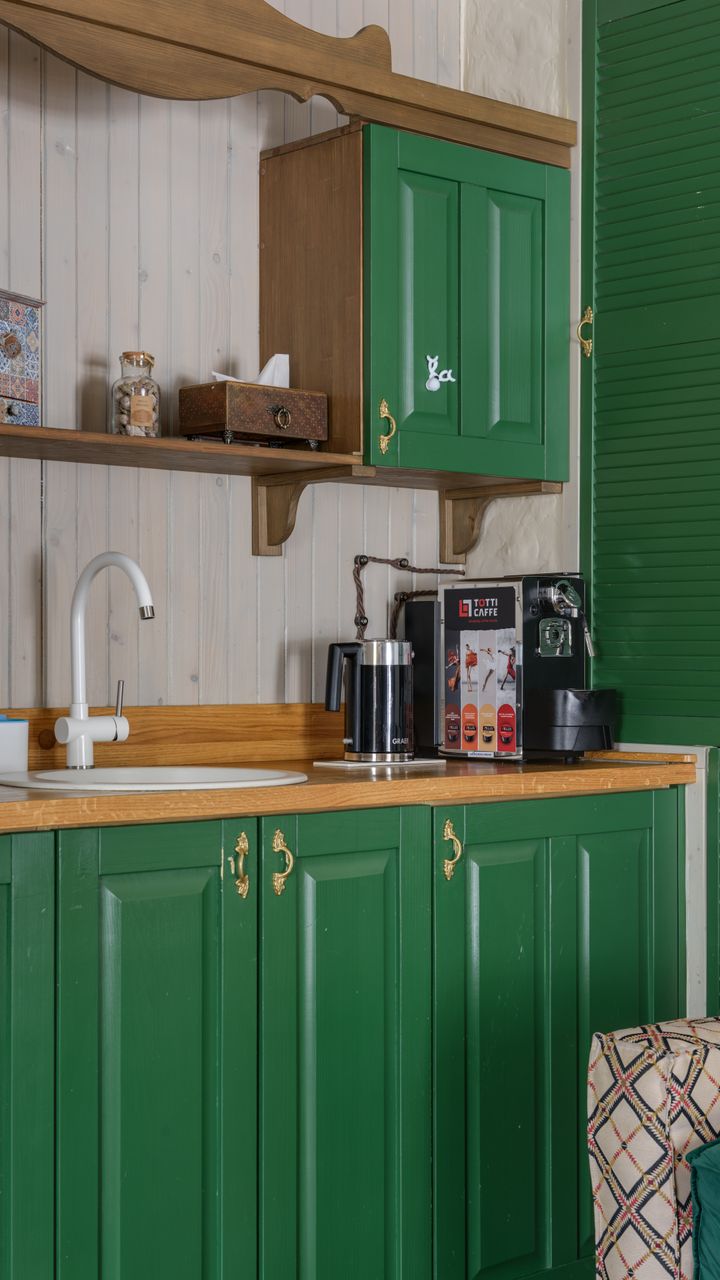
12. Matte Black Coffee Cabinet Accent
Matte black coffee cabinet accents add a sleek, modern touch to your coffee bar cabinet design, making it stand out as a focal point in your kitchen. The dark, non-reflective finish pairs well with light countertops, wood tones, and metallic hardware for a high-contrast, sophisticated look. This accent works for both contemporary and industrial-style kitchens.
Paint the cabinet doors around your coffee station matte black, and pair them with brass or gold hardware for a warm, elevated contrast. Add a small matte black tray on the counter for your coffee maker and accessories, and use black metal hooks on the side of the cabinet for hanging mugs. This paint upgrade costs $30 to $100 for paint and supplies, and takes 1-2 weekends to complete with proper priming.
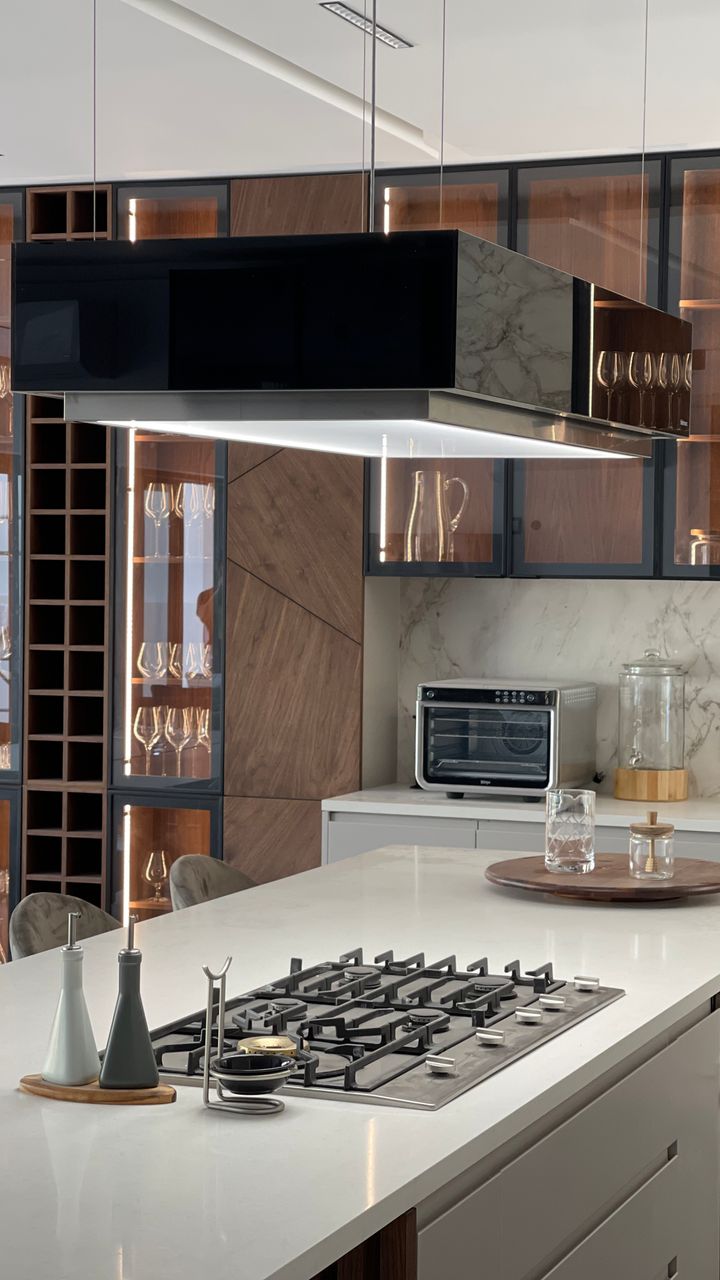
13. Wine Rack Integrated Coffee Cabinet
Wine rack integrated coffee cabinet designs combine storage for your favorite coffee beans (or even wine for coffee cocktails) with your regular coffee bar storage. The slotted wine rack holds bottles of cold brew concentrate, coffee liqueurs, or even wine for after-dinner espresso martinis, while the rest of the cabinet holds your standard coffee gear. This is a great option for hosts who love to entertain.
Install a 12-bottle wine rack insert inside the lower cabinet of your coffee station, and add small glassware hooks above the counter for hanging wine glasses or cocktail mugs. Position the wine rack at the bottom of the cabinet so it’s out of the way of your everyday coffee supplies, and make sure the cabinet is well-ventilated to keep your beans and liqueurs fresh. This retrofit costs $50 to $150 for the wine rack insert, and takes 1 hour to install.
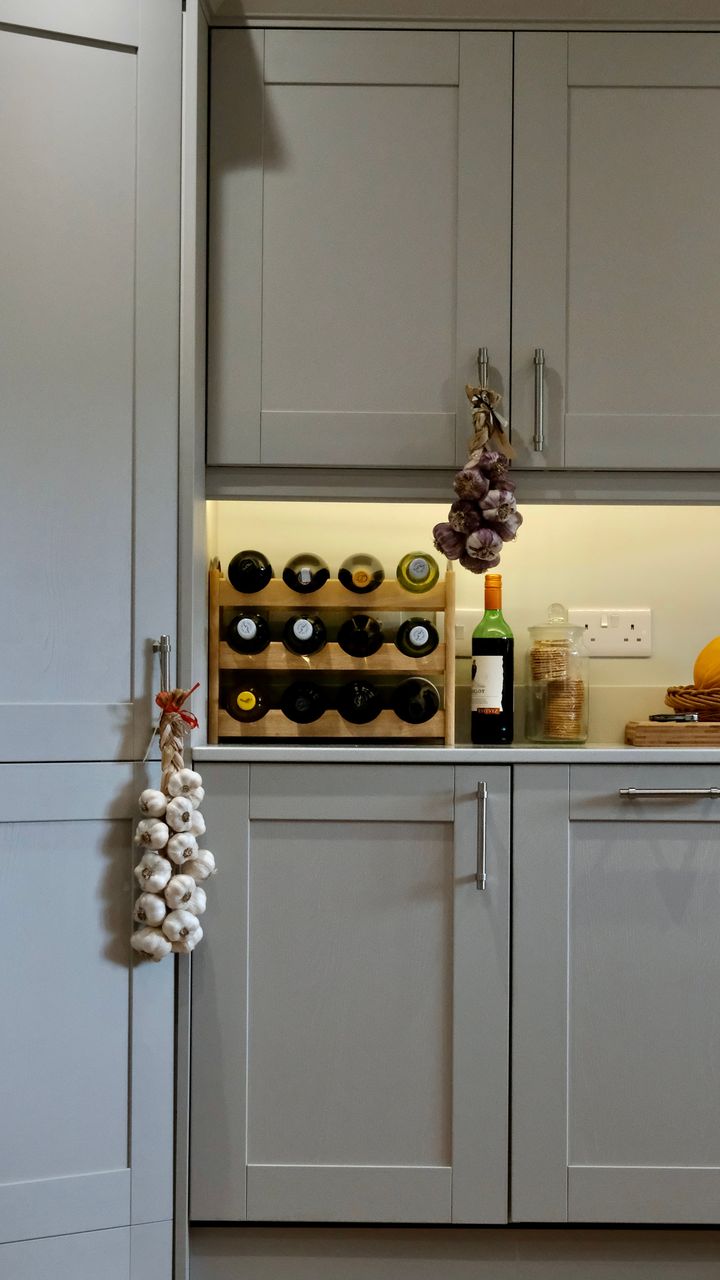
14. Under-Cabinet Coffee Bar Storage
Under-cabinet coffee bar storage uses the empty space below your upper kitchen cabinets to add extra storage for your coffee gear without taking up any counter or floor space. Small shelves, hooks, and magnetic strips hold mugs, coffee filters, and small barista tools, keeping them within easy reach while you brew. This design is perfect for renters who can’t modify existing cabinetry.
Opt for a 24-inch wide under-cabinet shelf that holds up to 10 pounds, and add small adhesive hooks to the bottom for hanging mugs by their handles. Use a magnetic strip to hold metal barista tools like tampers and milk frothers, and avoid overloading the shelf with more than 5 pounds of weight to prevent it from falling. This setup costs $20 to $60, and takes 10 minutes to install with no tools required for adhesive versions.
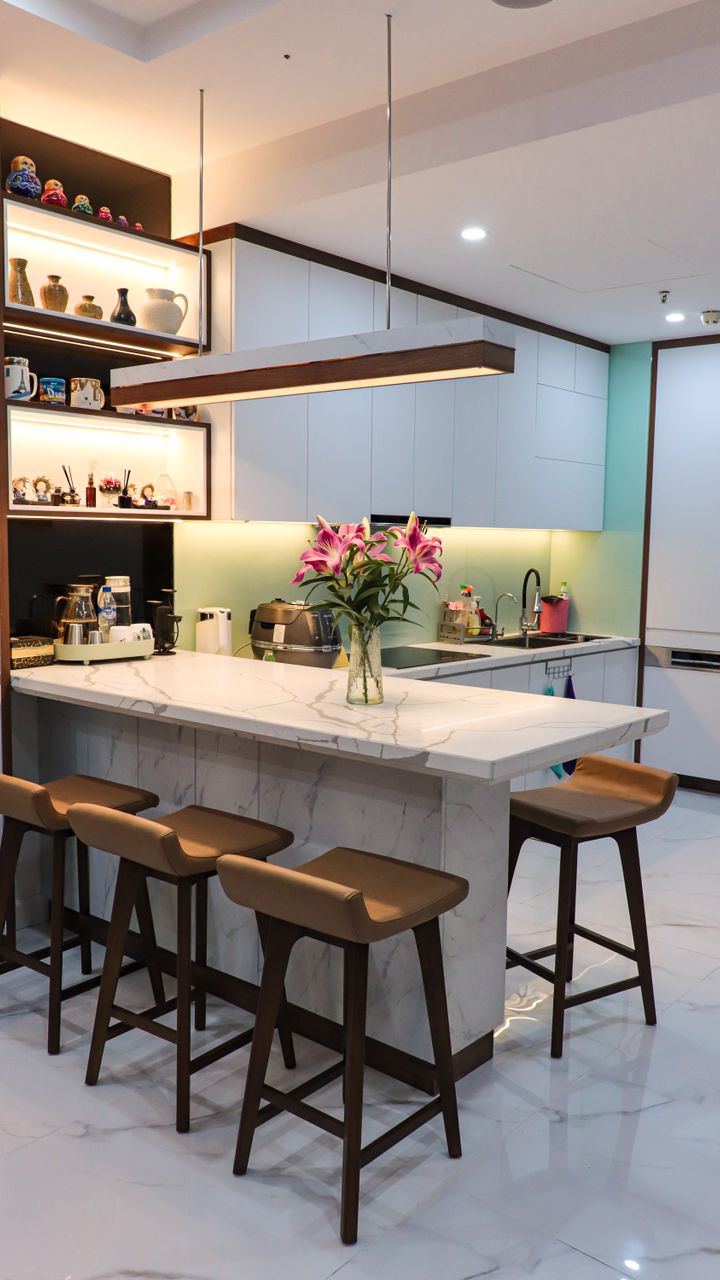
15. Cabinet With Mug Display Rack
Coffee bar cabinet designs with built-in mug display racks let you showcase your favorite ceramic mugs while keeping them protected and organized. The rack is usually installed inside the upper cabinet or on the open shelf section, with individual slots for each mug to prevent chipping. This is a great option for collectors who have a large number of specialty or hand-thrown mugs they want to display.
Install a 12-slot mug rack inside a 24-inch wide upper cabinet, spacing the slots 3 inches apart to fit standard 11-ounce mugs. Add a small non-slip mat under each mug slot to prevent them from sliding, and avoid placing the rack near the edge of the cabinet where mugs could fall. This add-on costs $20 to $50 for the rack, and takes 15 minutes to install with basic screws.

16. Two-Tone Hardware Coffee Cabinet
Two-tone hardware coffee cabinet designs mix two different finishes for cabinet pulls, knobs, and hooks to add visual interest to your coffee station. For example, you could use matte black pulls on lower cabinets and brass knobs on upper display shelves, creating a layered, custom look. This style works for both traditional and modern kitchens, as it lets you tie in other hardware finishes from your existing cabinetry.
Choose two finishes that complement each other, like brushed nickel and oil-rubbed bronze, and use the darker finish on lower cabinet hardware for visual weight. Install small brass mug hooks on the side of the cabinet for hanging mugs, and use matching screws for all hardware to keep the look cohesive. This upgrade costs $30 to $100 for new hardware, and takes 1-2 hours to swap out existing pulls and knobs.
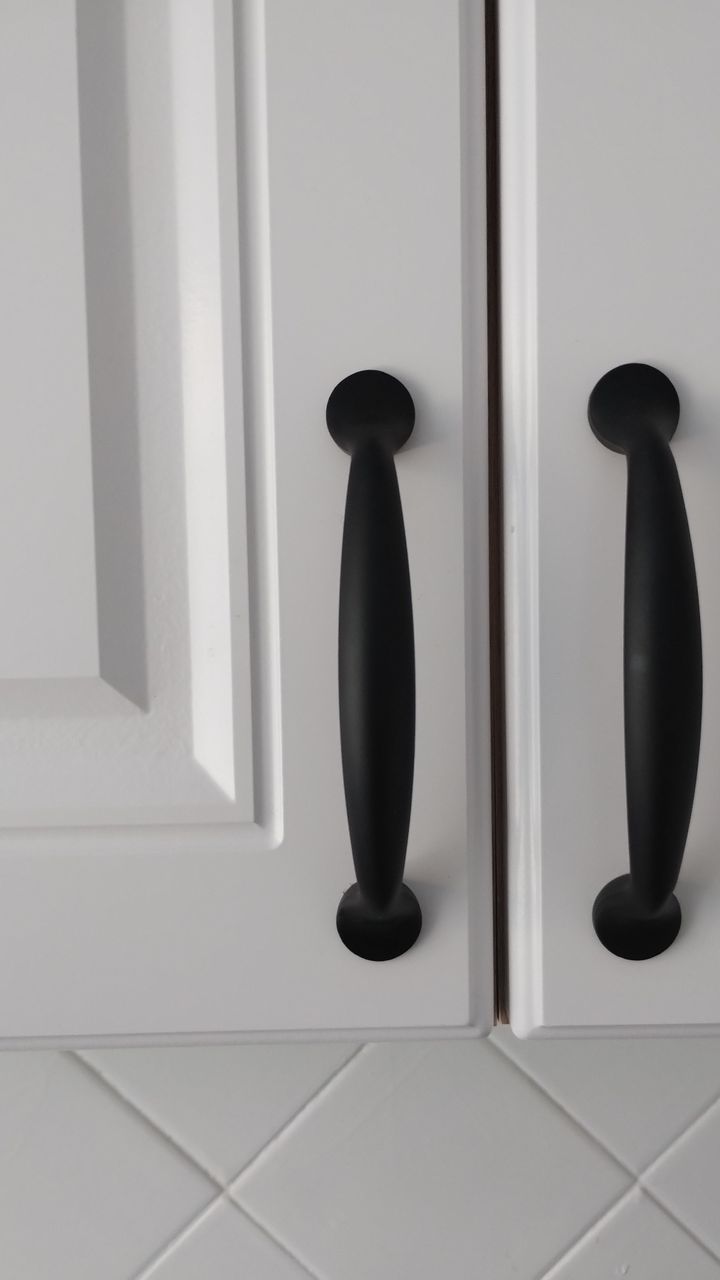
17. Coffee Cabinet With Drawer Dividers
Coffee bar cabinet designs with custom drawer dividers keep small coffee supplies like pods, stirrers, sugar packets, and creamer cups organized and easy to access. The dividers prevent items from shifting around in the drawer, so you never have to rummage for a stirrer when you’re in a hurry. This is a must-have for anyone who stocks multiple types of coffee add-ins.
Install adjustable bamboo drawer dividers inside a 24-inch wide base cabinet drawer, spacing them to fit coffee pods, stirrers, and small canisters. Add a small label to each divider to track what’s stored in each section, and avoid using dividers that are too tight, as they can make it hard to remove items quickly. This add-on costs $15 to $40 for the dividers, and takes 10 minutes to install.

18. Rustic Farmhouse Coffee Cabinet
Rustic farmhouse coffee bar cabinet designs use natural materials like reclaimed wood, shiplap, and wrought iron hardware to create a warm, inviting coffee station that feels cozy and timeless. The distressed wood finish and simple hardware pair well with farmhouse sinks, apron sinks, and other rustic kitchen elements. This style is perfect for anyone who loves a casual, homey feel in their kitchen.
Build your coffee cabinet from reclaimed barn wood, and add a shiplap backing to the open shelf section for extra texture. Use wrought iron cup hooks on the side of the cabinet for hanging mugs, and add a small enamel countertop sign with your favorite coffee saying. This DIY project costs $200 to $600 for materials, and takes 3-4 weekends to complete if you’re new to woodworking.

19. Cabinet-Mounted Coffee Bean Storage
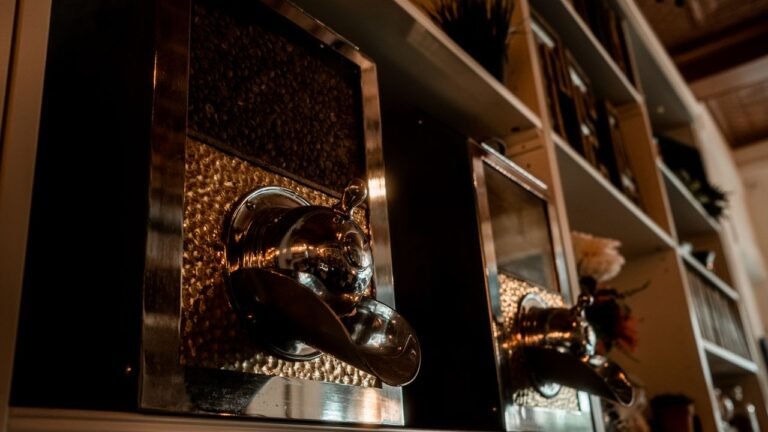
Cabinet-mounted coffee bean storage keeps your whole bean coffee fresh and out of sight while still being easy to access when you’re ready to brew. The airtight canisters mount directly to the inside of your cabinet door or on a shelf, so they don’t take up counter space and protect your beans from light and air. This is a great option for anyone who buys coffee in bulk.
Install two 1-pound airtight canisters on the inside of your coffee cabinet door using adhesive mounts, and label them with the roast date and type of bean. Keep the canisters in a cool, dark part of the cabinet to preserve freshness, and avoid storing them near the oven or dishwasher where heat and moisture can damage the beans. This add-on costs $20 to $50 for the canisters and mounts, and takes 5 minutes to install.
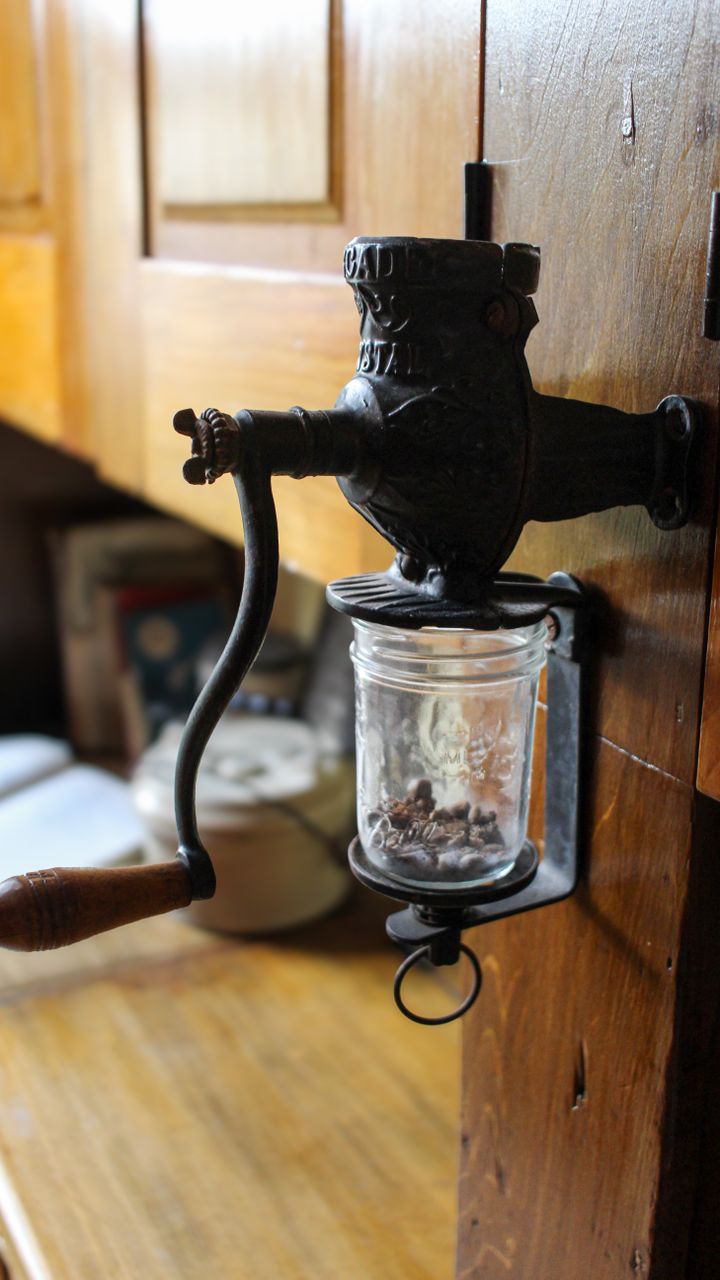
20. LED Lit Coffee Cabinet Display
LED lit coffee cabinet displays add a warm, ambient glow to your coffee station, making it feel like a cozy café nook even in the early morning. The small LED strips or puck lights are installed under shelves or inside glass front cabinets, highlighting your mugs, beans, and barista tools. This design works for all kitchen styles, from modern to traditional, and adds a luxurious touch to your coffee bar cabinet design.
Install a warm-white LED strip under each open shelf of your coffee cabinet, and plug it into a nearby outlet with a hidden cord cover. For glass front cabinets, use battery-powered LED puck lights inside the cabinet to avoid running cords through the glass. This upgrade costs $20 to $80 for the lights and supplies, and takes 1-2 hours to install.
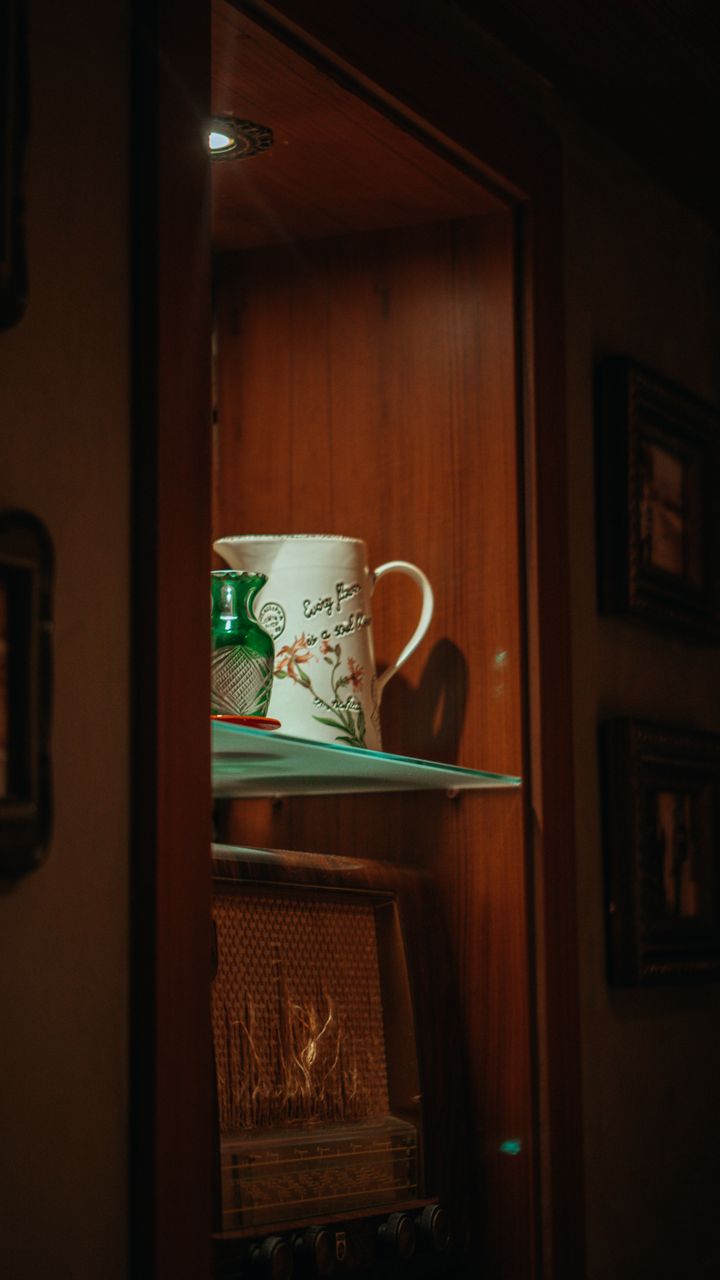
21. Stacked Cabinet Coffee Bar
Stacked cabinet coffee bar designs use two cabinets stacked on top of each other to create a full-height coffee station that maximizes vertical storage. The lower cabinet holds bulky appliances and supplies, while the upper cabinet has open shelves or glass doors for display. This design is perfect for large kitchens where you have extra vertical space to spare.
Stack a 24-inch wide base cabinet under a 24-inch wide upper cabinet, leaving a 12-inch gap between them for a small countertop ledge for your coffee maker. Add a pull-out shelf inside the lower cabinet for easy access to your coffee maker, and install small hooks on the side of the upper cabinet for hanging mugs. This project costs $500 to $1,500 for the two cabinets and countertop, and takes 4-6 hours to install.
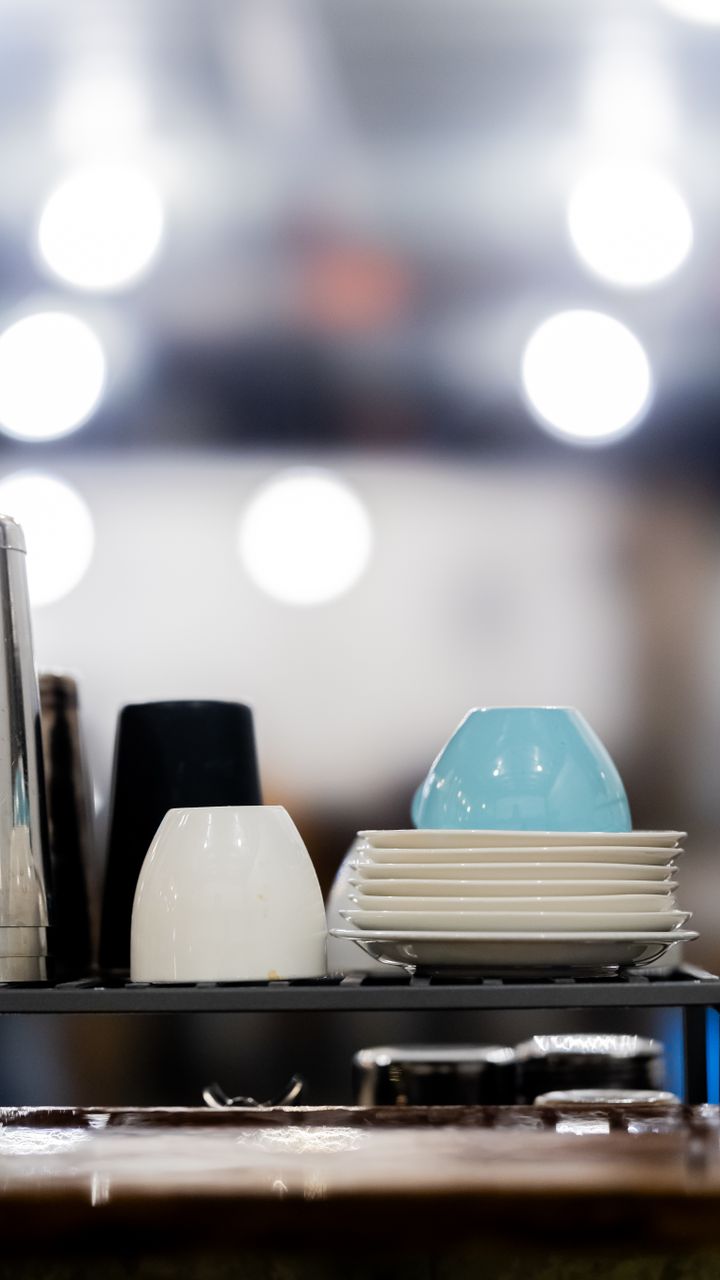
22. Coffee Cabinet With Waste Bin Compartment
Coffee bar cabinet designs with a built-in waste bin compartment keep your coffee grounds, used pods, and disposable stirrers hidden out of sight. The small, slide-out bin is tucked inside the lower cabinet, so you don’t have to keep a separate trash can on your kitchen floor. This is a great option for anyone who wants to keep their coffee station as tidy as possible.
Install a 12-inch wide slide-out waste bin inside the base cabinet next to your coffee maker, and line it with a small compostable bag for easy disposal. Make sure the bin has a tight-fitting lid to contain odors, and add a small hook on the inside of the cabinet door for hanging trash bags. This add-on costs $40 to $100 for the bin and hardware, and takes 1 hour to install.
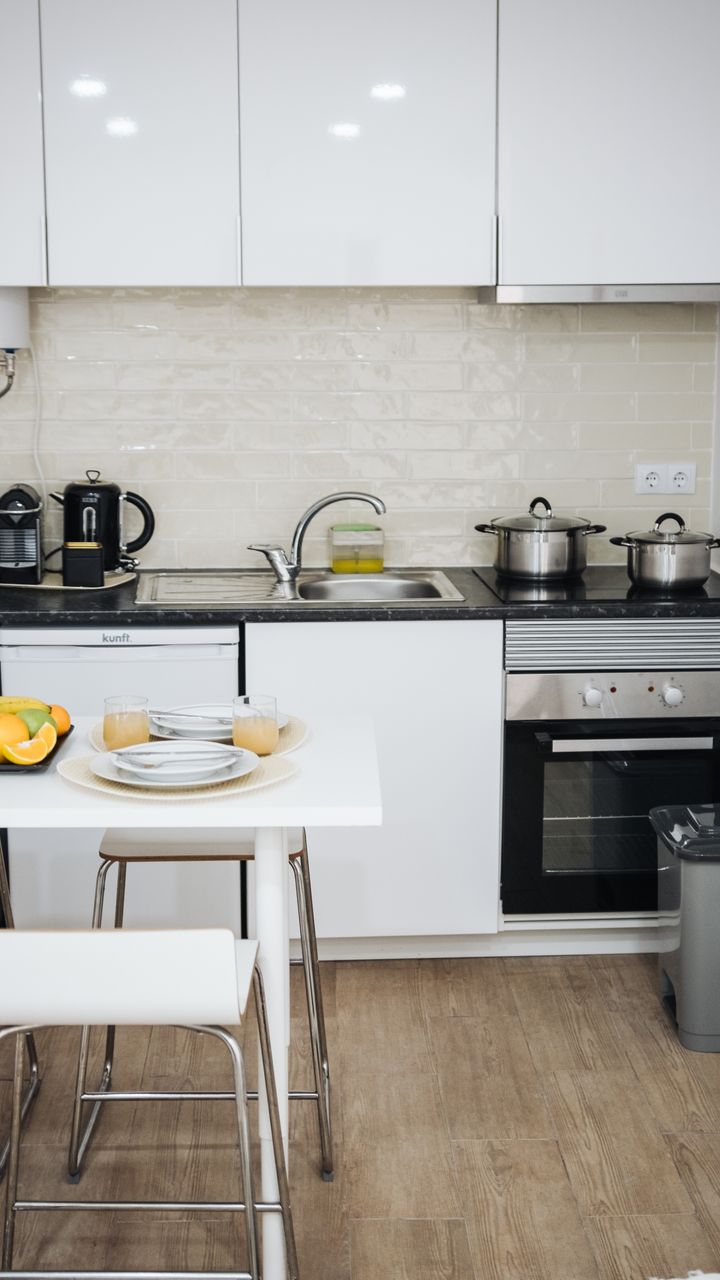
23. Custom Inset Coffee Cabinet
Custom inset coffee cabinet designs are built to fit perfectly within your kitchen’s existing cabinet frame, so the cabinet doors sit flush with the rest of your cabinetry for a seamless, high-end look. The inset style has no visible face frame, creating a clean, minimalist aesthetic that works for modern and traditional kitchens alike. This is a premium option for anyone who wants a coffee station that looks like it was part of the original kitchen design.
Work with a local cabinet maker to build a custom inset coffee cabinet that matches your existing cabinet finish, hardware, and dimensions. Choose glass front doors for the upper section to display your mugs, and add a pull-out shelf inside the lower cabinet for your coffee maker. Expect to pay $1,000 to $3,000 for a custom inset cabinet, and allow 4-6 weeks for fabrication and installation.

Frequently Asked Questions
Q. What is the best coffee bar cabinet design for small kitchens?
Ans. For small kitchens, a slim cabinet coffee station or base cabinet coffee station is ideal, as they take up minimal floor space while still providing ample storage for all your coffee gear. Built-in under-cabinet storage is also a great renter-friendly option that doesn’t require modifying existing cabinetry.
Q. How much does a custom coffee bar cabinet design cost?
Ans. Custom coffee bar cabinet designs typically cost between $1,000 and $3,000, depending on the materials, finish, and added features like glass doors or built-in organizers. DIY projects using existing cabinets can cost as little as $100 to $300 for materials and hardware.
Q. Can I install a coffee bar cabinet design in a rental apartment?
Ans. Yes, renter-friendly coffee bar cabinet designs include under-cabinet storage, adhesive floating shelves, and portable cabinet inserts that don’t require drilling or permanent modifications to your existing kitchen cabinets. Always check with your landlord before making any changes.
Q. What materials are best for coffee bar cabinet design?
Ans. The best materials for coffee bar cabinet design are solid wood, plywood, and MDF for durability, especially in high-moisture areas near your coffee maker. For a low-maintenance option, choose a moisture-resistant laminate finish that’s easy to wipe down after spills.
Conclusion
No matter your kitchen size, style, or budget, there’s a coffee bar cabinet design that fits your needs and makes your daily coffee routine feel more special. The key is to prioritize both functionality — enough storage for all your gear — and aesthetic appeal that matches your kitchen’s existing design.
With a little planning and a few weekend hours of work, you can create a coffee station that feels like your own personal café, right in your home. Don’t be afraid to mix and match ideas from the list above to build a custom space that’s perfect for your brew preferences and lifestyle.
Photos via Pexels