22 Creative Coffee Bar Armoire Ideas for Any Home
If you’re short on counter space but crave a dedicated spot for your morning brew, coffee bar armoire ideas are the perfect solution. These clever setups repurpose old or unused armoires into tucked-away, organized coffee stations that keep your kitchen clutter-free. No matter your style or budget, there’s a configuration that fits your home’s aesthetic.
From minimalist modern setups to cozy farmhouse-inspired designs, the options are nearly endless. Below, we’ve rounded up 22 distinct, actionable ideas you can implement in a single afternoon, no major renovations required. Each plan includes specific material and layout tips to make your build as smooth as possible.
22 Coffee Bar Armoire Ideas to Try
1. Minimalist Open-Front Armoire Bar
An open-front armoire coffee bar strips away bulky cabinet doors to keep your brew essentials on full display while still tucking the unit against a wall. This design works especially well for small spaces because it eliminates the swing clearance needed for closed armoire doors, making it ideal for narrow entryways or tight kitchen nooks. The open layout also lets you style your mugs, beans, and accessories as part of your home decor.
To build this, start with a simple, unfinished armoire frame, then add floating wooden shelves inside to hold your coffee maker, grinder, and canisters. Stick to a neutral color palette of white, light oak, or matte black to keep the look uncluttered. Budget around $150 for the armoire and $40 for shelving materials, and the build takes roughly 2 hours with basic tools. Avoid overloading the shelves with too many decorative items, which can make the space feel cramped, and check out Good Housekeeping’s top coffee bar styling tips for more layout ideas.
2. Farmhouse Sliding Barn Door Bar
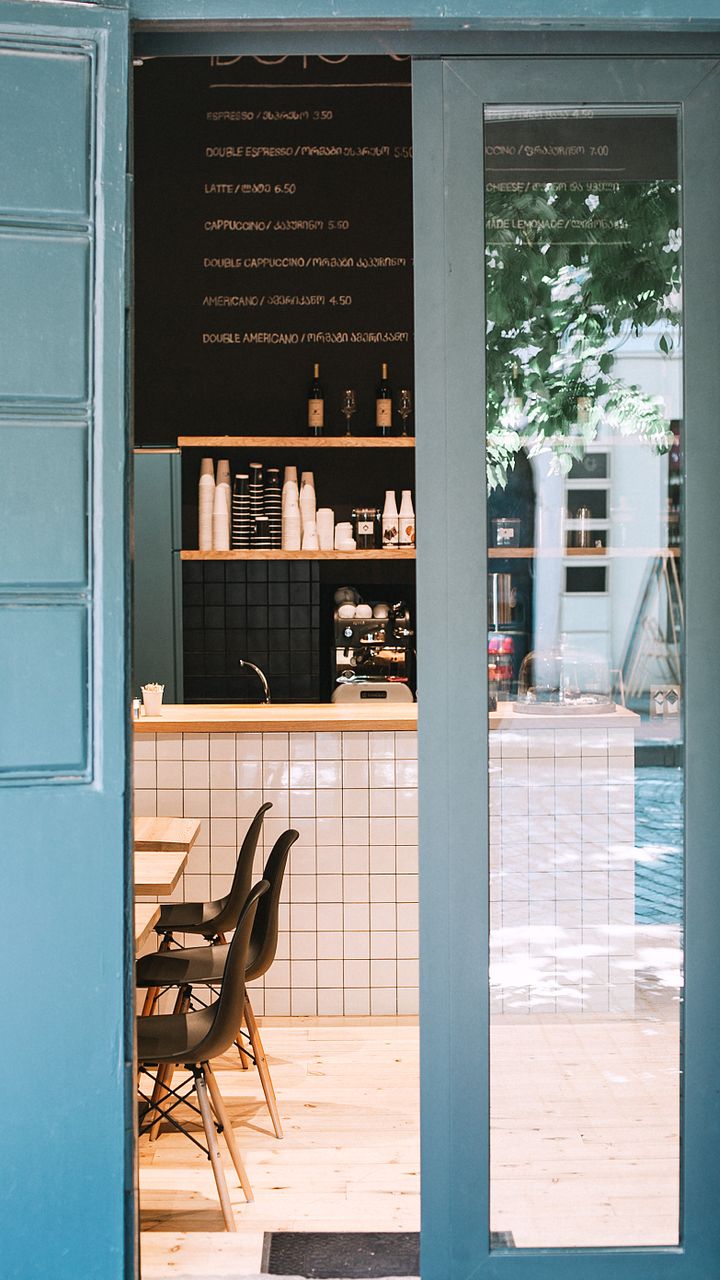
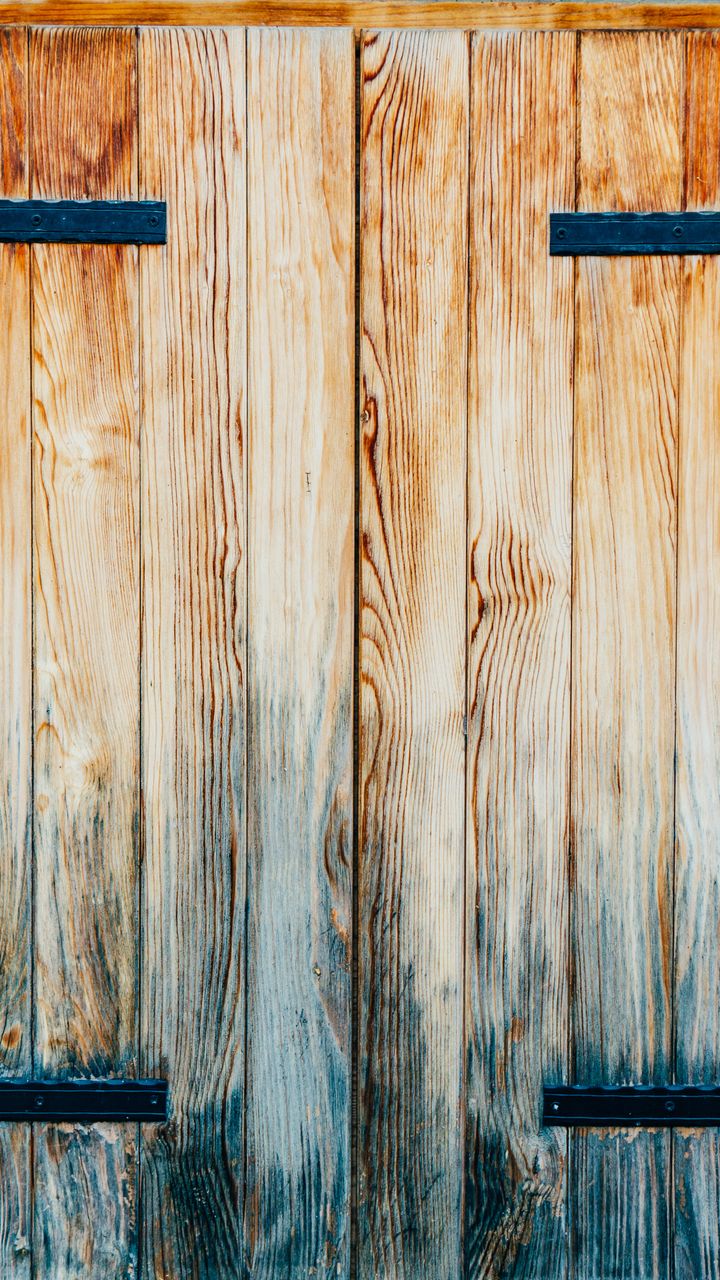
A sliding barn door adds a charming, rustic touch to your coffee bar armoire while solving the clearance issue of traditional swinging doors. This design is perfect for farmhouse or cottage-style homes, as the natural wood hardware and paneled door blend seamlessly with existing rustic decor. The door slides completely out of the way when you’re prepping drinks, giving you full access to your coffee supplies.
Pair a reclaimed wood armoire with a black metal barn door track, which costs roughly $30, and install the track at the top of the armoire frame. Line the interior with beadboard paneling for an extra cozy farmhouse feel, and add a small removable tray to catch coffee drips. This setup works best for armoires at least 30 inches wide, and the full project takes about 3 hours to complete. Make sure the track is securely anchored to the wall to prevent the heavy door from sagging over time.
3. Wall-Mounted Floating Armoire Bar
A wall-mounted floating armoire coffee bar is a game-changer for tiny apartments or rooms with zero floor space to spare. By securing the armoire directly to the wall, you eliminate the footprint of the unit entirely, freeing up floor space for other furniture. This design also makes cleaning under the bar a breeze, with no hard-to-reach gaps between the unit and the floor.
Opt for a lightweight, unfinished armoire without a bottom panel, and mount it to wall studs using heavy-duty brackets rated for at least 50 pounds. Add small floating shelves inside for your coffee accessories, and run a discreet power cord through the back of the armoire to plug in your coffee maker. This project costs around $120 for the armoire and mounting hardware, and takes about 2.5 hours to install; a popular budget-friendly armoire option is the IKEA Billy bookcase, which works well for this conversion. Always check that your wall can support the weight of the unit and your coffee supplies before hanging it.
4. Vintage Apothecary-Style Bar
Vintage apothecary armoires, with their small glass-fronted drawers and ornate wood frames, are perfect for coffee lovers who want to store beans, syrups, and grounds in style. The glass drawers let you see your supplies at a glance, so you never have to dig through a cluttered cabinet to find your favorite roast. This design adds a touch of old-world charm to any kitchen or dining room, and works especially well for collectors of specialty coffee beans.
Source an antique apothecary armoire from a local flea market or secondhand shop for $100-$200, then clean and seal the wood to protect it from coffee spills. Use the small drawers to store pre-portioned coffee pods, sugar packets, and stirrers, and label each drawer with a vintage-style sticker. Place your coffee maker on the bottom shelf, and add a small beadboard backsplash inside the armoire to protect the wood from heat and moisture. This setup requires minimal building skills, and takes about 1 hour to set up once you’ve sourced the armoire.
5. Two-Tier Pull-Out Shelf Bar
A two-tier pull-out shelf system maximizes the vertical space inside your armoire, giving you separate zones for brewing and storage without taking up extra floor space. The lower shelf can hold your bulky coffee maker and carafe, while the upper shelf holds smaller accessories like mugs, spoons, and creamer. This design is perfect for people who want to keep their coffee bar completely hidden when not in use.
Install heavy-duty pull-out shelf slides, which cost around $25 for a pair, inside your existing armoire frame, then attach custom wooden shelves to the slides. Make sure the slides are rated to hold the weight of your coffee maker, which can be 10-20 pounds for standard drip machines. Add a small power strip mounted to the back of the armoire to keep cords organized and out of sight. This project takes about 2 hours to complete, and works for armoires of any width as long as the slides fit the interior dimensions. Avoid overloading the upper shelf with heavy items, which can cause the slides to wear out faster.
6. Built-In Wine Rack Coffee Bar
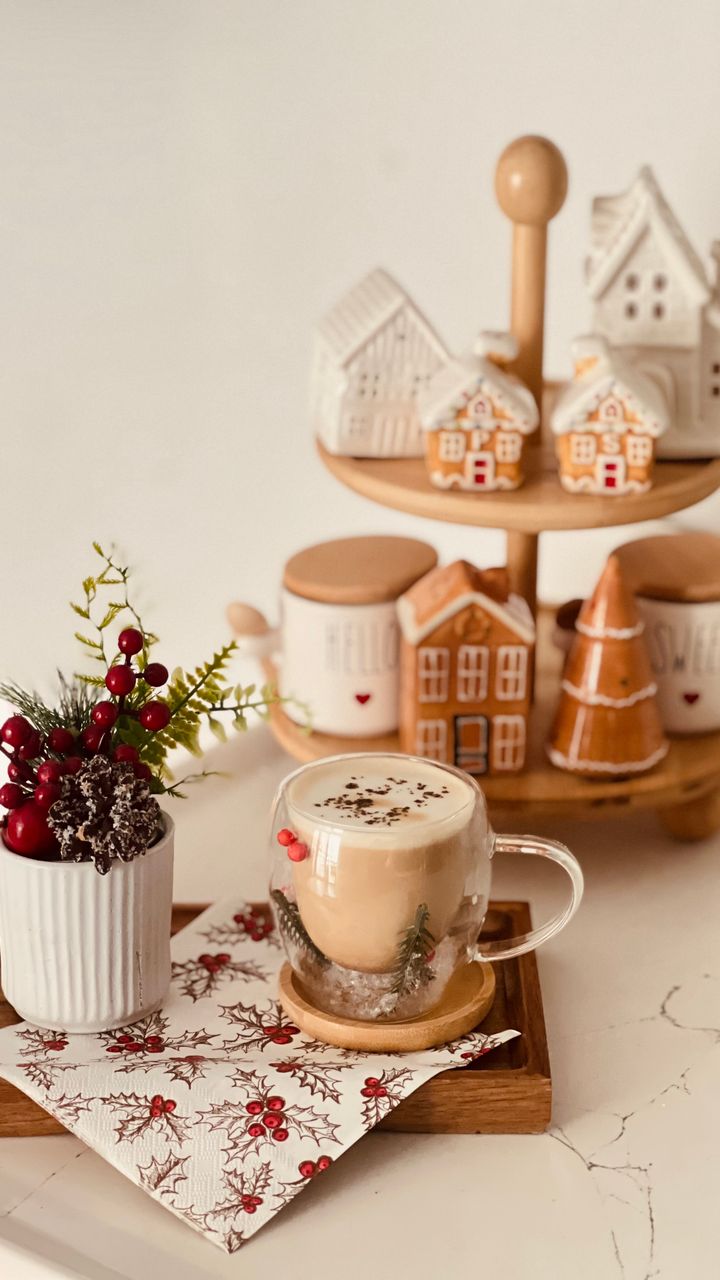
If you already have an armoire with a built-in wine rack, repurposing it as a coffee bar is a no-brainer that lets you store both wine and coffee supplies in one dedicated spot. The angled wine rack slots are perfect for holding bags of coffee beans upright, so you can easily see all your options at a glance. The lower cabinet space can hold your coffee maker, mugs, and larger accessories, keeping everything organized and out of sight.
Remove any existing wine glass holders that you won’t need, and add small wooden dividers to the wine rack slots to keep coffee bags from sliding around. Line the bottom of the armoire with a removable silicone mat to catch spills, and install a small under-cabinet LED light strip to illuminate your supplies when you open the door. This setup costs almost nothing if you’re using an existing armoire, and takes about 1 hour to reconfigure. It’s perfect for people who entertain often, as you can easily switch between coffee and wine service depending on the time of day.

7. Rustic Pallet Wood Bar Front
Adding a pallet wood front to your coffee bar armoire gives it a warm, rustic look that’s perfect for cabin, farmhouse, or industrial-style homes. Reclaimed pallet wood is inexpensive (often free if you source it yourself) and adds unique character to your build, with each board having its own natural knots and grain patterns. This design works especially well for plain, unfinished armoires that need a pop of texture and warmth.
Disassemble a clean, untreated pallet (available for free at most hardware stores or shipping centers) to get flat wooden boards, then sand them smooth and stain them to match your home’s decor. Attach the boards to the front of your armoire using wood glue and small brad nails, then seal the wood with a clear polyurethane coat to protect it from coffee spills. This project costs around $20 for stain and sealant, and takes about 3 hours to complete. Make sure the pallet wood is free of any chemical treatments or stamps, which can be harmful if they come into contact with food or drink.

8. Hidden Cabinet Coffee Bar
A hidden cabinet coffee bar is the ultimate solution for people who want a dedicated coffee station without the visual clutter of exposed appliances and supplies. When closed, the armoire looks like a standard piece of furniture, blending seamlessly with your existing decor. When open, it reveals a fully organized coffee bar with all the essentials within arm’s reach. This design is perfect for formal dining rooms or living spaces where you don’t want coffee equipment to disrupt the aesthetic.
Start with a traditional, closed-front armoire, and line the interior with peel-and-stick wallpaper or beadboard paneling to protect the wood from moisture. Install a small power strip inside the back of the cabinet to plug in your coffee maker, and add a small shelf for mugs and accessories. Leave a small gap at the bottom of the armoire door for cord ventilation, so your coffee maker doesn’t overheat. This setup costs around $100 for the armoire and $15 for interior supplies, and takes about 1.5 hours to assemble, per The Spruce’s hidden coffee bar guide. Avoid using a closed armoire for high-heat espresso machines, as the enclosed space can cause overheating.

9. Chalkboard Front Armoire Bar
A chalkboard front armoire coffee bar is perfect for families or people who love to change up their decor regularly. The chalkboard surface lets you write daily coffee specials, doodle fun designs, or list your favorite coffee beans, adding a playful, personalized touch to your space. This design works especially well for home coffee bars that double as a spot for kids to do homework or for hosting casual game nights.
Purchase a pre-cut chalkboard panel (available at most craft stores for $20-$30) and attach it to the front of your armoire using strong adhesive or small hinges if you want it to flip open. Keep a set of colorful chalk markers on the bottom shelf of the armoire for easy access, and wipe the board clean whenever you want to update the design. For a permanent look, you can use chalkboard paint instead of a pre-cut panel, which costs around $10 for a small can. This project takes about 1 hour to complete, and the chalkboard surface is easy to wipe down if it gets dusty or stained from coffee splatters.

10. Glass Door Display Coffee Bar
A glass door armoire coffee bar lets you show off your stylish coffee accessories and specialty beans while keeping them protected from dust and spills. The clear glass panels give the illusion of more space in small rooms, making this design ideal for cramped apartments or dark corners that need a light, airy feel. You can choose from clear glass, frosted glass, or even leaded glass panels to match your home’s style.
Opt for an armoire with tempered glass doors for safety, and line the interior with LED strip lights to illuminate your coffee supplies when the door is closed. Add small acrylic risers to the shelves to make your mugs and bean bags stand out, and avoid placing the armoire in direct sunlight, which can cause coffee beans to stale faster. This setup costs around $180 for a mid-range glass door armoire, and takes about 30 minutes to set up. If you don’t want to buy a new armoire, you can replace the doors on an existing wood armoire with glass panels for $50-$70.

11. Industrial Metal Frame Bar
An industrial metal frame armoire coffee bar brings a sleek, modern edge to your space, with exposed metal hardware and open shelving that fits perfectly with loft or industrial-style homes. The durable metal frame can hold heavy coffee equipment like espresso machines and grinders without sagging, making it a practical choice for serious coffee lovers. The open design also makes it easy to access your supplies quickly in the morning.
Purchase a pre-made metal frame armoire (available at most furniture stores for $200-$300) and add wire shelves inside to hold your coffee gear. Use matte black or brushed nickel hooks on the inside of the armoire door to hang mugs and measuring spoons, keeping them off the shelves and out of the way. Add a small concrete or slate tray to the bottom shelf to catch drips, and run your power cord through a small hole drilled in the back of the frame. This project takes about 1 hour to assemble, and the metal surface is easy to wipe clean if it gets coffee stains.

12. Mirrored Back Armoire Bar
A mirrored back panel inside your armoire coffee bar adds depth and brightness to small, dark spaces, making your coffee station feel larger and more open. The reflective surface also bounces light around the room, which is perfect for north-facing kitchens or dining rooms that don’t get a lot of natural light. You can use a full mirrored panel or a mosaic mirrored tile for a more decorative look.
Cut a piece of mirrored acrylic (available at hardware stores for $30-$40) to fit the back interior of your armoire, and attach it with strong adhesive or small mirror clips. Add small LED puck lights along the top edge of the mirror to illuminate your coffee supplies, and avoid placing the armoire near windows with direct sunlight, which can create harsh glare on the mirror. This setup costs around $50 for the mirror and lighting, and takes about 1 hour to install. The mirrored surface is also easy to clean with a glass cleaner, making it low-maintenance for busy households.
13. Pull-Down Shelf Espresso Bar
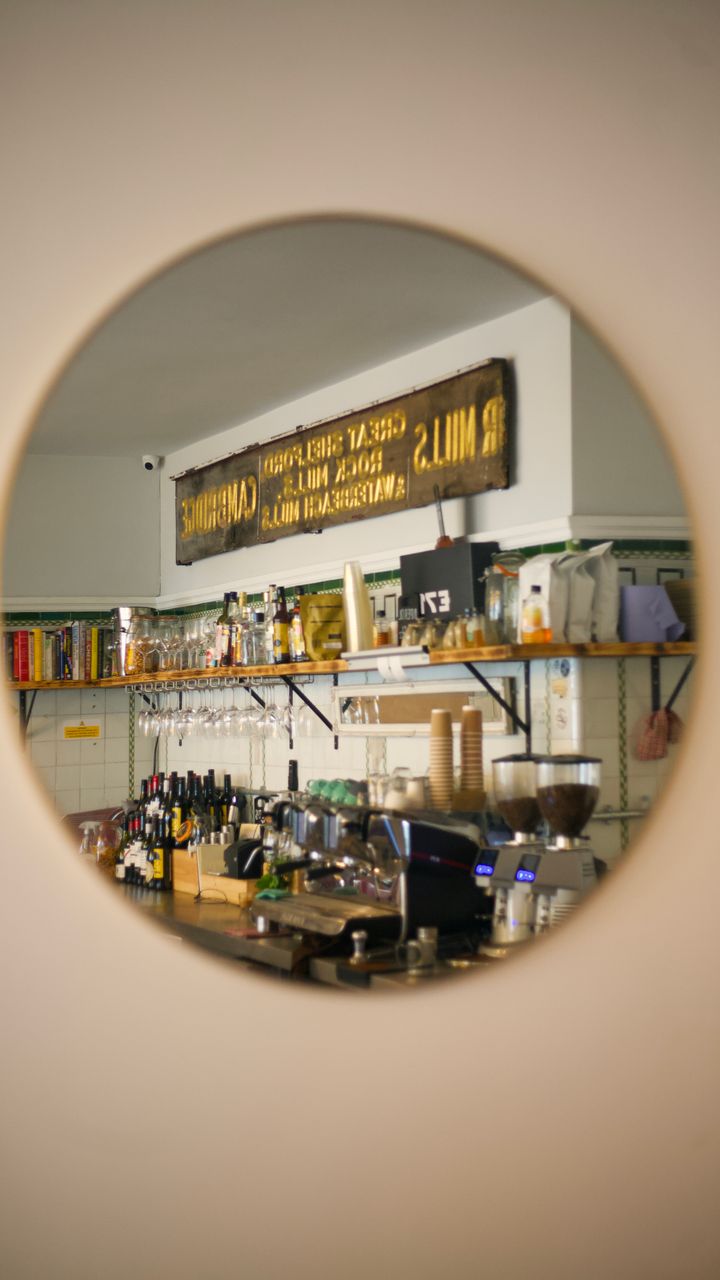
A pull-down shelf is a game-changer for people who own a bulky espresso machine but don’t want it taking up permanent counter space. The shelf folds up flush with the top of the armoire when not in use, and pulls down to a comfortable brewing height when you need to make a drink. This design keeps your espresso machine protected from dust and spills, while still being easy to access when you need it.
Install a heavy-duty pull-down shelf mechanism (rated for at least 30 pounds, available online for $40-$50) to the top interior of your armoire. Make sure the shelf is at a comfortable height for you to reach when it’s pulled down, usually around 36 inches from the floor. Add a small drip tray to the shelf to catch any espresso spills, and run your power cord through a hole in the back of the armoire. This project takes about 2 hours to install, and works best for armoires that are at least 24 inches wide. Avoid overloading the pull-down shelf with other heavy items, which can strain the mechanism over time.
14. Kid-Friendly Lowered Bar
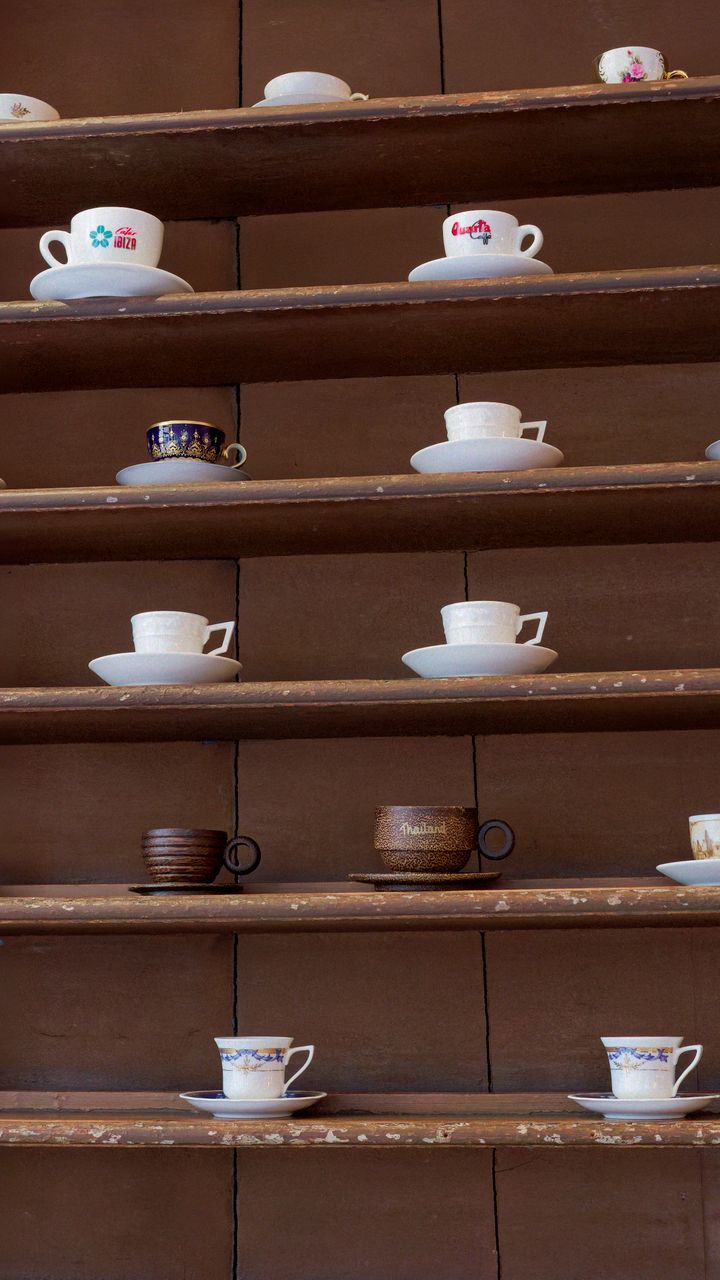
A lowered coffee bar armoire is perfect for families with kids who love to help make their own hot chocolate, iced coffee, or breakfast drinks. By lowering the shelves and countertop to a height accessible for children, you create a safe, independent space for them to prep drinks without climbing on counters. This design also works great for home daycare spaces or playrooms that have a dedicated snack area.
Cut the legs of a standard armoire down by 8-10 inches, or purchase a pre-made low-profile armoire designed for kids’ spaces. Add a non-slip mat to the countertop to prevent spills, and store all kid-safe supplies like marshmallows, cocoa powder, and stirrers on the lower shelves. Keep any hot equipment like coffee makers on the highest shelf, out of reach of small children. This project costs around $100 for the armoire and modification supplies, and takes about 2 hours to complete. Always supervise young children when they’re using the coffee bar, even if it’s lowered to their height.

15. Modern Floating Shelf Armoire Bar
A modern floating shelf armoire coffee bar ditches bulky, traditional shelving for sleek, minimalist floating shelves that give the unit a light, airy feel. The absence of visible shelf brackets makes the armoire look more streamlined, which is perfect for modern or Scandinavian-style homes. This design also makes it easy to rearrange your shelves whenever you want to update your coffee setup.
Use hidden floating shelf hardware, which costs around $15 for a set of 3 shelves, to mount the shelves inside your armoire without visible brackets. Stick to a monochromatic color palette of white, gray, or light wood to keep the look modern, and add a small potted succulent or small decor piece to each shelf for a pop of color. Make sure the floating shelves are anchored securely to the armoire walls to hold the weight of your coffee maker and supplies. This project takes about 1.5 hours to complete, and works for armoires of any size as long as the shelves fit the interior width.

16. Wine and Coffee Combo Bar
If you love both coffee and wine, a combo bar armoire lets you store both beverage collections in one dedicated, organized space. You can split the interior of the armoire into two zones: the upper shelves for wine bottles and glassware, and the lower counter and shelves for coffee supplies. This design is perfect for people who entertain often, as you can easily switch between serving morning coffee and evening wine without rearranging your entire storage setup.
Install a small countertop along the bottom half of the armoire, using a piece of quartz or butcher block that costs around $50, and add wine rack slots to the upper interior. Keep your coffee maker, mugs, and coffee supplies on the lower counter, and store wine bottles, corkscrews, and glasses on the upper shelves. Add a small lock to the armoire if you want to keep adult beverages out of reach of kids. This project takes about 3 hours to complete, and costs around $150 total for materials. You can also add a small drawer to the side of the armoire to store coffee pods and wine openers for extra storage.
17. Woven Rattan Front Bar
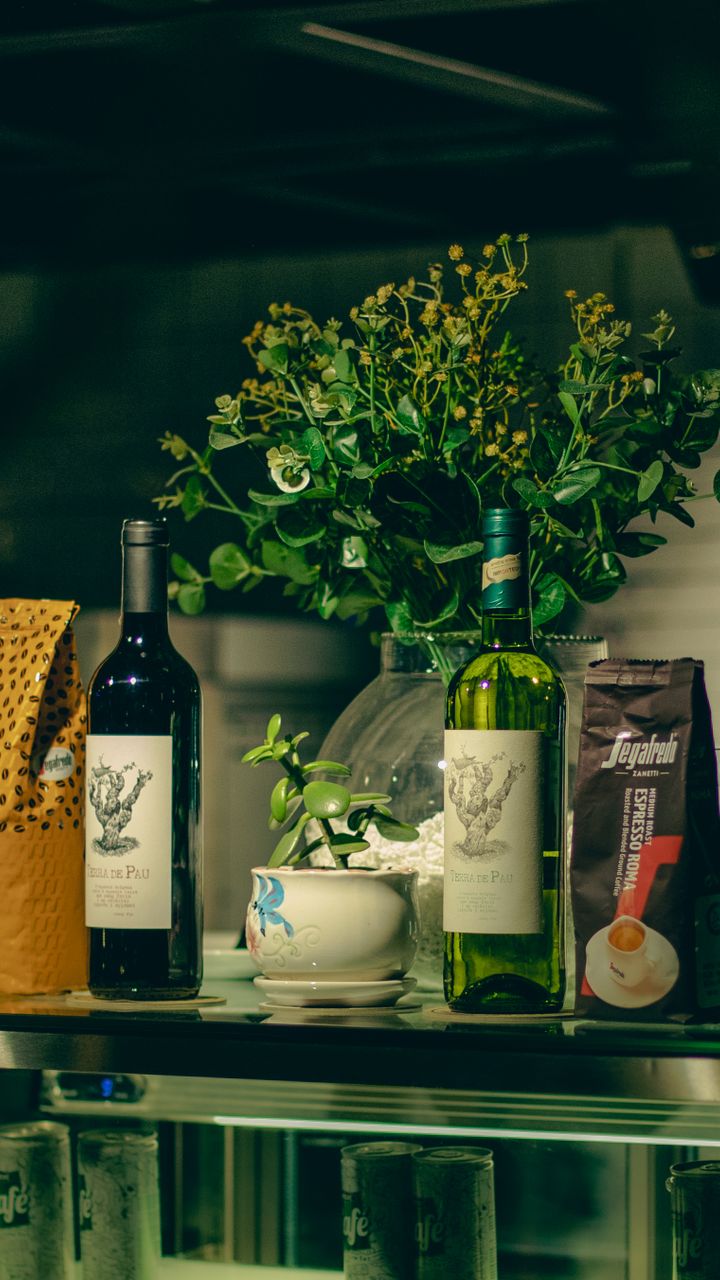
A woven rattan front adds a warm, textured, boho-inspired touch to your coffee bar armoire, making it stand out as a unique decor piece in your home. Rattan is lightweight, durable, and pairs perfectly with natural wood, jute, and other boho-style elements, making it ideal for people who love a relaxed, global-inspired aesthetic. The woven pattern also allows for subtle ventilation, which helps keep your coffee beans fresh longer.
Purchase a pre-made woven rattan panel (available at home decor stores for $30-$40) and attach it to the front of your armoire using small hinges if you want the door to open, or adhesive if you want a fixed panel. Line the interior of the armoire with natural jute rugs to catch coffee spills, and add small macramé wall hangings to the inside of the door for extra boho charm. This project takes about 1 hour to complete, and the rattan front is easy to wipe clean with a damp cloth if it gets dusty. Avoid placing the armoire in damp areas like basements, as rattan can warp if exposed to excess moisture.

18. Under-Stairs Nook Armoire Bar
An under-stairs nook is a wasted space in many homes, but a slim armoire coffee bar fits perfectly into this tight spot to create a functional, out-of-the-way coffee station. The narrow profile of a standard armoire matches the shape of most under-stairs nooks, so you don’t have to customize the space extensively. This design is perfect for people who want a coffee bar without taking up valuable kitchen or living room floor space.
Measure your under-stairs nook carefully before purchasing an armoire, making sure to leave at least 2 inches of clearance on all sides for ventilation. Opt for a slimmer, 18-inch wide armoire, which fits most standard under-stairs spaces, and add small casters to the bottom so you can pull it out for cleaning. Install a small power outlet in the nook if you don’t already have one, to plug in your coffee maker without running an extension cord across the stairs. This setup costs around $150 for the slim armoire, and takes about 1 hour to install. Avoid placing the armoire too close to the bottom of the stairs, as it can create a tripping hazard.

19. Molding-Accented Classic Bar
Adding decorative molding to your armoire coffee bar gives it a high-end, custom look that rivals expensive built-in cabinetry. Raised panel molding, crown molding, and trim pieces can transform a plain, big-box store armoire into a luxurious, formal coffee station that fits perfectly with traditional or transitional home decor. This design is perfect for people who want a coffee bar that looks like it was professionally installed.
Purchase pre-cut molding pieces (available at most hardware stores for $2-$3 per foot) and attach them to the front and top edges of your armoire using wood glue and small brad nails. Paint or stain the molding to match the rest of your home’s trim, and fill any nail holes with wood filler for a seamless finish. Add a small marble or granite countertop to the bottom of the armoire for an extra touch of luxury. This project costs around $80 for molding and countertop materials, and takes about 4 hours to complete. Take your time measuring and cutting the molding to ensure all pieces fit together perfectly, as misaligned molding can make the armoire look cheap.
20. Linen-Lined Interior Bar
Lining the interior of your armoire coffee bar with soft, neutral linen adds a cozy, elevated touch that protects your dishes and supplies from scratches. The fabric also dampens noise, so if you store glass mugs or ceramic canisters, they won’t rattle when you open and close the armoire door. This design is perfect for people who want a coffee bar that feels warm and inviting, rather than cold and utilitarian.
Cut linen fabric to fit the interior walls, shelves, and bottom of your armoire, and attach it with spray adhesive or small upholstery tacks. Opt for a natural, undyed linen in beige, gray, or cream to match most decor styles, and avoid patterned linen, which can make your coffee supplies harder to see. Add a small linen drawer liner to any drawers inside the armoire for extra protection. This project costs around $30 for linen fabric and adhesive, and takes about 1.5 hours to complete. The linen lining is also easy to remove and wash if it gets stained with coffee or cream.

21. Outdoor Patio Armoire Bar
A weatherproof armoire coffee bar is the perfect addition to your outdoor patio or deck, letting you enjoy fresh coffee outside without running back and forth to the kitchen. Use a teak or cedar armoire, which are naturally rot-resistant, or treat a standard wood armoire with outdoor sealant to protect it from rain and sun. This design is perfect for people who love to host morning brunches or afternoon coffee dates on their patio.
Seal all wood surfaces with a waterproof outdoor sealant, applying two coats for maximum protection, and add a small roof overhang above the armoire if you live in a rainy climate. Store your coffee maker, mugs, and supplies inside the armoire when not in use, and add a small weatherproof trash bin inside for used coffee pods and filters. This setup costs around $200 for a weatherproof armoire and sealant, and takes about 2 hours to prepare. Avoid placing the armoire in direct, all-day sunlight, as it can warp the wood and cause your coffee beans to stale faster.

22. Multi-Functional Desk Armoire Bar
A multi-functional armoire that combines a drop-down desk and coffee bar is the ultimate space-saving solution for small home offices or studio apartments. When closed, the armoire looks like a standard piece of office furniture, with a small desk surface for working. When open, the lower section reveals a fully stocked coffee bar, so you can grab a drink without leaving your workspace.
Opt for a pre-made desk armoire (available at most furniture stores for $300-$400) that has a lower cabinet space, and install a small shelf and power strip inside the cabinet for your coffee maker. Keep your coffee supplies in small bins on the shelf to keep them organized, and add a small lock to the cabinet if you want to keep coffee snacks out of reach of kids or pets. This project takes about 30 minutes to set up, and eliminates the need for a separate coffee station and desk in small spaces. It’s perfect for remote workers who want to keep their coffee supplies close at hand without cluttering their desk surface.
Frequently Asked Questions
Q. Can any armoire be turned into a coffee bar?
Ans. Almost any standard armoire can be repurposed as a coffee bar, as long as it has enough interior space to fit your coffee maker, mugs, and supplies. You may need to add shelves or modify the interior for larger appliances, but most armoires work with minimal adjustments.
Q. What size armoire is best for a coffee bar?
Ans. For a standard coffee setup with a drip maker and small accessories, a 24-30 inch wide armoire is ideal. If you have an espresso machine or want extra storage for beans and syrups, opt for a wider 36-inch model to give yourself enough clearance.
Q. How do I hide cords in a coffee bar armoire?
Ans. Run your power cords through a small hole drilled in the back of the armoire, and use adhesive cord clips to secure them to the interior walls. You can also hide a power strip inside the back of the cabinet to keep all plugs in one hidden spot.
Q. Are coffee bar armoires safe for small children?
Ans. As long as you store hot equipment like coffee makers and kettles on higher shelves out of reach, and use child-proof locks on the armoire door if needed, coffee bar armoires are safe for homes with kids. You can also create a lowered kid-friendly version for children to make their own hot drinks with supervision.
Conclusion
Repurposing an armoire into a coffee bar is a budget-friendly, space-saving way to get a dedicated brew station without sacrificing your home’s style. No matter your design preferences or available space, one of these 22 ideas will fit your needs perfectly. Most projects can be completed in a single afternoon with basic tools and minimal cost.
Don’t be afraid to mix and match elements from different ideas to create a coffee bar that’s uniquely yours. Whether you go for a rustic farmhouse look or a sleek modern design, your custom armoire coffee bar will become a favorite spot in your home for morning coffee and evening relaxation. Start building this weekend, and enjoy your new, organized coffee station for years to come.
Photos via Pexels