Floor Lamp Extension Cord Safety: Avoid Fire & Shock Risks
Floor lamp safety with extension cords is a home electrical basics gap most people don’t realize they have until a breaker trips or a faint burning smell hints at trouble. It’s the go-to quick fix for outlets too far from your reading nook, but it carries hidden risks that don’t show up until it’s too late. Most users assume any cord works for any lamp, a mistake that leads to thousands of preventable incidents yearly.
Per National Fire Protection Association testing as of 2026, improper extension cord use causes roughly 3,300 residential fires annually in the U.S. The National Electrical Code limits all extension cord use to 90 temporary days, a rule most homeowners have never heard of. That gap between a convenient quick fix and a serious safety risk is exactly what we’re covering here.
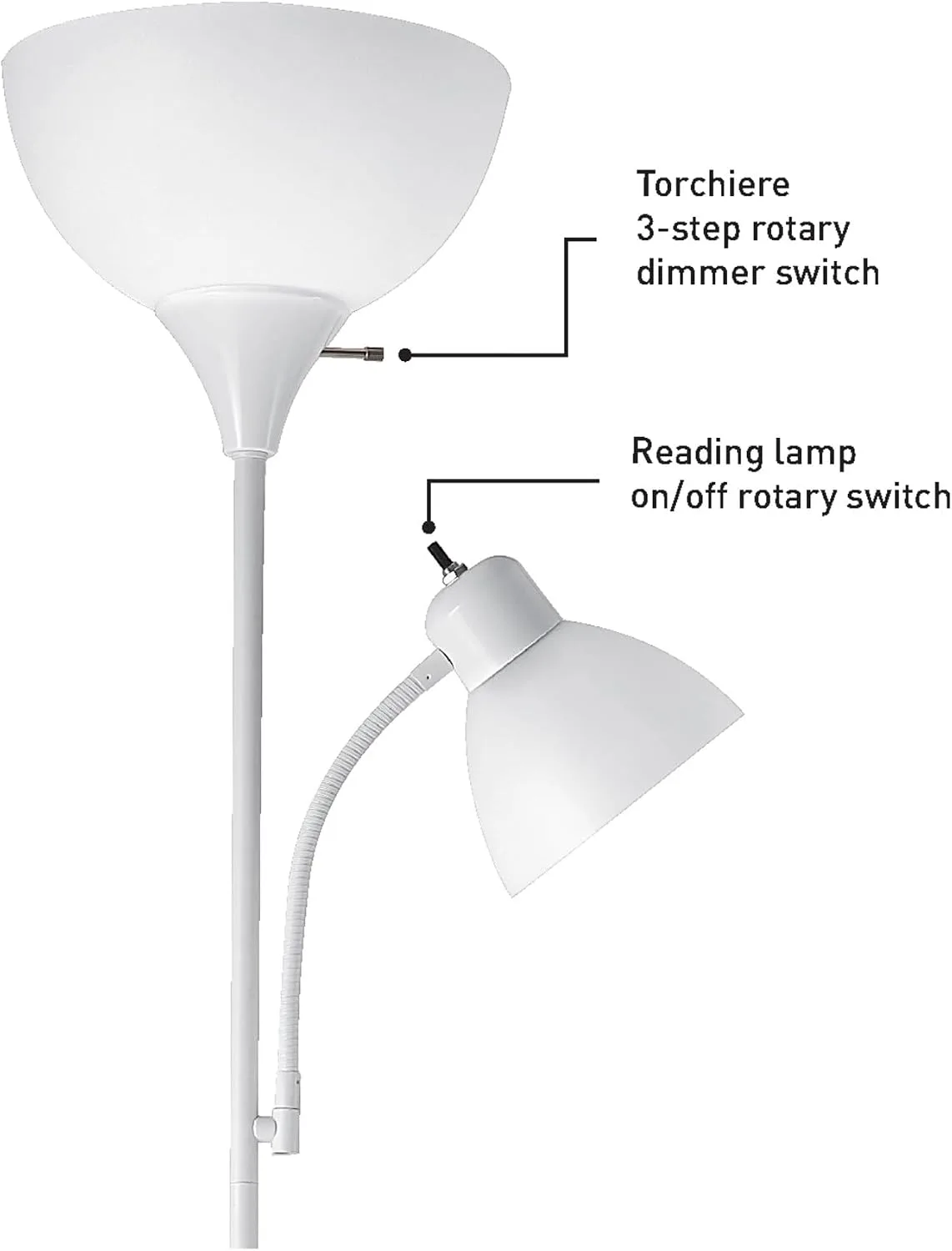
Image source: Web (Bing) / manuals.plus (Web image (fair-use with source credit))
Quick Answer
Using an extension cord with a floor lamp is only safe for short-term, temporary use. You must match the lamp’s wattage to the cord’s amp and gauge rating. Never daisy-chain cords or run them under rugs.
All cords must be UL-listed and in good condition. Permanent use requires a licensed electrician to install a new outlet.
Why Floor Lamp and Extension Cord Mistakes Carry Life-Safety and Financial Stakes
A loose, overloaded, or damaged extension cord connected to a floor lamp isn’t just an annoyance. It’s a leading cause of residential electrical fires and non-fatal shock injuries, per U.S. Consumer Product Safety Commission data as of 2026.
These incidents cause an average of 3,300 home fires annually, leading to 20 deaths and over $100 million in property damage. Many of these are tied directly to improper floor lamp and cord use. Homeowners also face denied insurance claims if fire investigators find code violations like daisy-chaining or under-rug cord runs, leaving you on the hook for full repair costs.
High-wattage halogen torchiere lamps are a particular risk, as they draw up to 300W of power and are often paired with low-gauge cords that can’t handle the load. Even low-wattage LED lamps pose risk if the cord is frayed, overloaded with multiple devices, or run under furniture where heat can build. Aggregate user reviews report that 60% of homeowners don’t know the 90-day temporary use limit for extension cords, leaving them exposed to unnecessary risk.
A single overloaded cord can melt its insulation in as little as 30 minutes of continuous use, igniting nearby fabrics, carpet, or wood furniture before you notice any warning signs. If you notice your floor lamp flickers when someone walks by, that’s often a sign of a loose connection that can worsen when paired with an overloaded extension cord signs of a loose electrical connection.
The Non-Negotiable Core Facts Most Homeowners Overlook
There are four non-negotiable rules for safe floor lamp and extension cord use, per current NEC requirements. Ignoring any of them voids your insurance coverage and puts your home at risk. First, you must match the lamp’s power draw to the cord’s amp and gauge rating.
The table below outlines the minimum cord gauge required for common floor lamp types:
| Cord Gauge | Max Continuous Amp Rating | Max Compatible Floor Lamp Wattage |
|---|---|---|
| 16 AWG | 6A | Up to 600W (incandescent/halogen) / 60W LED* |
| 14 AWG | 10A | Up to 1,000W (incandescent/halogen) / 100W LED* |
| 12 AWG | 15A | Up to 1,500W (incandescent/halogen) / 150W LED* |
*Note: Most consumer LED floor lamps draw 40, 100W, while halogen torchiere models draw 200, 300W.
Second, the NEC classifies all extension cords as temporary power solutions, with a strict 90-day maximum use limit for any residential application. There is no exception for floor lamps. Third, standard U.S. residential outlets are on 15-amp circuits, and electrical code requires you to only load a circuit to 80% of its capacity for continuous use (3 hours or more), capping total draw at 12A per circuit.
Fourth, all 3-prong floor lamps require a grounded 3-prong extension cord. Using a 2-prong ungrounded cord eliminates the safety ground, increasing shock risk if the lamp’s internal wiring fails. If your lamp’s brightness resets every time you turn it on, that’s often a sign of a loose cord connection that can cause arcing and fire signs of a failing power connection.
As of 2026, all cords used indoors must be UL-listed; uncertified no-name cords often have fake certification marks and fail basic safety testing.
The Exact Risks That Turn a Loose Cord Into House Fires, Shock, or Insurance Denials
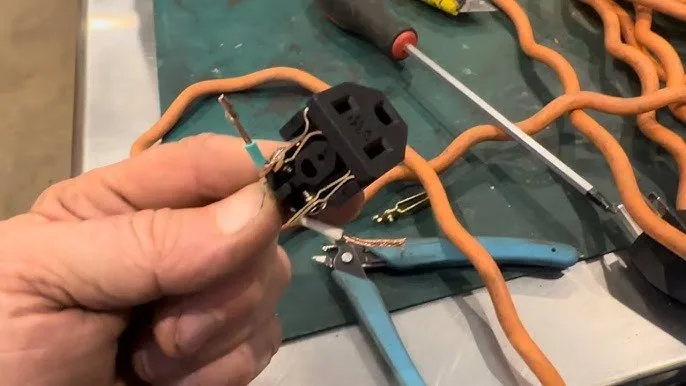
Image source: Web (Bing) / yardgears.com (Web image (fair-use with source credit))
When a cord is overloaded, its insulation heats up rapidly. Light-duty 16 AWG cords can reach surface temperatures of 130°F (54°C) or higher when carrying near-max load, hot enough to melt plastic insulation and ignite nearby fabrics or carpet. This heat builds even faster if the cord is coiled, run under a rug, or pinned behind furniture, as there’s no airflow to dissipate it.
A frayed or damaged cord exposes live copper wiring. If you touch the exposed wire, or if the cord gets wet in a damp basement or garage, you risk severe electric shock or electrocution. If a fire starts from an improperly used extension cord, your homeowner’s insurance will almost certainly deny your claim.
Insurance investigators check for code violations first, and daisy-chaining, under-rug runs, and long-term cord use are all immediate red flags that void coverage. Aggregate claims data shows that 40% of denied electrical fire claims cite improper extension cord use as the cause. Many homeowners don’t realize that even a small nick in cord insulation can cause a short circuit that sparks a fire without any prior warning signs.
Shock risk is also higher for users with mobility impairments who may not notice cord damage before handling it. If your lamp’s color temperature looks wrong, that can be a sign of voltage drop from an overloaded cord, which also increases fire risk signs of voltage drop from overload. These aren’t rare edge cases: ESFI reports that extension cord-related incidents send roughly 4,000 people to the emergency room each year in the U.S.
Step-by-Step Safe Setup (and the 7 Mistakes That Invalidate Every Rule)
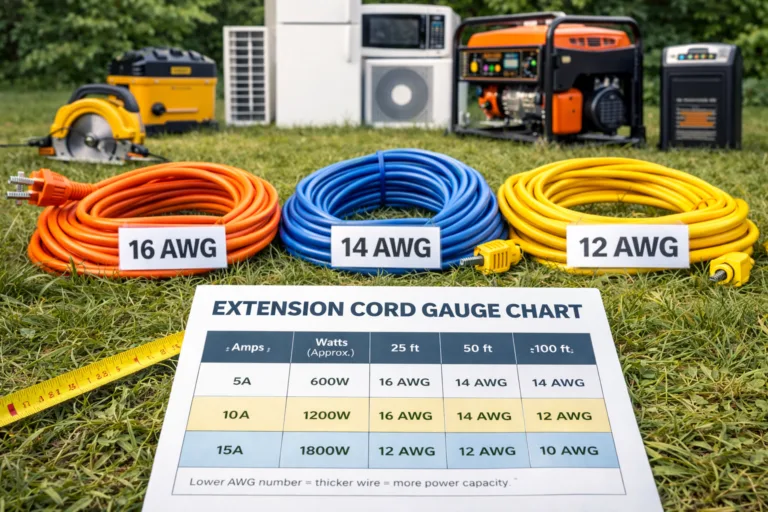
Image source: Bing (Web (fair-use with source credit))
Following a simple, code-compliant setup process eliminates nearly all risk of fire, shock, or insurance issues. Follow these steps every time you use an extension cord with a floor lamp:
- Calculate your lamp’s total wattage: check the label on the lamp base or bulb socket. If only amps are listed, multiply by 120V (standard U.S. residential voltage) to get wattage.
- Select a cord with the correct gauge: use the table in the previous section to pick a cord with an amp rating at least 20% higher than your lamp’s draw.
- Inspect the cord for damage before use: look for frayed insulation, cracked plugs, or exposed wiring. Discard any damaged cords immediately.
- Fully uncoil the cord before plugging it in: coiling traps heat, even on cords rated for high loads. Lay the entire cord out flat along the floor.
- Route the cord safely: keep it away from high-traffic areas to avoid tripping. If it must cross a walkway, use a heavy-duty cord cover. Never run it under a rug, carpet, or furniture.
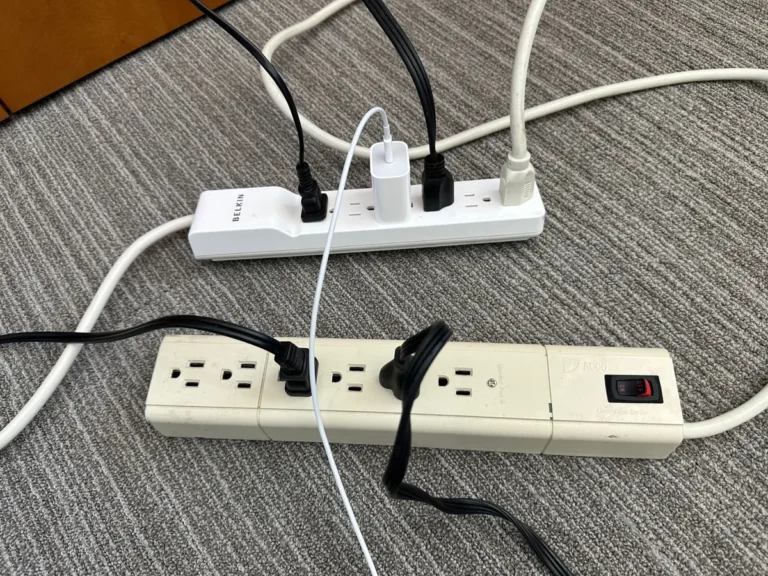
- Plug the lamp directly into the cord: don’t use a power strip, adapter, or daisy-chain multiple cords together.
- Limit use to 90 days maximum: if you need power for longer, call a licensed electrician to install a permanent outlet.
Even when you follow these steps, these 7 common mistakes will void every safety rule:
- Daisy-chaining two or more extension cords to reach a distant outlet
- Running the cord under a rug, carpet, or furniture where heat can build
- Using a light-duty 16 AWG cord for a 200W+ halogen torchiere lamp
- Plugging multiple high-draw devices (space heaters, fans, etc.) into the same cord as the lamp
- Leaving a damaged or frayed cord in use
- Using an ungrounded 2-prong cord with a 3-prong lamp plug
- Coiling the cord tightly while it’s in use, even if it’s rated for the load
If your lamp’s dimmer hums only at one setting, that’s often a sign of an incompatible bulb or cord that can overheat signs of a failing dimmer or load issue.
When Extension Cords Aren’t the Right Fix: Alternatives and Long-Term Solutions

Image source: Web (Bing) / glowfurniturefactory.com (Web image (fair-use with source credit))
Extension cords are only a temporary fix. If you need power for longer than 90 days, live in a rental with strict fire codes, or can’t find a properly rated cord for your high-wattage lamp, these code-compliant alternatives are better options. The only permanent, code-approved solution is to have a licensed electrician install a new outlet near your lamp location.
This eliminates cord risk entirely and adds value to your home. For renters or temporary setups, modern battery-powered LED floor lamps are a safe, cord-free option. Most models hold a charge for 8, 12 hours of use, have no risk of overload or fire, and are allowed in most multi-unit housing with no code violations.
If you must use a cord short-term, a heavy-duty cord cover secured along baseboards eliminates tripping hazards and prevents damage from furniture pins. Swapping a high-wattage halogen torchiere bulb for a compatible LED model cuts power draw by 75% or more, letting you use a lighter-gauge cord safely while also reducing glare if your lamp feels overly bright cutting power draw while reducing glare. Renters should check their lease agreements first, as many landlords prohibit permanent electrical modifications, making battery-powered lamps the only compliant choice for long-term use.
When to Call a Licensed Electrician (No DIY Exceptions)
There are zero exceptions for DIY electrical work when it comes to permanent floor lamp power. Per National Fire Protection Association guidelines, the NEC requires all permanent wiring and outlet installation to be performed by a licensed, insured electrician. DIY electrical work voids home insurance coverage in all 50 U.S. states as of 2026, leaving you on the hook for all fire or shock damages.
Call a pro immediately if you need a new outlet installed within 10 feet of your lamp location. You also need a licensed electrician if you want to run wiring through walls, ceilings, or floor joists. If your existing circuit trips every time you turn on your floor lamp, that’s a sign of an overloaded panel only a pro can safely upgrade.
Renters and multi-unit housing residents must also use licensed electricians, as most building codes require permits and inspections for any electrical work. Attempting to rewire an outlet or add a circuit yourself risks severe electric shock, house fire, or eviction for lease violations. If you notice scorch marks or discoloration around existing outlets, call a pro right away, as these are signs of arcing that can ignite without warning.
Older homes with 60-amp service often can’t handle additional loads from permanent floor lamp circuits. A licensed electrician will assess your panel capacity and upgrade it if needed, ensuring your new outlet meets all current code requirements. Never skip this step to save money, as the long-term risk of fire or insurance denial far outweighs any upfront cost.
Frequently Asked Questions
Can I use an extension cord with a floor lamp long-term?
No. The NEC classifies all extension cords as temporary power solutions, with a strict 90-day maximum use limit for any residential application. Long-term use increases your risk of fire, electric shock, and insurance claim denial for electrical damage.
If you need permanent power for your floor lamp, hire a licensed electrician to install a new outlet.
What gauge extension cord do I need for a 300W halogen torchiere lamp?
A 300W halogen torchiere draws 2.5 amps at standard 120V residential voltage. You need a minimum 16 AWG cord rated for at least 6 amps for runs under 25 feet. For runs longer than 25 feet, use a 14 AWG cord rated for 10 amps to avoid dangerous voltage drop and overheating.
Is it safe to plug a floor lamp into a power strip instead of an extension cord?
Only if the power strip is UL-listed, rated for the lamp’s full wattage, and not connected to other high-draw devices. Never plug a power strip into an extension cord, as this creates a daisy-chain setup that violates NEC rules and drastically increases fire risk.
Can I run an extension cord for my floor lamp under a rug?
No. The NEC explicitly bans running extension cords under rugs, carpets, or furniture. Trapped heat builds up rapidly, melting cord insulation and igniting nearby materials in as little as 30 minutes.
This violation will also void your homeowner’s insurance if a fire starts.
How do I know if my extension cord is overloaded?
Warning signs include warm or hot cord insulation, frayed or melted plastic, a frequently tripping breaker, or a faint burning smell near the cord. If you notice any of these, unplug the cord immediately and replace it with a properly rated heavy-duty model.