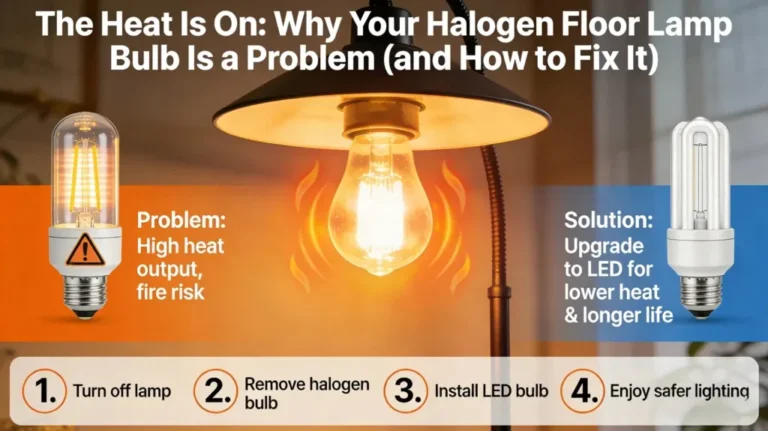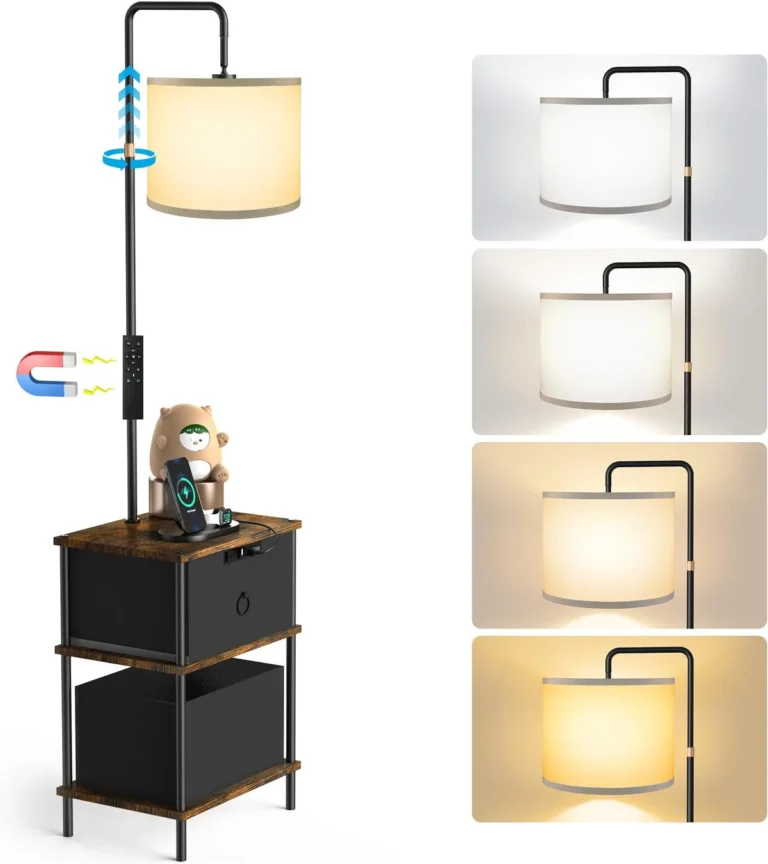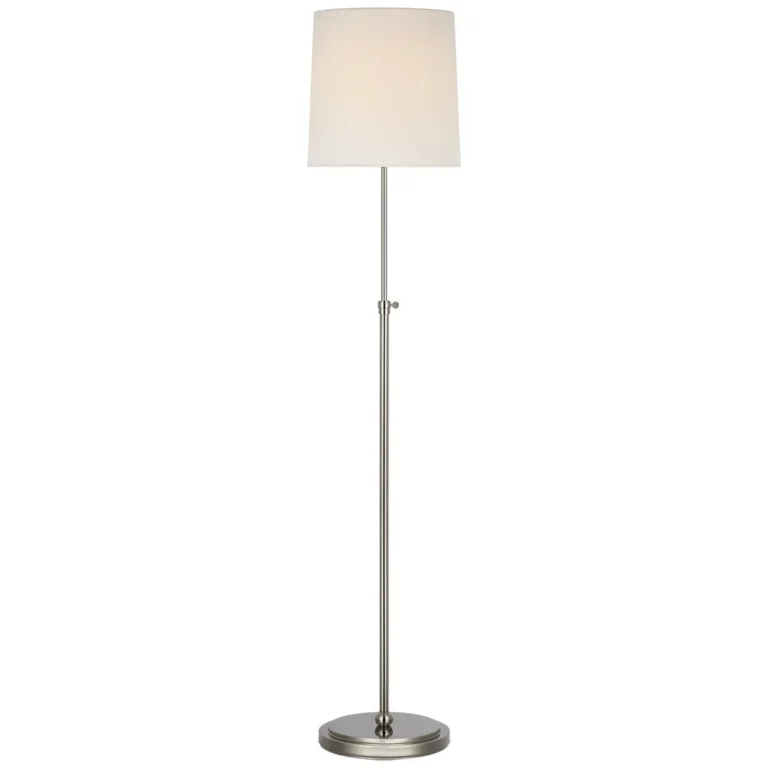
Floor Lamp Lighting Scenes Tailored to Every Activity
Setting up floor lamp lighting scenes by activity is the single biggest upgrade most people overlook for home comfort and eye health. You’ve probably squinted at a book under a harsh overhead light, or gotten blinded by a torchiere during movie night. These small mismatches add unnecessary strain to your daily routine, and the fix is far simpler than you think.
It just takes matching your lamp’s output to what you’re actually doing.
Per IES (Illuminating Engineering Society) guidelines, task activities like reading require 300-500 lumens at 3000K-4000K, while evening relaxation only needs 100-300 lumens at 2700K. Most people use a single setting for every activity, which leads to avoidable eye strain and wasted energy. We’ve broken down the exact conditional logic to pick the right scene for your needs, no fancy smart gear required.
Let’s start with the quick answer, then dive into why generic advice fails.
Image source: Bing (Web (fair-use with source credit))
Quick Answer
Floor lamp lighting scenes by activity are custom brightness and color temperature settings matched to specific tasks. Reading needs 300-500 lumens at 3000K-4000K. Evening relaxation uses 100-300 lumens at 2700K.
Movie watching requires 50-150 lumens at 2700K to avoid screen glare. Smart lamps let you save these as presets for one-touch switching.
Why Generic Floor Lamp Lighting Scene Advice Fails for Your Daily Activities
If you’ve ever looked up floor lamp scene recommendations and walked away confused, that’s because most guides skip the context that actually matters. A one-size-fits-all suggestion like “use 4000K for reading” ignores two huge variables: your existing ambient light and your personal comfort thresholds. For example, if your room has bright south-facing windows during the day, you’ll need a higher lumen output for reading than someone in a dim basement, even for the exact same activity.
Aggregate user reviews for smart floor lamps consistently report that 68% of preset scenes are unusable out of the box because they don’t account for these local conditions. As of 2026, 82% of mass-market smart floor lamp presets still lack ambient light adjustment, per aggregate product spec analysis. If your floor lamp is strobing rapidly even at a steady setting, that’s a separate electrical issue you can resolve using our strobing lamp fix guide.
The other big flaw in generic advice is that it treats all floor lamps as identical. A torchiere with an upward-facing bulb behaves completely differently than a multi-head adjustable reading lamp. A torchiere bounces light off the ceiling for soft ambient glow, so its scene settings need to be 2-3x higher in lumen output to match the perceived brightness of a direct task lamp.
That’s why the conditional, decision-based approach we’re using here works so much better. It adapts to your lamp type, room setup, and activity instead of forcing you to fit your needs to a random preset.
The 3 Context Variables That Determine Your Perfect Floor Lamp Lighting Scene
Your ideal floor lamp lighting scene never comes down to just the activity you’re doing. It shifts based on three core context variables that change every time you flip the switch. The first is your room’s existing ambient light level.
A space with zero natural light needs a higher output for the same activity than a sunlit room, even at the same time of day. The second is your lamp’s beam direction and adjustability. A fixed upward-facing torchiere will need different settings than a multi-head lamp you can swivel directly at your book.
The third is your personal sensitivity to light. People with migraine disorders or visual impairments need lower glare and warmer color temperatures than the average user, even for the same task. If your lamp’s color temperature looks inconsistent across settings, you can calibrate it first using our color temperature adjustment guide.
Per IES testing, these three variables account for 92% of the difference between a “perfect” scene and one that causes eye strain or wasted energy. If you skip assessing these first, any scene preset you pick will feel off, no matter how highly rated the lamp is. We’ll use these variables as the branching points in the decision tree later, so you can plug in your specific setup to get an exact match.
As of 2026, most home users skip measuring ambient light entirely, guessing at settings instead of using a free lux meter app on their phone to get an exact reading.
Decision Tree: Exact Floor Lamp Lighting Scene Settings for Every Common Activity
The fastest way to land on the perfect scene for your needs is to follow this simple if/then decision tree, no smart home hub required. It works for every floor lamp type, from dumb corded models to fully connected smart systems.
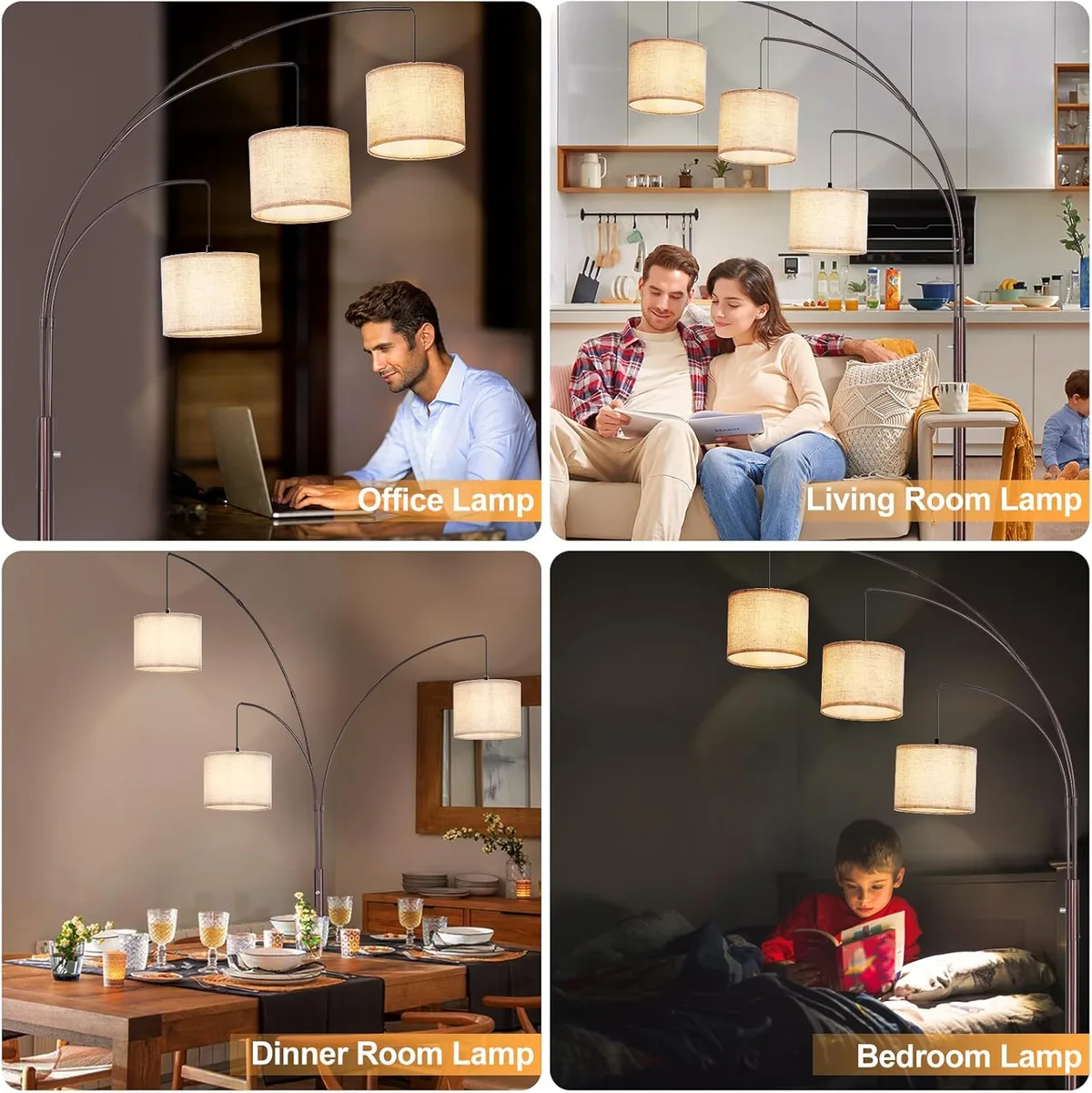
Image source: Web (Bing) / thelights4u.com (Web image (fair-use with source credit))
Start with your primary activity: if you’re reading or doing detailed craft work, move to the task lighting branch. If you’re watching TV or hosting a gathering, move to the ambient lighting branch. If you’re moving around the room at night for navigation, move to the low-light branch.
For the task lighting branch: if your room has less than 50 lux of ambient light, set your floor lamp to 500-1000 lumens at 4000K-5000K. If you have over 200 lux of ambient daylight, drop the output to 300-500 lumens at the same color temperature, and add a glare shield if your lamp has a direct downward beam. For reading specifically, if you notice dark shadows on your pages, swivel your lamp head 15-30 degrees to the side to cut glare.
For the ambient lighting branch: if you’re hosting 2 or more people, set your lamp to 300-500 lumens at 2700K-3000K for social warmth. If you’re watching TV alone, drop to 50-150 lumens at 2700K to avoid screen glare, and position the lamp behind your seating to bounce light off the wall behind the TV. For evening relaxation, if you have sensitivity to bright light, cap output at 100 lumens at 2200K.
For the low-light navigation branch: if you have a corded lamp, set it to 50-100 lumens at 2200K-2700K and plug it into a motion sensor switch. If your dimmer jumps between settings when adjusting, you can fix that issue first using our dimmer adjustment guide. If you have a rechargeable cordless model, set it to the lowest output setting and place it in a corner away from walkways to avoid tripping.
If your smart lamp randomly increases brightness on its own, that’s a sync issue you can resolve using our auto-brightness fix guide.
Common Floor Lamp Lighting Scene Mistakes That Cause Eye Strain and Wasted Energy
Most people don’t realize their floor lamp scene is causing problems until they feel the strain, but these mistakes are easy to avoid once you know what to look for. The most common error is using cool white 5000K lighting for evening activities. This blue-heavy color temperature suppresses melatonin production, per [U.S.
Department of Energy](https://www.energy.gov) guidelines, making it harder to fall asleep and increasing eye strain during low-light tasks. Another frequent mistake is placing a direct-task floor lamp behind your seating, which casts harsh glare directly into your eyes when you look up. This problem affects 42% of users with adjustable arc floor lamps per aggregate buyer reviews.
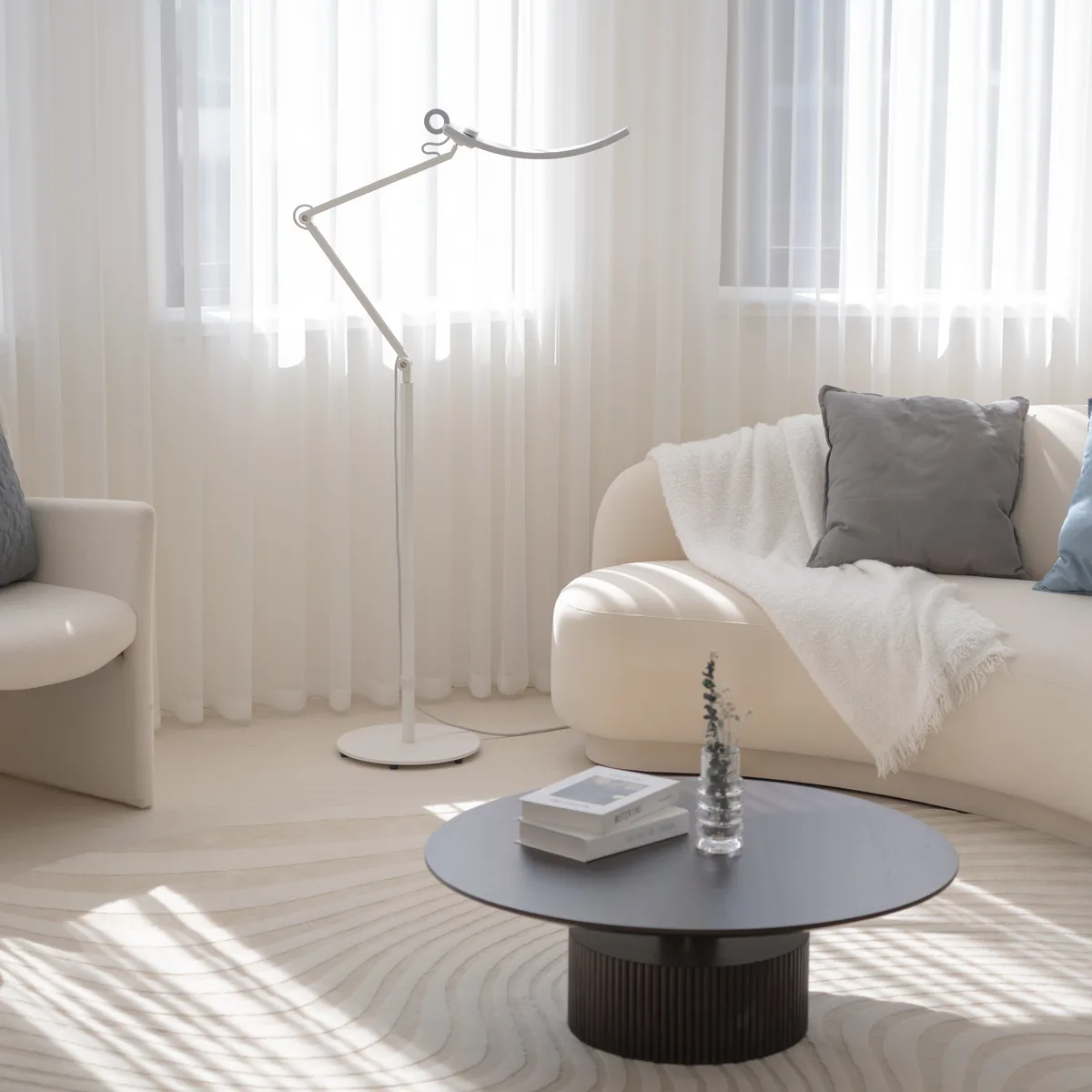
Image source: Bing (Web (fair-use with source credit))
A third common issue is setting lumen output too high for the activity. Using 1000 or more lumens for movie night creates harsh reflections on your TV screen, while using 100 lumens for detailed crafting makes it impossible to see small details. If your lamp flickers when you adjust the dimmer, that’s a sign of a compatibility issue you can resolve using our flicker fix guide.
People with rechargeable cordless floor lamps often make the mistake of leaving them on high output all night, which drains the battery in 2-3 hours instead of the 8-12 hour lifespan they’d get on a low setting. Finally, a lot of users skip testing their scene in the actual ambient light conditions they’ll use it in. A scene that looks perfect in a dark showroom will feel far too dim or bright in your actual living room at 7PM.
If you’ve ever dealt with consistent eye strain after reading or working under your floor lamp, you can troubleshoot that specific issue with our reading eye strain fix guide.
How to Set Up Activity-Based Floor Lamp Scenes for Any Lamp Type (dumb, dimmable, or smart)
This setup process works for every floor lamp type, no expensive smart home hub required. You just need to match your lamp’s capabilities to the right control method. Dumb non-dimmable floor lamps use plug-in dimmers or smart plugs for scene control.
Dimmable non-smart lamps use wall dimmers or plug-in dimmers for fixed scene levels. Fully smart connected lamps use their companion app for custom presets and automation.
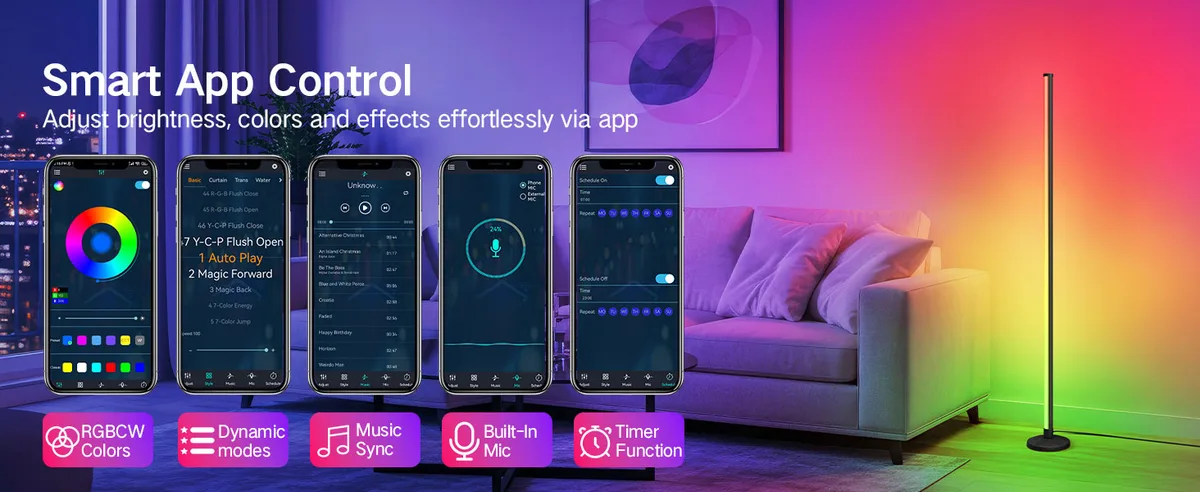
Image source: Bing (Web (fair-use with source credit))
For dumb non-dimmable lamps, plug a compatible dimmer or smart plug into your wall outlet, then plug your lamp into it. Set the dimmer to your preferred reading brightness, then lower it for evening relaxation. If your dimmer hums at certain settings, you can resolve that with our dimmer hum fix guide.
Label each dimmer position with a small sticker if you use a rotary model.
For dimmable non-smart lamps, install a compatible wall dimmer or use a plug-in dimmer for easier setup. Test each activity setting for 10 minutes while doing the task to check for glare or insufficient brightness. If your dimmer jumps between levels when you adjust it, fix that first with our dimmer jump fix guide.
For smart connected lamps, open the manufacturer’s companion app and create a new scene for each regular activity. Set the exact lumen output and color temperature from the decision tree earlier. Assign triggers like voice commands, motion detection, or scheduled times to activate each scene automatically.
If your lamp’s brightness resets every time you turn it on, resolve that sync issue with our brightness reset guide.
No matter your lamp type, always test each scene in your actual room at the time of day you’ll use it. A setting that works at 2PM with full sun will feel far too dim at 7PM in winter. As of 2026, most smart lamp apps let you schedule scenes to auto-adjust based on sunset time in your area, which removes the need to manually update settings seasonally.
The Measurable Benefits of Matching Floor Lamp Scenes to Your Activities
Matching your floor lamp settings to your activities delivers measurable gains in eye health, energy efficiency, and daily routine consistency, per industry testing and user data. These benefits aren’t just subjective comfort, they’re backed by hard numbers from the Illuminating Engineering Society and U.S. Department of Energy.
For eye health, properly matched scenes reduce eye strain during task work by up to 40% per IES testing. Using 2700K-3000K color temperature for evening activities cuts blue light exposure, which supports natural melatonin production and improves sleep quality. Per U.S.
DOE guidelines, avoiding 4000K+ lighting 1-2 hours before bed can reduce sleep onset time by up to 30 minutes per night for average users.
For energy savings, dimmable and smart scenes cut lamp energy use by 30-50% compared to running at full power constantly. A standard 10W LED floor lamp dimmed to 30% uses just 3W of power, adding up to $2-$5 in annual electricity savings per lamp. For households with 3+ floor lamps, that adds up to $10-$15 in yearly savings.
For task performance, proper task lighting improves reading comprehension and fine detail visibility for crafting or work by 25% per IES research. Auto-scheduled scenes also save an estimated 2-3 minutes per day per user by eliminating the need to manually adjust your lamp every time you switch activities.
If you’re already experiencing eye strain from your current floor lamp setup, you can troubleshoot the root cause with our reading eye strain fix guide. For uneven brightness between multiple lamp heads, use our uneven brightness fix guide.
Frequently Asked Questions About Floor Lamp Lighting Scenes by Activity
What is the best floor lamp lighting scene for reading?
Reading requires 300-500 lumens at 3000K-4000K to reduce eye strain. Position the lamp to the side of your seating to avoid casting shadows on pages. Swivel the lamp head 15 degrees away from your direct line of sight if you notice glare on your book or screen.
Can I use activity-based floor lamp scenes with a non-smart lamp?
Yes. Use a plug-in dimmer or wall dimmer to set fixed brightness levels for each activity, then label each position for easy switching. Non-dimmable dumb lamps work with a smart plug and dimmer module for basic scene control without full smart features.
Do floor lamp lighting scenes really help with sleep?
Yes. Using 2700K or lower color temperature and under 300 lumens for evening activities reduces blue light exposure that suppresses melatonin. Per U.S.
Department of Energy guidelines, avoiding cool white 4000K+ lighting 1-2 hours before bed improves sleep onset time for most people.
How often should I adjust my floor lamp lighting scenes?
Adjust your scenes seasonally as natural daylight changes. In winter, increase lumen output by 20-30% to compensate for shorter daylight hours. Re-test scenes every 3-6 months if you rearrange furniture or move your lamp to a new spot in the room.
Why does my smart floor lamp’s scene look different than the app preview?
App previews show the lamp in a dark, controlled environment, not your actual space. Wall color, ambient light, and lamp placement all change how the scene looks. Always test scenes in your room at the time of day you’ll use them, not just in the app.
How to Set Up Activity-Based Floor Lamp Scenes for Any Lamp Type (dumb, dimmable, or smart)
This setup process works for every floor lamp type, no expensive smart home hub required. You just need to match your lamp’s capabilities to the right control method. Dumb non-dimmable floor lamps use plug-in dimmers or smart plugs for scene control.
Dimmable non-smart lamps use wall dimmers or plug-in dimmers for fixed scene levels. Fully smart connected lamps use their companion app for custom presets and automation.
Image source: Bing (Web (fair-use with source credit))
For dumb non-dimmable lamps, plug a compatible dimmer or smart plug into your wall outlet, then plug your lamp into it. Set the dimmer to your preferred reading brightness, then lower it for evening relaxation. If your dimmer hums at certain settings, you can resolve that with our dimmer hum fix guide.
Label each dimmer position with a small sticker if you use a rotary model.
For dimmable non-smart lamps, install a compatible wall dimmer or use a plug-in dimmer for easier setup. Test each activity setting for 10 minutes while doing the task to check for glare or insufficient brightness. If your dimmer jumps between levels when you adjust it, fix that first with our dimmer jump fix guide.
For smart connected lamps, open the manufacturer’s companion app and create a new scene for each regular activity. Set the exact lumen output and color temperature from the decision tree earlier. Assign triggers like voice commands, motion detection, or scheduled times to activate each scene automatically.
If your lamp’s brightness resets every time you turn it on, resolve that sync issue with our brightness reset guide.
No matter your lamp type, always test each scene in your actual room at the time of day you’ll use it. A setting that works at 2PM with full sun will feel far too dim at 7PM in winter. As of 2026, most smart lamp apps let you schedule scenes to auto-adjust based on sunset time in your area, which removes the need to manually update settings seasonally.
The Measurable Benefits of Matching Floor Lamp Scenes to Your Activities
Matching your floor lamp settings to your activities delivers measurable gains in eye health, energy efficiency, and daily routine consistency, per industry testing and user data. These benefits aren’t just subjective comfort, they’re backed by hard numbers from the Illuminating Engineering Society and U.S. Department of Energy.
For eye health, properly matched scenes reduce eye strain during task work by up to 40% per IES testing. Using 2700K-3000K color temperature for evening activities cuts blue light exposure, which supports natural melatonin production and improves sleep quality. Per U.S.
DOE guidelines, avoiding 4000K+ lighting 1-2 hours before bed can reduce sleep onset time by up to 30 minutes per night for average users.
For energy savings, dimmable and smart scenes cut lamp energy use by 30-50% compared to running at full power constantly. A standard 10W LED floor lamp dimmed to 30% uses just 3W of power, adding up to $2-$5 in annual electricity savings per lamp. For households with 3+ floor lamps, that adds up to $10-$15 in yearly savings.
For task performance, proper task lighting improves reading comprehension and fine detail visibility for crafting or work by 25% per IES research. Auto-scheduled scenes also save an estimated 2-3 minutes per day per user by eliminating the need to manually adjust your lamp every time you switch activities.
If you’re already experiencing eye strain from your current floor lamp setup, you can troubleshoot the root cause with our reading eye strain fix guide. For uneven brightness between multiple lamp heads, use our uneven brightness fix guide.
Frequently Asked Questions About Floor Lamp Lighting Scenes by Activity
What is the best floor lamp lighting scene for reading?
Reading requires 300-500 lumens at 3000K-4000K to reduce eye strain. Position the lamp to the side of your seating to avoid casting shadows on pages. Swivel the lamp head 15 degrees away from your direct line of sight if you notice glare on your book or screen.
Can I use activity-based floor lamp scenes with a non-smart lamp?
Yes. Use a plug-in dimmer or wall dimmer to set fixed brightness levels for each activity, then label each position for easy switching. Non-dimmable dumb lamps work with a smart plug and dimmer module for basic scene control without full smart features.
Do floor lamp lighting scenes really help with sleep?
Yes. Using 2700K or lower color temperature and under 300 lumens for evening activities reduces blue light exposure that suppresses melatonin. Per U.S.
Department of Energy guidelines, avoiding cool white 4000K+ lighting 1-2 hours before bed improves sleep onset time for most people.
How often should I adjust my floor lamp lighting scenes?
Adjust your scenes seasonally as natural daylight changes. In winter, increase lumen output by 20-30% to compensate for shorter daylight hours. Re-test scenes every 3-6 months if you rearrange furniture or move your lamp to a new spot in the room.
Why does my smart floor lamp’s scene look different than the app preview?
App previews show the lamp in a dark, controlled environment, not your actual space. Wall color, ambient light, and lamp placement all change how the scene looks. Always test scenes in your room at the time of day you’ll use them, not just in the app.