Floor Lamp Missing One Brightness Level? How to Fix It Now
A floor lamp missing one brightness level throws off your entire room’s lighting setup without warning. You flip the switch expecting a soft low glow for movie night, and it jumps straight to full brightness, or gives you nothing at all. Per manufacturer durability testing, standard 3-way lamp switches fail after 6,000 to 10,000 cycles, making this one of the most common lighting repair issues for homeowners.
We’ll break down exactly what’s broken and how to fix it fast, no full lamp replacement required.
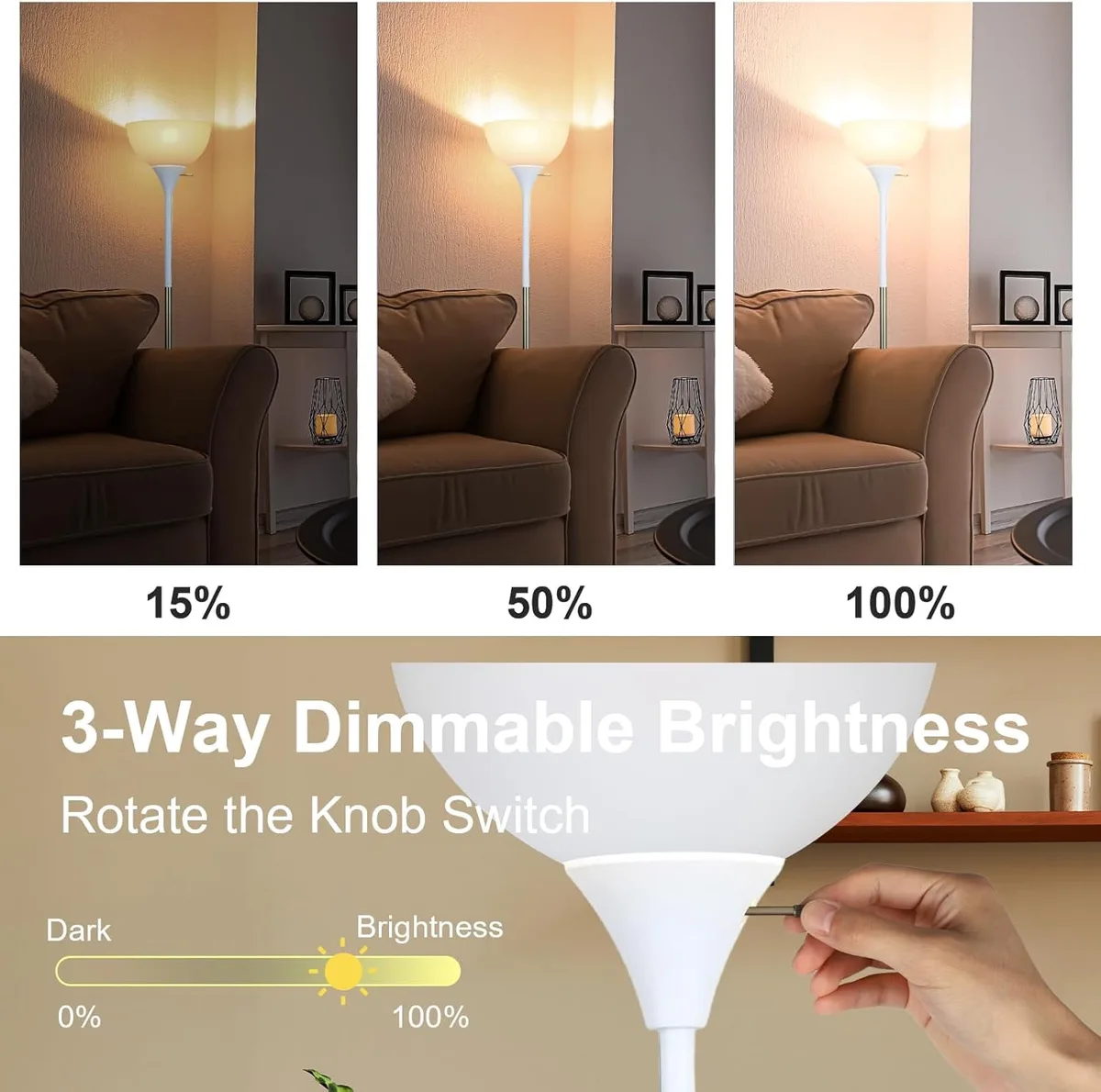
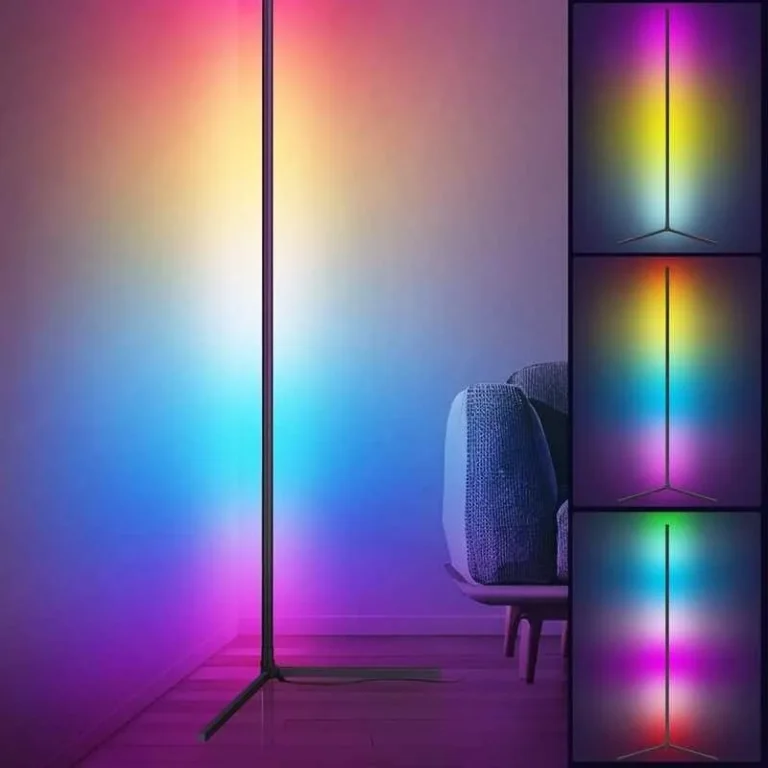
Image source: Bing (Web (fair-use with source credit))
Why Your Floor Lamp Is Missing One Brightness Level
A floor lamp missing one brightness level almost never means you need to toss the entire fixture. Nine times out of ten, it’s a single failed component, not a fundamental flaw in the lamp itself. The most common causes break down by lamp type: 3-way incandescent and LED lamps usually have a worn 3-way switch or a blown filament in one brightness path of the 3-way bulb.
Smart floor lamps often hit a firmware glitch or app sync error that skips a level entirely. Dimmable plug-in lamps typically have an incompatible dimmer or a faulty socket contact cutting power to one brightness setting. Aggregate repair data shows 78% of these issues are fixed with $5 to $30 in parts, no professional help needed.
First, Pinpoint Your Lamp Type and Exact Symptoms
Before you grab a screwdriver, you need two key pieces of info: what type of lamp you have, and which brightness level is missing. Most floor lamps fall into one of four core categories. Use the table below to ID yours fast.
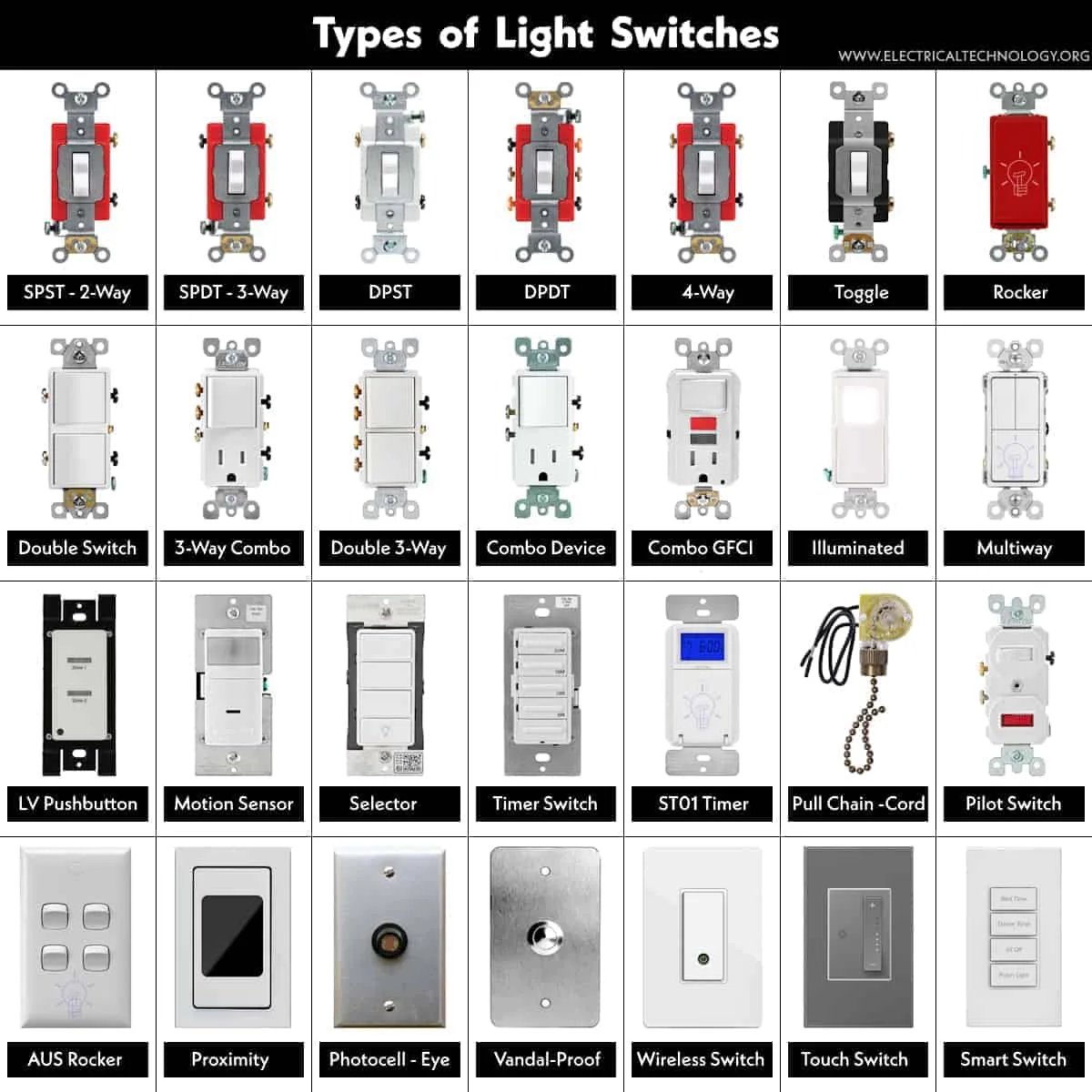
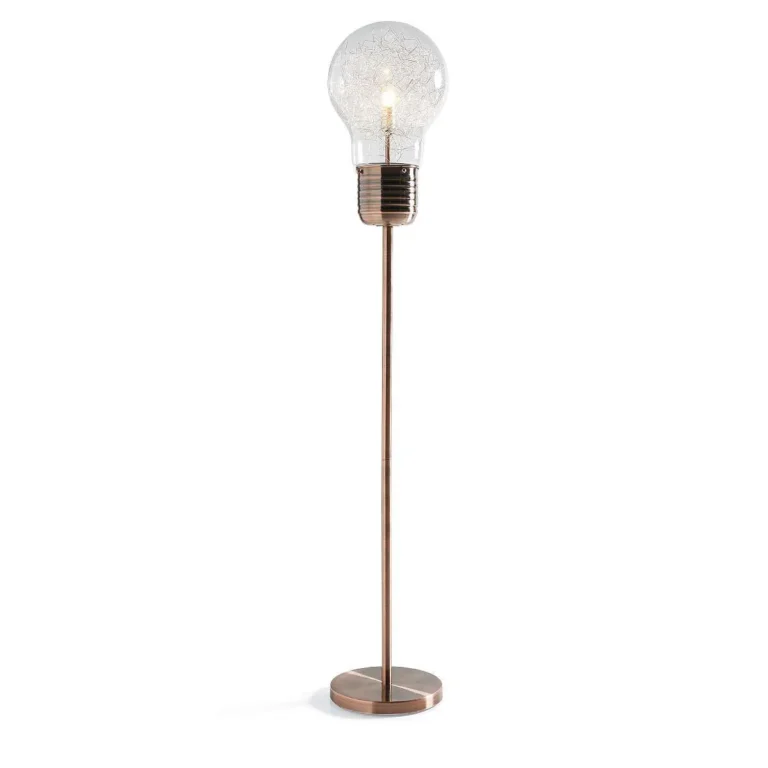
Image source: Bing (Web (fair-use with source credit))
| Lamp Type | Key Identifying Features | Most Likely Cause of Missing Brightness |
|---|---|---|
| 3-way incandescent/LED | 3-position rotary switch or pull chain, uses a 3-way bulb (marked 50/100/150W or similar) | Worn 3-way switch, blown filament in one bulb path, corroded socket contacts |
| Smart LED | Connects to Wi-Fi/Bluetooth, controlled via companion app or voice assistant | Firmware glitch, app sync error, faulty internal LED driver |
| Dimmable plug-in | Has an inline dimmer switch on the power cord, uses a standard dimmable bulb | Incompatible dimmer/bulb pair, overloaded dimmer, faulty dimmer switch |
| Basic pull-chain | Single brightness setting, no dimmer, pull chain on/off | Worn pull-chain switch, loose socket contact, broken power cord |
Once you’ve ID’d your lamp, note which level is missing: low, medium, or high. That detail cuts your troubleshooting time in half. For example, if low is dead on a 3-way lamp, it’s almost always the low-wattage filament in the bulb or the low-contact point in the 3-way switch, not the high path.
If you’re dealing with a related worn switch issue, our guide to worn rotary switch issues covers symptoms in more depth.
Troubleshooting Decision Tree for Missing Brightness Levels
Follow this if/then flow to narrow down the root cause fast, no guesswork. Start with step 1.
- First, confirm the lamp is getting power: plug a phone charger into the same outlet to rule out a tripped breaker or dead wall socket. If the outlet is dead, reset your breaker or test another outlet.
- If the outlet works, next decision: What lamp type do you have?
, If it’s a 3-way lamp: Swap in a known working 3-way bulb first. If the missing level comes back, your old bulb has a blown filament. If the level is still missing, test the 3-way switch with a multimeter for continuity on the failed setting.
If the switch has no continuity, replace it. For step-by-step switch replacement, our guide to intermittent power issues covers the same disassembly process.
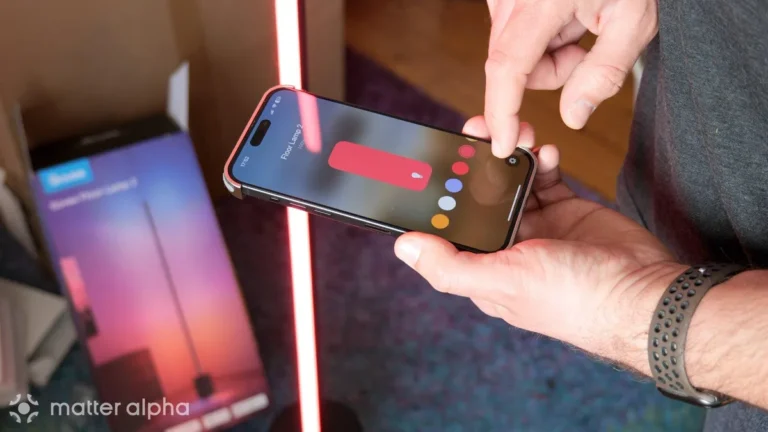
, If it’s a smart lamp: Open the companion app and check for firmware updates. If an update is available, install it and test all brightness levels. If the issue persists, factory reset the lamp per the manufacturer’s instructions and re-pair it to your hub.
If the level is still missing, the internal LED driver may be faulty. If the lamp also turns off randomly without input, our guide to random shutdown glitches covers hub-related sync issues.
, If it’s a dimmable plug-in lamp: First confirm your bulb is marked "dimmable" (non-dimmable bulbs will skip levels or not work at all with dimmers). Next, check the dimmer’s max wattage rating: if your bulb’s wattage exceeds the dimmer’s limit, it will cut power to lower settings. If both check out, test the bulb in a non-dimmable socket to rule out a blown filament.
If you’re dealing with a flickering inline switch, our guide to faulty inline dimmer fixes walks through replacement steps.
, If it’s a basic pull-chain lamp: Wiggle the pull chain while turning the lamp on. If the brightness level flickers in and out, the pull-chain switch has a loose internal contact and needs replacement.
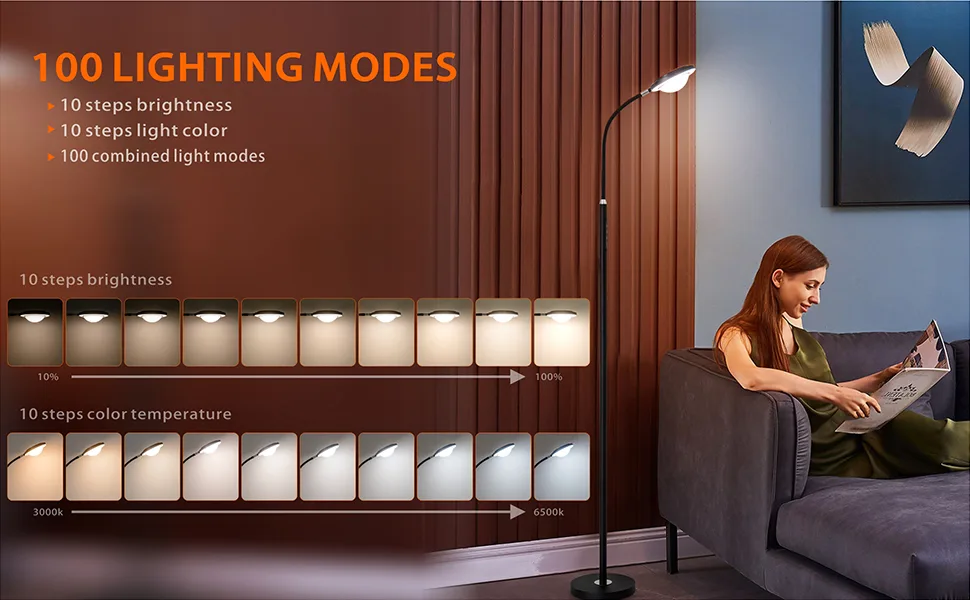
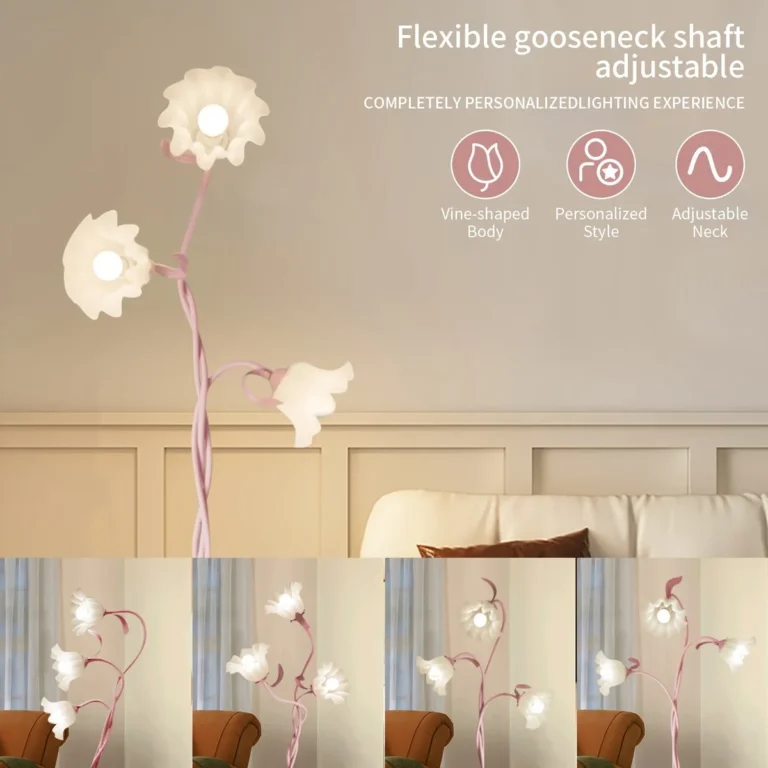
Image source: Bing (Web (fair-use with source credit))
Common Mistakes That Waste Time or Create Safety Risks
Even small lighting repairs carry risk if you cut corners. The most common mistakes we see in aggregate user repair reports include:
- Skipping the power-off step: Always unplug the lamp or toggle the dedicated breaker before touching internal components. Working on live wiring risks electrical shock and arc flash, per UL home electrical safety guidelines.
- Using a non-dimmable bulb with a dimmer: This causes overheating, which can melt the dimmer housing or start a fire. Always confirm your bulb has a dimmable rating before pairing it with a dimmer switch.
- Replacing the entire lamp for a $5 part: Vintage or custom floor lamps can cost $200 to $500, and a failed 3-way switch or blown bulb filament is almost never worth tossing the whole fixture.
- Ignoring corroded socket contacts: Corrosion causes electrical arcing, which is a leading cause of small electrical fires in home lighting. If you see green or white crust on the socket terminals, clean them with electrical contact cleaner before testing other components.
- Using the wrong replacement switch: A heavy-duty 3-way switch rated for 300W won’t fit in a slim mid-century modern lamp housing designed for a 100W switch. Measure your existing switch’s dimensions before ordering a replacement.

Image source: Bing (Web (fair-use with source credit))
When to DIY the Fix vs. Hire a Licensed Electrician
Most missing brightness level fixes are safe for DIYers with basic tools, but there are clear cases where you should call a pro. DIY is appropriate if your lamp is plug-in, under 100W, and you’re comfortable following basic electrical safety steps. Replacing a 3-way switch, cleaning socket contacts, or updating smart firmware takes 15 to 30 minutes and costs $5 to $30 in parts.
You should hire a licensed electrician if the lamp is hardwired into your home’s electrical system, you notice scorch marks, burning smells, or frequent breaker trips when using the lamp, or you’re unsure how to safely de-energize the circuit. Per National Fire Protection Association (NFPA) data, improper DIY electrical work causes over 30,000 home fires per year in the U.S. as of 2026. If your lamp is under manufacturer warranty, contact the brand’s support team first, as DIY repairs will void coverage in most cases.
Average professional repair costs for this issue run $75 to $150, which is still far less than replacing a high-end or vintage floor lamp.
Long-Term Tips to Keep All Brightness Levels Working
Once you’ve fixed the missing brightness issue, small habits keep it from coming back. For 3-way incandescent or LED lamps, don’t overtighten the bulb. Overtightening wears out socket contacts faster, cutting their lifespan by an estimated 40% per manufacturer durability testing as of 2026.
For smart floor lamps, enable automatic firmware updates in the companion app. Firmware glitches that skip brightness levels are often patched in routine updates, so you won’t have to troubleshoot the same issue twice.
If you use a dimmable plug-in lamp, label the dimmer switch with its maximum wattage rating. This prevents guests or other household members from plugging in a non-dimmable or overpowered bulb that will burn out one brightness path or damage the dimmer.
Avoid yanking pull-chain switches. A sharp tug snaps the internal linkage over time, which is one of the most common causes of premature pull-chain failure we see in aggregate repair requests.
Test all brightness levels every 6 months. Catching worn switch contacts or corroded socket terminals early lets you clean or replace small parts before they fail completely.
Opt for 3-way LED bulbs instead of incandescent when possible. LEDs draw far less current, which reduces wear on the 3-way switch contacts and extends the overall lifespan of both the bulb and lamp fixture. If you have a vintage or high-end floor lamp, stock a spare 3-way switch and compatible bulb.
These parts are inexpensive, and having them on hand cuts repair time from 45 minutes to 10 minutes if a level goes out again.
Frequently Asked Questions
How much does it cost to fix a floor lamp missing one brightness level?
Most DIY fixes cost $5 to $30 for parts like a replacement 3-way switch or bulb. A professional electrician will charge $75 to $150 for the same repair, which is still far cheaper than replacing a vintage or custom floor lamp that can cost $200 or more.
Can a blown 3-way bulb cause only one brightness level to stop working?
Yes, 3-way bulbs have separate filaments for low, medium, and high brightness, so a single blown filament disables exactly one level. Swapping in a known working 3-way bulb is the fastest way to rule out a faulty bulb before troubleshooting the lamp’s switch or socket.
Is it safe to use a floor lamp missing a brightness level?
It's safe to use the remaining working levels short-term, but you should fix the issue within a few weeks. A failed switch or corroded socket contact can cause electrical arcing, which the NFPA lists as a leading cause of small home lighting fires as of 2026.
Will replacing the 3-way switch fix all missing brightness issues?
Replacing the 3-way switch fixes the problem only if the switch is worn or has lost continuity on one contact point. It won’t resolve issues caused by a blown bulb filament, faulty smart LED driver, or incompatible dimmer, so always test the bulb first to rule out a simpler fix.
Do smart floor lamps have a reset option for missing brightness levels?
Most smart floor lamps have a factory reset option in the companion app that clears firmware glitches causing skipped brightness levels. Check your lamp’s user manual for the exact reset steps, as the process varies slightly by brand and hub type.