Cabin Barndominium Decor: Rustic Ideas for a Warm, Cozy Home
So you've got this amazing barndominium shell, all that soaring space and rugged metal, but now you're staring at the vast interior wondering how to make it feel like a cozy cabin and not a chilly workshop. That's the unique challenge of cabin barndominium decor. It’s all about finding the perfect balance between the raw, industrial nature of the building itself and the warm, inviting feel you want in a home.
The good news is that this blend is totally achievable with a thoughtful approach. By focusing on material contrast, intentional lighting, and layered textures, you can create a space that feels both modern and timelessly comfortable. Let's break down exactly how to pull it off.
Quick Answer
Cabin barndominium decor blends rustic warmth with industrial elements. Use reclaimed wood and stone to soften metal beams and corrugated walls. Choose a neutral, earthy color palette as your foundation.
Layer in textiles like wool rugs and knit blankets for coziness. Opt for large-scale, statement lighting to fill the vertical space and define areas within the open floor plan.
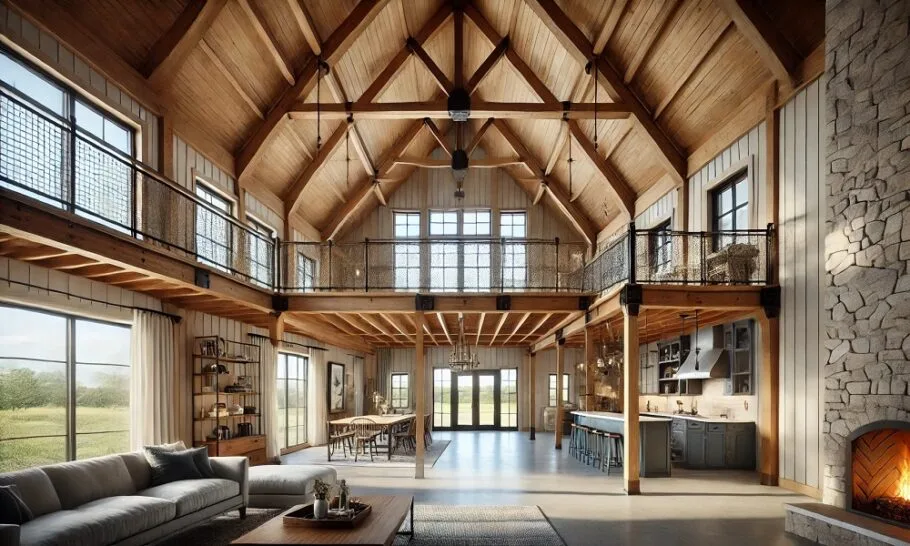
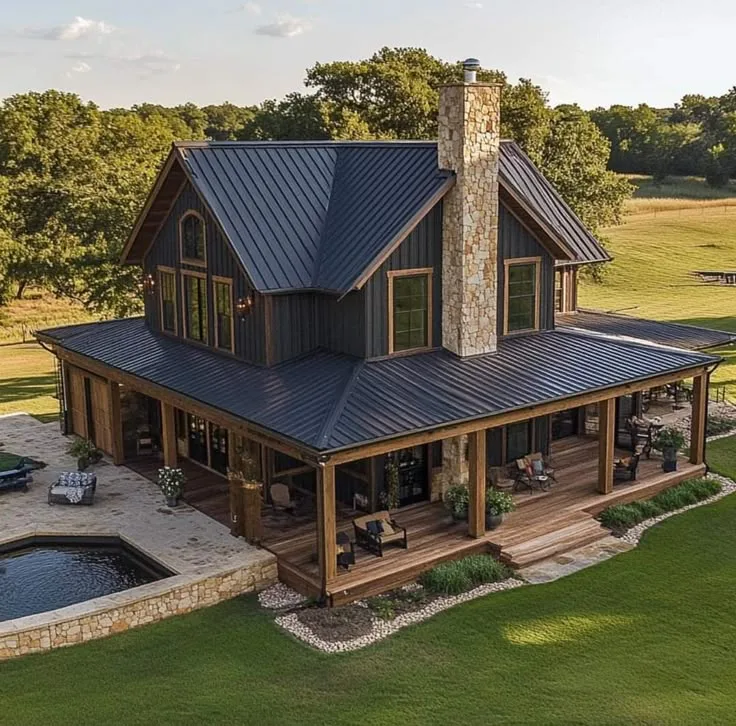
Image source: Web (Bing) / alldraft.com (Web image (fair-use with source credit))
What Makes Cabin Barndominium Decor So Unique?
A cabin barndominium sits at a really interesting design crossroads. You're not just decorating a standard room; you're working with the building's inherent personality. The uniqueness comes from the marriage of two seemingly opposite styles.
On one hand, you have the industrial "barndo" bones: exposed steel framing, high ceilings, and often corrugated metal on the walls or roof. These elements are sleek, strong, and can feel a bit cold if left alone. On the other hand, you have the "cabin" aesthetic, which is all about warmth, comfort, and a connection to nature through materials like wood and stone.
Your goal isn't to fight one style but to let them complement each other. The metal provides a clean, modern backdrop that keeps the rustic elements from feeling too themed or dated. Meanwhile, the wood and textiles warm up the industrial edges, making the space feel lived-in and welcoming.
It’s this push and pull that creates a dynamic and deeply personal style you won't find anywhere else.
The Core Styles You're Blending: Rustic Meets Industrial
To decorate successfully, you need to understand the key ingredients of each style. Think of yourself as a chef combining two distinct flavors to create a delicious new dish.
Key Elements of Rustic Cabin Style
Rustic decor draws inspiration from the outdoors and a sense of history. It’s rugged, comfortable, and a little imperfect.
- Natural Materials: This is all about real, unrefined wood, think wide-plank floors, reclaimed barn wood accent walls, and beams with character. Stone is another huge player, whether it's a full fireplace surround or a stone veneer on a kitchen island.
- Earthy Color Palette: Colors are pulled from nature. Think warm browns, deep greens, creamy whites, and soft grays. These tones create a calming, grounded backdrop.
- Textural Layers: Coziness is built through texture. You’ll find chunky knit throws, soft flannel pillows, cowhide or wool rugs, and rough-hewn wood grains. It’s a very tactile style.
- Vintage and Handcrafted Pieces: Furniture often looks like it has a story. Live-edge wood tables, forged iron hardware, and repurposed items are common.
Key Elements of Industrial Barndo Style
Industrial style celebrates the raw functionality of a building. It’s utilitarian, sleek, and unapologetic about its structure.
- Raw Structural Elements: The star of the show is often the building itself. Exposed steel I-beams, metal siding, and utilitarian light fixtures are left out in the open, not hidden away.
- A Neutral, Often Monochromatic Palette: Industrial spaces lean heavily on blacks, grays, and metals. It’s a more muted color story that lets the materials shine.
- Utilitarian Furniture and Lighting: Think metal-framed furniture, pipe shelving, and lighting that looks like it came from a factory or warehouse, think pulleys, cages, and exposed bulbs.
- Open Space: The layout is usually open and airy, emphasizing volume and flow rather than small, enclosed rooms.
Your decor strategy lives right in the middle. You might pair a reclaimed wood dining table with metal chairs, or hang a soft, fabric-centric rug on a floor of stained concrete.
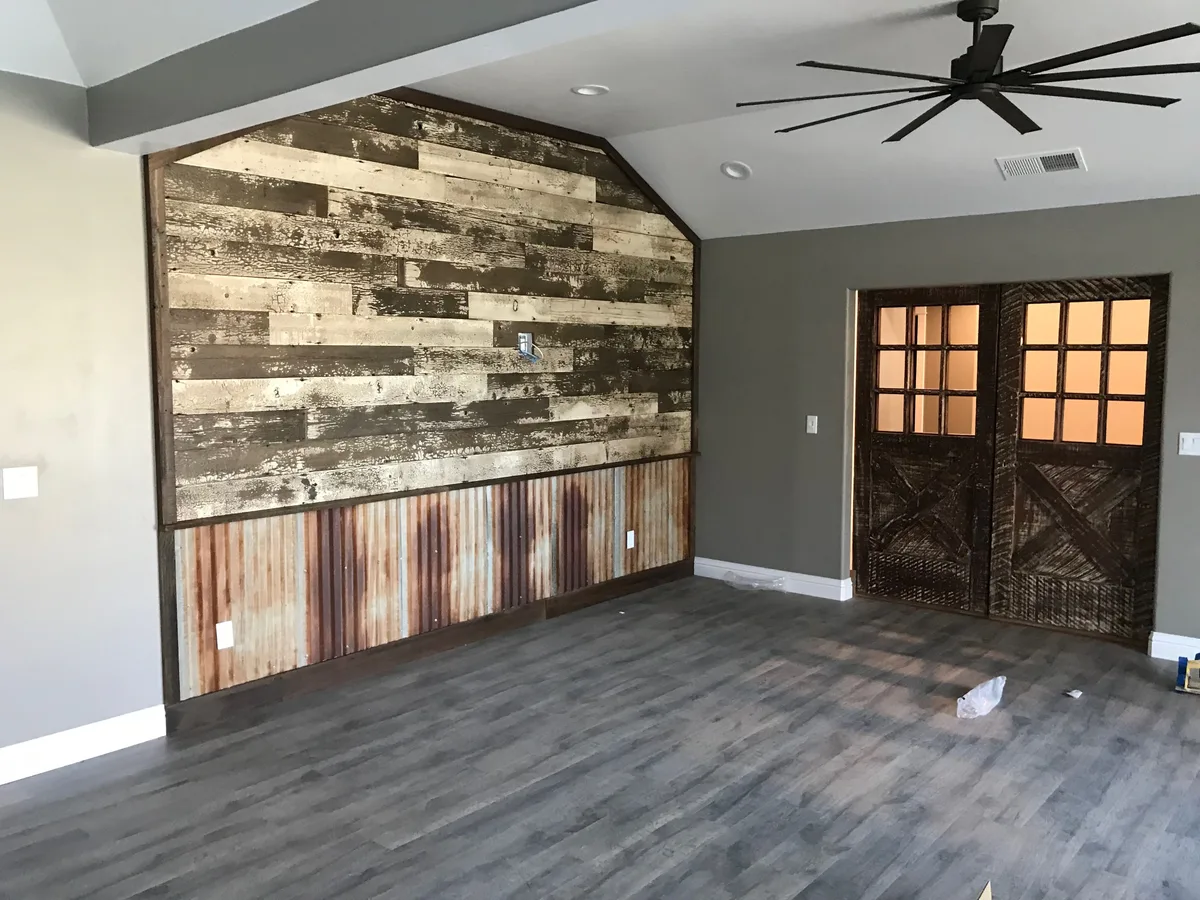
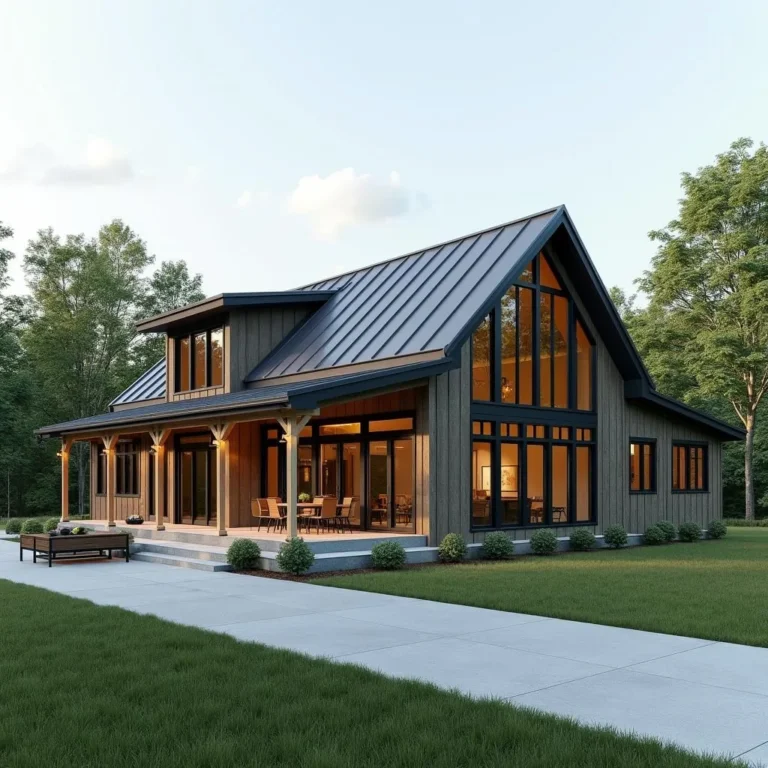
Image source: Web (Bing) / pinterest.com (Web image (fair-use with source credit))
Your Biggest Hurdle: Warming Up a Big, Industrial Space
The most common complaint we hear about barndominiums is that they can feel cold, echoey, and impersonal. This makes sense. You’re essentially living in a beautifully finished shell that was designed for durability, not immediate coziness.
The scale is the first thing to tackle; high ceilings and wide-open plans are fantastic for light and airiness, but they can make standard furniture look tiny and get lost.
Then there’s the material challenge. Metal and concrete are hard, cool surfaces. Without intervention, they bounce sound around creating an echo chamber and they don’t exactly invite you to kick off your shoes and relax.
The key is to intentionally introduce elements that combat these specific issues. You need to add softness, absorb sound, and create visual warmth to counteract the coolness of the industrial materials. It’s a deliberate process, but when done right, it transforms the space completely.
This is where your color choices become your best friend, a topic we'll get into on our blog that covers creating a specific mood through palette.
Start Here: Choosing Your Foundational Color Palette
Your color scheme is the glue that holds the rustic-industrial mix together. It sets the overall mood and ensures all your different materials feel cohesive, not chaotic. For a cabin barndominium, you want a palette that feels natural, calming, and warm.
Stick with a neutral base. Warm whites, soft greiges, and light taupes are perfect for your main wall color. They reflect light beautifully in a large space and provide a neutral backdrop that lets your wood and metal features take center stage.
From there, introduce earthy accent colors. Deep forest green, navy blue, or a rusty terracotta can add wonderful depth and a touch of cabin-inspired charm without overwhelming the senses.
The most important tip? Test your colors in the space itself. The massive amount of natural light in a barndominium can drastically change how a paint color looks.
A gray that seems warm on a sample card might read as cold and sterile next to your steel beams. Always paint a large swatch on a few different walls and look at it throughout the day before committing. This foundational step ensures everything you add next, from your wood stains to your textiles, works in harmony.
The Walls: From Shiplap to Metal and Everything In Between
Your walls are your biggest opportunity to reinforce the cabin-barndo blend. You don't have to settle for plain drywall. In fact, mixing materials across different walls is a great way to add character and break up the monotony of a large space.
Shiplap or Plank Walls: This is a go-to for adding instant rustic charm. Installing shiplap horizontally on one accent wall, like behind the fireplace or in the bedroom, brings in texture and warmth. For a more authentic look, use real wood instead of MDF.
A light whitewash can keep things airy, while a dark walnut stain leans into a more moody, cabin feel. This approach to creating an accent wall is a cornerstone of many modern rustic design schemes.
Corrugated Metal Wainscoting: Don't hide the metal, embrace it. A fantastic way to do this is by using corrugated metal panels as wainscoting on lower walls, particularly in entryways, kitchens, or bathrooms. It's durable, easy to clean, and it proudly announces the building's industrial heritage.
Pair it with a warm wood top cap or chair rail to soften the transition.
Stone Veneer: For the ultimate cabin feature, consider a stone veneer wall. A stacked stone fireplace that reaches up to the ceiling is a stunning focal point that adds incredible texture and a sense of permanence. It’s the perfect rugged element to balance against smoother metal surfaces.
The key is balance. You likely wouldn't do an entire room in metal or an entire room in stone. Pick one or two walls to feature a material, and let the others be a neutral, textural paint color that ties everything together.
The Heart of the Home: Flooring That Can Take It
Flooring in a barndominium needs to be tough. This is a working-class building at heart, and your floors should reflect that durability while still feeling comfortable underfoot. You have two standout choices that perfectly fit the aesthetic.
Stained Concrete: This is the most authentic and low-maintenance option. Polished and stained concrete floors lean into the industrial vibe beautifully. You can choose a color stain that complements your palette, earthy browns, warm terracottas, or even subtle greens.
The best part? They’re incredibly easy to clean and are perfect for radiant floor heating systems. The potential downside is they can be hard and cold, which is why area rugs are non-negotiable for defining living spaces and adding comfort.
Wide-Plank Wood: For maximum cabin coziness, wide-plank wood floors are unbeatable. Opt for planks that are 6 inches wide or more to match the scale of the room. Character-rich woods like oak or hickory with a matte finish work well.
You can go with a light finish to keep the space bright or a dark, dramatic stain for a more intimate feel. While they require a bit more upkeep than concrete, they provide immediate warmth and acoustic dampening.
The Hybrid Approach: Many homeowners use both. They might have stained concrete in the main living area and kitchen for durability, and use wide-plank wood in the bedrooms to make them feel like cozy retreats. This is a practical way to get the best of both worlds.
Taming the Ceiling: How to Handle Those Massive Beams
Those exposed steel beams and high ceilings are a defining feature, but they can sometimes feel a bit too industrial or "unfinished." You have a few clever options to integrate them into your decor seamlessly.
Embrace and Highlight Them: The simplest approach is to leave them as-is. A clean, painted steel beam in black, dark gray, or even a matte white can look incredibly sharp and modern. This works best if your overall style is more leaning toward the industrial side of the spectrum.
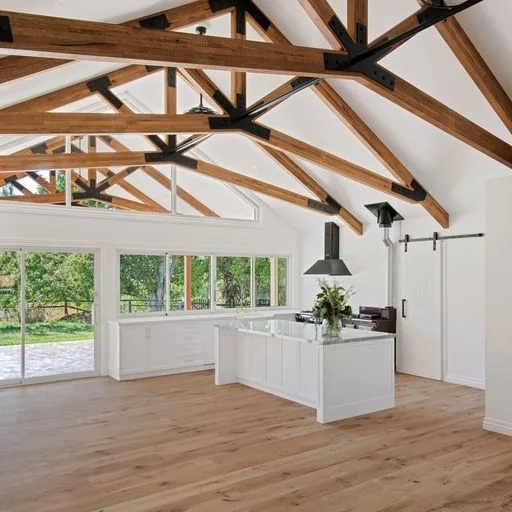
Wrap Them in Wood: This is the most popular trick for instantly warming up the space. You can create a wooden box that wraps around the steel beam. Using reclaimed barn wood or simple stained pine planks transforms an industrial element into a rustic architectural feature.
It softens the hard lines and makes the ceiling feel more intentional and cabin-like.
Add False Wood Beams: If you don't have structural beams but want the look, you can install faux wood beams. These are lightweight, hollow boxes made from polyurethane or real wood that are attached directly to the ceiling. They're a great way to add visual interest and break up a vast, plain ceiling while reinforcing the rustic theme.
Don't forget the space between the beams. Painting the ceiling a warm white or a very light gray can help reflect light and make the entire space feel brighter and more inviting. The goal is to make the ceiling feel like a designed part of the home, not just the underside of the roof.
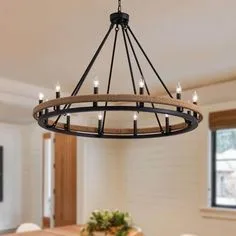
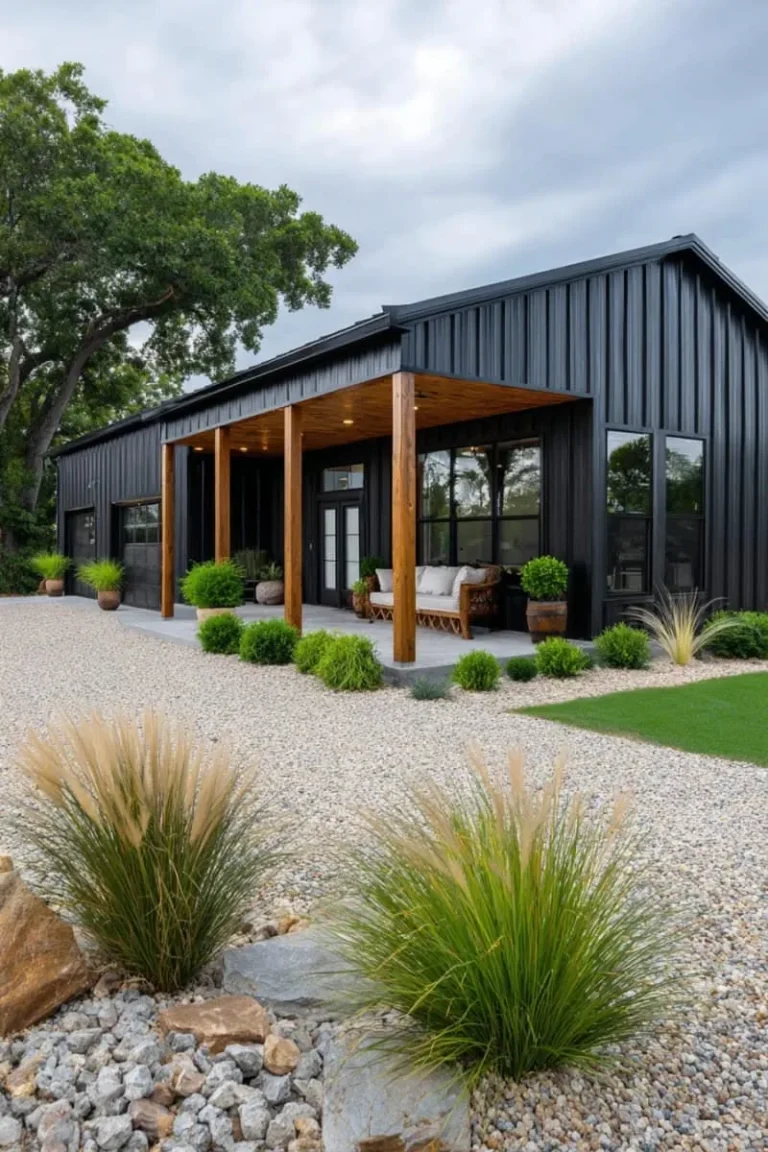
Image source: Bing (Web (fair-use with source credit))
Lighting Is Everything: Choosing Fixtures That Set the Mood
Lighting in a barndominium isn't just functional; it's decorative architecture. Standard ceiling lights will get swallowed whole by the volume of the space. You need to think big, bold, and layered.
Statement Ambient Lighting: This is your main source of light. Think large-scale fixtures that command attention. A wrought-iron wagon wheel chandelier is a classic choice that nods to the building's rural roots.
Other great options include a large industrial pulley fixture with oversized globes or a modern piece with a big wood cap and black metal accents. The scale needs to be substantial enough to hold its own under a high ceiling.
Task Lighting: Under-cabinet lighting in the kitchen is essential for counter work. For reading nooks or workspaces, use adjustable swing-arm wall lamps or large, solid table lamps with dark shades. These provide focused light where you need it and add another layer of visual weight to your furniture.
Accent Lighting: This is where you add magic. Use LED tape lights to uplight your wrapped beams, highlighting the texture of the wood. Place well-directed spotlights to graze a stone wall, making the shadows and textures pop.
Add plug-in wall sconces with warm bulbs on either side of the bed or sofa for a cozy glow in the evening.
The golden rule? Always put your lights on dimmers. Being able to adjust the mood from bright and energetic for a gathering to soft and intimate for a quiet night is the final, crucial step in making the space feel truly livable.
This careful planning of light levels is just as important in a barndominium as it is when designing a more intimate space.
Furniture That Fills the Space (Without Feeling Empty)
Standard living room furniture will look like dollhouse furniture in a barndominium great room. The key is to choose pieces with substantial visual weight and scale that can hold their own against the architecture.
Go Big and Solid: Opt for a large, solid wood coffee table instead of a flimsy glass one. A heavy, comfortable sectional sofa defines a seating area much better than a pair of small loveseats. Look for pieces made from chunky wood, thick slabs, and sturdy frames.
This isn't the place for dainty, spindly-legged furniture.
Anchor with Area Rugs: Your area rug is your best friend for defining a furniture grouping. It should be large enough for the front legs of all your seating to sit comfortably on it. This creates a visual "island" within the open space.
Choose rugs with texture and pattern, like a jute or wool blend, to add another layer of coziness underfoot.
Incorporate Repurposed Pieces: A live-edge slab on iron bases makes a stunning dining table. An old industrial workbench can become a unique kitchen island. These kinds of statement pieces feel authentic to the barndominium's character and fill the volume of the room perfectly.
The Magic of Texture: How to Make It Feel Cozy
Texture is the secret weapon against a cold, sterile feel. It's what makes a space look and feel inviting, not just look like a picture. Layer it everywhere you can.
Start with your soft furnishings. Drape a chunky knit throw over the back of your sofa. Add pillows in a mix of fabrics, like faux fur, rough linen, and cable knit.
These elements are instantly gratifying and make people want to sit down and get comfortable.
Don't forget window treatments. While you might want to show off those big windows, adding simple linen curtains on robust iron rods can soften the hard lines of the window frames and help with acoustics. Even just tying them back on the sides adds a soft, flowing element.
Finally, accessorize with natural textures. A large wicker basket for firewood, a rough clay vase, or a grouping of smooth river rocks on a table adds small, tactile moments that reinforce the natural, cabin-inspired theme.
Zoning Your Open Floor Plan: Creating "Rooms" Without Walls
An open floor plan is fantastic for flow, but it can feel like one big, undefined hall. The trick is to create distinct zones for living, dining, and cooking without building walls. You do this with furniture placement and visual cues.
Use Furniture as Room Dividers: Position the back of a long sofa to face the entryway, creating a natural barrier for the living room. A tall bookshelf or a console table can act as a subtle divider between a dining area and a sitting area. This gives a sense of separation while maintaining an open sightline.
Change the Flooring or Rugs: While you might have one primary flooring material, using different area rugs is a clear way to signal a change in function. A large rug under the dining set defines that zone, while a separate one under the living room seating group defines another.
Vary the Lighting: Each zone should have its own dedicated light source. The dining area might have a pendant light over the table, the living room a floor lamp next to the sofa, and the kitchen under-cabinet task lighting. This not only provides the right light for each activity but also visually carves out each space when the lights are on.
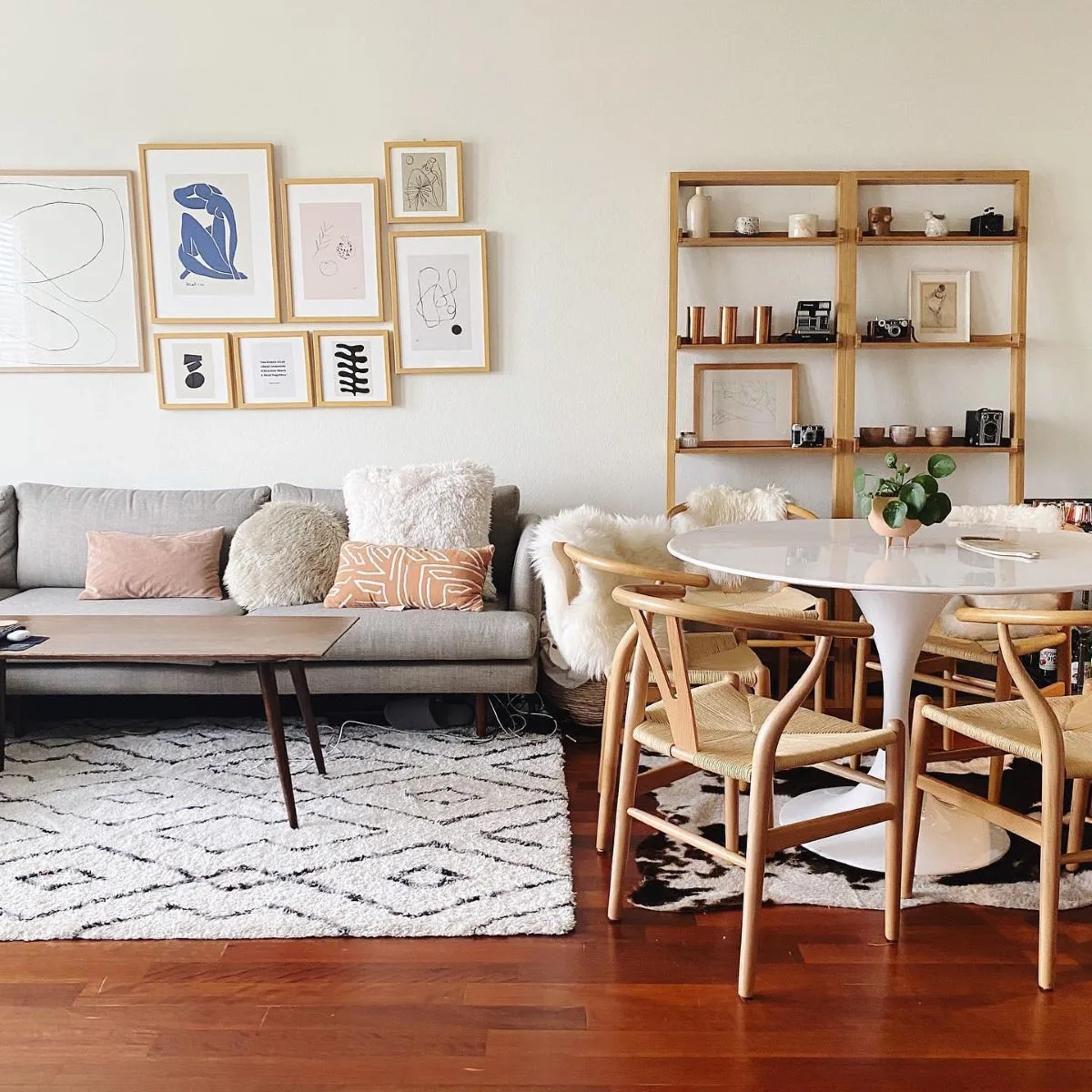
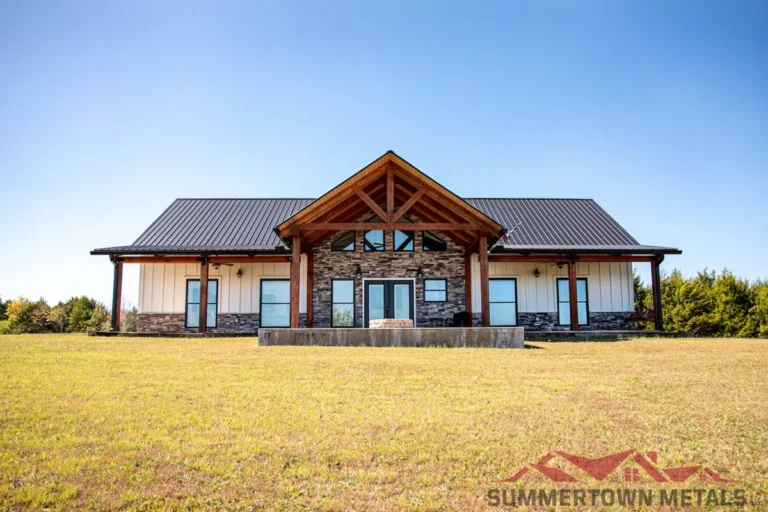
Image source: Web (Bing) / storage.googleapis.com (Web image (fair-use with source credit))
Common Decor Mistakes That Can Make a Barndo Feel Cold
It's easy to veer off course. Being aware of these common pitfalls will help you stay on track toward a cozy, balanced space.
Mistake 1: Ignoring Scale. The number one error is using furniture that's too small. A tiny rug or a low-profile sofa gets lost and makes the vastness feel even more overwhelming. Always err on the side of too big rather than too small.
Mistake 2: Forgetting the Softness. It's called a barndominium, but it's still a home. If you only focus on the metal and wood, you'll end up with a space that feels like a showroom. The textiles, rugs, and pillows are not optional.
They are essential for warmth and comfort.
Mistake 3: Overdoing One Style. Going 100% rustic can feel like a theme park. Going 100% industrial can feel like a warehouse. The magic is in the mix.
Pair a sleek metal dining table with rustic wooden chairs. Hang a modern light fixture in a room with a reclaimed wood wall.
Pro Tips: Pulling the Whole Look Together
A few final pieces of advice will help you nail the finished look. First, edit ruthlessly. In a large, open space, clutter is your enemy.
Choose a few meaningful, well-scaled decor items rather than lots of small knick-knacks that will look scattered and messy.
Second, bring the outside in. Since the cabin style is all about nature, incorporate organic elements. A large branch in a vase, a bowl of pinecones, or potted plants add life and a pop of natural color that feels authentic.
Finally, live in the space for a bit before you decide on every last detail. See how the light moves throughout the day. Figure out where you naturally want to sit and read.
The best decor choices often reveal themselves after you've experienced the unique flow of your barndominium.
Cabin Barndominium Decor FAQs
How do you decorate a barndominium to make it cozy?
Focus on layering textures and warm lighting. Use large area rugs, plenty of soft textiles like throws and pillows, and incorporate wood elements wherever you can. Strategic lighting with dimmers creates instant ambiance in the evening.
What kind of furniture goes in a barndominium?
Choose furniture with substantial scale and visual weight. Solid wood tables, a large sectional sofa, and repurposed industrial pieces work best. Avoid small, dainty furniture that will get lost in the vast space.
What colors are best for a barndominium interior?
Stick with a neutral, earthy palette. Warm whites, greiges, taupes, and soft grays make an excellent base. Accent with deeper earthy tones like forest green, navy blue, or terracotta to add warmth and depth without overwhelming the space.
Should barndominium walls be drywall?
Not necessarily. While drywall provides a clean finish, mixing materials is more authentic. Consider adding shiplap or wood plank accent walls, corrugated metal wainscoting, or a stone veneer fireplace to add texture and reinforce the rustic-industrial blend.
How do you cover barndominium walls?
You can cover them traditionally with drywall and paint. For more character, use interior metal siding panels, wood planks, or shiplap. These materials honor the building's heritage while providing immense durability and visual interest.
What is the best flooring for a barndominium?
Stained concrete is the most durable and authentic choice, perfect for main living areas. Wide-plank wood flooring is ideal for bedrooms where you want more warmth underfoot. Both options fit the aesthetic perfectly and stand up to heavy use.