Why Your Floor Lamp Is Painfully Bright (And How to Fix It)
If your floor lamp is painfully bright, you’re not alone. Aggregate user reviews for home lighting list excessive floor lamp brightness as a top complaint for owners as of 2026. Harsh standing lamp light strains eyes during reading, triggers migraines for light-sensitive users, and kills relaxed evening ambiance.
Per Illuminating Engineering Society (IES) residential lighting standards, ambient living room light should sit between 300 and 500 lux, but many standard floor lamps output 2 to 3 times that level out of the box. Before you start swapping bulbs or buying accessories, you need to check two non-negotiable constraints that keep your setup safe and effective.
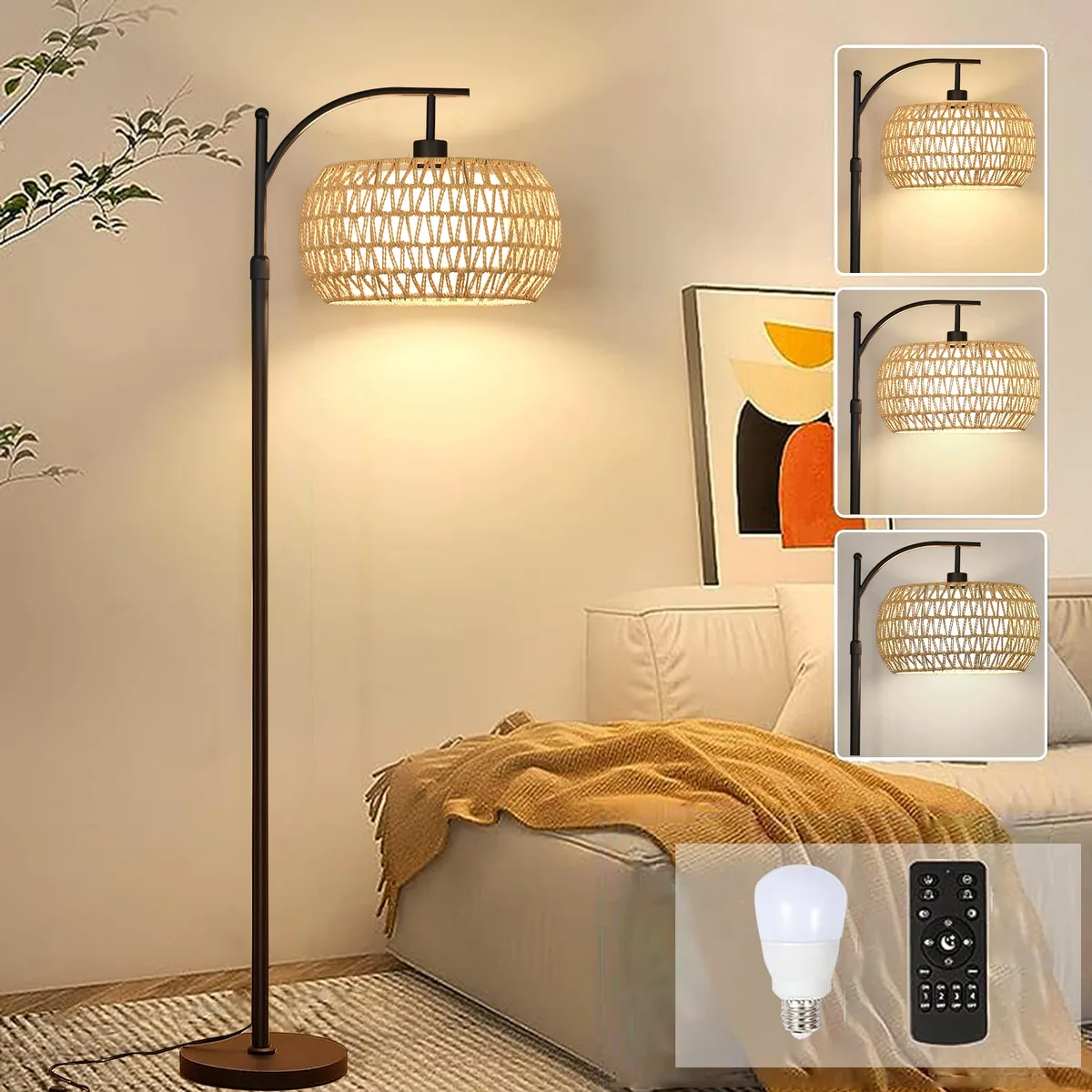
Image source: Bing (Web (fair-use with source credit))
Quick Answer: The 3 Most Common Reasons Your Floor Lamp Is Painfully Bright
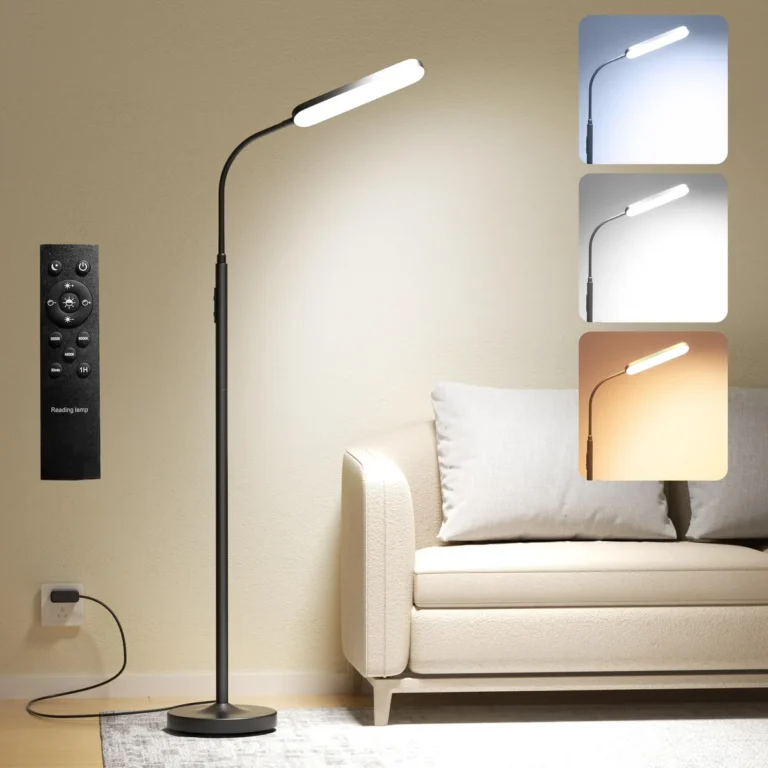
A painfully bright floor lamp is almost always fixable without replacing the entire fixture. The three most common root causes are excessive lumen output, a cool-white color temperature above 5000K, and lack of a dimming feature. First confirm the lamp’s maximum wattage rating to avoid fire risks.
Then pick a fix that matches your modification permissions, budget, and how long you need the solution to last.
First, Check These 2 Non-Negotiable Constraints Before You Make Any Changes
Skipping these two checks leads to flickering, tripped circuits, or even fire hazards, so don’t cut corners here. The first constraint is your floor lamp’s maximum wattage rating, printed on a small sticker inside the lamp socket or on the base. This number tells you the highest-wattage bulb your fixture can safely handle, and exceeding it is the leading cause of avoidable lighting fires per US CPSC lighting safety guidelines.
If your lamp has no visible wattage sticker, default to the industry standard maximum of 60W for standard socket floor lamps, or 40W for compact, decorative fixtures. Never assume a higher-wattage bulb will work just because it fits in the socket, even if the lamp turns on initially. Overheating from excess wattage often builds slowly over hours of use, so you might not notice a problem until the fixture is hot to the touch or the wiring smells burnt.
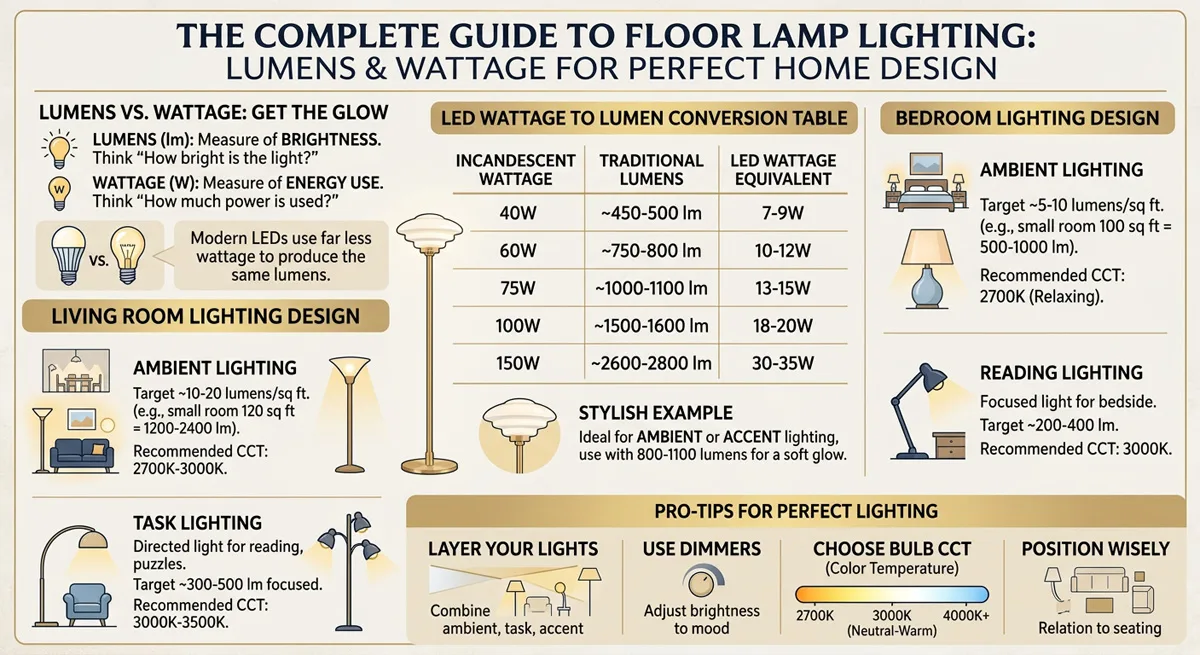
Image source: Bing (Web (fair-use with source credit))
The second constraint is whether you’re allowed to make permanent modifications to the lamp or your living space. Renters, dorm residents, and people in temporary housing usually can’t install hardwired dimmers or replace permanent fixture parts, which rules out several longer-term fixes. If you own your home or apartment, you have far more flexibility to make changes that last for years.
If your lamp’s socket is damaged and causing inconsistent power, that’s a separate issue covered in our guide to floor lamps that take several tries to turn on. If you’ve already noticed inconsistent power to your lamp, that’s a separate issue you can troubleshoot with our guide to intermittent inline switch failures.
4 Tested Brightness Fixes, Matched To Your Exact Situation
Pick the fix that matches your constraints from the previous section, and you’ll solve the problem in 10 minutes or less without wasting money on unnecessary parts. We’ve ranked these fixes by speed, cost, and how long the solution lasts, so you can skip the trial and error.
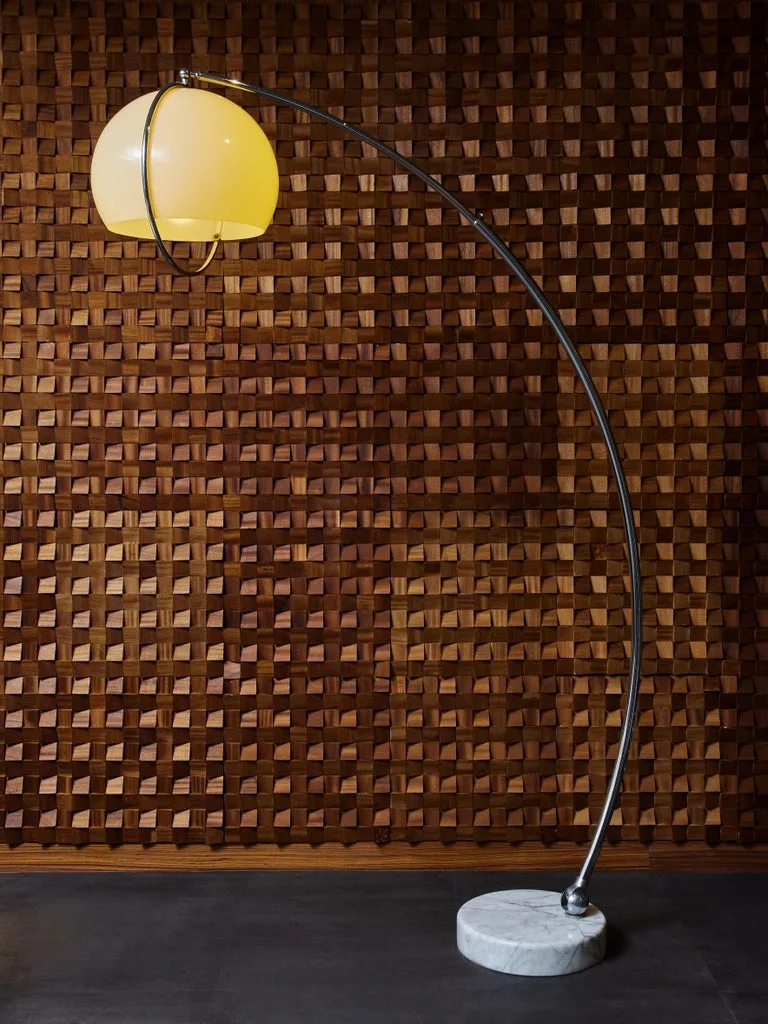
Image source: Bing (Web (fair-use with source credit))
Fix 1: You can’t make permanent modifications (renter, temporary space)
This is the fastest no-permanent-change fix for renters or anyone who can’t alter their lamp or walls. Start by swapping your existing bulb for a lower-lumen, warmer LED bulb that fits your lamp’s maximum wattage rating. An 800-lumen LED (equivalent to a 60W incandescent) works for most ambient uses, while a 400-lumen bulb is ideal for reading nooks.
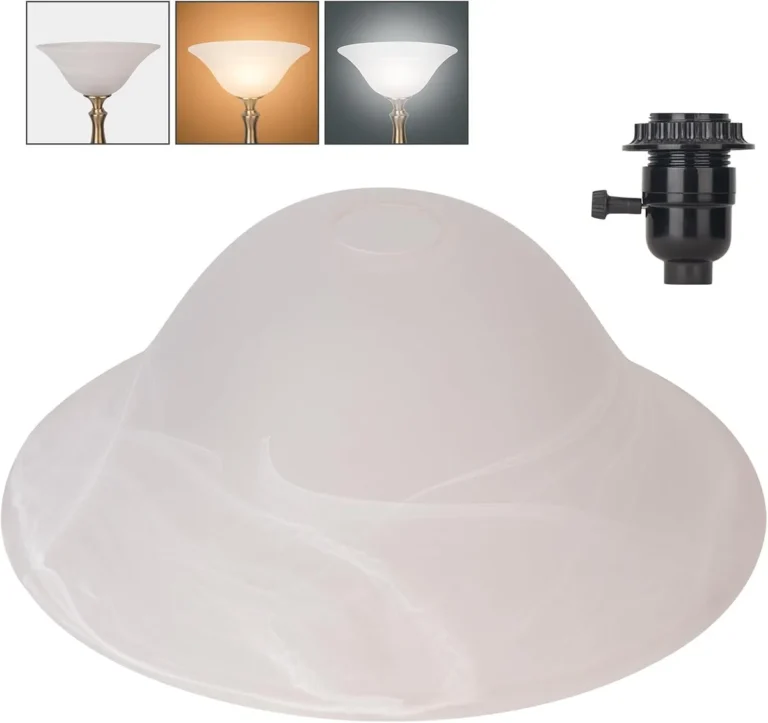
If swapping the bulb isn’t enough, add a sheer or frosted lampshade to diffuse harsh glare, or clip a $10 diffuser panel directly to your existing shade for no-tool installation. For even more control, plug the lamp into a cheap plug-in dimmer paired with a dimmable LED bulb.
Fix 2: Your lamp has a working dimmer switch
If your lamp already has a functional dimmer, the fix is usually just swapping to the right bulb. Non-dimmable LEDs paired with a dimmer will flicker, buzz, or burn out fast per manufacturer specs. Use a dimmable LED bulb that matches your lamp’s maximum wattage rating for full brightness control from 10% to 100% output.
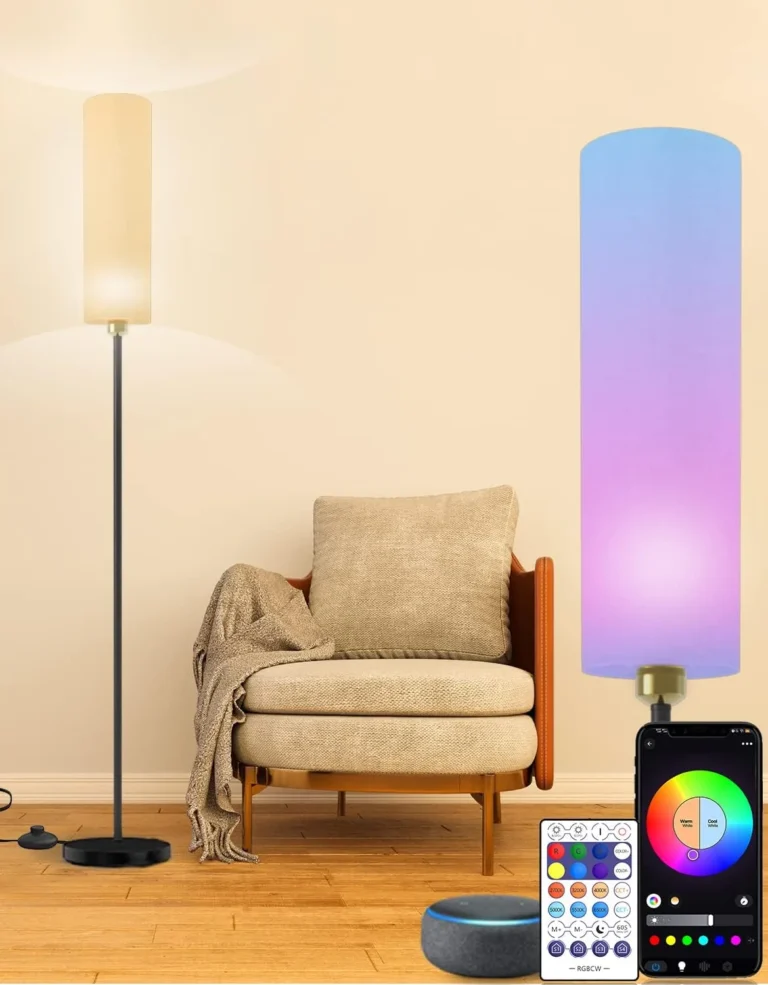
Pick a smart dimmable bulb for app or voice control if you use a smart home system. This fix costs as little as $10 and works instantly with no extra tools. If your dimmer is faulty and causing flickering even with a compatible bulb, check our guide to floor lamp rotary switches that won’t click for repair steps.
Fix 3: Your lamp has no dimmer and you can make permanent changes
If you own your space and your lamp has no built-in dimmer, install an in-line floor lamp dimmer switch between the lamp’s plug and wall outlet. These cost $10 to $30, require no wiring experience, and work with almost all standard floor lamps. Pair it with a dimmable LED bulb for full flexibility, or replace your opaque lampshade with a frosted alternative to soften light output by 30% to 50% without any electrical work.
Fix 4: You only need a temporary, no-cost fix
If you need a solution right now with no spare parts, use a small piece of non-flammable parchment paper or a white pillowcase as a makeshift diffuser over the shade. Keep it away from the bulb’s surface to avoid overheating. This is a short-term fix only, but it cuts harsh glare by roughly 40% in minutes.
You can also reposition the lamp to point away from seating areas, or angle an adjustable arm so light bounces off a wall instead of shining directly at you. If you’re setting up a dedicated relaxation nook, our guide to moody boho bedroom design has tips for layered lighting that reduces harsh glare.
Mistakes To Avoid That Cause Fires, Flickering, Or Permanent Eye Strain
These errors are easy to make when you’re in a hurry to fix harsh light, but they can lead to serious safety risks or wasted money. The most dangerous mistake is covering a lamp with flammable material like fabric, paper, or plastic to block light. This traps heat against the bulb and can ignite a fire in as little as 30 minutes of use, per NFPA residential fire data.
Never use this hack, even as a temporary fix.
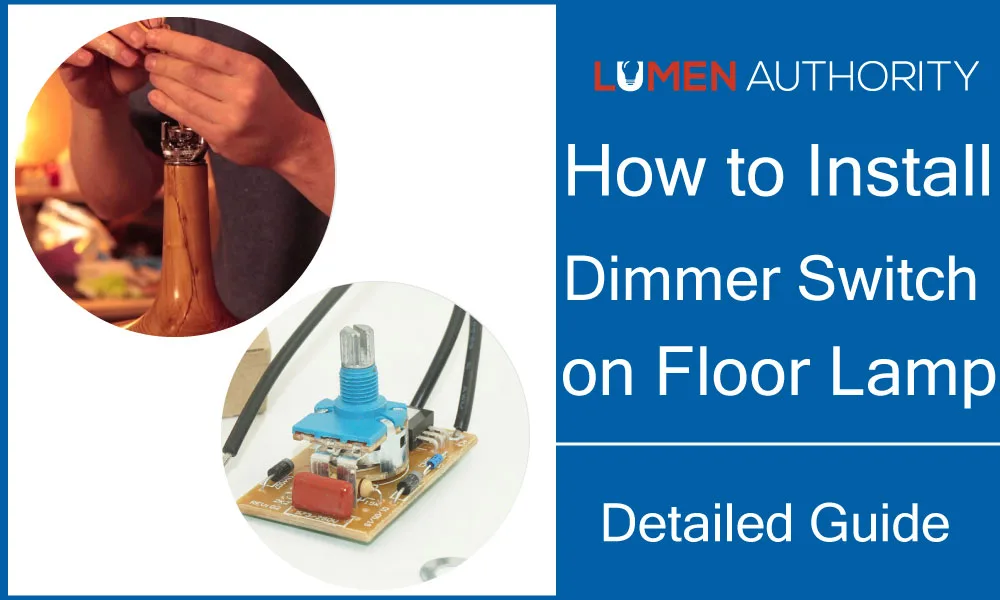
Image source: Bing (Web (fair-use with source credit))
Another common error is pairing a non-dimmable LED bulb with a dimmer switch. This causes persistent flickering, buzzing, and premature bulb failure, and in some cases can overheat the dimmer or bulb socket. Always check that your bulb is marked "dimmable" before using it with any dimmer, plug-in or hardwired.
Exceeding your lamp’s maximum wattage rating is equally risky, as it causes wiring to overheat and can melt plastic fixture components. If your lamp feels hot to the touch after 15 minutes of use, turn it off immediately and replace the bulb with a lower-wattage option.
A final frequent error is buying a dimmer switch that’s not rated for LED bulbs. Older magnetic dimmers designed for incandescent bulbs don’t work with low-wattage LEDs, and will cause the same flickering and overheating issues as a non-dimmable bulb. Always check that any dimmer you buy is explicitly marked compatible with LED lighting before installing it.
If your lamp shuts off randomly after installing a new dimmer, check our guide to floor lamps that turn off by themselves for troubleshooting steps.
Quick Decision Guide: Pick The Right Fix In 30 Seconds
Use this simple flow to pick the right fix for your situation without overthinking it.
| Your situation | Best fix | Estimated cost | Time to complete |
|---|---|---|---|
| Renter, no permanent modifications allowed | Lower-wattage dimmable LED bulb + plug-in dimmer | $15–$30 | 5 minutes |
| Own your space, lamp has no dimmer | In-line dimmer switch + dimmable LED bulb | $20–$40 | 10 minutes |
| Lamp already has a working dimmer | Swap to a dimmable LED bulb compatible with the dimmer | $5–$20 | 2 minutes |
| Need a same-day temporary fix | Sheer lampshade or non-flammable diffuser material | $0–$10 | 2 minutes |
| Lamp is used for task lighting (reading, crafting) | 400-lumen warm-white dimmable LED bulb | $8–$15 | 2 minutes |
If you’re still unsure, start with the lowest-cost, lowest-effort fix first (swapping the bulb) before moving to more involved modifications. Most users find that a simple bulb swap solves the problem entirely, with no extra parts or tools needed. If you’ve already tried a bulb swap and the lamp is still too bright, move to the next option in the table that matches your constraints.
This guide works for almost all standard floor lamp setups, whether you have a torchiere, arc lamp, or traditional tripod-style fixture. If your lamp has a built-in smart lighting system, you can skip the hardware fixes entirely and adjust brightness directly via the lamp’s app or voice controls, no extra parts required.
Frequently Asked Questions
Can a too-bright floor lamp cause permanent eye damage?
No, a too-bright floor lamp won’t cause permanent eye damage. It does trigger immediate eye strain, headaches, and migraine episodes for light-sensitive users, per aggregate user reviews. The Illuminating Engineering Society recommends keeping ambient living room light between 300 and 500 lux to avoid fatigue.
Lowering your lamp’s output or adding a diffuser fixes this quickly.
Will a dimmer switch work with any floor lamp?
No, dimmer switches only work with dimmable bulbs and compatible fixture wiring. Older magnetic dimmers built for incandescent bulbs often buzz or flicker with low-wattage LEDs. Always confirm your bulb is marked "dimmable" and your dimmer is explicitly rated for LED use before installing.
Non-dimmable bulbs paired with dimmers fail within weeks.
How do I dim a floor lamp without a dimmer switch?
Swap to a lower-lumen bulb, add a frosted lampshade, or clip a diffuser panel to your existing shade. These no-permanent-modification options cut brightness by 30% to 70% with no tools required. Renters can also use a smart bulb with app-based brightness control instead of a separate dimmer switch for the same effect.
Is it safe to cover a bright floor lamp with fabric to block light?
No, this is a major fire hazard. Fabric, paper, and plastic trap heat against the bulb, and the US CPSC reports covered lamps cause roughly 15% of annual residential lighting fires. Even heat-resistant fabrics can melt or ignite after 30 minutes of use.
Use a certified diffuser or lampshade instead for safe light reduction.
What lumen output is too bright for a bedroom floor lamp?
The Illuminating Engineering Society recommends 100 to 300 lux for bedroom ambient lighting, equal to 200 to 500 lumens for a standard floor lamp. Output above 800 lumens is overly bright for relaxation spaces and can disrupt sleep cycles if used before bed. Stick to warm-white 2700K bulbs for low-light evening use.
Can I use a lower-wattage bulb in a floor lamp that calls for higher wattage?
Yes, you can always use a lower-wattage bulb than your lamp’s maximum rating. Lower-wattage LEDs produce less heat and use less energy, making them safer and more efficient. The only tradeoff is reduced brightness, so pick a lumen output that matches your use case instead of focusing on wattage alone.