Moody Boho Bedroom Design: Rich Textures and Eclectic Decor Ideas
Dark walls. Worn velvet. A single warm lamp glowing against deep green paint.
That's the fantasy of a moody boho bedroom design, but pulling it off without turning your sanctuary into a cave takes more than buying a macrame wall hanging. The good news? It's entirely doable, even in a small apartment, and you don't need a designer's budget to get there.
The secret is contrast. You're not trying to make a dark room; you're building depth. According to interior design color theory, the 60-30-10 rule works beautifully here: 60% dark base (walls), 30% mid-tone texture (furniture and rugs), and 10% light or bright accents (bedding, ceramics, plants).
As of 2026, the most successful dark boho spaces are the ones that feel balanced, not buried. Let's break down exactly how to build yours, step by step.
Why Moody Boho Works (And Why It's Tricky to Pull Off)
The appeal is obvious. This style feels intimate, lived-in, and deeply personal. It rejects the sterile, everything-must-match vibe of showroom furniture.
Instead, it embraces imperfection, natural materials, and a certain kind of quiet drama. When it works, you walk into a room and instantly exhale. It's a hug in design form.
But here's where it gets tricky. The line between "moody" and "gloomy" is thin. Get the lighting wrong, and your beautiful dark walls feel like a dungeon.
Add too many patterns, and the room feels chaotic instead of curated. The biggest mistake we see across aggregated design forums and Pinterest boards is people mistaking "dark" for "monochrome." They paint everything charcoal, buy black bedding, and call it a day. The result is flat and depressing.
The fix is understanding that moody boho isn't about the absence of light. It's about the management of light. You're creating shadows on purpose, but you're also bringing in texture that catches those shadows.
A chunky knit throw looks completely different in a dark room than it does in a bright one. The texture becomes visible because of the shadows. That's the magic.
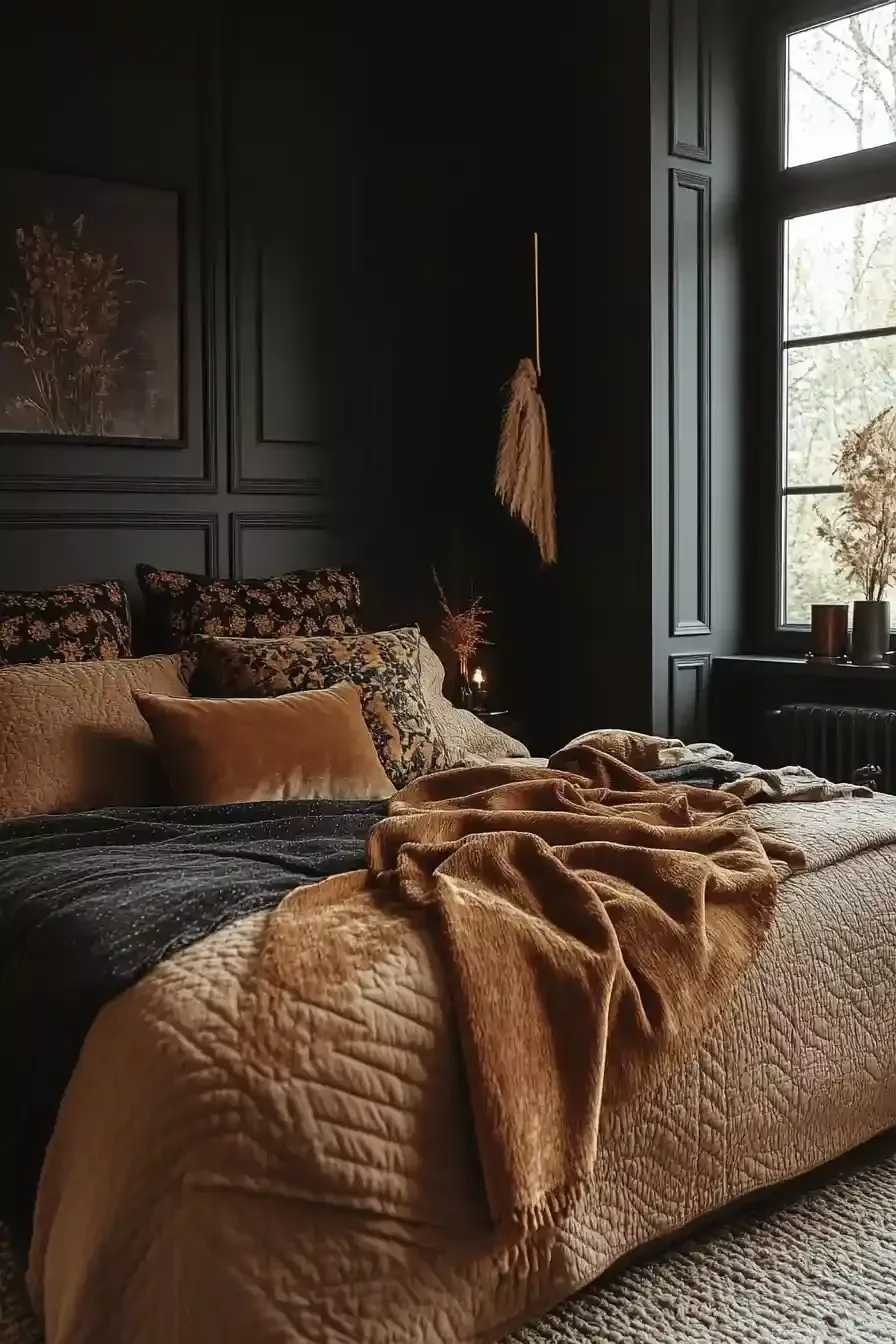
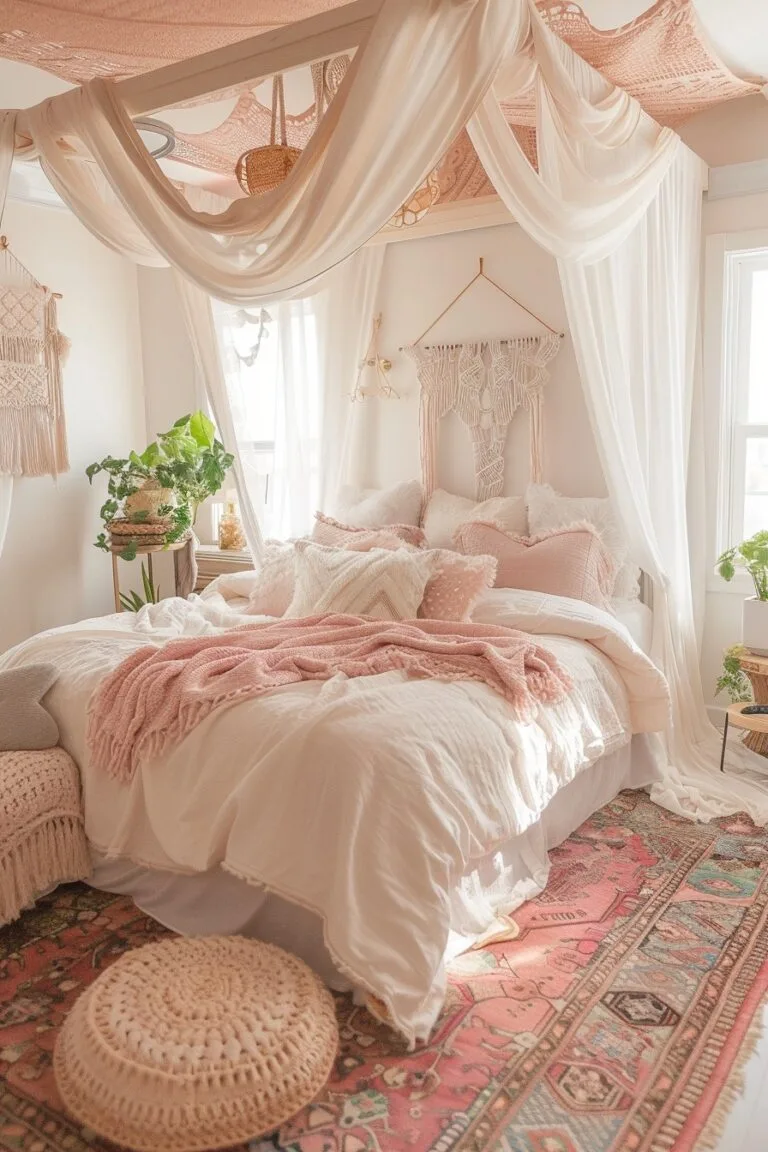
Image source: Web (Bing) / pinterest.com (Web image (fair-use with source credit))
Our research shows that successful implementations share a common thread: they layer. They layer colors, materials, and lighting sources. If you're ready to trade the bright and airy look for something with more soul, you need a plan.
The visual foundation is where you start.
The Visual Foundation: Start with the Walls and Floor
Your walls are the canvas. They set the emotional temperature of the entire room. For moody boho, you're looking at deep, rich colors.
Think forest green, charcoal, deep terracotta, or even a dark plum. Paint finishes matter too. A matte finish absorbs light and creates that soft, velvet-like backdrop.
A satin or eggshell finish will reflect a bit more, which can be helpful if you're scared the room will feel too dark.
If painting all four walls feels like too much commitment, pick one accent wall behind your bed. It anchors the room and gives you a focal point. Manufacturer specifications from brands like Farrow & Ball and Benjamin Moore indicate that deep pigments need more coats for even coverage.
Budget for two coats minimum, sometimes three. Don't skimp here.
Your floor is the second half of this equation. A dark room needs a rug that grounds it without disappearing into the shadows. A vintage Persian or kilim rug in muted reds, blues, or earthy browns is perfect.
They bring in pattern, warmth, and history. If you're on a budget, a natural jute rug in a neutral tone works too. It adds texture without competing with the walls.
Just avoid black rugs. They'll swallow your furniture. For more color and style inspiration, you might find our bedroom decor ideas helpful as you plan your palette.
Layer Like You Mean It: Bedding and Textiles
Once the room's foundation is set, move to the bed. This is where the style really comes alive. The goal is to create a bed you want to dive into.
That means layers. Lots of them. Start with a fitted sheet in a neutral tone like cream or oat.
Then add a flat sheet, followed by a lightweight quilt or blanket. On top goes your duvet. Finish with a chunky knit throw and an assortment of pillows.
The trick is mixing textures. Linen wrinkles beautifully and feels breathable. Velvet adds a rich, luxurious feel.
A faux fur throw brings in that tactile, cozy element. Cotton is your breathable base. Manufacturer fabric guides suggest a ratio of roughly 60% natural fibers (linen, cotton) to 40% textured fibers (velvet, wool) for the right balance.
It's visually interesting without being overwhelming.
Color-wise, you don't need everything to match. In fact, it shouldn't. Muted earth tones work well: terracotta, sage, mustard, or rust.
Layer in lighter shades like cream or white to break up the darkness. This creates that 10% light accent we talked about. Don't be afraid to mix a patterned duvet cover with a solid quilt.
The contrast is what sells the look. It tells a story of pieces collected over time, not bought in a set.
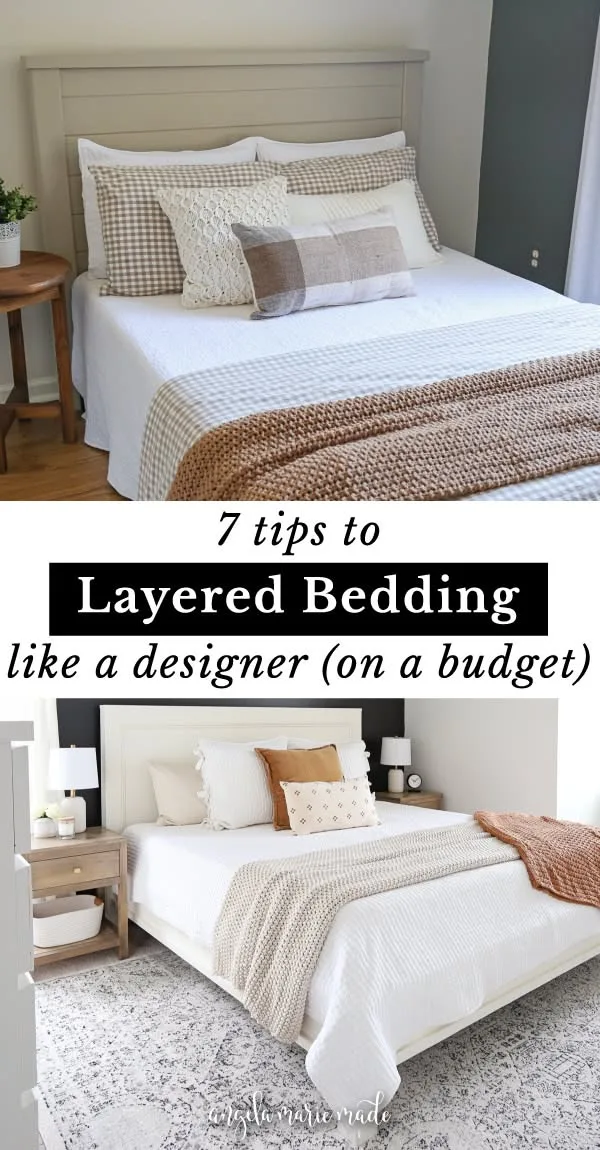
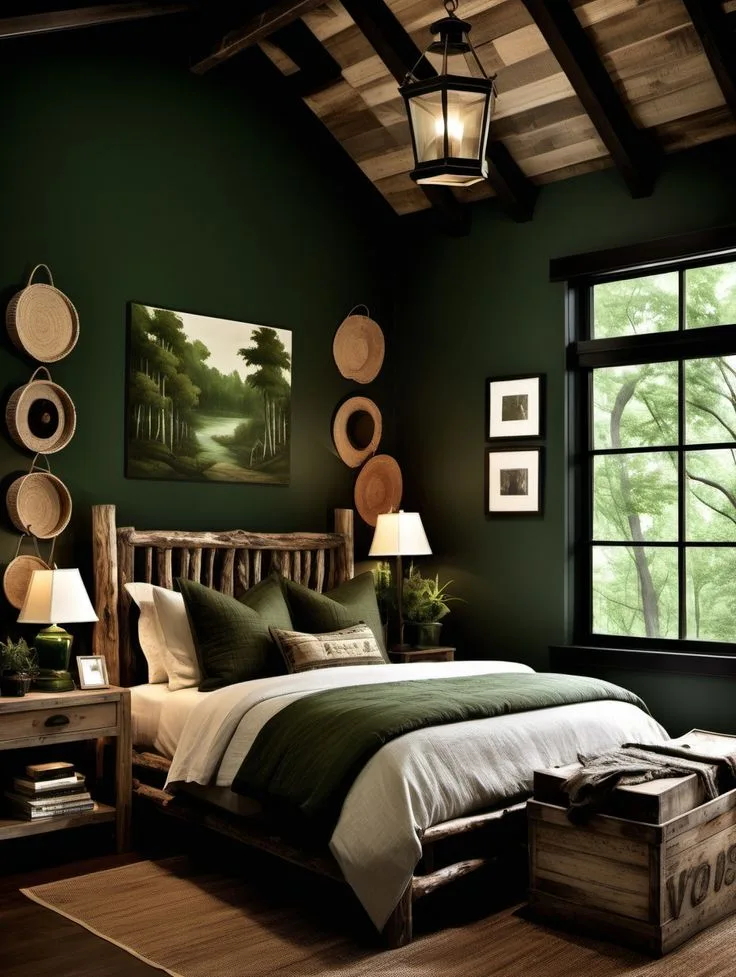
Image source: Web (Bing) / pinterest.com (Web image (fair-use with source credit))
A useful benchmark from editorial design analyses is to use a minimum of five layers on your bed for that full, styled look. Start with a sheet, then a blanket, a throw, and pillows. If you're aiming for that hotel-quality coziness, think about what a stylist would do to a bed.
They fluff, they fold, they create a sense of abundance.
Lighting Is Everything: Setting the Mood Without a Dimmer Struggle
If I had to give you one single piece of advice for nailing this style, it's this: forget the overhead light. The big ceiling light is the enemy of moody boho. It creates a flat, harsh wash that kills every shadow.
Instead, you need multiple light sources placed at different heights. This is called layered lighting, and it's the secret weapon of every interior designer we've researched.
Start with a statement pendant or a chandelier if you have high ceilings. A woven rattan pendant lamp casts beautiful, dappled shadows across your walls. Alternatively, a simple paper lantern gives off a soft, diffused glow.
According to lighting design specs, you want bulbs rated at 2700K or lower. This is the color temperature that mimics warm incandescent bulbs. Anything higher, around 5000K, is that harsh blue-white light you find in office buildings.
Avoid it at all costs.
Next, add floor lamps in the corners. A slim arc lamp that curves over a reading chair works brilliantly. Table lamps on nightstands are a must.
Even a string of warm fairy lights draped over a headboard can add that magical, ambient touch. The goal is to have pools of light, not a flood. You want a reading light by the bed, a soft glow in the corner, and maybe a candle on the dresser.
This complexity is something you can explore in more depth when planning strip light ceiling designs for a modern twist on ambient lighting.
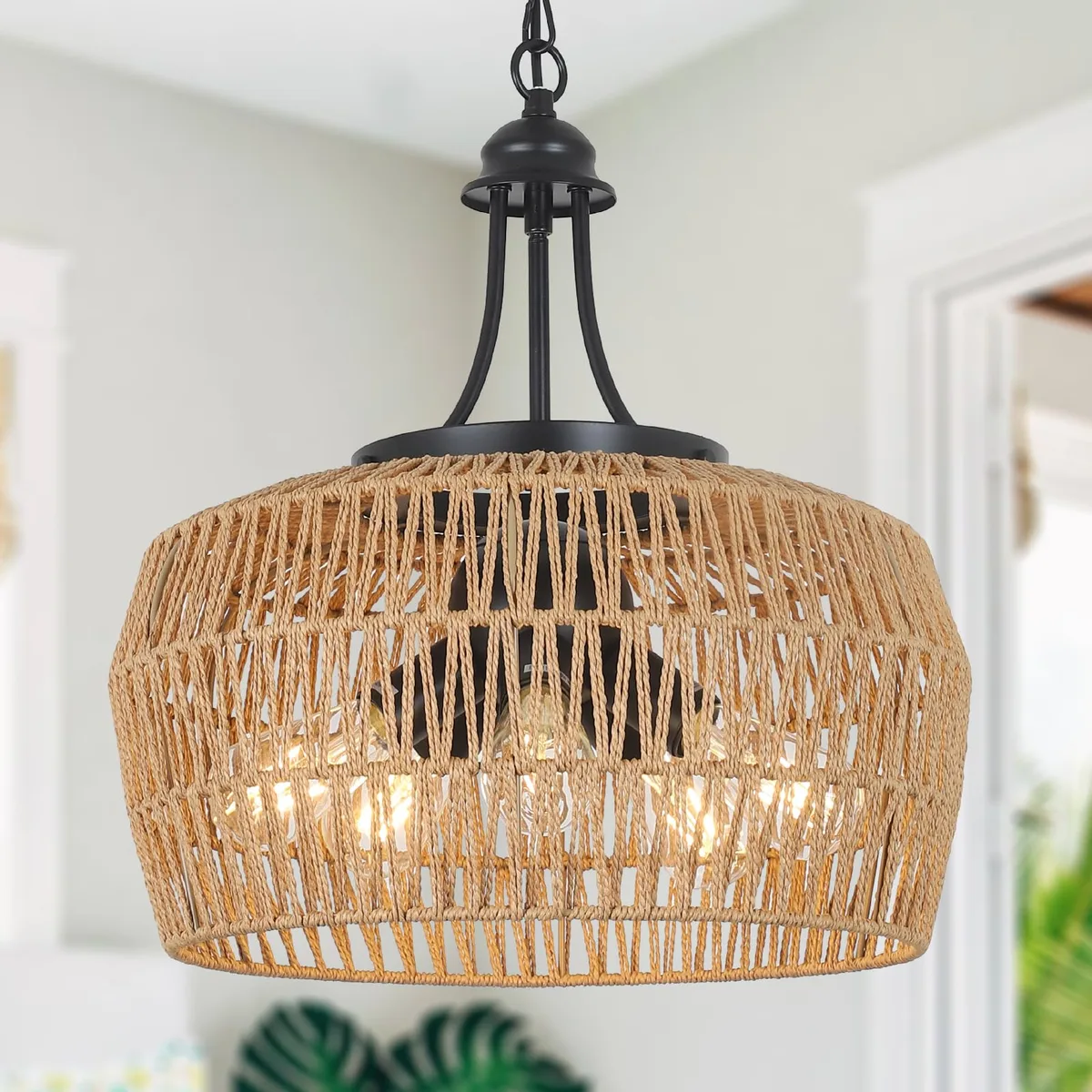
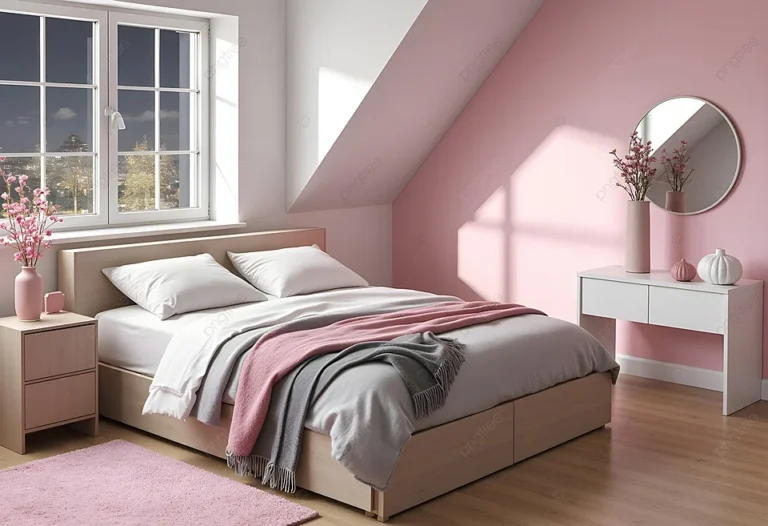
Image source: Web (Bing) / hometosight.com (Web image (fair-use with source credit))
Candles are non-negotiable in this aesthetic. Real ones with a warm, flickering flame are ideal. If you live with pets or kids, high-quality flameless LED candles set to a warm glow work as a safe alternative.
They're cheap, and they instantly change the mood. Dimmers are your best friend. Install a dimmer switch on any overhead light you absolutely have to use.
That way you can control the intensity.
Furniture that Whispers "Old Soul": Mixing Vintage and New
The furniture in a moody boho room should look like it has a history. It shouldn't be a matching bedroom set from a showroom. Instead, think about mixing a modern bed frame with a thrifted dresser and a vintage trunk at the foot of the bed.
This curated, collected-over-time look is the soul of the style.
Start with the bed frame. A dark wood frame with a tall headboard works brilliantly. A wrought-iron bed adds an architectural, almost gothic feel.
For a lighter, more organic option, a rattan or cane bed frame brings in natural texture. If your bed frame is a standard metal or wood piece, don't worry. You can lean into the boho vibe with your bedding and decor.
Dressers and side tables offer prime opportunities for vintage hunting. Look for solid wood pieces with worn edges or a faded finish. Replacing the hardware with brass or matte black handles instantly elevates an old piece.
Our research on secondhand furniture restoration indicates that testing for lead paint is crucial on pieces manufactured before 1978. The U.S. Consumer Product Safety Commission offers guidance on safe restoration practices.
It's a five-minute test and worth every penny for peace of mind.

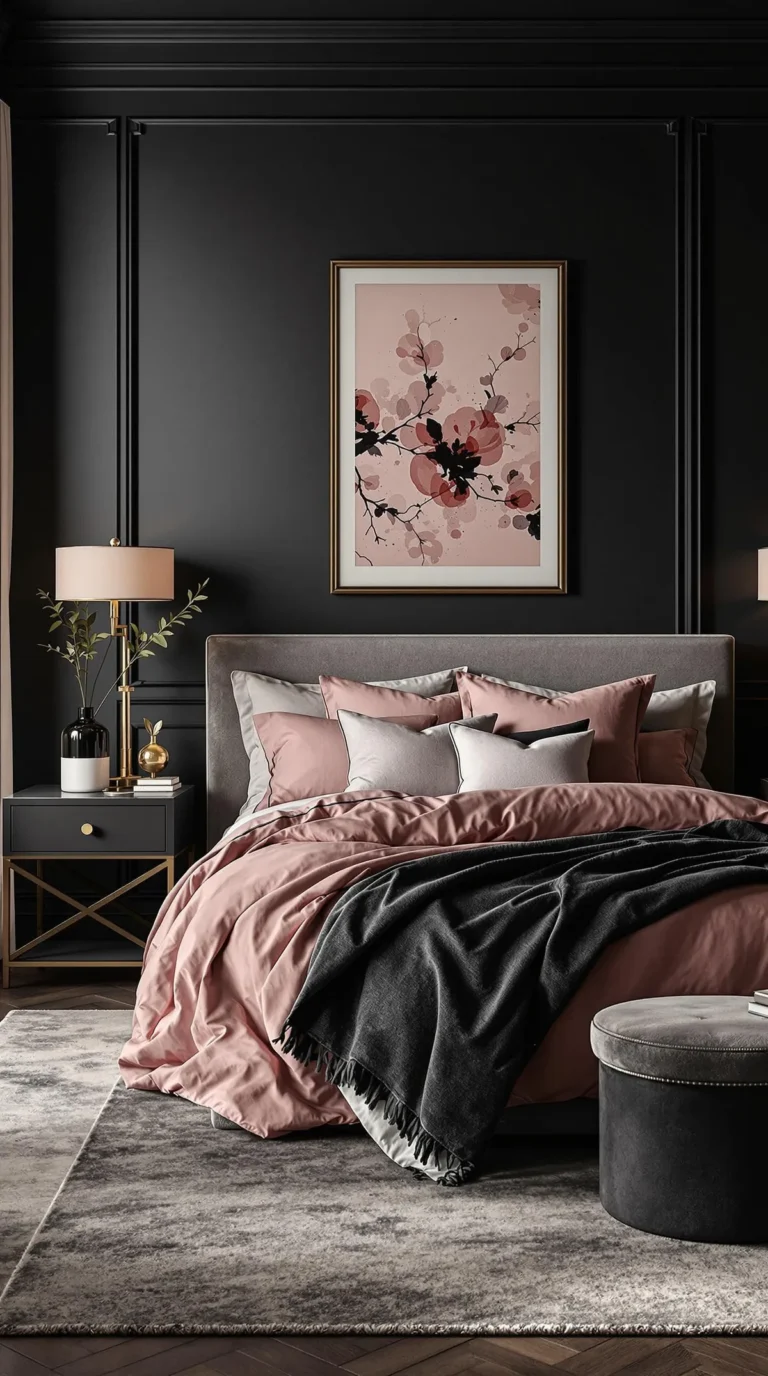
Image source: Web (Bing) / oakwoodauctions.com (Web image (fair-use with source credit))
Don't be afraid of mismatched woods. A walnut dresser next to an oak bed might sound odd, but in this style, it works. The key is to stick to dark or medium-toned woods.
Avoid anything with a yellow or orange tint, which can clash with the moody palette. A vintage trunk at the foot of the bed serves double duty as storage and a textile display. If you're starting from scratch and want to understand the broader ceiling aesthetics, examining how different false ceiling ideas interact with furniture arrangement can be enlightening.