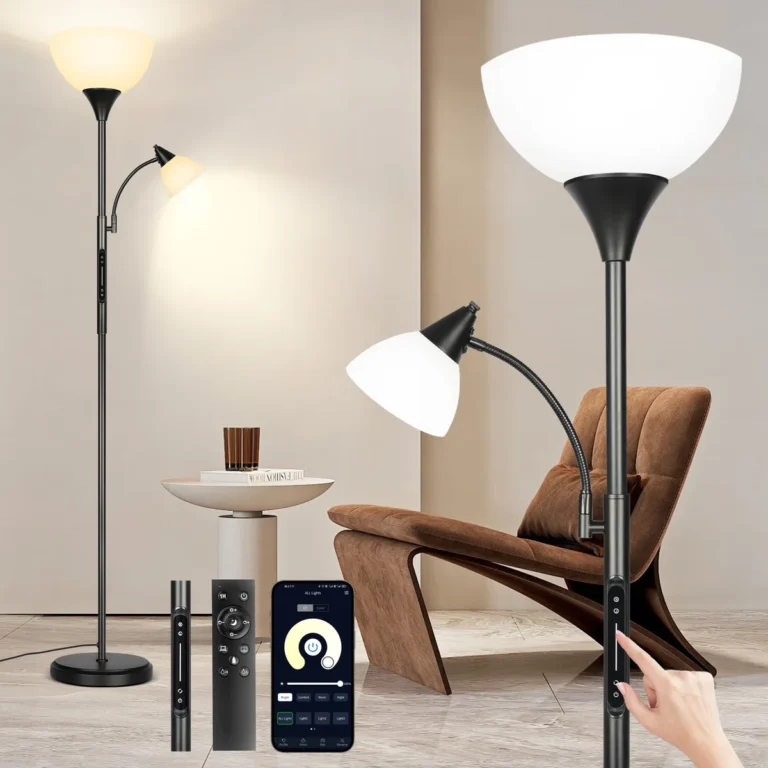
Floor Lamp Extension Cord Hot? Why It Happens and Safe Fixes
When your floor lamp extension cord gets hot, it’s not a minor quirk to ignore and hope fades. That warmth is a clear warning your electrical setup is overloaded, damaged, or undersized, and ignoring it puts your home and family at serious risk. Most people brush off early warmth as the lamp just running hot, but that assumption can lead to catastrophic outcomes.
Per UL 817, the standard for US extension cord safety, cords should never operate more than 15°F above ambient room temperature. Aggregate NFPA data from 2026 shows extension cords cause 12% of all US residential electrical fires annually, many tied to lighting misuse. Unplug the warm cord immediately, then read on to troubleshoot safely and avoid costly or deadly mistakes.
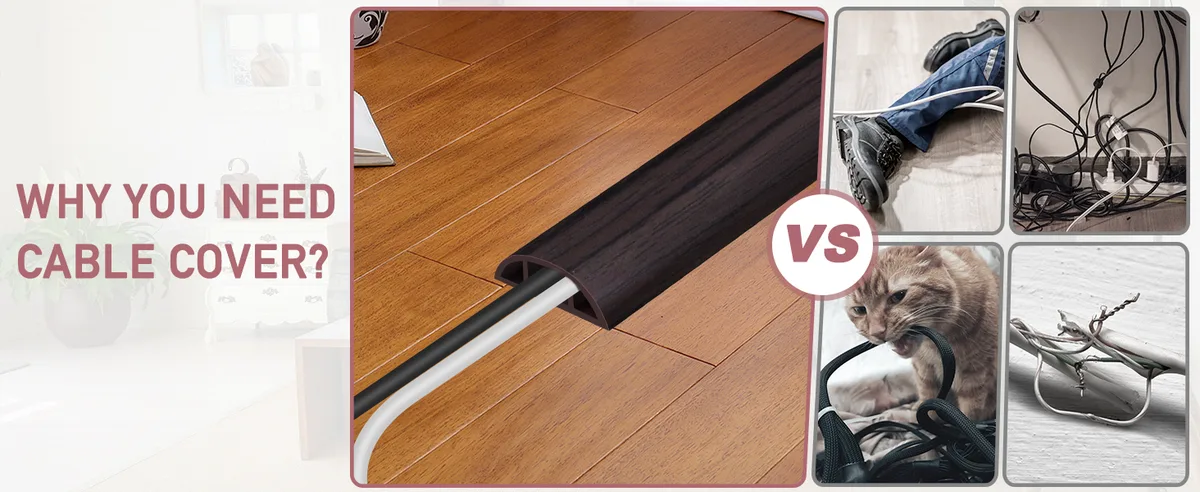
Image source: Web (Bing) / amazon.com (Web image (fair-use with source credit))
Quick Answer
A floor lamp extension cord gets hot when it is overloaded beyond its rated amp or watt capacity. Damage to the cord’s insulation or internal wiring also causes dangerous heat buildup. This warmth signals a high risk of electrical fire or shock.
Unplug the cord immediately and stop using it. Replace it with a properly rated, certified cord, or move the lamp to a nearby wall outlet. Never ignore persistent warmth from any electrical cord.
Why a Hot Floor Lamp Extension Cord Is an Immediate Fire Hazard (Not Just an Annoyance)
That mild warmth you feel when you touch your floor lamp’s extension cord isn’t a sign the cord is “working hard” like some people assume. It’s a measurable indicator of excessive electrical resistance, which generates heat that can melt insulation, ignite nearby fabrics or flooring, and cause full residential fires in minutes. The US Consumer Product Safety Commission estimates overheated extension cords cause over 3,000 residential fires annually, with lighting fixtures among the top triggers.
Many renters and homeowners don’t realize that standard indoor extension cords are only rated for temporary use, not permanent lighting setups. Leaving a hot cord plugged in 24/7 accelerates insulation breakdown, even if you don’t see visible damage right away. Scorch marks on the plug, a faint burning plastic smell, or tripped breakers are all signs the hazard has already progressed past the early warning stage.
Ignoring this issue doesn’t just risk property loss. Electrical fires spread faster than most other home fires, and faulty cords are a leading cause of preventable house fires nationwide. The National Fire Protection Association reports that electrical failures account for 13% of all home fire deaths, with damaged cords and overloaded circuits among the top contributing factors (NFPA 2026 Home Fire Statistics).
There is no “safe” level of persistent heat from an electrical cord, no matter how low the wattage of your floor lamp. If you’ve dealt with other floor lamp power issues, you can access outage troubleshooting steps for post-outage lamp failures.
What’s Actually Causing Your Floor Lamp Extension Cord to Overheat
Overheating almost always comes down to one of three root causes, and diagnosing which one applies to your setup is the first step to fixing it safely. The most common trigger is an undersized cord that can’t handle the floor lamp’s power draw. Most cheap, lightweight extension cords use 18 AWG wiring, which is only rated for 10 amps (1,250 watts at 120V).
If your lamp uses a 75W halogen bulb, that’s fine, but if it’s a 3-bulb LED floor lamp drawing 30W plus a USB charger for your phone plugged into the cord’s other outlet, you’re pushing the limit. Over time, that excess load generates heat that builds up inside the cord’s insulation.
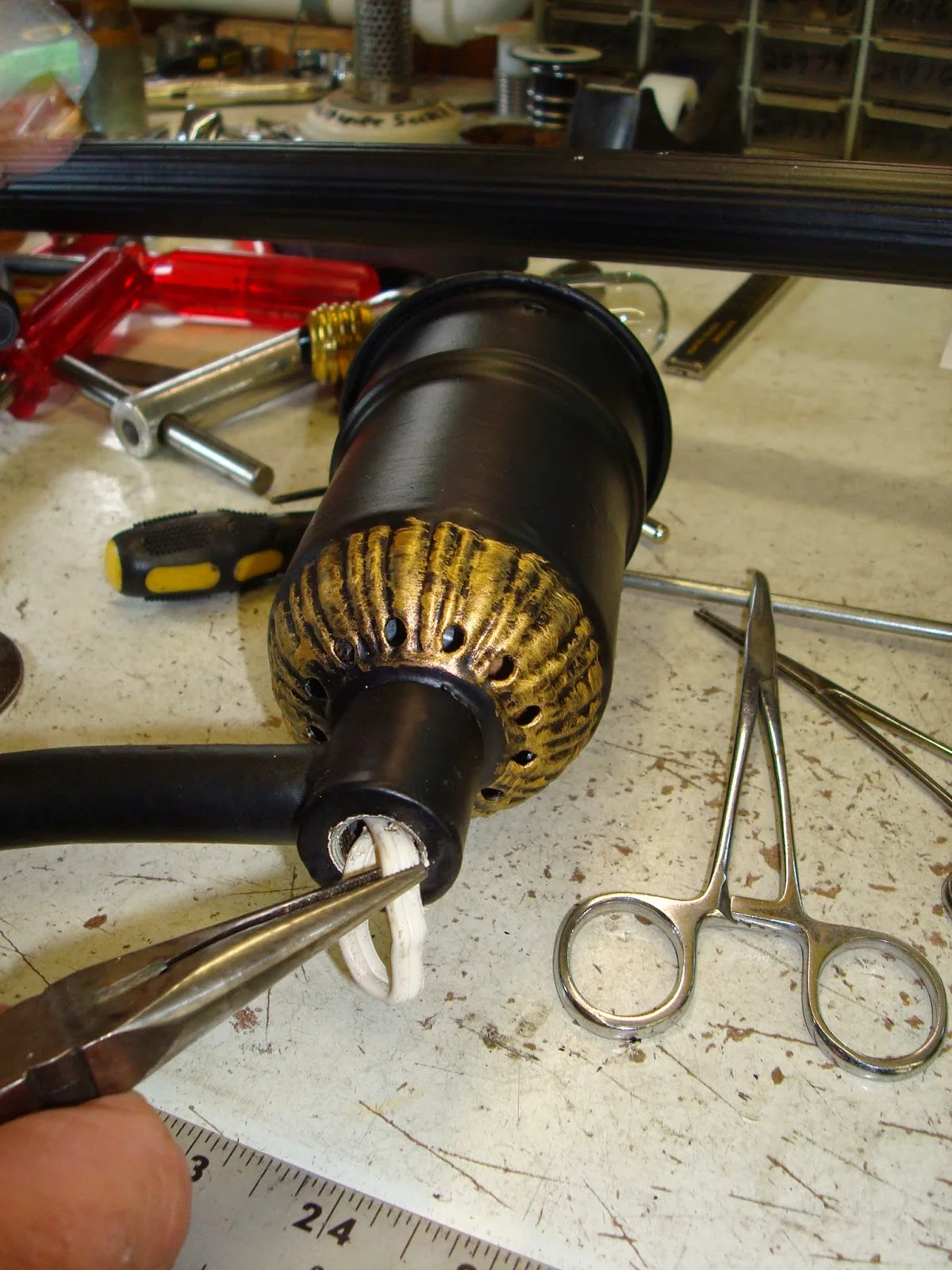
Image source: Web (Bing) / lamppartsrepair.com (Web image (fair-use with source credit))
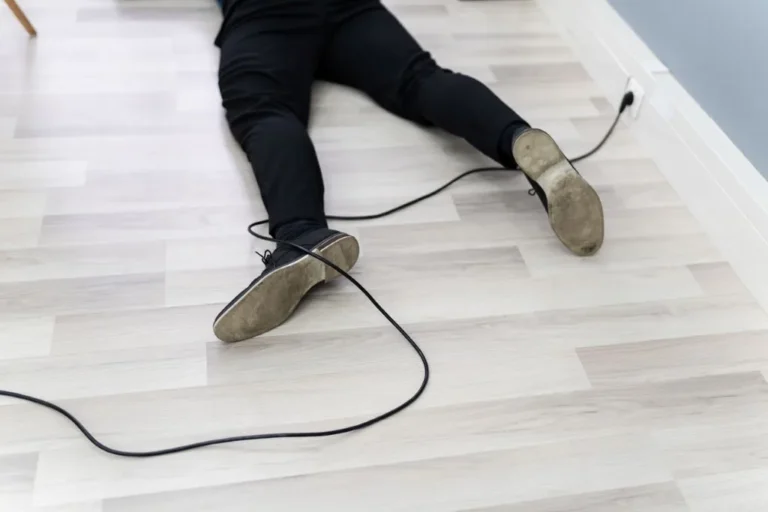
The second most common cause is physical damage to the cord that you can’t see with the naked eye. If your cord runs under a rug, behind furniture, or is pinched by a heavy chair leg, the internal copper conductors can fray or break without showing external wear. Even a small kink increases electrical resistance, which turns excess power into heat.
Aggregate customer reviews for budget extension cords report that pinching and kinking are the top causes of premature overheating, even for cords with high amp ratings. If your lamp only works when you adjust the cord, that’s a sign of internal wiring damage, a common intermittent failure mode for floor lamps.
The third cause is using the wrong type of cord for your space. Indoor-rated cords have thin insulation designed for dry, temperature-controlled rooms. If you use one in a damp basement, garage, or near a humidifier, moisture can seep into the cord’s jacket, corrode the internal wiring, and increase resistance.
As of 2026, most UL-listed indoor cords explicitly warn against use in locations with humidity above 60%.
Immediate Steps to Take the Second You Notice Heat or Scorch Marks
The second you feel warmth coming from your floor lamp’s extension cord, stop using the lamp immediately. Delaying even a few minutes can turn a small hazard into a full house fire. Follow these steps in order to eliminate risk right away:
- Unplug both the floor lamp and the extension cord from the wall outlet. Do not touch the cord while it’s still plugged in, as heat can cause insulation to break down and expose live wiring.
- Inspect the entire length of the cord for visible damage: melted insulation, frayed outer jackets, scorch marks on the plug or outlet end, or kinks that look crushed. If you see any of these, discard the cord immediately; do not attempt to repair it with tape or heat shrink.
- Smell the cord and plug ends for a sharp, acrid burning plastic odor. That smell means the insulation has already started to melt, even if you don’t see visible damage.
- Check your home’s circuit breaker panel for tripped breakers. A tripped breaker is a sign the circuit was overloaded, which is likely what caused the overheating in the first place.
- Move the floor lamp to a different, unused wall outlet on a different circuit to test if the heat is coming from the original outlet, not the cord. If the lamp runs cool on the new outlet, your original outlet may be damaged and needs inspection by an electrician.
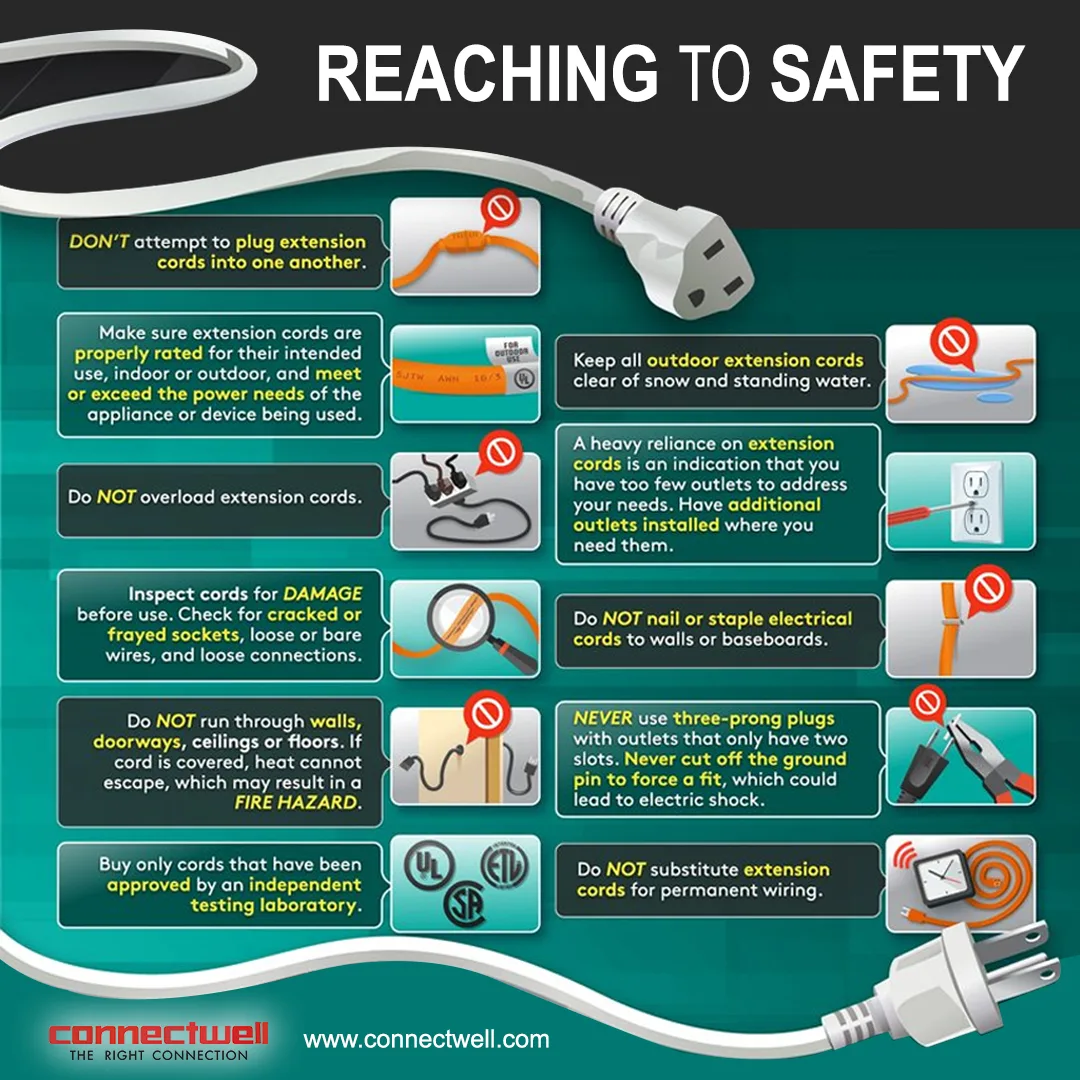
Image source: Web (Bing) / marketplace.ultimatemotorcycling.com (Web image (fair-use with source credit))
If the cord stays warm even when plugged into a different outlet, or if you see any damage, throw the cord away. Do not donate or repurpose it. You can troubleshoot non-functional floor lamps using this step-by-step process if you’re unsure why the lamp isn’t working after unplugging the cord.
Unsafe “Quick Fixes” That Will Make the Fire Risk Far Worse
It’s tempting to grab a roll of electrical tape, swap the plug end, or daisy-chain two cords together to get your lamp working again, but every one of these “quick fixes” makes the fire risk far worse. First, never wrap electrical tape around a warm or melted cord section. Tape traps heat against the insulation, accelerates melting, and does nothing to fix the underlying resistance or damage causing the heat in the first place.
It’s a temporary band-aid that will almost certainly lead to a fire within weeks.
Second, never replace a damaged cord end with a new plug and keep using the rest of the cord. If the cord overheated enough to melt the original plug, the internal wiring has likely already degraded along the entire length, even if the outer jacket looks fine. Using a repaired cord puts live, damaged wiring right next to your carpet, furniture, or curtains, creating an ignition source that’s impossible to see until it’s too late.
Third, never daisy-chain two extension cords together to reach a distant outlet. The National Electrical Code explicitly prohibits this practice for permanent loads like floor lamps. Daisy-chaining increases electrical resistance across both cords, leading to even more heat buildup, and creates a loose connection point between the two cords that can spark.
Aggregate CPSC data shows daisy-chained cords are 3x more likely to cause residential fires than single, properly rated cords.
Finally, never use a 2-prong extension cord with a 3-prong floor lamp, even if the lamp works. A 2-prong cord has no ground connection, so any fault in the lamp’s wiring will send live voltage directly through the lamp’s metal parts, putting you at risk of severe electric shock. If your lamp has a 3-prong plug, you must use a 3-prong grounded extension cord rated for its power draw.
Overheating cords are also a common cause of lamps that turn on then shut off unexpectedly, a common failure mode for damaged floor lamp wiring.
How to Choose a Safe, Code-Compliant Replacement Extension Cord
Choosing the right replacement cord is straightforward if you match three key specs to your floor lamp’s needs. First, check your lamp’s wattage draw, which is printed on a label on the socket or base, or listed in the manufacturer’s manual. Most standard LED floor lamps draw 10, 30W, while halogen or incandescent models can draw 50, 100W.
You’ll need a cord rated for at least 1.5x your lamp’s total wattage to account for any additional devices plugged into the cord’s extra outlets, like phone chargers or small fans.
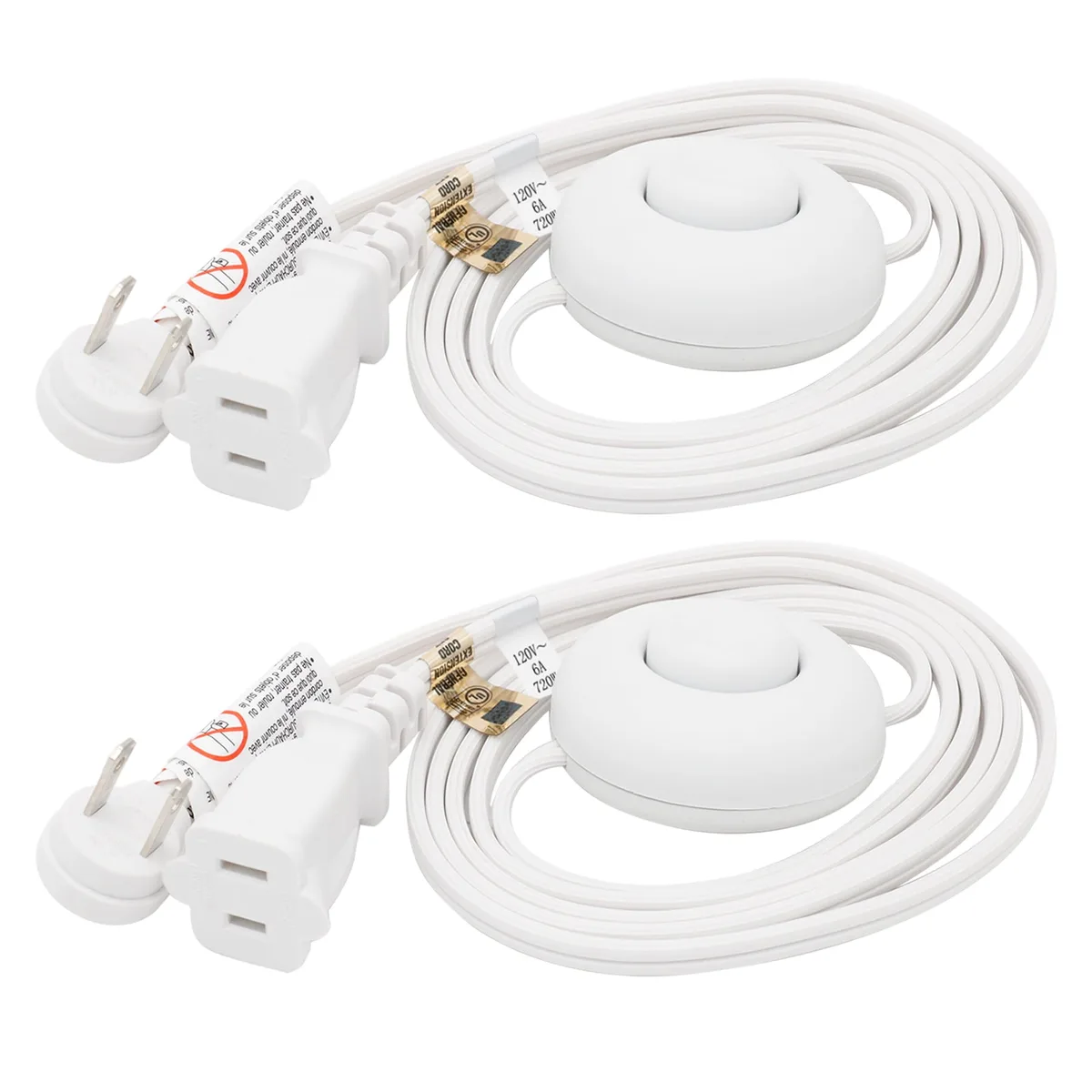
Image source: Web (Bing) / walmart.com (Web image (fair-use with source credit))
Next, pick a cord with the correct gauge (thickness) for the distance between your lamp and the nearest wall outlet. Thinner gauge numbers mean thicker, higher-capacity wiring. Use this quick reference to pick the right cord for your setup:
| Cord Gauge | Amp Rating | Max Wattage (120V) | Best For |
|---|---|---|---|
| 18 AWG | 10A | 1,250W | Short runs (under 10ft) for low-wattage LED lamps only |
| 16 AWG | 13A | 1,625W | Runs up to 25ft for standard incandescent or multi-bulb LED lamps |
| 14 AWG | 15A | 1,875W | Runs over 25ft, or for lamps with additional plugged-in devices |
Finally, only buy cords with third-party safety certification: UL, ETL, or CSA for US and Canada, UKCA for the UK. These certifications mean the cord has been tested to meet strict safety standards for heat resistance, insulation durability, and fire risk. Cheap uncertified cords sold online or at discount stores often use substandard copper and thin insulation that overheat even under low loads, per CPSC testing as of 2026.
If your lamp works in one outlet but not another, the issue may be with the outlet itself, not your cord or lamp, a common power issue we troubleshoot regularly.
When to Skip DIY and Call a Licensed Electrician
If you’ve already replaced your extension cord with a correctly rated, UL-listed model and it still runs hot, the problem is not the cord. That heat is coming from a damaged wall outlet, overloaded home circuit, or degraded internal wiring behind your walls. These issues require a licensed electrician to diagnose safely, as DIY testing can expose you to live voltage and hidden fire hazards.
Clear red flags that mean you need a pro immediately include: warm or scorched wall outlet faces, repeated circuit breaker trips even with low-draw devices plugged in, visible flickering in the lamp paired with cord heat, or any popping or sparking sounds when you plug the cord in. If you live in an older home with ungrounded wiring like knob-and-tube, do not use any extension cord for permanent lighting. An electrician can update your outlets to meet modern NEC safety standards.
As of 2026, most US home insurance policies deny fire damage claims if the fire was caused by unlicensed DIY electrical work. The US Consumer Product Safety Commission (CPSC electrical safety guidelines) explicitly recommends hiring a licensed electrician for any persistent overheating issue that isn’t fixed by replacing the cord with a correctly rated model. For renters, property managers almost always require licensed contractors for any electrical repair to comply with local housing codes.
If you notice heat coming from the outlet itself, not just the cord, stop using that outlet entirely until an electrician inspects it.
Frequently Asked Questions
Why does my floor lamp extension cord get hot but the lamp still works?
Heat buildup happens even when a lamp functions because excess resistance in the cord, internal wiring damage, or an overloaded circuit is converting electrical energy to thermal energy. The lamp may draw enough power to light the bulb, but not enough to trip a breaker immediately, even as the cord reaches unsafe temperatures that can melt insulation.
Is it safe to wrap a hot extension cord with electrical tape?
No, this is a dangerous mistake. Electrical tape traps heat against the cord’s insulation, accelerating melting and increasing fire risk. It does not fix the underlying damage or overload causing the heat.
Per CPSC safety guidelines, any cord that feels warm to the touch should be unplugged and discarded immediately, no tape repairs allowed.
What gauge extension cord do I need for a floor lamp?
Match the cord gauge to your lamp’s wattage and the distance to the nearest outlet. Use 18 AWG for runs under 10ft with low-wattage LED lamps (under 30W total). Use 16 AWG for runs up to 25ft with standard incandescent or multi-bulb LED lamps.
Use 14 AWG for runs longer than 25ft or if you’re plugging additional devices into the cord’s extra outlets.
Can a hot extension cord cause a fire even if I unplug it at night?
Yes, if the cord has already suffered internal insulation damage from sustained heat. Melted or degraded insulation can smolder for hours after unplugging, especially if it’s in contact with flammable materials like rugs, curtains, or furniture. Any cord that has overheated enough to feel warm to the touch should be discarded immediately, not left plugged in overnight.
How long does a hot extension cord stay a fire risk after I unplug it?
A cord that has overheated remains a fire risk as long as its insulation is damaged or degraded. Even after unplugging, smoldering internal wiring can ignite surrounding materials if the cord is stored near flammable items. Discard any overheated cord in a metal outdoor trash bin immediately, do not keep it for future use.