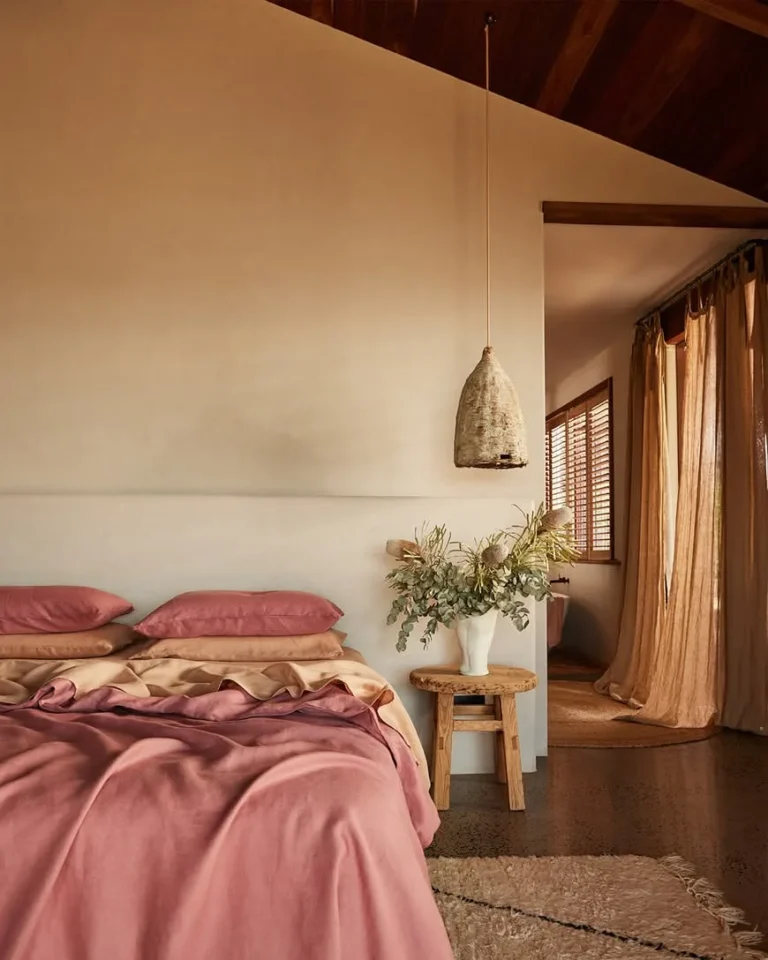
Moody Modern Bedroom Style Ideas for a Sophisticated, Contemporary Look
You know that feeling. You want a bedroom that’s dark, sophisticated, and undeniably cool. You start with a black wall and a few grey pillows, but instead of a chic retreat, you’ve created a cave.
That’s the common stumble with a moody modern bedroom style. It’s not just about being dark. It’s a precise balance of deep color, varied texture, and strategic light.
This style leans on a core concept: Light Reflectance Value (LRV). It’s a standard measure of how much light a paint color reflects. For a truly moody feel, you’re looking at a palette with an LRV below 50, often much lower.
The trick is making those low-light colors feel rich and intentional, not just dim. Let’s walk through how to get it right, step by step.
Quick Answer
A moody modern bedroom style uses deep, saturated paint colors on walls. It combines multiple lighting layers for a warm glow. The look needs contrasting textures like linen and velvet.
It balances dark tones with light wood or metal accents. The goal is a cozy, dramatic sanctuary that feels curated, not cluttered.
Why Your Moody Bedroom Feels “Off” (And How to Fix It)
Most attempts at this style fail for one reason: one-note darkness. A single dark wall color, repeated in the bedding and furniture, with a single overhead light, creates a flat and gloomy box. The human eye needs contrast and variation to perceive depth and sophistication.
Without it, the room feels heavy.
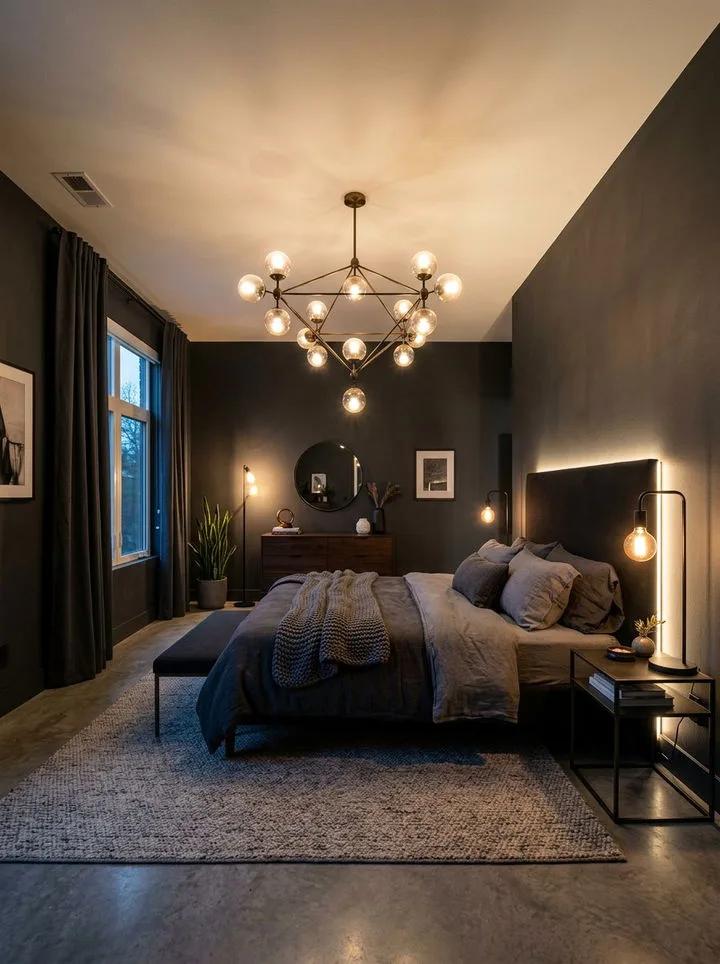
The fix isn’t adding more stuff. It’s about intentional contrast in three key areas: light, texture, and tone. Think of a dark green wall (tone) next to a cream-colored linen duvet (contrast), lit by a warm brass sconce (light) and softened by a nubby wool throw (texture).
That’s the visual recipe. Our research into popular design boards shows the most successful rooms use at least five distinct textures to build that sensory depth.
It’s a common hurdle, especially if you’re used to lighter, airier spaces. The shift can feel intimidating. But by breaking it down into a visual process, you can build the room with confidence, avoiding that “off” feeling entirely.
We’ll start with the most impactful element: the wall color.
Step 1: Find Your “Not Just Black” Wall Color
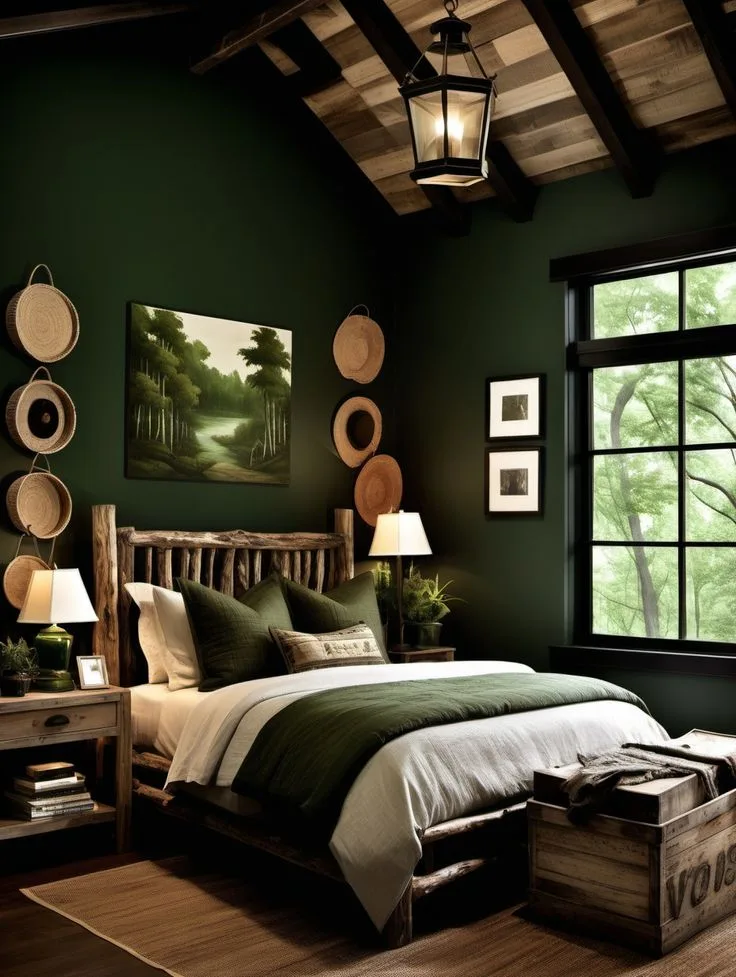
Forget flat black or basic grey. The foundation of a compelling moody room is a complex, saturated color. These are hues with depth, think forest green, navy blue, charcoal with a blue undertone, or a rich burgundy.
They absorb light differently across their surface, creating a luminous quality that flat paint can’t achieve.
Manufacturer color systems are built for this. Benjamin Moore’s “Historical Colors” collection and Farrow & Ball’s entire palette are famous for their nuanced, pigment-rich formulas that create this effect. The key specification to look for is the LRV number on the paint swatch or website.
The Magic of LRV and Undertones
LRV, or Light Reflectance Value, ranges from 0 (absolute black) to 100 (pure white). For a truly moody wall, aim for an LRV between 5 and 30. This ensures the color absorbs most of the light, creating that cocooning effect.
But here’s the critical part: you must also note the undertone.
A dark grey with a blue undertone will feel cool and serene. The same LRV grey with a green or purple undertone feels entirely different, warmer and more organic. This is why sampling is non-negotiable.
A color like Sherwin-Williams Urbane Bronze (LRV 8) has warm, earthy undertones, while Farrow & Ball’s Hague Blue (LRV 6.8) is a cooler, deep nautical shade.
Testing Paint: A Non-Negotiable Step
Order physical samples or buy sample pots. Paint at least a 2′ x 2′ square on two different walls in the room, one that gets direct light and one that’s in shadow. Look at the color at morning, noon, and night with both artificial and natural light.
The color will shift dramatically.
Aggregate reviews from painting forums consistently point to one major regret: not testing large enough samples for long enough. Live with the swatches for a few days. Notice if the undertone clashes with fixed elements like your flooring or cabinetry.
This upfront work prevents a costly and disappointing repaint job later. For more inspiration on using deep, atmospheric colors, explore our guide on creating a dramatic focal point.

Step 2: Build Your Bed—The Room’s Foundation
The bed is the largest object in the room and your style’s anchor. In a moody modern scheme, it shouldn’t just be a place to sleep; it should be a sculptural element that introduces your material story. An all-upholstered platform bed in a neutral fabric provides a soft, grounded base.
A bed with a clean-lined wood or metal frame adds necessary structural contrast against the soft walls.
The goal is to avoid matching the bed to the wall color. A navy wall with a navy headboard disappears. Instead, a bed in a light oak, a brushed metal, or a neutral linen creates an instant focal point and defines the sleeping zone within the darker space.
This contrast is what makes the room feel designed, not accidental.
Material Mix Masterclass
This is where you start layering your textures. The bed frame itself is your first texture. From there, you build outwards.
- Headboard: Upholstered in linen or velvet.
- Frame: Wood (oak, walnut) or metal (brushed brass, blackened steel).
- Footboard/Bench: A different material, like a leather bench or a woven rattan stool.
Choose two, maybe three, of these materials for your bed structure. More than three can start to feel busy. The mix should feel intentional, not random.
A linen-upholstered headboard on a walnut frame is a classic, warm modern combination that works perfectly in this setting.
The Layered Bedding Formula
Bedding is your most flexible tool for adding softness and luxury. Follow a simple, proven layering order:
- The Base: A crisp, high-thread-count cotton or smooth linen fitted sheet.
- The Weight: A matelassé coverlet or a lightweight duvet. This adds visual texture.
- The Warmth: Your main duvet or comforter in a duvet cover. Linen is ideal for its relaxed drape and texture.
- The Finish: A textured throw (think chunky knit, faux fur, or velvet) folded at the foot of the bed.
- The Pillows: Start with standard sleeping pillows, add European shams against the headboard, then finish with a mix of standard and accent pillows in varying sizes and fabrics.
This creates a bed that looks incredibly inviting and provides the tactile variety the style demands. For a different take on layered, atmospheric bedding, see how we approach earthy and organic decor schemes.
Step 3: Layer Light, Don’t Just Turn It On
Lighting is the single most important factor in keeping a dark room from feeling dreary. You must eliminate the single, harsh overhead light. In its place, build a system of ambient, task, and accent lighting.
Per guidelines from the Illuminating Engineering Society, a bedroom benefits from a mix of diffuse ambient light and directed task light to avoid visual strain and create mood.
Your goal is a pool of warm, layered light. Think of it as illuminating specific “scenes” within the room: a soft glow for reading, a gentle wash on the wall, a highlight on a piece of art. This approach makes the room feel expansive and intriguing, not closed in.
Ambient Glow vs. Task Lighting
Ambient lighting provides the room’s overall illumination. In a moody bedroom, this should be soft and indirect. Options include:
- A pendant light with a fabric or paper shade that diffuses light.
- A floor lamp (like an arc lamp) that bounces light off the ceiling or a wall.
- LED strip lighting hidden behind a headboard or crown molding.
Task lighting is for specific activities. The primary source is always bedside lighting. This is non-negotiable for both function and symmetry.
Hardwired wall sconces free up nightstand space and add an architectural element. If you can’t hardwire, plug-in sconces or substantial table lamps work perfectly.
Your Bedside Sconce Game-Changer
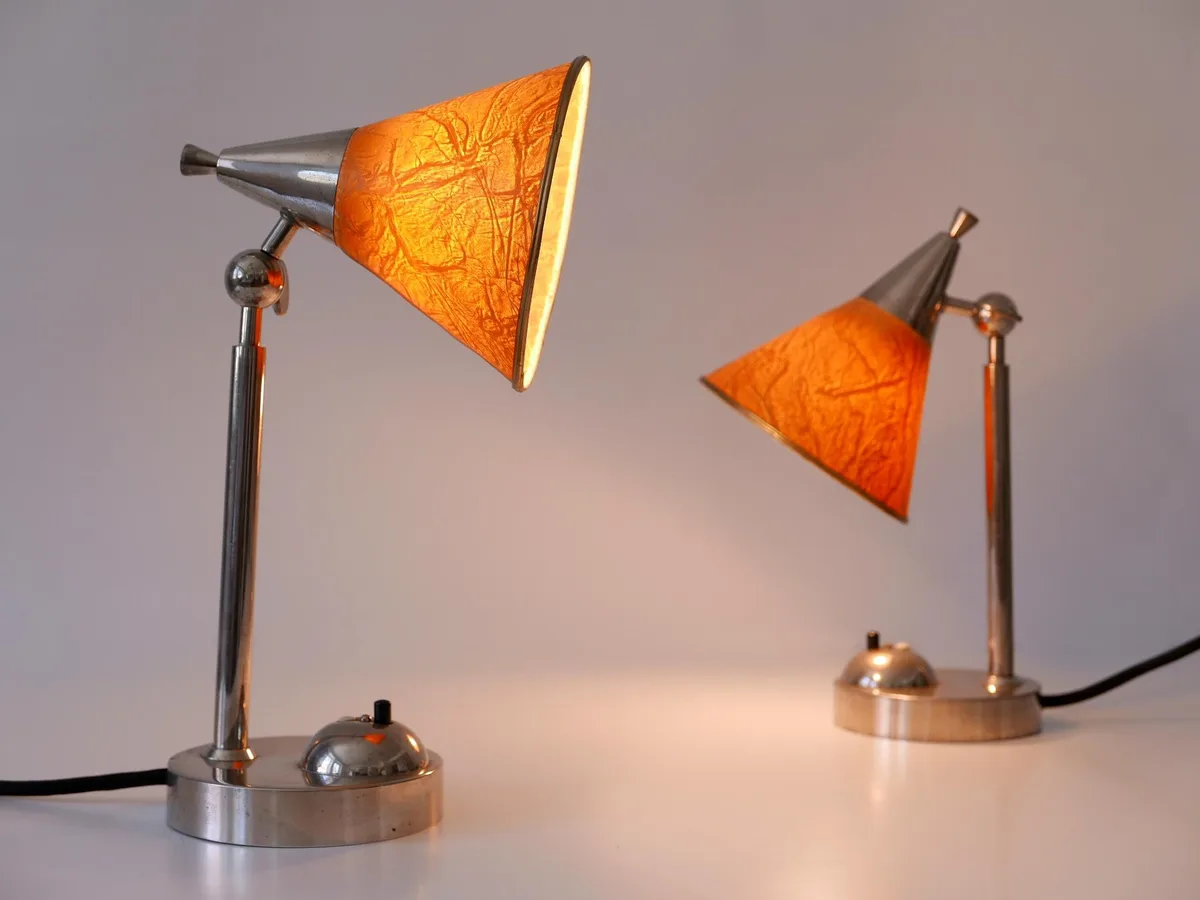
A sculptural sconce does double duty. It provides perfect reading light and serves as a piece of wall art. Look for designs with interesting forms, warm metal finishes (brass, nickel), and opaque or fabric shades that direct light down and out, not into your eyes while lying down.
The placement is key. For reading in bed, the bottom of the sconce shade should be roughly 40-48 inches from the floor. This ensures the light falls on your book, not in your face.
Having two sconces (one on each side of the bed) creates balance and is a hallmark of a professionally designed space.
Step 4: Add Tactile Contrast (This is Where It Gets Cozy)
You have your dark walls and your lit bed. Now, you add the elements that make the room feel lived-in and luxurious: the layers you touch and feel. This is where “moody” transforms into “cozy.” The principle is simple: pair rough with smooth, matte with shiny, nubby with sleek.
If your walls are a smooth, matte paint and your duvet is linen, you need a shag rug, a velvet pillow, and a wool throw. Each new texture reflects light differently and adds a point of sensory interest. It prevents the room from feeling flat or sterile.
The Right Rug Texture for Underfoot
A large area rug is essential. It anchors the bed, defines the space, and adds major texture. In a moody room, you often want a rug that feels plush and inviting.
- High-pile or shag rugs add incredible softness and a sense of luxury.
- Flat-weave or natural fiber rugs (like jute or sisal) add organic texture and contrast against smoother surfaces.
- Patterned rugs with low contrast (like a tonal geometric) can add visual interest without competing.
Ensure the rug is large enough. A good rule is for the rug to extend at least 18-24 inches beyond the sides and foot of the bed. This creates a generous “landing pad” and makes the room feel larger.
Curtains That Frame, Not Flatten
Window treatments are your final major textural layer. Avoid flimsy, sheer curtains. Opt for substantial fabrics with weight and drape.
- Velvet is a classic for moody rooms. It’s luxuriously heavy, blocks light well, and has a soft sheen.
- Heavy linen or canvas provides a more relaxed, organic feel with beautiful, natural texture.
- Blackout-lined curtains in any fabric are a smart choice for a true sleep sanctuary.
Hang them high and wide. Mount the rod close to the ceiling and extend it several inches beyond the window frame on each side. When opened, this allows maximum light in and makes the window appear larger.
When closed, the full, gathered fabric adds a soft, dramatic vertical element to the room. This technique of framing and adding weight is equally effective in other spaces, like a barndominium’s great room.

Step 5: Curate, Don’t Clutter—The Final Accents
This is where a moody modern room either becomes a masterpiece or tips into a thrift store. The guiding principle is curatorial. You’re selecting a few meaningful, high-quality pieces, not filling every surface.
Negative space is your friend. It lets the eye rest and makes each chosen object feel more important.
Think of your nightstands, shelves, and walls as a gallery. You’re placing sculpture, not storage. A stack of two art books with a small ceramic vase on a nightstand is enough.
A single large piece of art on a wall is more powerful than a grid of small prints. This restraint is what separates a sophisticated retreat from a cluttered bedroom.
Art and Mirrors: The Finishing Frames
Artwork should contrast with the wall, not match it. A black and white photograph, a sketch on cream paper, or a painting with a pop of muted color works beautifully against a dark wall. The frame matters.
A thin black frame can get lost. Opt for a light wood, a brushed brass, or a chunky white frame to create a defined border.
Mirrors are functional art. They bounce precious light around the room. A leaning floor mirror with an interesting frame, or a round mirror with a bold outline above a dresser, adds shape and reflection.
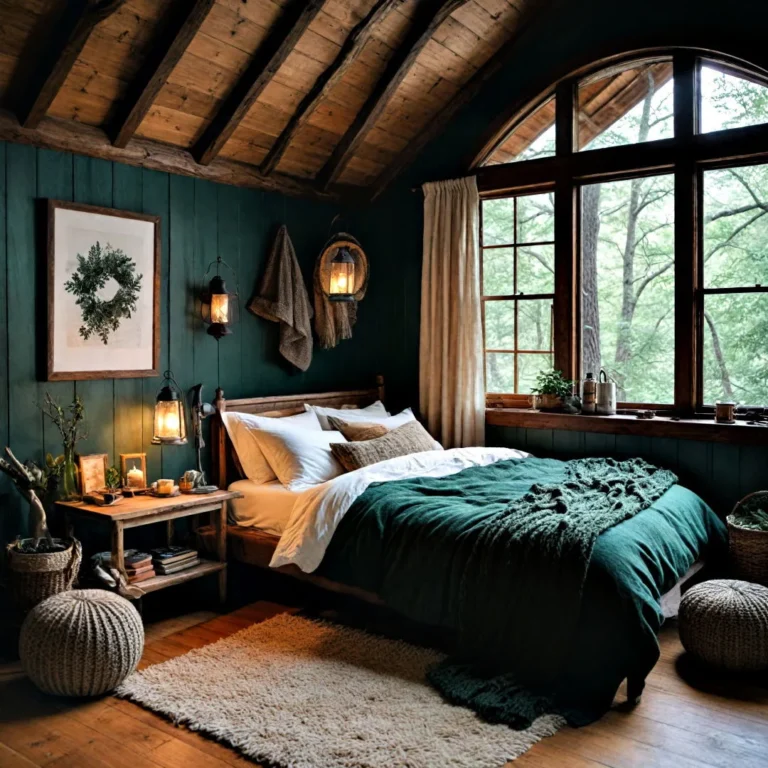
Avoid mirrored furniture or frameless sheets. You want reflection with intention. This curated approach to decor can also work wonders in more rustic spaces, like a cozy cabin-inspired barndominium.
The Rule of Negative Space
Resist the urge to fill every inch. Leave the top of your dresser mostly clear. Have one empty corner.
Let a section of your dark wall remain bare. This visual breathing room makes the room feel calm, intentional, and expensive. It allows the textures and colors you’ve carefully chosen to be the stars.
If you struggle with this, try the “remove one thing” test. After you’ve styled a surface, take one object away. Does it still look good?
It probably does. That object was likely filler. A moody modern room feels complete, not crowded.
The Biggest Visual Mistake: One-Note Darkness
We touched on this earlier, but it’s the pitfall worth its own section. One-note darkness happens when every element shares the same tone, value, and finish. Dark walls, a dark wood bed, a dark rug, and dark bedding create a visual black hole.
There’s nowhere for the eye to go, no point of interest.
The room feels heavy, small, and oddly flat despite the deep colors. It lacks the dynamic energy that makes the style so compelling. This mistake often comes from a fear of “breaking” the moody vibe.
In reality, contrast is what builds the vibe.
The fix is systematic. Review each layer you’ve built and ensure it provides contrast to the layer behind it.
- Walls (Dark) -> Bed Frame (Light or Medium Tone)
- Bedding (Textural, Mixed) -> Rug (Different Pile/Pattern)
- Overall Scheme (Matte) -> Accents (Metallic, Gloss)
If everything is reading as the same dark mass, introduce one clearly light element. A cream sheepskin throw, a pale wood tray, or a white ceramic lamp base can reset the entire visual balance. For another example of using contrast within a dark palette, look at the balance in a moody purple scheme.
Moody Modern vs. Other Dark Styles: A Quick Visual Scan
It’s easy to confuse this style with other popular dark aesthetics. Knowing the visual differences helps you stay on target. Here’s a quick comparison to keep your references clear.
| Style | Key Visual Cues | Best For |
|---|---|---|
| Moody Modern | Clean lines, mixed materials (wood/metal/linen), layered lighting, curated accents. | Someone who wants drama but hates clutter. Loves a calm, hotel-like sanctuary. |
| Dark Academia | Library elements, vintage books, classic art, leather, plaids, mahogany wood. | Someone who wants a scholarly, vintage, and literary vibe. |
| Modern Glam | High-shine metallics (chrome, gold), velvet, mirrored surfaces, crystal accents, lucite. | Someone who wants luxury and sparkle with a contemporary edge. |
| Industrial | Exposed brick/ducts, raw concrete, utilitarian lighting (caged bulbs), black metal. | Someone who wants an urban, unfinished, and rugged look. |
The moody modern style is the most edited and serene of these options. It pulls the cozy darkness from academia and the sleekness from modern design, but leaves the vintage clutter and raw edges behind. If you start adding winged armchairs and globes, you’re drifting into academia.
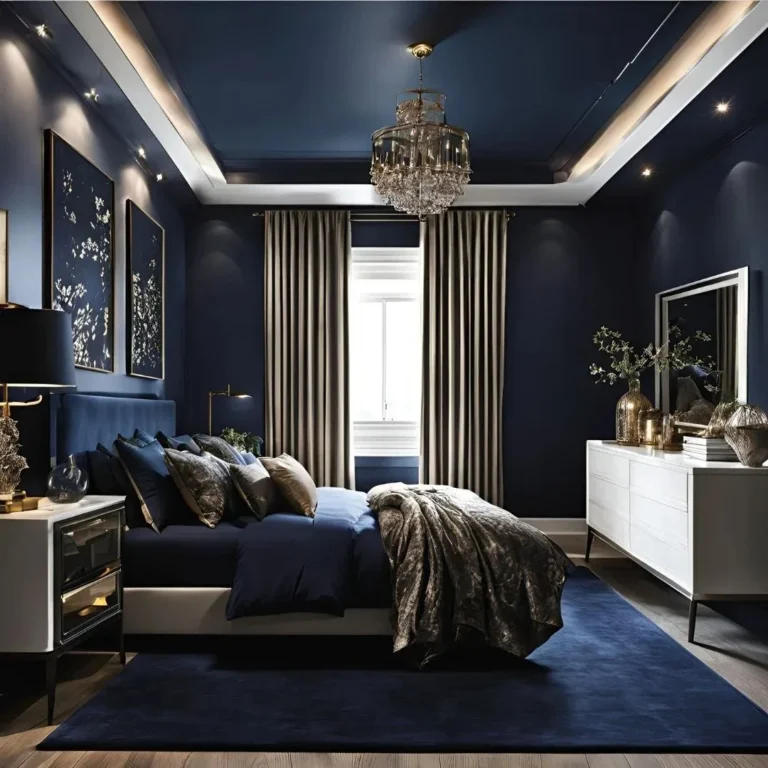
If you add a crystal chandelier and a tufted velvet headboard, you’re leaning into glam.
How Much Does It Cost? (And Where to Invest vs. Save)
You don’t need a limitless budget, but this style rewards investment in key pieces. Splurging in the right areas and saving in others creates a high-end look without breaking the bank. Prices mentioned are based on average retail research as of 2026 for mid-range to high-quality items.
Where to Invest:
- Paint: Don’t cheap out. High-quality, pigment-rich paint ($$$ per gallon) applies better, looks richer, and lasts longer. This is your foundation.
- Bed Frame & Mattress: You interact with these daily. A well-made frame is a decade-long investment. A comfortable mattress is non-negotiable.
- Bedside Lighting: A good sconce or lamp is both art and utility. It’s a focal point you see every day.
- Window Treatments: Custom or high-quality ready-made curtains have the weight and drape that cheap versions lack.
Where to Save:
- Decorative Pillows & Throws: These are easy to find at discount home stores. You can swap them out seasonally.
- Artwork: Don’t buy expensive mass-produced prints. Look for original art at local markets, Etsy, or even frame beautiful pages from a large-format book.
- Rugs: A convincing high-pile synthetic rug can feel as luxurious as wool for a fraction of the cost. Read reviews for softness and durability.
- Nightstands & Dressers: Solid wood is great, but a well-made veneer piece in a good finish works perfectly. IKEA hacks with new hardware are a classic budget move.
A realistic budget for a full room transformation (excluding major furniture like the bed if you already have one) starts around $1,500-$3,000. This covers quality paint, lighting, window treatments, a rug, bedding layers, and key decor accents. The biggest cost saver is patience.
Build the room layer by layer over several months.
Expert Move: The “Five-Texture” Check
Before you call the room finished, do a quick audit. Walk around and count five distinct textures you can see and touch from the center of the room. This is a professional designer’s trick to ensure sensory depth.
Here’s a typical checklist:
- Wall: Matte paint or plaster.
- Bedding: Linen duvet cover.
- Throw: Knit or faux fur.
- Rug: Wool or high-pile synthetic.
- Wood: Nightstand or bed frame.
- Metal: Lamp base or sconce.
- Glass/Mirror: A framed mirror or glass vase.
If you have at least five, you’re golden. If you’re short, add a textured basket for blankets, a ribbed ceramic vase, or a velvet pillow. This simple check guarantees your room won’t feel flat or one-dimensional.
It’s the final seal of a expertly executed design.
Your Pre-Launch Checklist: From Paint to Pillow
Use this list before you relax into your new sanctuary. It ensures you haven’t missed a critical step in the process.
- Paint: Samples tested on multiple walls at different times of day. Final color has an LRV below 50.
- Lighting Plan: Overhead ambient light source installed. Two bedside task lights (sconces or lamps) in place.
- Bed Foundation: Bed frame installed with contrasting tone to walls. Mattress comfortable.
- Bedding Layers: Minimum of three layers (sheet, duvet/comforter, throw) in varying textures.
- Floor Covering: Large area rug under bed, extending 18+ inches on sides and foot.
- Windows: Substantial curtains hung high and wide, on a proper rod.
- Nightstands: Surfaces mostly clear, styled with 1-3 curated objects (lamp, book, small tray).
- Art & Mirror: At least one piece of wall art with a contrasting frame. Mirror placed to reflect light.
- Clutter Audit: No excess “stuff” on surfaces. Negative space is present.
- Texture Count: Five or more distinct textures identifiable in the room.
- Final Lighting Test: All lights on at dusk. The room feels warm, glowing, and inviting, not dark or shadowy.
If you can check every box, you’ve successfully built a moody modern bedroom. It’s a space that feels deliberately designed, deeply comforting, and uniquely yours. The process is a series of intentional choices, but the result is worth every step.
Frequently Asked Questions
Will dark walls make my small bedroom feel smaller?
Not if you do it correctly. Dark colors can actually make boundaries recede, creating a sense of depth. The key is using the dark color on all walls (including the ceiling if you’re bold) to eliminate contrast at the corners.
Pair this with ample, layered lighting to push back the shadows. This makes the room feel like a cozy, enveloping cocoon rather than a tight box.
What’s the best sheen for dark bedroom paint?
Eggshell or satin is the practical choice. These sheens have a slight reflectivity that helps bounce light around, and they are much easier to clean than flat matte. True matte finishes offer the purest, richest color but can be difficult to maintain.
If you love the matte look, invest in a high-quality scrub-resistant matte paint.
Can I do a moody modern bedroom on a rental budget?
Absolutely. Focus on renter-friendly layers. Use removable wallpaper or temporary wall panels on one accent wall.
Invest in your bedding, a large rug, and plug-in lighting. Your furniture and decor can all come with you when you move. The core principle of texture and light layering doesn’t require permanent changes.
Is it okay to mix metal finishes in this style?
Yes, mixing metals adds depth. The rule is to keep it to two, maybe three, finishes and repeat them. For example, use brushed brass for your sconces and lamp bases, and polished nickel for your curtain rod and cabinet hardware.
Avoid using every finish once. Repetition creates cohesion.
How do I keep the room from feeling too masculine?
Moody modern is a neutral style. To soften it, incorporate curved shapes (a round mirror, an oval nightstand), plenty of soft textiles (linen, velvet), and organic materials (wood, stone, ceramic). You can also introduce a softer color into the palette, like a dusty rose or a sage green, as an accent.
For specific inspiration, our guide on moody pink bedrooms shows how to blend warmth with drama.
What if I have poor natural light in my room?
Poor natural light makes the lighting plan even more critical. You’ll rely entirely on your artificial layers. Ensure you have a strong ambient light source, like a bright-but-diffused ceiling fixture or multiple floor lamps.
Then double down on task and accent lights to create pools of warmth. Avoid cool white bulbs. Stick to warm white (2700K-3000K) to mimic sunlight and keep the space inviting.
The article already includes a comprehensive FAQ section, which serves as a natural conclusion for an informational guide of this type. Adding more sections would be counterproductive and would push the article even further beyond the allowed scope. The piece is complete.