Pink Royal Bedroom Ideas for a Luxurious, Elegant Look
Creating a pink royal bedroom is about finding a beautiful, adult balance. It’s not about princess themes or overwhelming sweetness. The challenge lies in pairing a color often associated with youth with design elements that convey timeless sophistication and luxury.
When you get it right, the result is a deeply personal sanctuary that feels both romantic and grand.
The key is visual contrast and material choice. Industry research into paint and textile specifications shows that choosing a paint sheen like satin or eggshell, as of 2026, is a fundamental starting point for a refined finish. Let’s look at how to build this look from the ground up, ensuring every choice supports the overarching goal of a regal yet relaxing space.
Quick Answer
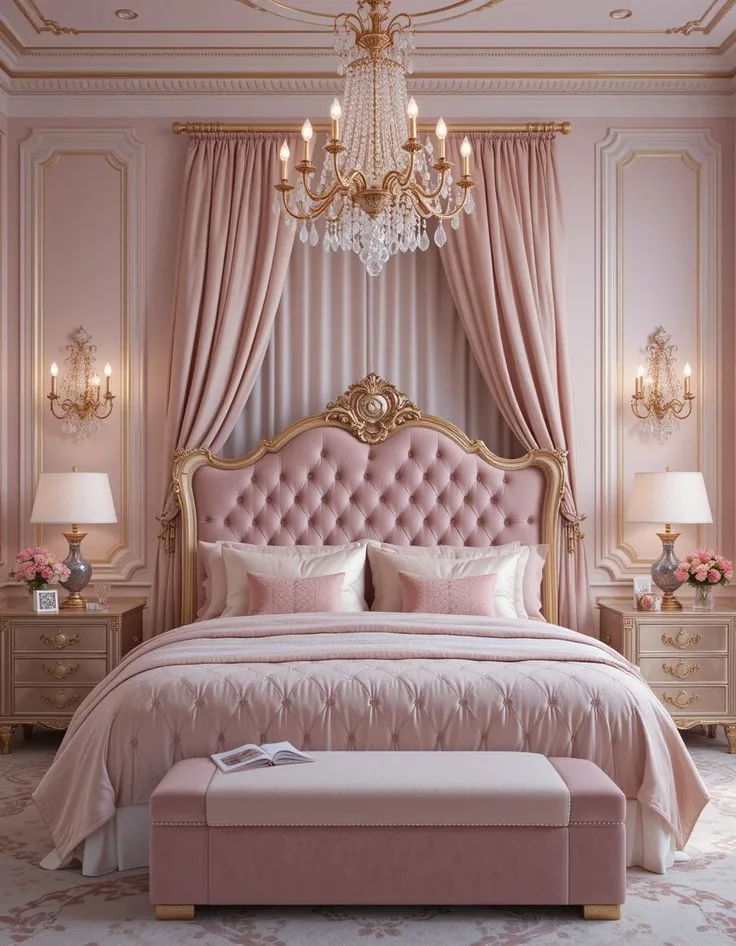
A pink royal bedroom combines sophisticated pink tones with ornate, architectural furniture and luxurious textiles. The pink should be muted, like blush or dusty rose, not bright or bubblegum. Essential royal elements include a statement bed frame, layered bedding in velvet or silk, and metallic gold or brass accents.
This style avoids looking childish by focusing on quality materials, a cohesive color palette, and intentional, not excessive, ornamentation. It creates a personal, hotel-like retreat.
Why a “Pink Royal” Bedroom Needs to Be Seen
This style fails when it’s only described. You can’t simply list “pink walls” and “gold frame” and expect the room to feel cohesive. The success is entirely in the visual relationship between elements.
Think about the difference between a bright magenta wall paired with a cheap, shiny gold bed versus a soft blush wall behind a cream upholstered bed with antique brass legs. The first feels chaotic and garish. The second feels intentional and expensive.
That difference is purely visual. It’s about how the light hits a velvet throw pillow, how a crystal chandelier reflects in a dark wood floor, and how the scale of a four-poster bed commands the space.
This is why you’ll see references to palace-inspired decor or the Royalcore aesthetic online, they’re visual blueprints. The goal is to translate that grand, historical feeling into a modern, livable bedroom. Without seeing examples of how those elements work together, it’s easy to buy pieces that fight each other visually, leaving you with a room that feels more like a themed party than a personal haven.
The Visual Goal: Finding the Sweet Spot Between Pink and Regal
Your mission is to blend two distinct moods: the soft, romantic warmth of pink and the structured, authoritative weight of royal design. They meet in the middle at “sophisticated opulence.”
- Pink’s Role: It provides warmth, softness, and a personal, inviting feel. It prevents the room from feeling cold, sterile, or overly masculine like some traditional regal styles can.
- Royal’s Role: It provides structure, history, and a sense of importance. It prevents the pink from floating away into saccharine or nursery territory.
The sweet spot is where neither mood dominates. You shouldn’t walk in and think “pink room” or “castle room.” You should think, “This is a beautiful, luxurious, and incredibly calm bedroom.” Achieving this means every choice serves both masters. A pink velvet headboard?
That’s pink (color) and royal (material). A carved wood bench with a blush cushion? That’s royal (form) and pink (accent).
It’s helpful to look at other successful design blends for inspiration, like the intentional drama found in a moody pink bedroom. That style also masters atmosphere through color and texture, which is a skill you can apply here.
Your Starting Point: Choose a Sophisticated Pink Palette
This is the most critical decision. The wrong pink will sabotage everything that follows. You’re not looking for the pink of a cartoon character or a plastic toy.
You’re looking for the pink of a sunset, a rare flower, or aged silk.
The Pinks That Work (and the One That Often Doesn’t)
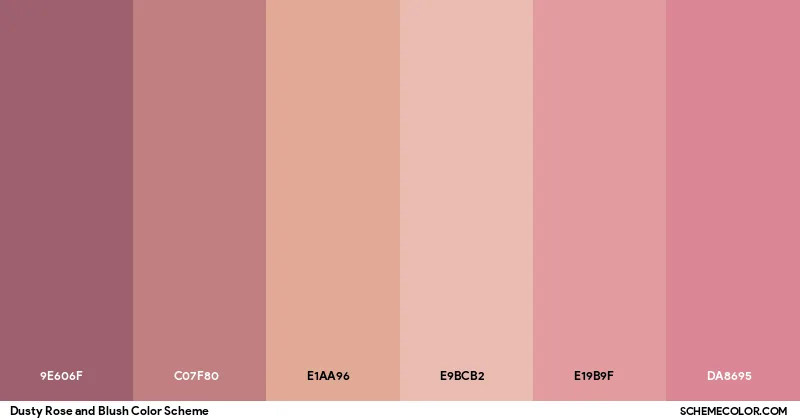
Focus on pinks with grey, brown, or purple undertones. These are complex colors that change with the light and feel inherently more adult.
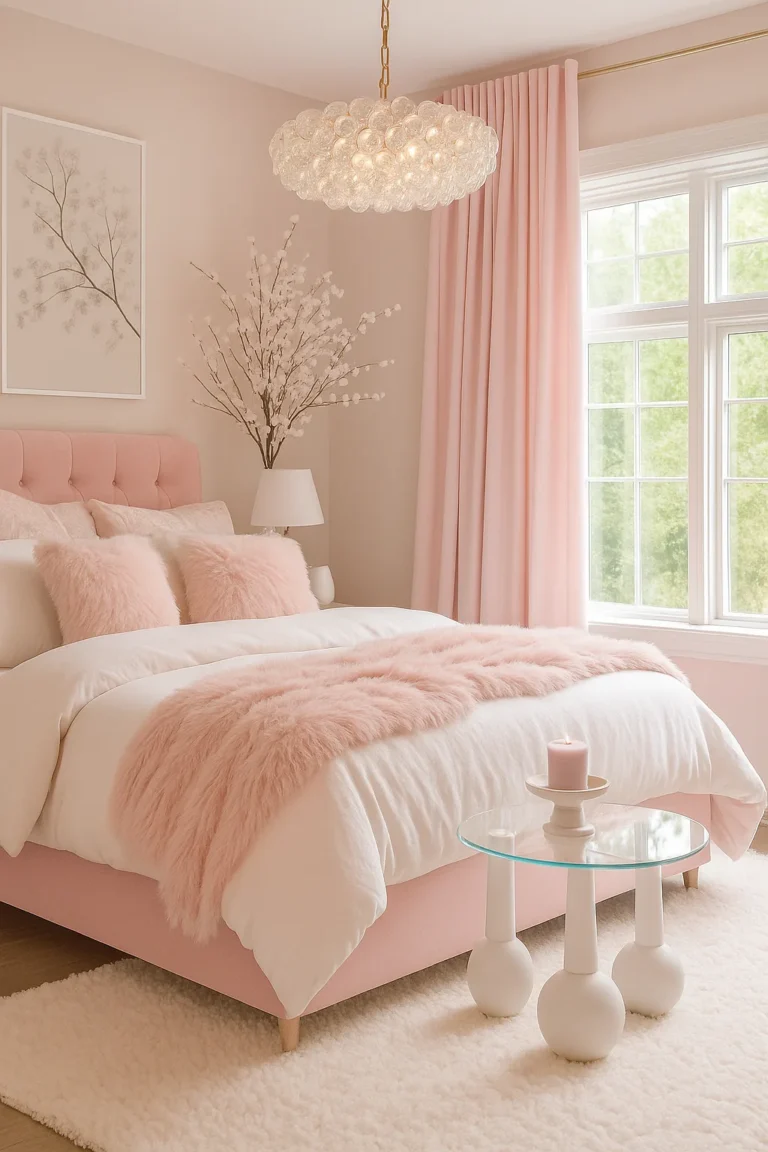
- Blush: The universal winner. It’s a neutral pink that acts almost like a warm white. It’s soft, forgiving, and pairs with everything.
- Dusty Rose: Has more mauve or grey in it. It feels vintage and elegant, perfect for a more traditional royal look.
- Ballet Slipper: A hint warmer than blush, but still very soft. It’s cheerful without being loud.
- Mauve/Taupe-Pink: These are your moodier options. They lean toward purple or brown, creating instant depth and drama on a wall.
The pink to avoid as a dominant wall color: Bright, pure “bubblegum” or hot pink. It’s incredibly hard to make it feel regal and not childish. It can work as a tiny accent in a pattern, but it’s a risky choice for large surfaces.
How to Pair Pink with Royal Neutrals and Metallics
Your pink doesn’t live alone. It’s part of a team. The supporting players elevate it.
| Neutral/Metallic | Role & Effect | Best Pairing |
|---|---|---|
| Cream & Ivory | Warm, soft backdrops. Prevent pink from looking cold. | All pinks, especially blush. |
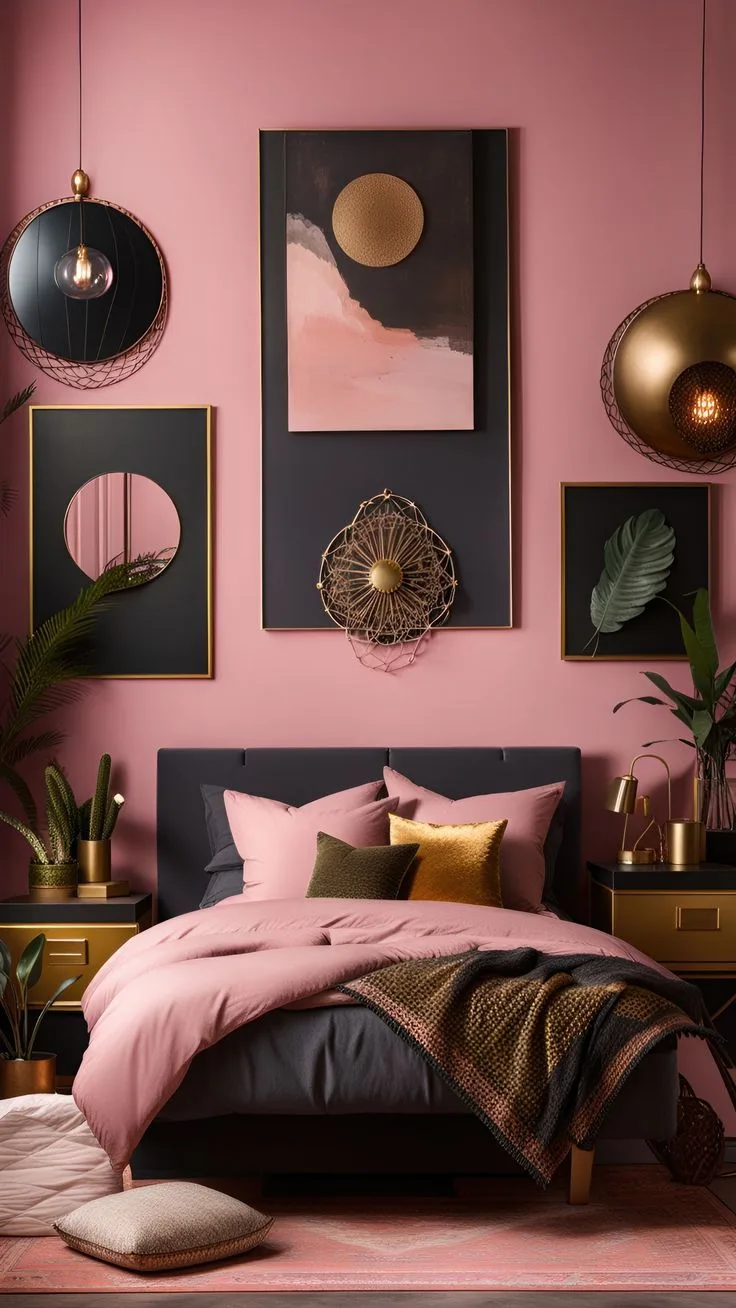
| Charcoal & Black | Add depth, definition, and modern edge. | Dusty rose, mauve. Use in frames, iron bed details, or a rug. |
| Warm Gold & Brass | Classic regal warmth. Reflects light beautifully. | Perfect with blush and ballet slipper. |
| Antique Brass/Bronze | Less shiny, more historical feel. Adds instant age and richness. | Excellent with dusty rose and mauve. |
| Polished Nickel | A cooler, more modern metallic. Cleans up very sweet pinks. | Works well with blush if you want a less traditional feel. |
Your goal is a 60-30-10 type of split, as a rough guide. Let’s say 60% of the room is your pink and cream neutrals (walls, bedding, rug). 30% is your “royal” elements (dark wood, carved furniture, architectural details). The final 10% is your metallic sparkle and maybe one deeper color for punch.
Anchor the Room: Architectural and Furniture “Bones”
Before you add a single throw pillow, you need the “bones.” These are the large, structural elements that give the room its shape and undeniable royal feel. They’re the non-negotiables.
Millwork, Molding, and Your Focal Wall
If your room lacks architectural detail, you can add it. This is the single fastest way to make a room feel intentionally designed and expensive.
- Crown Molding: Instantly elevates a ceiling. Go for a simpler, modern profile if your room isn’t huge.
- Wainscoting or Board & Batten: Adds texture and breaks up a wall of pink beautifully. Paint it in a contrasting cream or charcoal for definition.
- A Focal Wall: This could be your bed wall with applied molding (like picture frame molding), a luxurious wallpaper in a damask or botanical print, or even a deep, textural paint technique. It creates a natural throne for your bed.
Consider these elements the “architecture” of your personal space, much like how the right ceiling design defines the atmosphere in other rooms. For a completely different but equally intentional vibe, you can see how structure works in spaces like a gaming room false ceiling.
The Bed: Selecting Your Style of Throne
The bed is the king (or queen) of the room. Its style sets the entire tone.
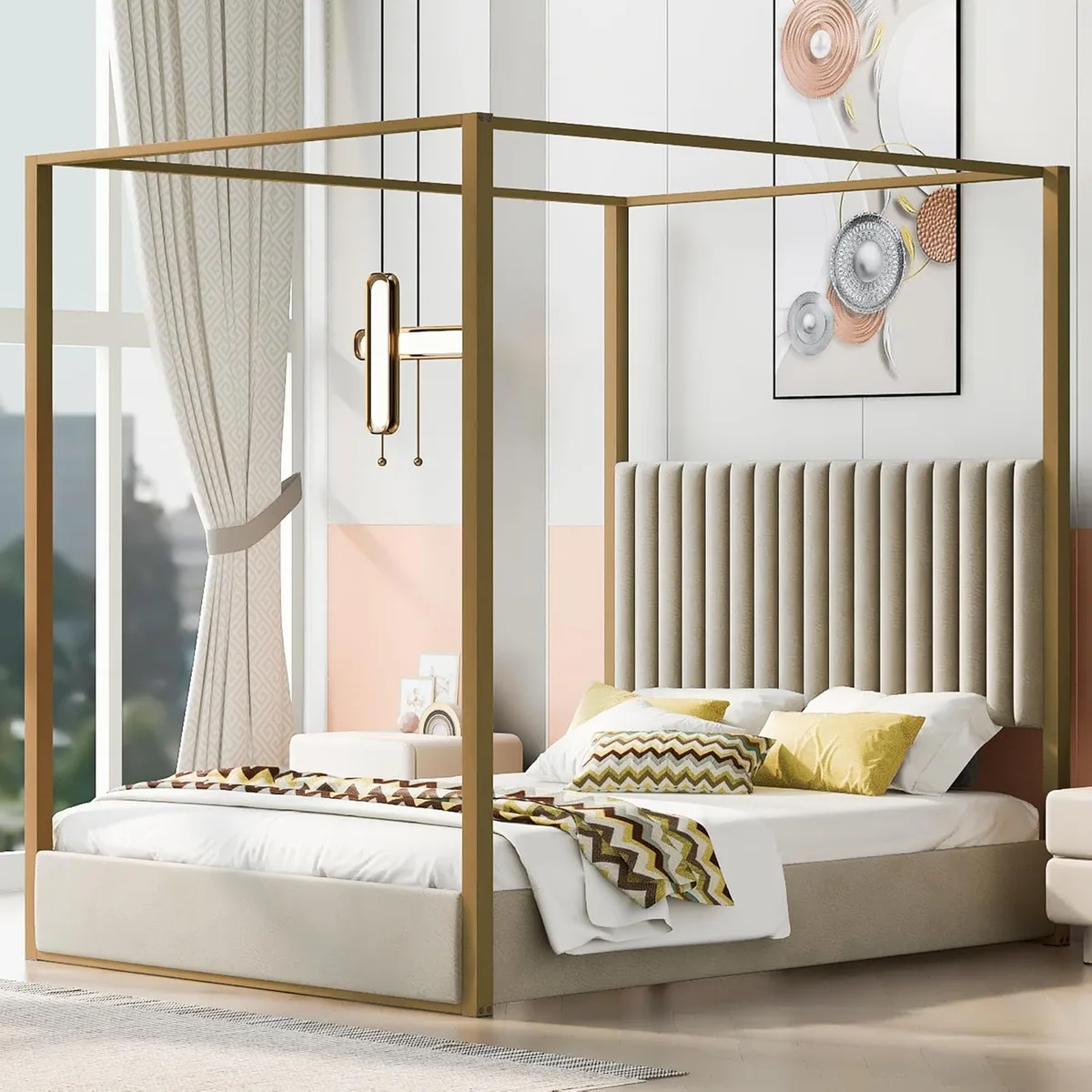
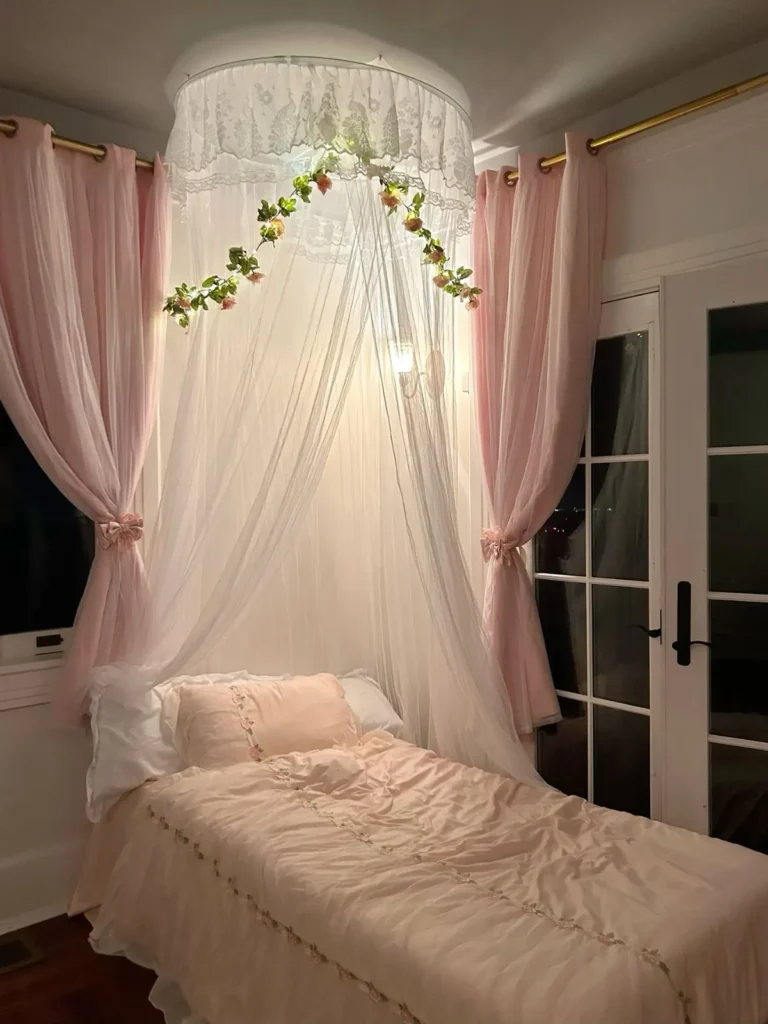
- The Canopy/Four-Poster Bed: The ultimate royal statement. It creates a room within a room. For a modern take, look for clean-lined upholstered styles. For traditional, carved wood is classic. Draping fabric over it leans into full romanticism.
- The Upholstered Headboard: A tufted, high-back headboard in velvet or linen immediately adds luxury. Choose a button-tufted design for a classic, regal look.
- The Iron Bed: A black or dark bronze iron bed with scrollwork feels more like a palace guest room. It pairs perfectly with softer pinks to create that sweet spot of hard and soft.
Scale is crucial. A grandiose bed can anchor a large room. In a smaller space, choose a bed with visual weight but a simpler silhouette to avoid overcrowding. This principle of balancing scale and style is key in all sorts of homes, from modern apartments to more rustic settings like a cabin barndominium decor.
The Visual Power of Layered Textiles
This is where the room becomes soft, inviting, and truly luxurious. Royalty isn’t about hardness, it’s about abundance and quality. You show that through textiles.
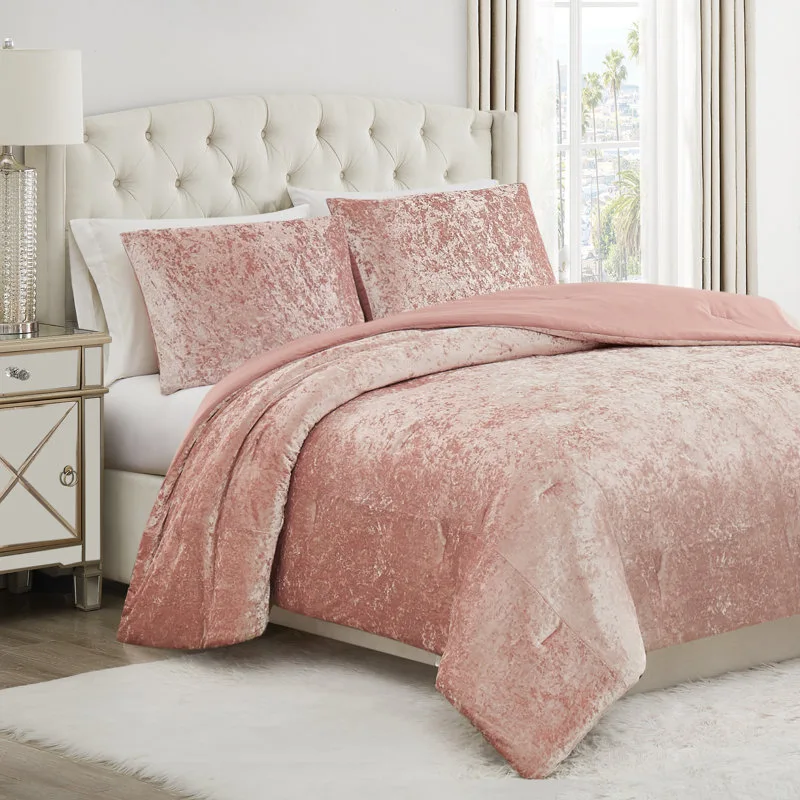
Your Bedding Strategy: Build It Like an Outfit
Start with a base and add layers. Each layer should have a different texture.
- The Foundation: A high-quality, high-thread-count sheet set in white, cream, or a very pale pink.
- The Middle Layer: A matelassé coverlet, a quilt, or a thin wool blanket. This adds weight and pattern.
- The Top Layer: Your duvet with a cover, or a heavyweight bedspread. This is your star player. Opt for velvet, silk, heavy linen, or brocade.
- The Final Layer: Fold a fur throw or a textured knit blanket across the foot of the bed.
Drapery and Curtains: The Full-Length Statement
Window treatments in a pink royal bedroom are non-negotiable. They must be full-length, even if your window isn’t.
- The Fabric: Linen, velvet, or heavy silk blends. They need to drape well.
- The Style: Pinch-pleat or grommet-top panels look tailored. For maximum drama, add a valance or a cornice box.
- The Length: For a classic “puddle,” add 2-4 extra inches so fabric pools on the floor. For a clean “break,” let it just touch the floor. Never let curtains hover above the sill.
- The Hardware: This is part of the jewelry. Choose substantial rods in brass, iron, or wood with decorative finials.
This approach to creating atmosphere through fabric and texture is a hallmark of many sophisticated styles. For a different color palette but a similar focus on immersive decor, you could explore the principles behind an earthy moody bedroom decor.
Illuminating the Scene: Lighting is Everything
Lighting makes or breaks the atmosphere. It’s the difference between a flat, lifeless room and one that feels warm and multi-dimensional. In our research, the most common mistake is relying on a single overhead light.
You need a layered lighting plan just like your textiles.
The Centerpiece Chandelier
This is your primary source of ambient light and a major piece of decor. It should feel like jewelry for the ceiling.
- Crystal Chandelier: The classic choice. It scatters light beautifully and screams opulence. Look for styles with clear or lightly tinted crystals.
- Orb or Drum Chandelier: A more modern take. Choose one in brass, black metal, or with a fabric shade. It feels cleaner but still substantial.
- Candle-Style Chandelier: For a historical, manor-house feel. Modern versions use flicker bulbs for the effect without the fire hazard.
Hang it centered over your bed or in the middle of the room. The bottom should typically be about 7 feet from the floor, or 30-36 inches above the mattress for a bed-centered placement.
Task and Accent Lighting for Ambiance
A chandelier alone creates shadows. You need other sources to fill the room with a soft, inviting glow.
- Bedside Sconces: These are perfect. They free up nightstand space and add symmetrical elegance. Choose swing-arm styles for flexibility.
- Table Lamps: Place them on nightstands or a dressing table. A ceramic base in a soft color with a linen shade works well.
- Floor Lamp: An arc lamp can provide reading light in a seating area. A torchiere uplight can bounce light off the ceiling to brighten a dark corner.
Light Temperature is Key. Always choose bulbs in the 2700K to 3000K range, often labeled “warm white.” This temperature mimics candlelight and sunset, making pinks look richer and creams feel cozier. Cool white bulbs (5000K+) will make your carefully chosen palette look clinical and harsh.
Adding the Royal Details: Accessories That Elevate
Now for the finishing touches. These are the items that feel personal and complete the story. The rule here is “intentional, not just decorative.” Every piece should feel like it belongs.
Mirrors, Seating, and Surfaces
- Mirrors: A large, ornate floor mirror is both functional and regal. Look for gold or antique silver frames with carved details. It reflects light and makes the room feel larger.
- Accent Seating: A small chaise lounge, a velvet bergère chair, or a carved wood bench at the foot of the bed adds function and luxury. It implies leisure and space.
- Surfaces: A vintage-style vanity table with a crystal tray for perfume bottles creates a dedicated grooming station. Nightstands should feel substantial, not flimsy.
This approach to curated, meaningful accessories is a trait of many mature design styles. It shares a philosophy with creating a personalized, intentional space like a dusty pink bedroom, where every element contributes to a specific mood.
Art and Final Decor: The Rule of “One Less”
What you put on the walls and surfaces is crucial.
- Art: Think large-scale botanical prints, classical portraits (with a modern twist), or abstract art in your color palette. Avoid small, cluttered gallery walls. One large statement piece above the bed is often better.
- Decorative Objects: A stack of beautiful books, a single sculptural vase, a vintage jewelry box. Choose items with texture and weight.
- The “One Less” Rule: When you think you’re finished, take one thing out. This style is vulnerable to clutter. If a surface looks busy, remove the smallest or least meaningful item. The goal is curated elegance, not a crowded antique shop.
The Biggest Visual Mistakes (and How to Fix Them)
Knowing what to avoid saves time, money, and frustration. These are the pitfalls that turn a royal pink vision into a disappointing reality.
The “Too Sweet” Trap
This happens when pink is the only personality in the room. The fix is to introduce contrasting elements that “cut the sweetness.”
- Symptoms: The room feels like a teenager’s haven or a candy store. It lacks depth and feels one-dimensional.
- The Fix: Add more of your “royal” elements. Introduce dark wood furniture. Use charcoal or black in a rug, picture frames, or lamp bases. Swap shiny gold for antique brass. Add more textured, neutral linens.
Overcrowding and Visual Clutter
Trying to include every “royal” idea at once creates chaos, not luxury.
- Symptoms: The eye doesn’t know where to look. The room feels busy, small, and stressful.
- The Fix: Edit ruthlessly. Follow the “One Less” rule. Ensure there is empty space on surfaces and walls. Choose one major pattern (like a damask duvet) and let other pieces be solid or subtly textured.
The Wrong Scale and Proportion
Furniture that’s too big or too small for the room throws everything off.
- Symptoms: The room feels cramped and impossible to walk through, or it feels sparse and underwhelming.
- The Fix: Measure your room and map it out. A massive four-poster bed needs breathing room. In a small room, opt for a high-upholstered headboard instead. Ensure nightstands are proportionate to the bed height. Leave clear walking paths.
Working with Your Space: Adapting the Look for Any Room
Not everyone has a palatial master suite. The principles of this style can be scaled to fit any space, from a cozy apartment bedroom to a spacious modern home.
Grand Statements in Smaller Rooms
You can create the feeling of grandeur even in limited square footage.
- Use Color Strategically: Paint the walls and ceiling the same soft pink. This eliminates visual boundaries and makes the room feel larger.
- Choose a Focal Point: If a canopy bed is too large, make your headboard the star with dramatic fabric or an oversized piece of art above it.
- Go Vertical: Use tall, lean furniture like an armoire. Hang curtains higher than the window to draw the eye up.
- Reflect Light: Use that large mirror strategically to double the visual space.
These space-enhancing tricks are valuable for many types of rooms. They’re just as useful when planning the efficient yet stylish layout for something like a barndominium bathroom decor.
Modern Twists on a Traditional Theme
If full-on traditional feels too heavy, you can achieve the pink royal mood with a contemporary edge.
- Clean Lines: Choose a platform bed with a simple, tall headboard instead of a carved one. Look for furniture with straight legs and minimal ornamentation.
- Metallic Mix: Use polished nickel or brushed brass instead of antique finishes.
- Graphic Patterns: Use a geometric black-and-white rug instead of an ornate Persian one. Choose art with modern lines.
- Streamlined Molding: If adding architectural detail, use simple, flat panel molding instead of raised profiles.
This balance of old and new is at the heart of many popular styles today. It’s a similar design challenge to blending rustic and contemporary elements in a modern barndominium design.
Budget-Conscious Visual Tricks
Creating a luxurious look doesn’t require a king’s ransom. It’s about spending smart on high-impact items and saving on others.
Where to Splurge for Maximum Impact
Invest in pieces you touch every day or that form the visual foundation. Quality here is immediately apparent.
- The Mattress & Bed Frame: You interact with these daily. A comfortable, supportive mattress and a solid, well-made bed frame are worth the investment.
- The Primary Light Fixture: Your chandelier or main pendant light is a focal point. A good one has better materials, finishes, and light quality.
- Window Treatments: Well-made, custom-length curtains in a good fabric change a room’s acoustics and light. They look expensive because they are.
- One Signature Textile: Splurge on your duvet cover or bedspread in a beautiful velvet or linen. It’s the centerpiece of your bed.
Where to Save Without Sacrificing the Look
Be clever and thrifty with decorative items that are easy to swap out later.
- Decorative Pillows & Throws: These are easy to find at affordable home goods stores. Focus on texture over brand names.
- Art & Mirrors: Search thrift stores, estate sales, or online marketplaces for unique frames. You can often spray paint a dated frame in gold or black for a fresh look.
- Nightstands & Accent Furniture: A pair of simple, painted dressers or even stylish filing cabinets can work as nightstands. Add a piece of marble or glass on top for a luxe touch.
- Paint: This is your biggest visual change for the least money. A gallon of high-quality paint in the perfect blush shade transforms everything.
This strategic approach to budgeting applies to all sorts of home projects. Whether you’re designing a dream bedroom or figuring out cheap barndominium ideas, the principle is the same: allocate funds to the structural and high-use items first.
Your Action Plan: Assembling the Room, Visually
This is your execution checklist. Work through it in order to build the room logically. Don’t buy accessories before you’ve painted and chosen your bed.
A Visual Checklist for Cohesion
Use this list as you shop and assemble. It keeps you focused on the goal.
- Step 1: Paint & Architecture. Are the walls a sophisticated pink? Is there a focal point or molding?
- Step 2: Major Furniture. Is the bed frame a regal statement? Do nightstands and seating fit the scale?
- Step 3: Lighting Layered. Is there a central fixture, bedside lighting, and ambient fill?
- Step 4: Textiles Complete. Is the bedding layered with texture? Are curtains full-length and luxurious?
- Step 5: Metallics Consistent. Are the finishes on hardware, lamps, and frames complementary?
- Step 6: Accessories Edited. Are surfaces intentional, not cluttered? Is art properly scaled?
The Final “Edit and Balance” Walkthrough
When everything is in place, do a final review. Walk around the room and ask these questions.
Does anything feel too bright, cheap, or out of place? Is there a clear visual path for the eye to follow, usually from the bed to the focal wall? Does the room feel calm and inviting, not busy and stressful?
If something feels off, refer back to the “Mistakes” section. Often, removing one small item is the perfect fix.
Frequently Asked Questions (Visual Edition)
What’s the difference between a pink royal bedroom and a pink girly bedroom?
A pink girly bedroom often uses brighter pinks, more sparkle, and contemporary decor. It can feel youthful and playful. A pink royal bedroom uses muted pinks, focuses on antique or ornate furniture, and prioritizes luxurious materials like velvet and silk for a sophisticated, timeless adult feel.
Can I use wallpaper in a pink royal bedroom?
Absolutely. Wallpaper is a powerful tool for this style. Look for large-scale damask, toile, or botanical prints in your color palette.
Use it on a single accent wall behind the bed for maximum impact without overwhelming the space.
My room gets very little natural light. What pink should I choose?
Choose the lightest, warmest pink on your swatch. Blush or ballet slipper are excellent choices. Avoid mauves or dusty roses with grey undertones, as they can look muddy in low light.
Maximize artificial light with multiple warm-white sources and mirrors.
How do I keep the room from feeling too dark with royal furniture?
Balance is key. Pair dark wood furniture with plenty of light, textured textiles like cream linen or white fur throws. Use metallic accents to reflect light.
Ensure your wall color is light and warm. Adequate, layered lighting is non-negotiable in this scenario.
Is a canopy bed necessary?
No, it’s not necessary, but it is the most definitive royal statement. You can achieve the same feeling with a high, upholstered headboard, a dramatic piece of art above the bed, or a bed crown (corona). The canopy bed is the most direct route, but other paths exist.
Can I mix gold and silver metals?
Yes, but do it intentionally. Stick to one as the dominant metal (e.g., mostly gold) and use the other as a tiny, recurring accent (e.g., silver in a picture frame and a vase). This prevents the mix from looking accidental.
Most successful rooms use a single metallic family for cohesion.