Barndominium Bathroom Decor: Rustic Ideas for a Modern, Relaxing Space
Designing a barndominium bathroom decor is a different beast from a standard home project. You're not just picking a paint color; you're blending the raw, industrial soul of the building with the comfort of a modern retreat. It's about finding that perfect sweet spot where rugged textures meet clean lines, creating a space that feels both authentic and intentionally designed.
Get it right, and you have a stunning, unique sanctuary that truly honors the barndominium's character.
Our research into building codes and manufacturer specifications highlights one non-negotiable starting point: moisture management. The International Residential Code (IRC) mandates specific ventilation requirements for bathrooms to prevent mold and structural damage, a critical consideration when using natural materials like wood. Balancing this practical need with your aesthetic vision is the key to a successful design.
Let's break down how to build that vision from the ground up.
Quick Answer
Barndominium bathroom decor blends rustic and industrial elements for a unique look. Focus on a core material palette of reclaimed wood, concrete, and black metal fixtures. Ensure all materials are properly sealed for moisture resistance.
Avoid clutter by balancing these strong textures with clean, modern lines and strategic lighting. This approach creates a cohesive space that feels both rugged and refined.
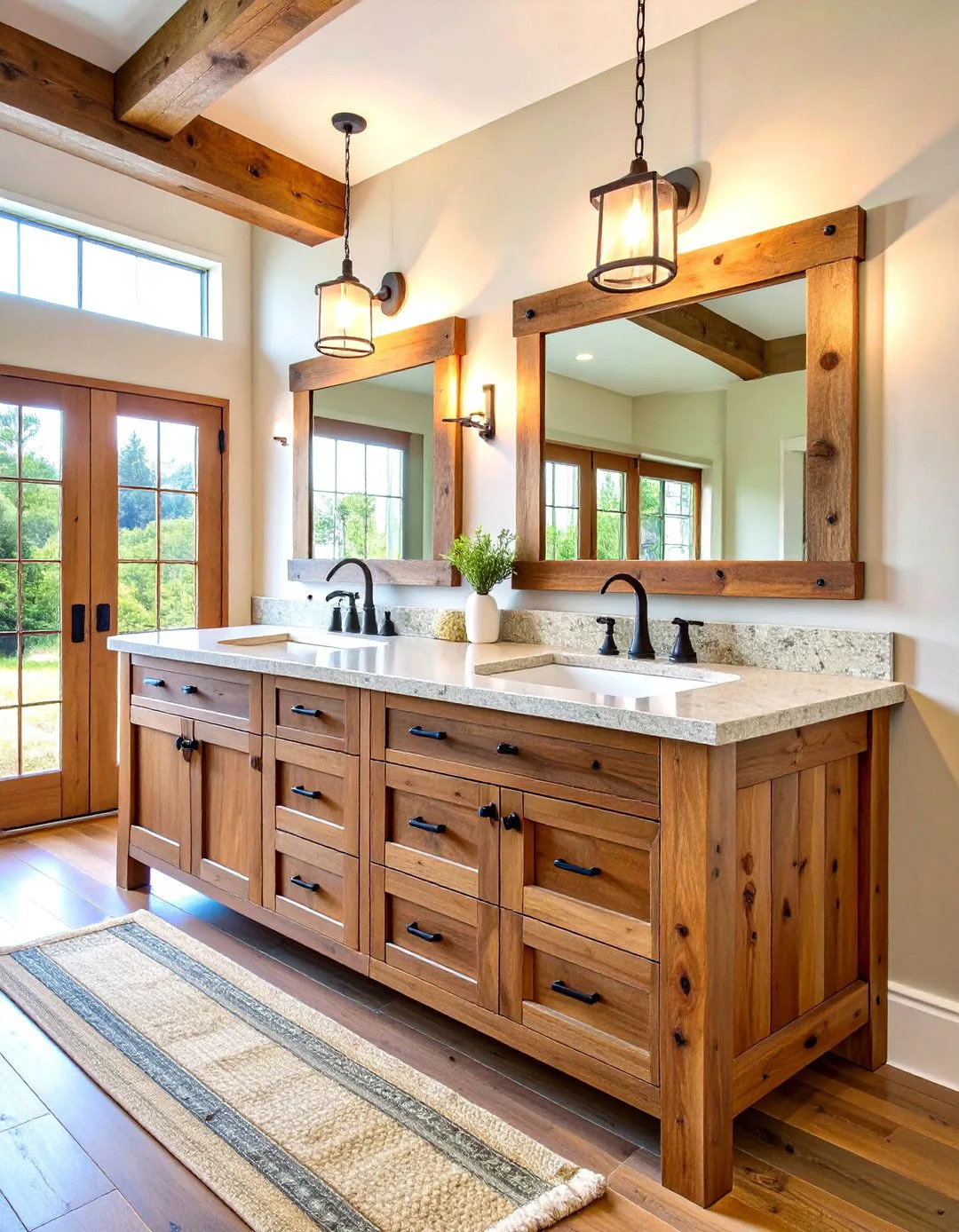
Image source: Web (Bing) / oursecondhandhouse.com (Web image (fair-use with source credit))
Why "Barndominium Bathroom" Is a Different Design Animal
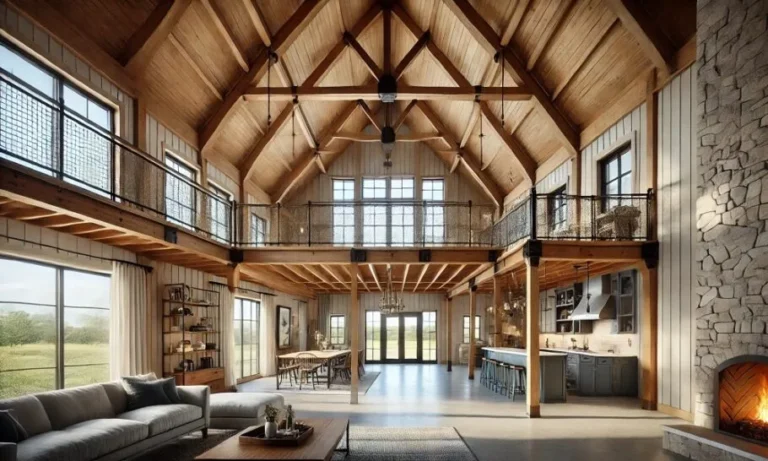
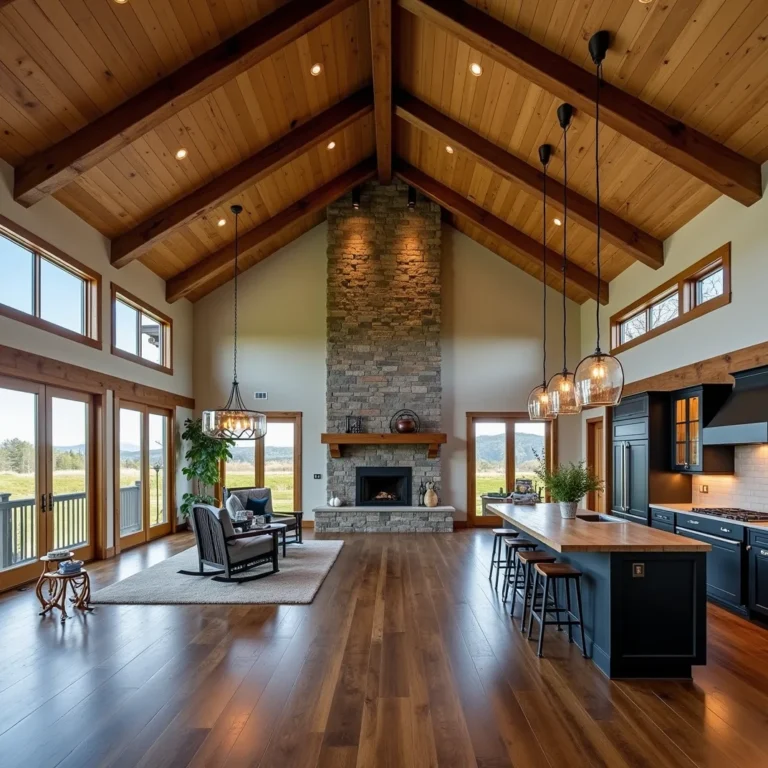
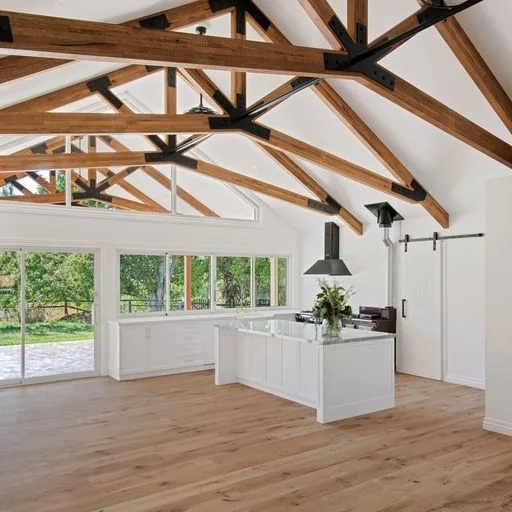
A standard bathroom design playbook doesn't work here. The architecture itself dictates the rules. You're typically working with much higher ceilings, often soaring to 12 feet or more, and an open-concept floor plan that flows into the rest of the home.
This scale changes everything about how you choose fixtures, plan lighting, and create a sense of intimacy.
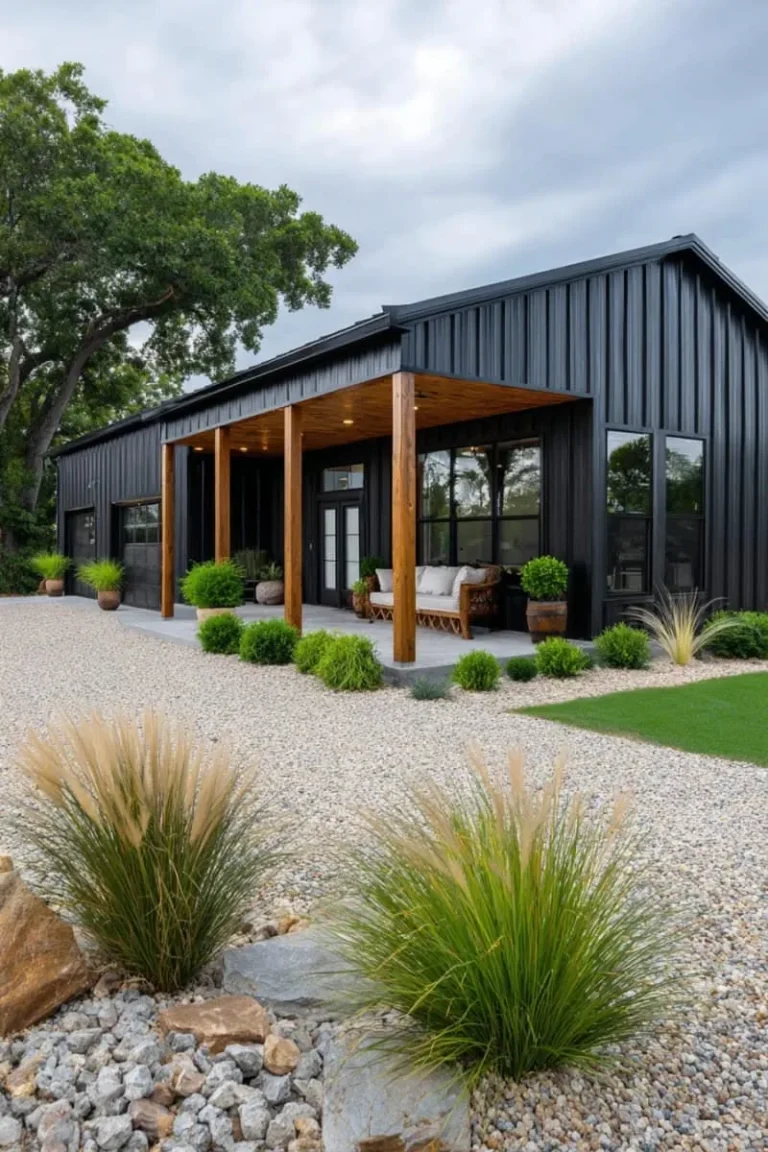
The goal isn't to hide the building's origins but to celebrate them. That means embracing an industrial farmhouse style rather than fighting it. Exposed structural elements, like steel beams or unfinished wood, aren't problems to solve; they're your starting point for the entire design.
Your job is to soften those edges with comfort and functionality, not cover them up completely.
Your Visual Guide to the Signature "Rustic Industrial" Look
Think of this style as a conversation between two distinct voices. The "rustic" voice brings warmth, history, and organic texture. The "industrial" voice adds strength, sleekness, and a touch of mechanical honesty.
When they work together, the space feels balanced, interesting, and deeply personal.
The easiest way to understand this balance is to see it. A successful design will show clear, intentional contrasts:
- Rough vs. Smooth: A live-edge wood vanity top paired with a sleek, matte black faucet.
- Warm vs. Cool: The warm tones of reclaimed wood on a wall next to the cool, gray finish of concrete floor tiles.
- Old vs. New: An antique mirror frame hanging above a contemporary vessel sink.
This visual tension is what makes the style so compelling. It prevents the room from feeling like a sterile factory or a dusty barn, instead creating a lived-in, curated atmosphere.
Start Here: Defining Your Texture & Material Palette
Your material choices are the foundation of everything. Getting this palette right is more important than any single fixture you pick. You need to select elements that are not only visually appealing but also durable enough for a wet environment.
The three core materials you'll build around are:
- Reclaimed Wood: This is your primary source of warmth and character. Use it for vanities, accent walls, open shelving, or ceiling beams. Look for wood with a visible history, nail holes, saw marks, and variations in color tell a story.
- Concrete: This is your industrial anchor. It works for countertops, sink basins, floor tiles, or even a poured shower base. Its cool, monolithic presence grounds the space and provides a smooth contrast to rough wood.
- Metal (Matte Black): This is your unifying detail. Matte black finishes on faucets, showerheads, exposed pipework, and light fixtures tie the room together. It's modern without being shiny, and it complements both wood and concrete perfectly.
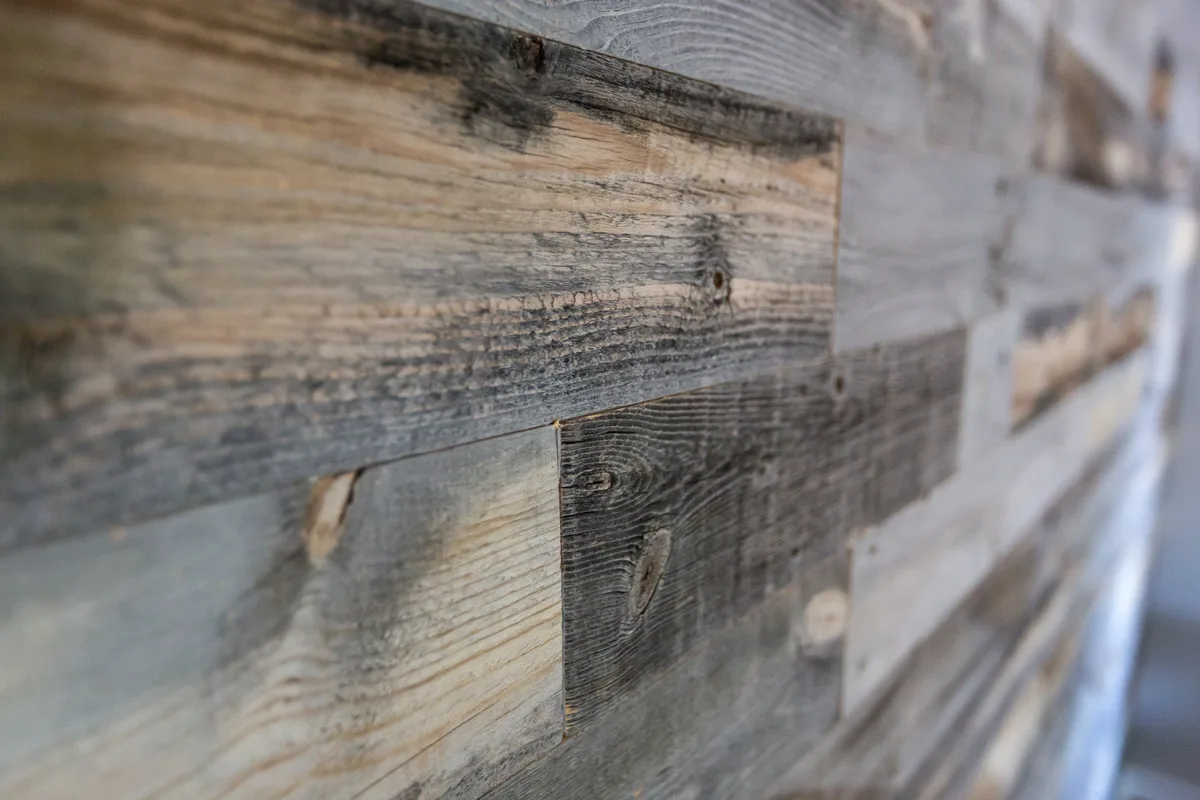
Image source: Web (Bing) / stikwood.com (Web image (fair-use with source credit))
Layout & Scale: Working With High Ceilings and Open Space
Those soaring ceilings are a blessing and a challenge. Without careful planning, a standard vanity can look like a toy lost on the floor, and the room can feel cavernous. Your design needs to fill the vertical space intentionally to create a comfortable, human-scale environment.
The key is to draw the eye upward and then back down. Here’s how to manage the scale effectively:
- Vertical Vanities: Opt for a vanity that is taller than standard height, often around 36 inches. This helps it feel more proportionate to the room. Even better, choose a freestanding piece that looks like furniture.
- Statement Lighting: A single ceiling can light won't cut it. You need layered lighting. Install a large, dramatic pendant light or a linear chandelier that hangs down to visually lower the ceiling over key areas like the vanity or tub.
- Tall Mirrors: Use an oversized mirror or stack two mirrors vertically on the vanity wall. This reflects light and makes the wall feel intentionally filled.
- Accent Walls: Take your shiplap or reclaimed wood all the way to the ceiling. This creates a massive textural element that defines the space and makes the height feel like a design feature, not an empty void.
Think of the room in layers. The floor is your foundation with durable materials. The middle layer is where you live, with vanities and mirrors.
The ceiling layer is for drama, with lights and exposed beams. Designing for all three creates a cohesive feel. This approach to balancing a large space is similar to the principles used in creating a moody boho bedroom design, where texture and scale are also paramount.
and prevents it from feeling overwhelming.
The Anchor Pieces: Vanities, Tubs, and Showers
These are your big-ticket items and the functional heart of the room. In barndominium design, they need to make a stylistic statement while standing up to the scale of the space. Off-the-shelf big-box store options often look too small and flimsy here.
Finding the Right Industrial Vanity
Your vanity sets the tone. The most popular and effective styles are either repurposed furniture or custom-built pieces that mimic industrial workbenches. Look for designs that incorporate metal legs, pipe frames, or a combination of wood and metal.
A double-sink vanity is often a smart choice as it helps fill a larger wall.
A live-edge wood slab top is a perfect choice for adding organic texture. Just remember, any wood used for a countertop or near a sink must be properly sealed with a marine-grade or waterproof finish. Manufacturer specifications for these sealants often require multiple coats and specific curing times, so factor that into your timeline.
Statement Tubs and Walk-in Showers
A freestanding tub, particularly a clawfoot or a modern oval design, acts as a sculptural centerpiece. It doesn't touch the walls, which helps maintain an open feel. Position it to take advantage of a view or under a window if possible.
For the shower, go big. A large walk-in shower with a linear drain feels right at home. This is where you can fully embrace the industrial look with exposed shower pipework and a rainfall showerhead.
Using large-format tiles (24"x24" or larger) on the floor and walls minimizes grout lines and enhances the clean, modern industrial vibe. The contrast between these sleek surfaces and rustic elements elsewhere is crucial.
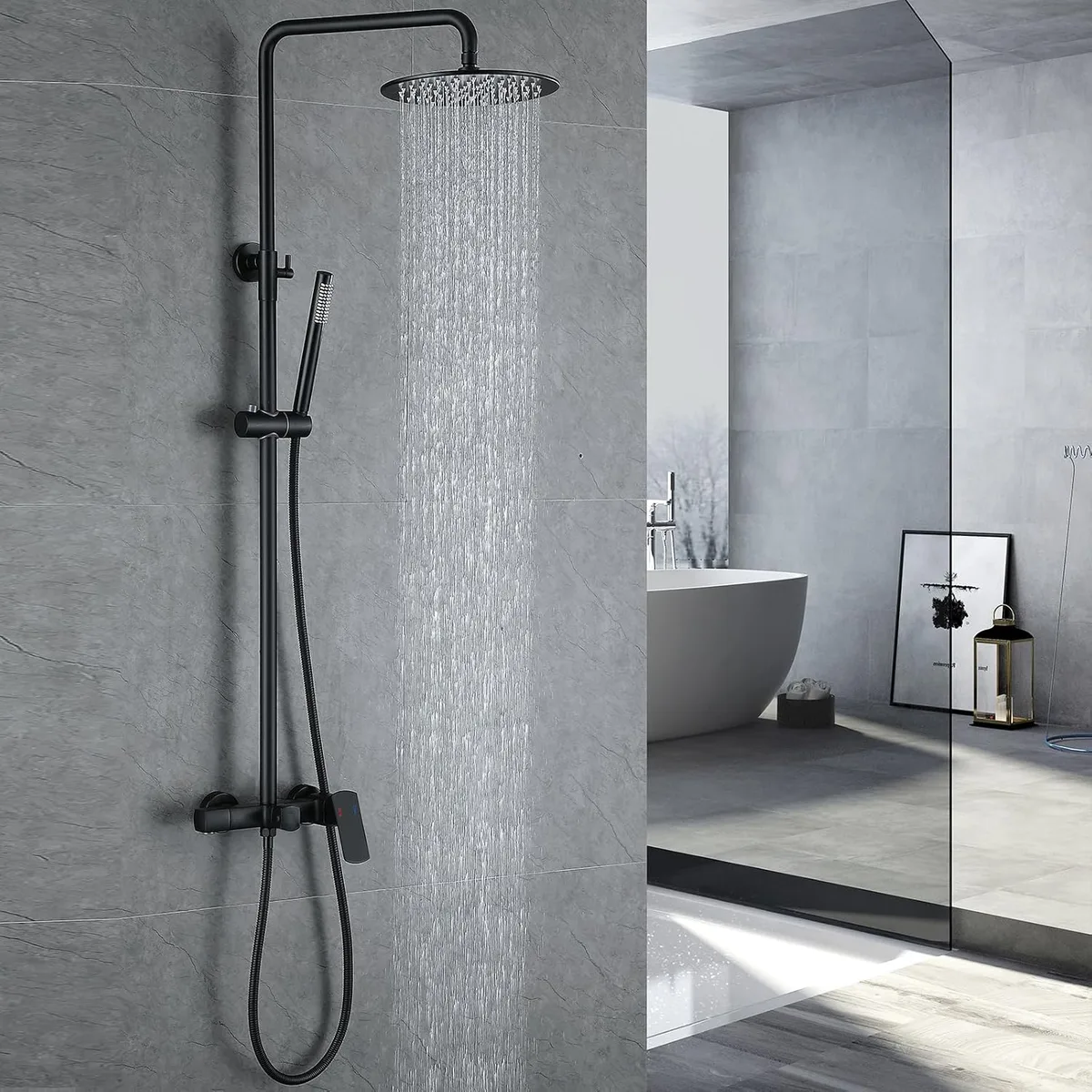
Image source: Web (Bing) / amazon.com (Web image (fair-use with source credit))
The Art of the "Exposed" Look: Plumbing, Doors, and Walls
"Exposed" doesn't mean unfinished or sloppy. It means intentionally showcasing structural and functional elements as part of the decor. This is a key differentiator between a well-designed barndominium bathroom and one that feels incomplete.
Doing Exposed Plumbing Right
The plumbing in your shower and for your sink is a prime opportunity. The key is to use purpose-made exposed shower systems and wall-mounted faucets. These are designed to look good, with clean lines and finishes like matte black or brushed nickel.
They’re not just functional pipes; they are the fixtures themselves.
Avoid trying to expose random supply lines or drainpipes that are meant to be inside walls. That crosses the line from industrial chic into construction zone. The look is about curated honesty, not literally showing every pipe in the building.
Barn Doors and Shiplap as Functional Art
A sliding barn door is a classic barndominium feature that saves space and adds immense character. It works perfectly for closing off the bathroom or a water closet. Choose a door with a finish that complements your metal fixtures, and ensure the hardware is robust and correctly rated for the door's weight.
Shiplap on the walls is another way to add texture and a farmhouse feel. For a bathroom, we recommend using it on an accent wall rather than every surface. This prevents the room from feeling too much like a sauna.
Paint it a neutral color or a moody hue to match your palette, or let the natural wood tone shine through if it's sealed properly. This textured wall approach can be as impactful as the techniques used in moody purple bedroom decor, where wall treatment defines the space's atmosphere.
Lighting Strategy: From Moody to Bright (And When to Use Each)
Lighting is everything in a barndominium bathroom. The wrong plan can leave this large space feeling dark and cavernous. You need to layer different types of lighting to create both ambiance and functionality.
Think in three layers:
- Ambient Lighting: This is your general, overall light. Recessed can lights spaced strategically throughout the ceiling are a clean way to provide baseline illumination without cluttering the view. Dimmer switches are non-negotiable here.
- Task Lighting: This is your focused, bright light for grooming. The best placement is on either side of the mirror at eye level, not above it. This eliminates shadows on your face. Sconces with Edison bulbs or black metal cage lights are popular choices that fit the style.
- Accent Lighting: This adds drama and highlights architectural features. A single large pendant light over the tub or a small cluster over the vanity draws the eye and makes a bold statement. It's the jewelry of the room.
The goal is to have the flexibility to create a bright, well-lit space for getting ready in the morning and a soft, moody atmosphere for a relaxing soak in the evening.
Creating Contrast, Avoiding Clutter: A Visual Balancing Act
This style walks a fine line between character and chaos. Too many competing textures or an overabundance of rustic knick-knacks can quickly make the space feel busy and overwhelming. The goal is curated simplicity, where each element has room to breathe and make its statement.
The easiest way to maintain balance is to anchor the room with a few large, quiet elements. A concrete floor or a large-format tile provides a neutral, calming base. A solid painted wall or a simple shiplap accent acts as a backdrop.
Then, you introduce your texture in controlled doses: a wood vanity, some metal shelving, a single woven basket.
Negative space is your friend. An empty wall or a clear countertop provides visual relief. It lets the eye rest and actually appreciate the beautiful materials you've chosen.
Think of it like an art gallery; you wouldn't hang every painting right next to each other.
The Moisture-Resistance Reality Check
This is the most critical practical consideration. The charm of raw wood and concrete meets the harsh reality of daily steam and splashes. Ignoring this will lead to warping, mold, and costly repairs down the line.
Sealing and Protecting Your Natural Materials
Every single porous material must be sealed with a product designed for high-humidity environments. For wood vanities, countertops, and shelves, a marine-grade spar urethane or a waterproof polyurethane is essential. These products create a hard, impermeable barrier against moisture.
Concrete countertops and sinks require a penetrating sealer that prevents water absorption and resists stains. Manufacturer instructions for these sealants are not suggestions; they are requirements for longevity. This often means applying multiple thin coats and allowing a full 24 to 48 hours of cure time between them.
Choosing the Right Fixtures for Humidity
Your ventilation system is non-negotiable. The IRC mandates a vent fan capable of moving a specific amount of air, measured in cubic feet per minute (CFM), based on your bathroom's square footage. A fan that's too weak is useless.
For a large barndominium bathroom, you'll likely need a high-capacity model.
Ensure all light fixtures rated for use in damp locations if they are near the shower or tub. This is a basic safety requirement that also protects the fixture itself from premature failure. Look for the "UL Listed for Damp Locations" rating on the packaging.
Common Visual Mistakes That Can Tank the Look
It's surprisingly easy to miss the mark. These common errors can make your bathroom feel more like a themed restaurant than a refined space. Knowing what to avoid is half the battle.
The biggest mistake is going too literal. A room covered floor-to-ceiling in red barn wood and decorated with farm animal motifs feels kitschy, not curated. The style is inspired by agricultural buildings, not a direct replica.
Another frequent error is mixing too many metal finishes. Stick to one dominant finish, like matte black, for all your fixtures and hardware. Introducing brushed nickel, chrome, and oil-rubbed bronze all in one room creates visual noise and looks unintentional.
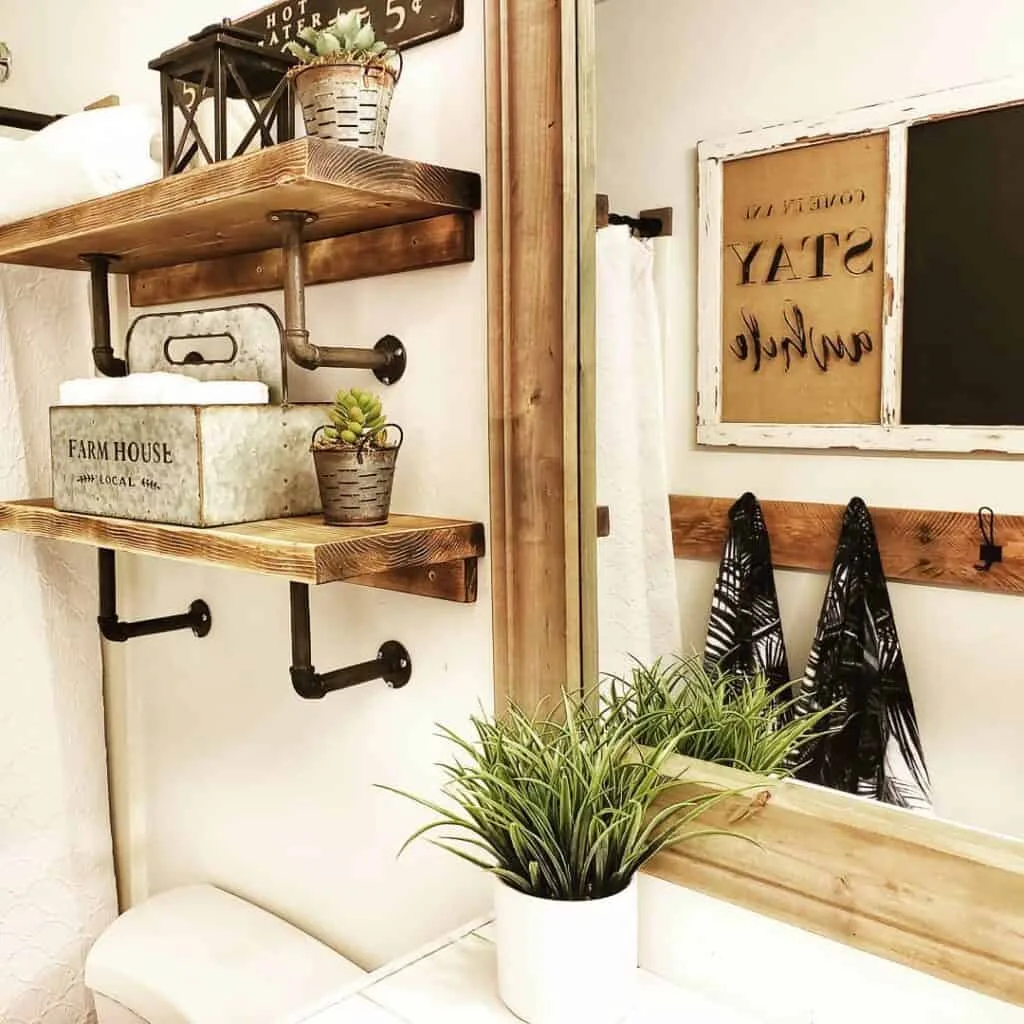
Image source: Web (Bing) / soulandlane.com (Web image (fair-use with source credit))
Poor lighting is a third common pitfall. Relying solely on a few recessed lights or a single central fixture leaves the room flat and shadowy. Without the layered lighting plan we discussed earlier, you lose all the texture and depth you worked so hard to create.
The "Before You Buy" Checklist for Key Materials
Don't just fall in love with a sample in the store. A little due diligence prevents major regrets after installation. Run every major material choice through this quick filter.
For Reclaimed Wood:
- Origin: Do you know where it came from? Avoid wood from old barns that might have been treated with pesticides or chemicals you don't want in your home.
- Pest-Free: Has it been properly kiln-dried or treated to ensure it's free of insects or mold?
- Thickness: Is it thick enough to be milled for your purpose? Thin, brittle wood won't work for a vanity.
For Concrete:
- Weight: Have you confirmed your floor structure can support the immense weight of a poured concrete floor or a large precast tub?
- Hairline Cracks: Do you understand that hairline cracking is a natural characteristic of concrete, not a defect? This is often called "crazing."
- Maintenance: Are you prepared for the annual resealing required to keep it looking its best and protected from stains?
For Large Tiles & Fixtures:
- Measure Twice: Have you double-checked the dimensions of your doorways and hallways to ensure that massive freestanding tub or vanity can actually be delivered into the room?
- Lead Time: Have you accounted for the longer lead times often associated with custom or large-format items? Standard delivery windows may not apply.
Expert Tips for Cohesion (And What to Skip)
A few professional touches can elevate the entire design from "nice" to "magazine-worthy." These small details make the space feel intentional and thoughtfully designed.
First, carry your material palette into the smallest details. Use wood or concrete for simple soap dishes, toothbrush holders, and wastebaskets. This reinforces the theme without being obvious.
Even the towel bars can be chosen in your primary metal finish.
Second, introduce one soft element. A simple, textured cotton rug, a few plush towels in a neutral color, or a single piece of art with a linen canvas can soften the hard surfaces. This makes the room feel more inviting and less austere.
The effect is similar to the thoughtful layering in an earthy moody bedroom decor scheme, where soft textiles balance stronger elements.
Know what to leave out. Avoid overly ornate fixtures, floral patterns, or glossy finishes. They clash violently with the rustic industrial vibe.
If an item would look at home in a traditional suburban home, it probably doesn't belong here.
Safety and Code Compliance You Shouldn't Ignore
Good design is safe design. Local building codes exist for your protection. They are especially important when you're dealing with custom work and unconventional materials.
Ignoring them can lead to failed inspections, insurance issues, or real safety hazards.
The most critical areas are electrical and plumbing. All bathroom outlets must be GFCI protected to prevent shock. Your shower valve must have a pressure-balancing or thermostatic mixing valve to prevent scalding.
Ventilation fan requirements, as of 2026, are dictated by the IRC and often local amendments.
If you are installing a vessel sink or a wall-mounted faucet, ensure the rough-in plumbing is perfectly placed. Manufacturer specs for these fixtures are precise. A small error here means a visible gap or an awkward installation.
Final Take: Building Your Mood Board for a Bathroom That Fits
The entire process is about intentional choices. Start by collecting physical samples of your core materials: wood, tile, concrete, and metal finishes. Lay them next to each other under different lights.
This tactile step reveals clashes that digital images hide.
Create a simple inspiration board with your samples and photos of fixtures. See if the overall feeling is warm and balanced, or cold and chaotic. Does it look like a cohesive space, or a collection of unrelated ideas?
Trust this process.
Your barndominium bathroom should feel like a natural extension of the home's character. It should be rugged but not rough, industrial but not impersonal. By focusing on a strong material palette, proper scale, and layered lighting, you'll create a space that's uniquely yours.
Frequently Asked Questions
Can I use real barn wood in my shower?
We do not recommend it. Even with the best sealant, the constant high humidity and direct water exposure in a shower will eventually compromise the wood. Use reclaimed wood for vanities, accent walls, or ceilings instead.
Is concrete too cold for a bathroom floor?
It can be, but that's easily solved. Installing radiant floor heating beneath a concrete floor or concrete-look tile is a popular and effective upgrade. It provides luxurious warmth and helps dry the surface quickly.
What's the biggest budget mistake in this style?
Splurging on the wrong thing. Don't spend a fortune on intricate custom cabinetry. Invest your budget in a few high-impact, authentic materials like a solid live-edge vanity top, a quality freestanding tub, and a good ventilation system.
These define the space.
How do I add color without breaking the rustic industrial look?
Introduce color through soft goods and one painted accent wall. Deep, moody tones like charcoal, navy, or forest green on a shiplap wall add dramatic depth without clashing. Keep towels, rugs, and art in your chosen color family for cohesion.
Can I mix in other metals besides matte black?
Yes, but be strategic. Matte black should be your dominant finish. You can then introduce small accents of a complementary finish, like unlacquered brass for cabinet pulls or a mirror frame.
Keep it to one secondary metal for a curated look.