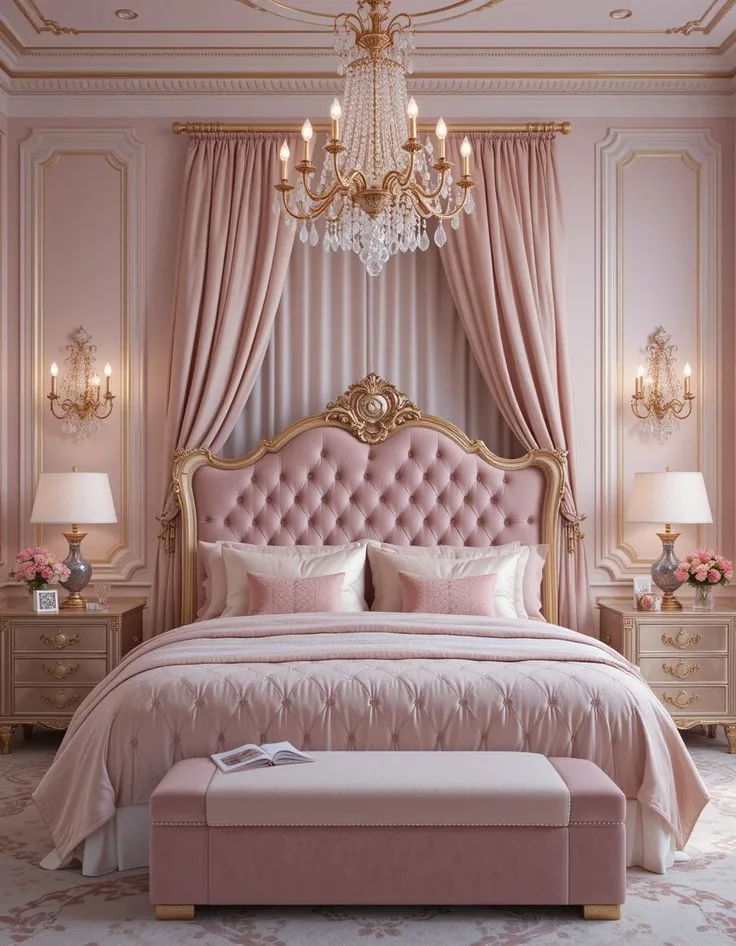
Teen Girl Pink Bedroom Ideas for a Cute, Modern Look
Thinking about teen girl pink bedroom ideas is more than just choosing a color. It’s about creating a space that feels uniquely hers, a sanctuary that’s cool, comfortable, and capable of evolving as she does. The trick is moving past the nursery pink stereotype and building a room with intention.
You want a look that’s stylish without being overly trendy, personal without being cluttered, and functional enough for sleep, study, and hanging out with friends.
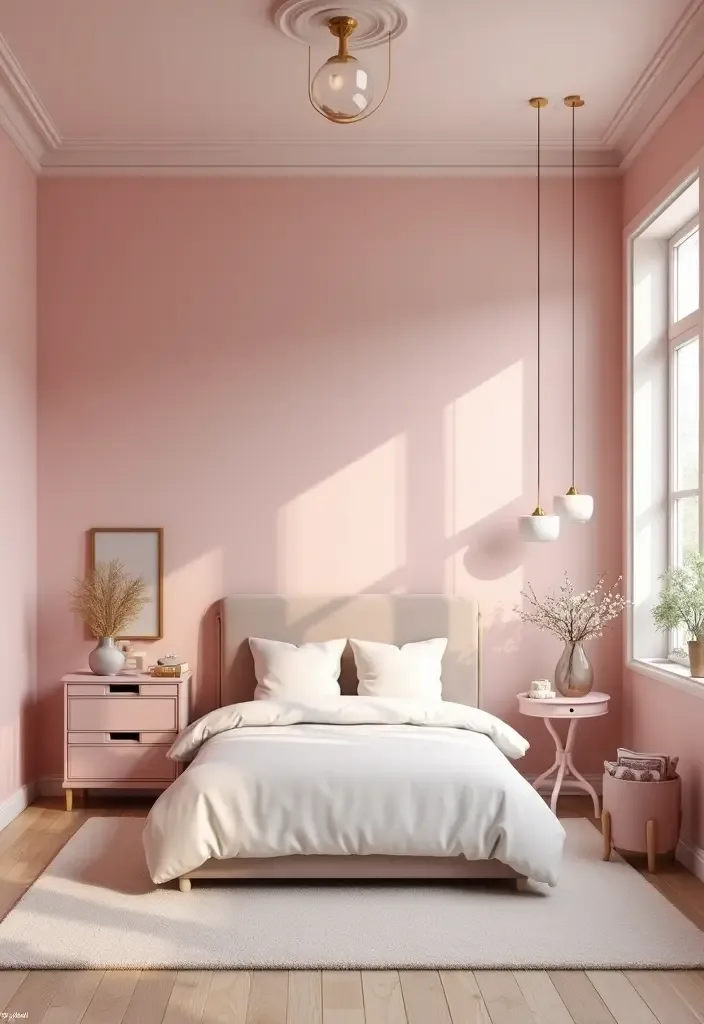
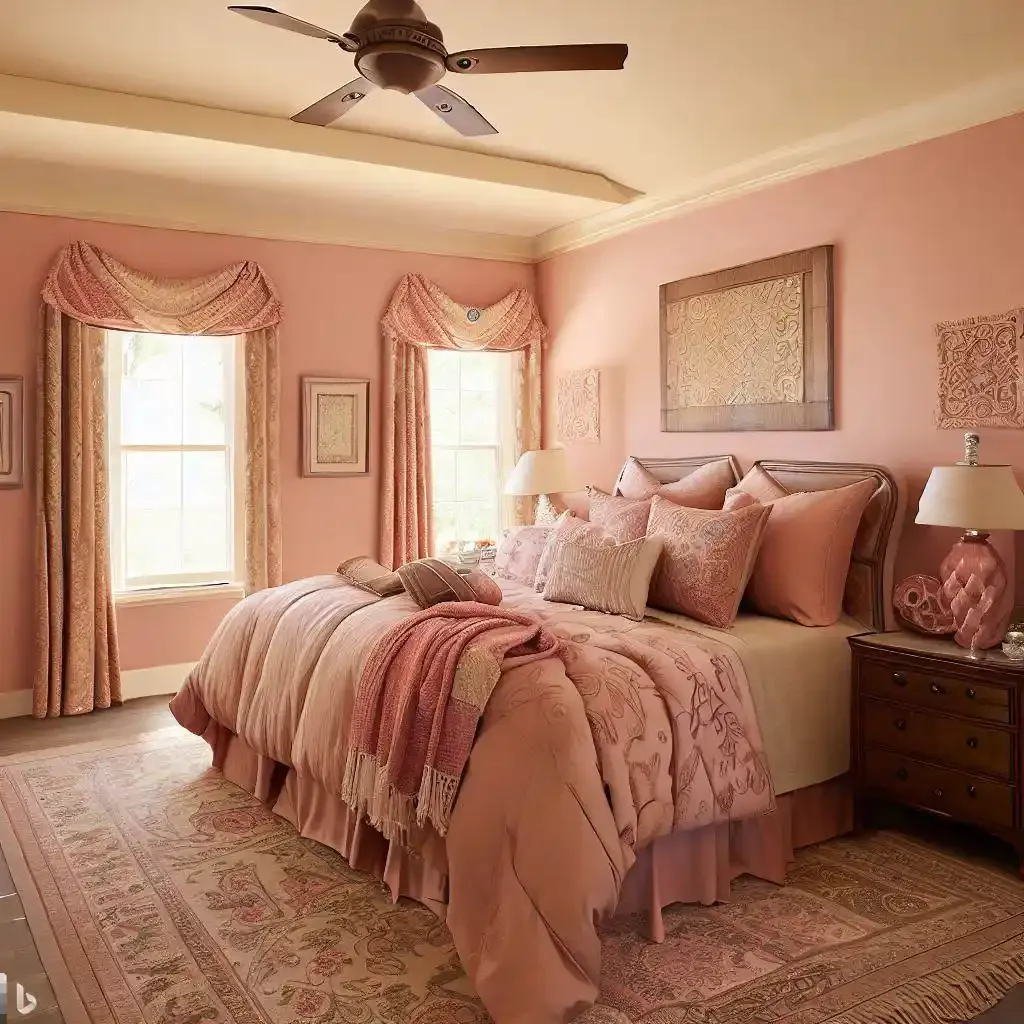
Our research into current design trends shows a major shift toward more sophisticated, neutral-leaning pinks like blush, rose quartz, and dusty rose, especially for teens and adults. These tones act as a versatile base, as of 2026, that can lean into modern, boho, or glam aesthetics depending on the furniture and decor you pair them with. Getting the color right is just the first step in a layered process that builds a cohesive and grown-up feel.
Quick Answer
The best teen girl pink bedroom ideas focus on a mature pink shade as a base. Think blush or dusty rose instead of bright bubblegum. Layer in complementary neutrals like white, gray, or navy for balance.
Invest in key furniture pieces like a quality bed frame and desk, then add personality with textiles, lighting, and art. Always plan your layout first to maximize space for sleeping, studying, and storing. The goal is a personalized room that feels stylish, not childish.
So, What Does "Pink" Really Mean for a Teen Bedroom?
It’s not a single color or a theme. For a teen’s room, “pink” is a design strategy. It’s the foundational tone that sets the entire mood of the space, but it works in partnership with everything else.
A well-executed pink bedroom should reflect her personality, support her daily routines, and feel like a deliberate retreat, not a default choice.
This means moving away from one-note, matchy-matchy designs. The most successful rooms use pink as an anchor, then build depth with texture, contrasting colors, and personal artifacts. It’s the difference between a room that looks like a catalog shot and one that feels genuinely lived-in and loved.
The focus is on creating a vibe, be it calm and minimalist, cozy and boho, or sleek and glam, with pink as the starting point, not the finish line.
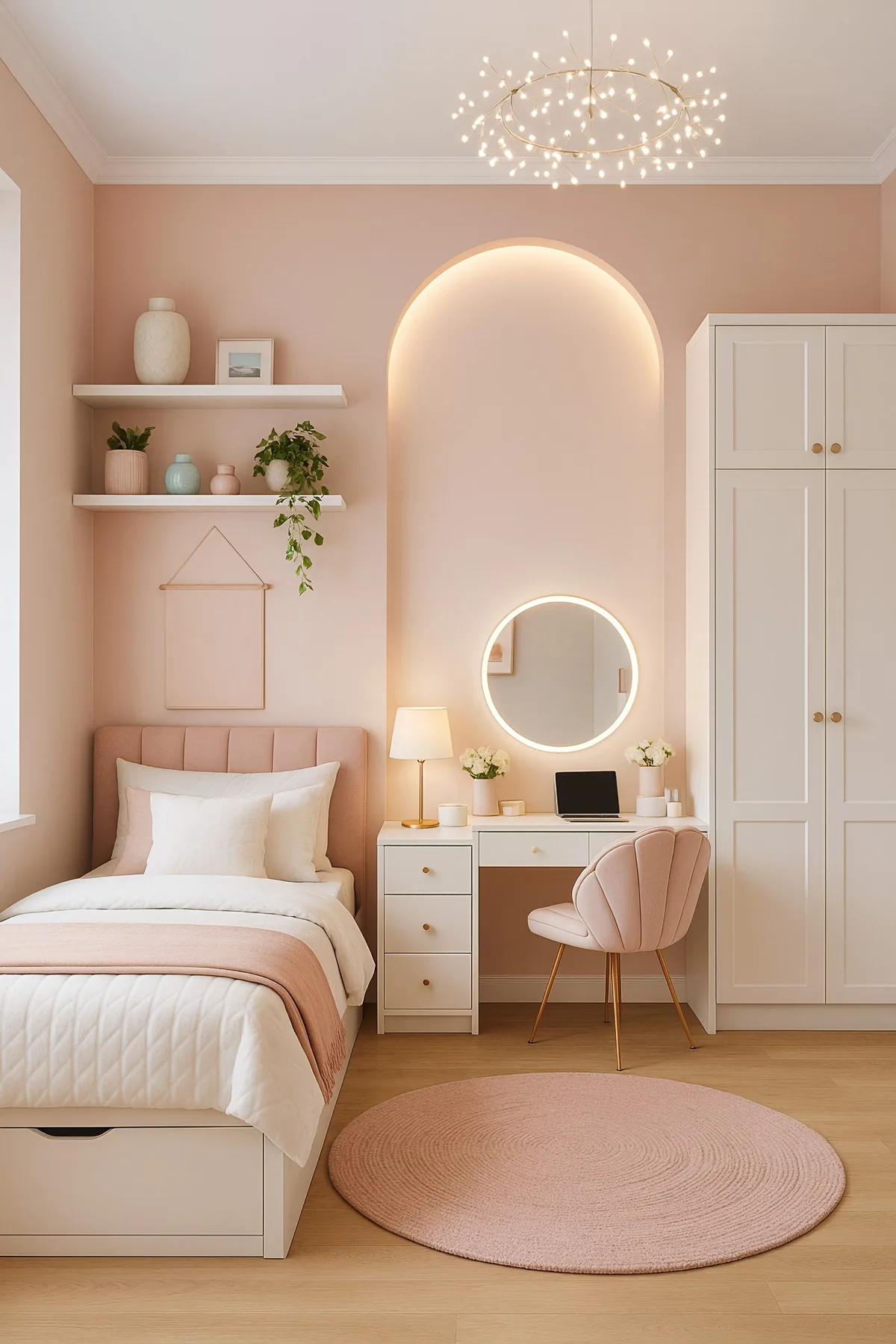
The Biggest Mistake to Avoid: It’s Not a Color, It’s a Vibe
The single most common error is treating pink as the entire concept. You pick a pink paint, buy a pink comforter, add pink curtains, and call it a day. The result often feels flat, overwhelming, and yes, a bit juvenile.
The color dominates the space without any visual relief or sophistication.
The expert fix is to think of pink as the atmosphere, not the decor. Your vibe could be “relaxed California cool,” “eclectic vintage charm,” or “modern minimalist.” Once you name that vibe, every other choice, from your furniture shapes to your accessory materials, flows from it. A blush wall in a boho room gets paired with rattan and macramé.
The same blush wall in a glam room gets paired with velvet and lucite. The pink is consistent, but the rooms feel worlds apart. This approach future-proofs the space, allowing her to swap out decor over time without a total overhaul.
First, Pick Your Pink (It's More Than Just Pink)
This is the most critical visual decision, and it’s where generic advice falls short. You can’t just say “use pink.” The specific shade you choose dictates the entire room’s temperature, mood, and perceived size. It’s the non-negotiable foundation.
From Blush to Fuchsia: The Pink Spectrum
Think of pinks on a spectrum from warm and neutral to cool and bold.
- Neutral Pinks (Blush, Ballet Slipper, Dusty Rose): These have hints of beige, brown, or gray mixed in. They’re incredibly versatile and read as sophisticated rather than sweet. They act almost like a neutral, pairing beautifully with warm wood tones, black, and navy. These are the safest bet for a look that will age gracefully.
- Clear, Saturated Pinks (Rose Quartz, Millennial Pink, Salmon): These are purer, brighter pinks without muddy undertones. They feel fresher and more energetic. They work well in rooms with great natural light and can pop against crisp white or charcoal gray.
- Bold Pinks (Magenta, Fuchsia, Hot Pink): These are high-impact, statement colors. The key is to use them sparingly, as an accent wall, in artwork, or in small decor items like a throw pillow or lamp. They’re fantastic for adding a shot of personality and youthfulness without overwhelming the senses.
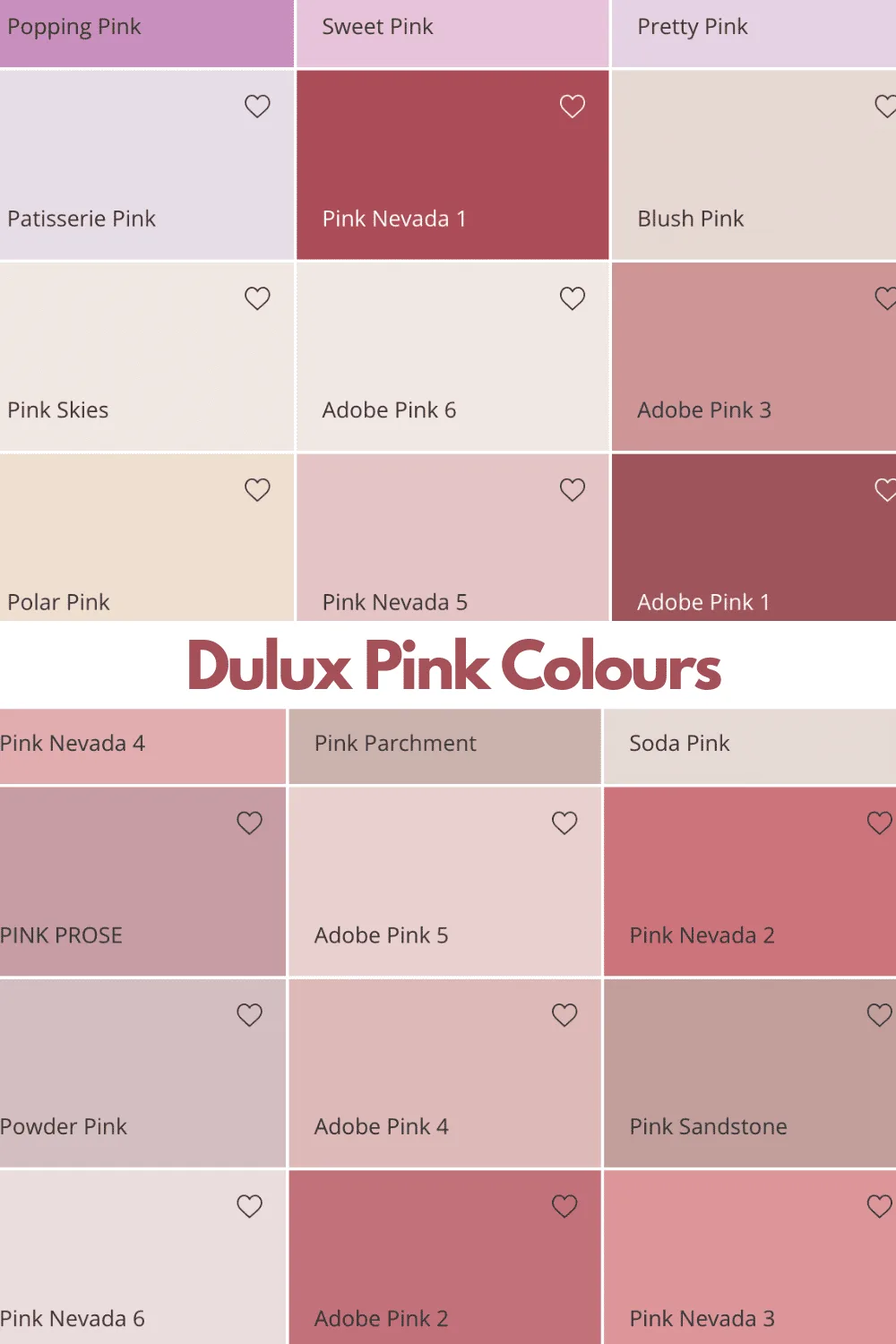
The Rule of Thumb for Choosing Your Shade
Consider the room’s natural light and size. North-facing rooms or smaller spaces benefit immensely from lighter, neutral pinks like blush or dusty rose, which reflect light and make the room feel more open. South-facing rooms flooded with light can handle slightly brighter or clearer pinks without feeling overwhelming.
Always, always test paint samples on the wall. Observe them at different times of day. The color that looks perfect on a tiny chip can look completely different on your wall under your lighting.
Your Secret Weapon: Complementary Colors
Pink never stands alone. Choosing one or two complementary colors is what creates depth and prevents that “pink overload” feeling. This is where you lock in your chosen vibe.
- For a Modern / Minimalist Vibe: Pair soft pink with stark white, cool gray, and black accents. Add warmth with natural oak wood.
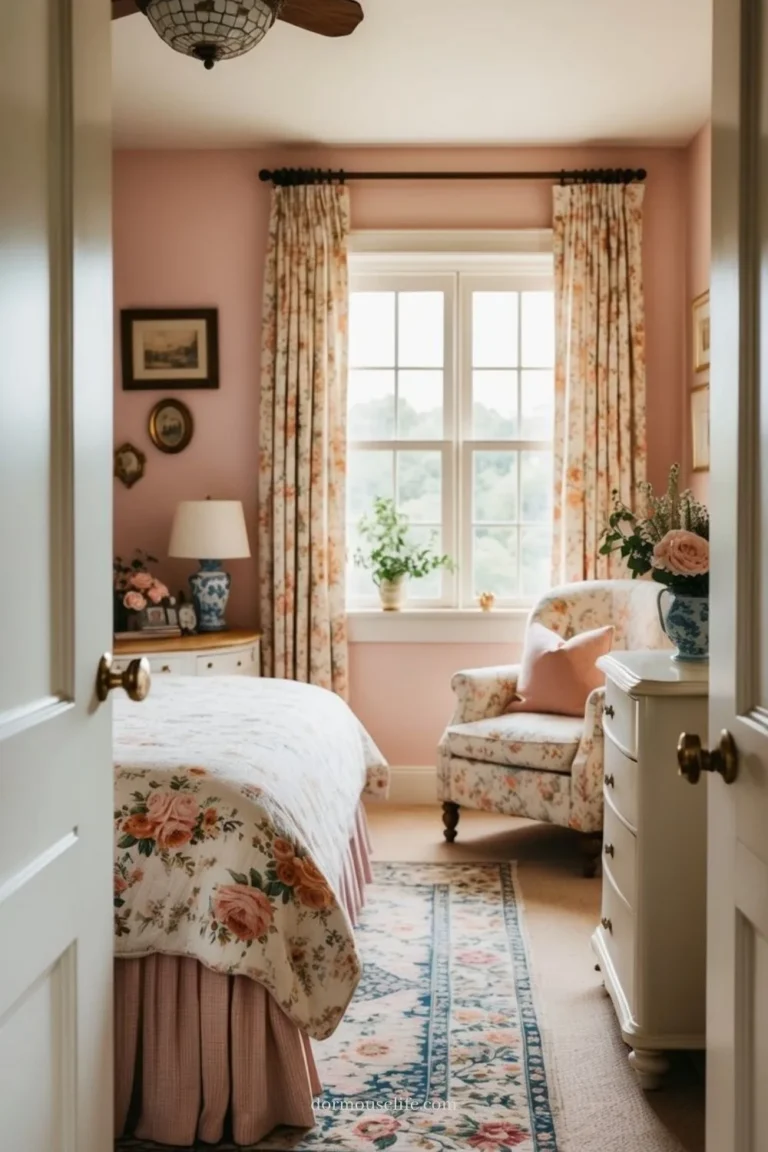
- For a Cozy / Boho Vibe: Combine dusty pink with cream, sage green, and terracotta. Incorporate textures like rattan, jute, and faux fur.
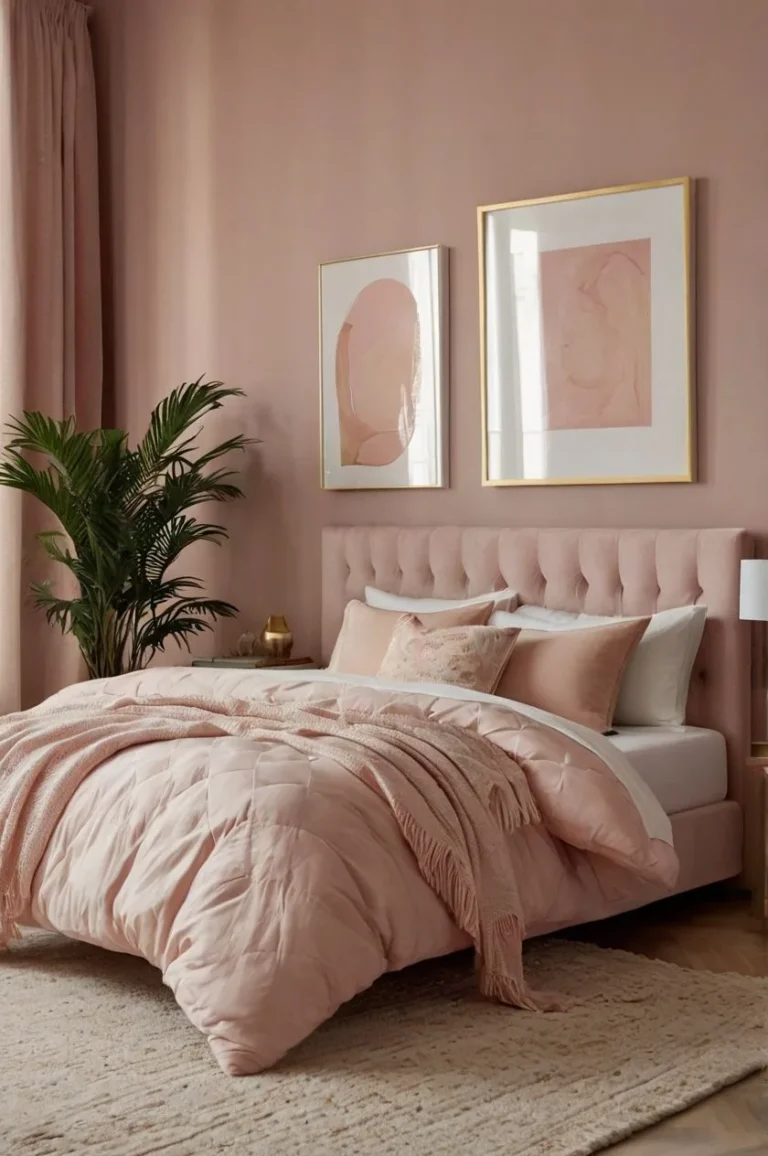
- For a Glam / Grown-Up Vibe: Use blush pink with navy, charcoal, or even a deep plum. Add metallic touches in gold or brass and materials like velvet and mirrored surfaces.
Think in ratios. A good starting formula is 60% pink (walls, large rug), 30% complementary neutral (furniture, bedding), and 10% accent (decor, art).
Your Layout and Furniture: The "Bones" of the Room
Before you buy a single throw pillow, you need a plan. The furniture arrangement dictates how the room functions and feels. A cluttered, awkward layout will undermine even the most beautiful color scheme.
Start with a simple sketch or use a free room planning app to visualize where everything will go.
The primary zones to map out are: the sleep zone (bed), the study zone (desk), storage zones (dresser, closet, shelves), and a flexible social zone (a floor pouf or small chair). Traffic flow is key, you should be able to move from the door to the bed, closet, and desk without obstacle.
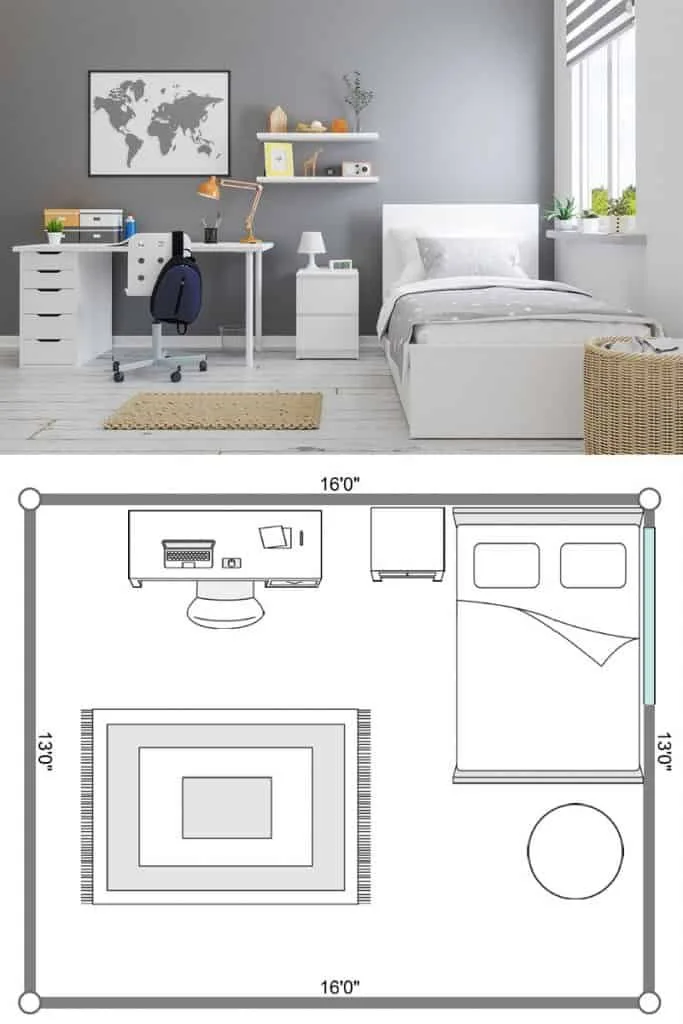
Picking a Bed and Bed Frame That Grows With You
The bed is the largest piece and the room’s focal point. A twin bed might be sufficient, but a full or queen size offers more comfort and longevity. The frame style solidifies your chosen aesthetic.
- Upholstered Headboards (in linen or velvet) add instant softness and texture, perfect for glam or cozy vibes.
- Wooden Frames (in oak, walnut, or whitewash) bring natural warmth and work for modern, boho, or Scandinavian styles.
- Metal Frames (in black or brass) feel industrial or vintage and are great for adding a contrasting line.
Prioritize a frame with storage, like one with built-in drawers or a high clearance for under-bed bins. This is non-negotiable for keeping a smaller room tidy. For more inspiration on creating a cohesive look that balances color and personality, our guide on mature pink bedroom aesthetics explores this balance in depth.
Smart Storage That Doesn't Scream "Kid's Room"
Open shelving with curated books and decor looks adult. A tall, sleek dresser offers more storage than a short, wide one. Utilize vertical space with wall-mounted shelves or a pegboard above the desk for supplies.
Swap out childish toy bins for woven baskets, fabric cubes, or decorative boxes. A media console or a low, long dresser can double as a TV stand and storage unit, keeping technology discreet. The goal is to have a designated home for everything, which minimizes visual clutter, the enemy of a stylish room.
The Study Zone: Making a Desk Area You'll Actually Use
This area needs to be functional and inspiring, not an afterthought. If space is tight, consider a wall-mounted fold-down desk or a small writing desk that can double as a vanity. The chair is critical; a comfortable, supportive desk chair is a worthwhile investment.
Good task lighting is essential. A adjustable desk lamp prevents eye strain. Keep cords managed with clips or a cable box, nothing kills a vibe faster than a tangled mess of wires.
A pinboard or small shelf above the desk keeps inspiration and schedules visible and organized.
Where to Spend vs. Where to Save: The Budget Reality Check
You don’t need a limitless budget to create a stunning room. The secret is knowing where to invest for long-term value and where you can get creative for less. Splurging on the right pieces anchors the room, while saving on others allows for more frequent updates as tastes change.
Our analysis of project costs suggests a smart allocation. Invest in the “hard” pieces you’ll use for years: a quality mattress, a sturdy bed frame, a functional desk, and a comfortable chair. These items take daily wear and tear, and good ones will last through high school and beyond.
It’s also wise to spend on a durable area rug and good-quality paint, these define the space’s foundation.
Save on the “soft” layers that are easy to swap. Bedding, throw pillows, curtains, wall art, and decorative accessories are where trends live. You can find amazing, stylish options at affordable retailers, and updating these every few years is a low-cost way to refresh the entire room’s feel without a major overhaul.
DIY projects, like framing vintage postcards or painting secondhand furniture, add massive personality for minimal cash.
Consider this rough budget breakdown for a medium-sized room makeover, as of 2026:
| Category | Investment Tier (Splurge) | Save/Smart Tier |
|---|---|---|
| Bed Frame & Mattress | Solid wood frame, quality mattress | Platform bed with storage, mid-range mattress |
| Desk & Chair | Ergonomic chair, solid wood desk | Vintage find + paint, comfortable task chair |
| Large Rug | Wool or high-pile, durable | Large synthetic rug, washable |
| Paint & Walls | Premium paint, professional wallpaper accent | Mid-grade paint, DIY peel-and-stick wallpaper |
| Bedding & Textiles | High-thread-count sheets, linen duvet | Affordable cotton sets, mix of pillow textures |
| Lighting | One statement pendant or floor lamp | Plug-in sconces, stylish but affordable lamps |
| Decor & Art | One original art piece, framed prints | DIY art, unframed posters, thrifted finds |
Build Your Look, Layer by Layer
This is where your room comes to life. Think of decorating like getting dressed: you start with the basics, add layers for comfort and style, and finish with jewelry and accessories. Rushing this process leads to a flat, one-dimensional space.
Instead, build methodically for a rich, collected look.
The Foundation: Walls, Floors, and Windows
Your walls set the stage. If you’re using a bold pink, consider making it an accent wall behind the bed rather than painting all four. For softer pinks, painting the entire room can create a beautiful, enveloping effect.
Don’t forget the ceiling, a coat of bright white or a pale continuation of the wall color can make the room feel taller.
Flooring is next. An area rug defines the bed zone and adds crucial texture and sound dampening. Ensure it’s large enough, a common mistake is using a small rug that floats in the middle of the room.
It should extend under the bed and out on the sides, or at least anchor the front legs of all key furniture in a seating area.
Window treatments are both functional and decorative. Blackout curtains or shades are a must for good sleep, especially for teens. Layer sheer curtains underneath for soft light during the day.
Match the curtain rod finish to other metals in the room (e.g., all gold or all black) for a polished touch.
The Cozy Layer: Bedding, Rugs, and Textiles
This layer is all about tactile comfort. Your bed is the centerpiece, so give it depth. Start with a simple duvet cover or comforter in your main neutral (white, cream, gray).
Then, add a textured throw blanket folded at the foot of the bed.
Pillows are your best tool for adding pattern and your accent color. Use a mix of sizes, standard sleeping pillows, then Euro shams, then decorative squares in front. Vary the fabrics: a velvet pillow, a linen one, one with a graphic print.
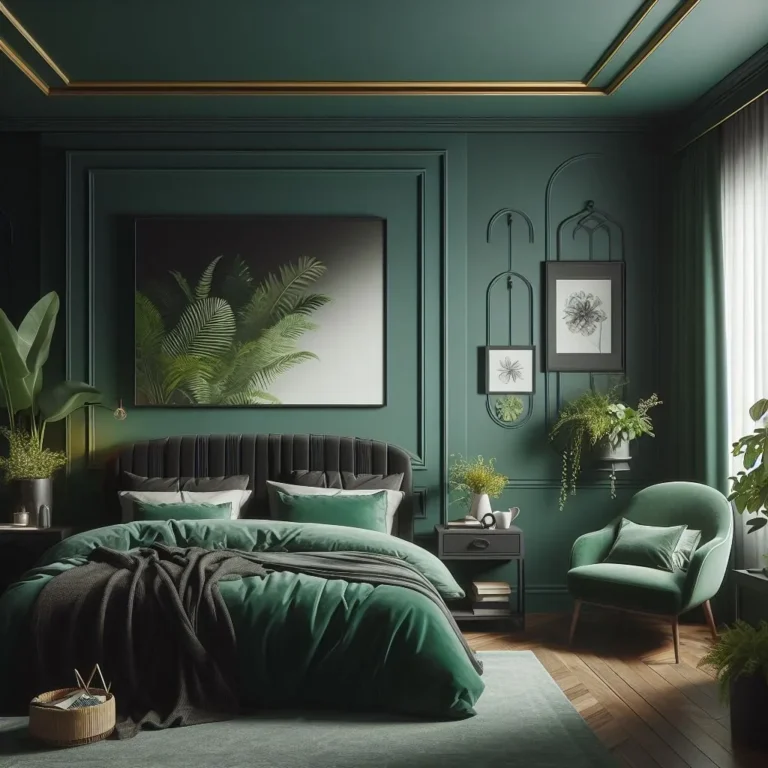
This creates instant visual interest. You can explore how different shades, like a moody pink, can be introduced through textiles for a more dramatic effect.
Don’t neglect other textiles. A faux fur or chunky knit throw over a desk chair, a small woven rug by the bed, or even fabric-covered storage boxes all contribute to the cozy, lived-in feel.
The Personality Layer: Art, Lighting, and Decor
Now for the fun part. This is where her interests and style shine. Art should feel personal.
It could be a gallery wall of framed concert tickets and photos, a large vintage poster, or a series of abstract prints. The key is to hang it at the right height, eye level when standing, which usually means the center of the piece is about 57-60 inches from the floor.
Lighting is atmosphere. Overhead lighting is often harsh. Layer in ambient light with a floor lamp in a corner, task light at the desk, and accent light with string lights or a small lamp on a shelf.
Warm white bulbs (2700K-3000K) create a cozy glow, while cool white feels more clinical.
Decor objects tell a story. A few well-chosen items are better than a shelf crammed with knick-knacks. Display a collection of cool rocks, a vintage camera, a stack of favorite books, or a beautiful perfume tray.
These pieces make the space uniquely hers. This approach to curated personality is a hallmark of modern design principles that focus on intentionality.
Pro Move: How to Create Visual "Breathing Room"
The biggest sign of a professionally designed space is balance. After you’ve added all your layers, take a step back. Does the room feel busy or calm?
If it’s leaning toward cluttered, create “breathing room” by editing.
Remove a few items from a crowded shelf. Ensure there’s some empty wall space between art pieces. Make sure your surfaces (desk, nightstand) have clear space for actual use.
This negative space is not empty; it’s a crucial design element that lets your favorite pieces stand out and gives the eye a place to rest. A room that feels intentionally edited always looks more mature and expensive.
Common Visual Pitfalls (And How to Sidestep Them)
Even with a great plan, it’s easy to stumble into a few common traps. Being aware of them upfront saves time, money, and frustration.
When Cute Turns Cluttered
The desire to make a room “cute” can lead to over-accessorizing. Every surface gets a trinket, every wall gets a tiny picture. The result is visual noise that feels childish and stressful.
The Fix: Edit ruthlessly. Use the “one in, one out” rule. Group small items on a tray to contain them.
Favor a few larger statement decor pieces over many small ones. Regularly reassess and remove items that no longer spark joy or fit the vibe.
The "Everything Matches" Trap
Buying a “bed-in-a-bag” set and matching curtains might seem efficient, but it creates a flat, hotel-room feel with no personality or depth. It’s a dead giveaway of a non-designed space.
The Fix: Intentionally mix materials, patterns, and eras. Pair a modern bed frame with a vintage rug. Use striped sheets with a floral throw pillow.
The contrast is what creates energy and interest. Think coordinated, not matched.
Ignoring the Light in Your Room
Choosing paint, fabrics, and finishes without considering your room’s natural light is a major mistake. A pink that looks warm and inviting in the store can look cold and gray in a north-facing room.
The Fix: Always test. Paint large swatches on multiple walls. Bring fabric samples home and look at them at different times.
If your room is dark, lean into lighter, warmer pinks and add plenty of reflective surfaces (mirrors, metallics) and layered lighting to brighten it artificially. For rooms with ample light, you have more freedom to play with darker accents and richer, moodier color palettes.
Let's Get Specific: Three Visual Mood Boards You Can Steal
Sometimes, you need a concrete starting point. Here are three distinct directions, built on the principles above, to spark ideas.
The Modern & Minimal Pink Bedroom
- Pink Base: Blush or dusty rose walls.
- Complementary Colors: White, charcoal gray, black.
- Key Furniture: Low-profile platform bed in oak or black metal. A sleek, white desk. A simple dresser.
- Textiles: White linen bedding, a charcoal gray throw, a black-and-white geometric pillow.
- Materials: Clean lines, oak wood, matte black metal, wool rug.
- Decor: One large abstract art print in a black frame. A sculptural floor lamp. A minimalist alarm clock. Plants in simple ceramic pots.
- Vibe: Calm, clean, uncluttered, and focused.
The Cozy, Boho Pink Bedroom
- Pink Base: Dusty rose or a muted terracotta-pink.
- Complementary Colors: Cream, sage green, tan, mustard yellow.
- Key Furniture: A upholstered bed or a wooden bed with a carved headboard. A rattan or bamboo chair. A vintage wooden desk.
- Textiles: A chunky knit throw, a jute or Moroccan-style rug, velvet pillows in mustard or green, a macramé wall hanging.
- Materials: Rattan, woven textures, clay pottery, unfinished wood.
- Decor: A gallery wall with a mix of art and photos in thrifted frames. Potted plants and hanging vines. Collections of crystals or shells on shelves. Fairy lights or a beaded pendant lamp.
- Vibe: Relaxed, textured, personal, and globally inspired.
The Glam & Grown-Up Pink Bedroom
- Pink Base: A clear, sophisticated rose quartz or a deep blush.
- Complementary Colors: Navy blue, charcoal, gold/brass.
- Key Furniture: An upholstered bed with a velvet headboard (in navy or charcoal). A lucite or glass-top desk. A dresser with gold hardware.
- Textiles: Silk or satin pillowcases, a velvet duvet cover, a plush faux fur rug.
- Materials: Velvet, mirrored surfaces, lucite, polished brass, marble (or marble-print).
- Decor: A large, ornate gold-framed mirror. A crystal table lamp. A few elegant perfume bottles on a tray. Art deco-inspired prints.
- Vibe: Luxurious, polished, dramatic, and intentionally chic.
Safety and Smarts: The Non-Negotiable Stuff
While aesthetics are the goal, safety is the priority. A beautiful room is worthless if it’s not a safe space.
First, furniture tip-over prevention is critical. Any tall dresser, bookshelf, or wardrobe must be securely anchored to the wall. The U.S.
Consumer Product Safety Commission (CPSC) has ongoing campaigns about this hazard, it’s a simple step that prevents serious injury. Use furniture wall straps or brackets, which are inexpensive and easy to install.
Second, be mindful of electrical safety. Don’t overload outlets. Use surge protectors for tech equipment.
If using string lights, ensure they are certified for indoor use (look for a UL label) and never run them under rugs or bedding where they can overheat. Check cords regularly for fraying.
Finally, consider air quality. If you’re painting, look for low-VOC or zero-VOC paint options, which off-gas fewer chemicals. When bringing in new furniture or rugs, air out the room well.
These choices contribute to a healthier environment for sleep and study. Good ventilation is a key component of any well-designed home space, big or small.
Frequently Asked Questions
What if my teen hates pink halfway through the project?
This is why we advocate for pink as a base, not a theme. If the core furniture is in versatile neutrals (white, wood, black) and the pink is on the walls or in easily changed textiles, a future update is simple. Repainting one accent wall or swapping out bedding and curtains for a new color palette can completely transform the room without replacing the big-ticket items.
How can I incorporate my teen's existing furniture?
Absolutely. The goal isn't to start from zero. Assess what you have.
A wooden dresser can be sanded and painted. A dated bed frame might look new with different bedding and a statement headboard leaned against the wall behind it. Mixing old and new adds character and saves money.
The key is to ensure the pieces share a common finish or line to feel intentional.
Is an accent wall still stylish?
Yes, but its application has evolved. The trend is less about painting one random wall a crazy color and more about creating a focal point. The wall behind the bed is the classic and most effective choice.
You can also use peel-and-stick wallpaper on that wall for added texture and pattern. It’s a great way to incorporate a bolder pink or design without committing to the entire room.
How do I handle a shared bedroom with different tastes?
Focus on a neutral foundation that pleases both, then let each side of the room express individual personality. Paint the walls a soft, agreed-upon neutral. Use identical beds and dressers for symmetry.
Then, let each teen choose their own bedding, the art above their bed, and their side table decor. This creates harmony in the overall space while honoring individuality.
What's the biggest waste of money in a teen bedroom makeover?
Trendy, poor-quality furniture that will fall apart in a year or overly specific themed decor that will feel “babyish” in six months. Also, skimping on lighting. A room with only a harsh overhead light will never feel cozy or inviting, no matter how nice everything else is.
Invest in a couple of good lamps, it’s a game-changer for the room’s ambiance.
The Final, Most Important Step: Making It Yours
All the planning, shopping, and decorating leads to this moment. The final touch is ensuring the room doesn't just look good in photos, it feels like a genuine reflection of the person living in it. This is about moving beyond decor and into the realm of personal artifacts.
Leave intentional blank spaces. A shelf doesn't need to be full right away. Let souvenirs from a summer trip, a trophy from a sport, or a piece of art made by a friend find a home organically over time.
These are the items that carry meaning and tell a story no store-bought decor can.
Encourage a system that works for her. A hook by the door for a favorite bag, a specific drawer for tech cords, a tray on the dresser for daily jewelry. When the room's functionality is intuitive, it stays tidy and feels effortlessly personal.
This sense of ownership is the ultimate sign of a successful design.
How to Talk to Your Teen About Their Room
This project is a collaboration. Approaching it as a top-down directive often leads to resistance or a disengaged teen. Frame it as a partnership where you provide the budget and practical know-how, and she leads on the style and vision.
Start with a visual conversation. Create a shared digital mood board on Pinterest or a similar app. Have her save images she loves, not just of bedrooms but of fashion, art, and travel destinations.
Look for patterns in the colors, textures, and moods she's drawn to. This gives you a concrete visual language to work from, beyond abstract terms like "cool."
Set clear boundaries early. Discuss the budget realistically. Explain any non-negotiable safety or furniture quality standards.
Within those guardrails, give as much creative freedom as possible. When she feels heard and trusted, she's more likely to invest in maintaining the space long-term.
When to Call in a Professional (And When Not To)
For most teen bedroom projects, a professional interior designer is overkill. The skills you need are more about project management and spatial planning. You can absolutely handle the paint, furniture assembly, and decor styling yourself.
Consider a short consultation if the room has a significant architectural challenge. This could be a terribly awkward layout, very low ceilings, or almost no natural light. A designer might offer one or two brilliant layout solutions you hadn't considered, which could be worth a flat fee.
Another scenario is if you're doing a major renovation, like removing a wall or installing built-in cabinetry. For those structural changes, you need a contractor, not just a decorator. Their expertise ensures the work is safe, permitted, and adds value to your home.
Long-Term Maintenance: Keeping the Room Fresh
A teen's taste evolves rapidly. The goal isn't to create a museum but a flexible canvas. Plan for small, affordable updates every 12-18 months to keep the room feeling current without another full makeover.
Rotate the art and photos on the walls. Swap out throw pillows and blankets seasonally, like lighter linens for summer and chunkier knits for winter. A new lamp shade or a different area rug can dramatically shift the room's tone.
These are low-commitment, high-impact changes.
Encourage a seasonal "edit." Twice a year, go through the room together. Remove items that are broken, no longer used, or no longer loved. Donate or store them.
This prevents the slow creep of clutter and makes space for new interests and possessions. It's a good life habit and keeps the room feeling intentional.
Quick Checklist Before You Start Painting
Before the first brush touches the wall, run through this final list. It catches common oversights that can delay or derail your project.
- Paint Ordered: Did you buy enough? A typical bedroom needs 2 gallons for two coats on all walls. Get sample pots first.
- Supplies Ready: You'll need rollers, trays, angled brushes, painter's tape, drop cloths, and a stir stick.
- Furniture Moved: Can everything be shifted to the center and covered? Or does it need to leave the room entirely?
- Walls Prepped: Are holes patched and sanded? Are walls clean, dry, and dust-free? Primer is needed for new drywall or dark existing colors.
- Ventilation Planned: Are windows open? Do you have fans? Schedule painting for dry days when windows can stay open.
- Time Allocated: Painting a bedroom properly takes a full weekend. Don't rush the drying time between coats.
- Clean-Up Ready: Have trash bags, wet rags, and a plan for disposing of paint materials ready before you start.
Double-checking these items ensures your project starts smoothly and stays on track, letting you focus on creating a beautiful space.