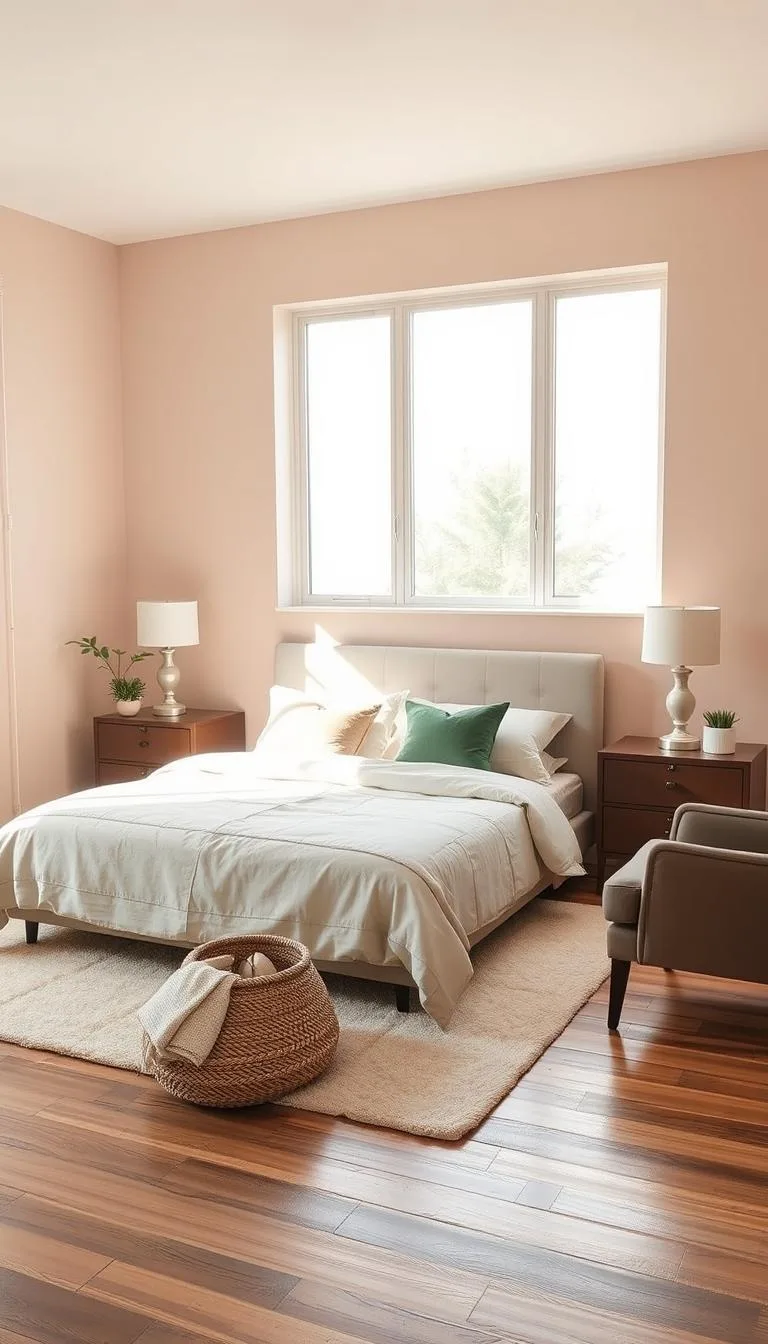
Dark Moody Bedroom Ideas: Dramatic Designs for a Cozy, Intimate Space
Dark Moody Bedroom ideas are less about creating a cave and more about designing a sanctuary. It’s a look that feels deeply restful, intimate, and luxurious when done right. Many people are drawn to the drama but worry about the room feeling small or dark.
The secret isn’t in the darkness itself, but in the careful balance you build around it.
Our research into design principles shows a dark bedroom’s success hinges on one technical metric: the Light Reflectance Value, or LRV, of your paint. Colors with an LRV below 25 create that enveloping depth you’re after. Think of it as your foundational layer, the stage upon which everything else performs.
Let’s walk through how to build that stage properly.
Quick Answer
Dark Moody Bedroom ideas use deep wall colors, layered lighting, and rich textures to create a cozy, intimate retreat. Choose paint with an LRV below 25 for true depth. Layer multiple warm light sources, never just an overhead fixture.
Mix materials like velvet, linen, and wood to add visual interest. The goal is a balanced, luxurious space that feels cocooning, not cramped.
The Real Appeal of a Dark Moody Bedroom (It’s Not What You Think)
A dark bedroom isn’t about embracing gloom. It’s about engineering calm. The core appeal is psychological: these spaces signal to your brain that it’s time to unwind, to shut out the noise.
They feel protected and private, a direct contrast to the bright, often over-stimulating world outside your door.
Aggregate reviews of boutique hotels and high-end rentals consistently show that guests rate dark, moody bedrooms higher for perceived luxury and sleep quality. The look conveys intention and curated design, moving away from the default “builder-beige” feel. It’s a style that’s deeply personal and feels adult, a space designed for relaxation first.
This approach also works brilliantly with architectural realities. If you have a north-facing room or a space with small windows, fighting the natural low light is a losing battle. Leaning into it with a dark palette turns a potential weakness into a definitive strength, creating a cozy nook that always feels right for the time of day.
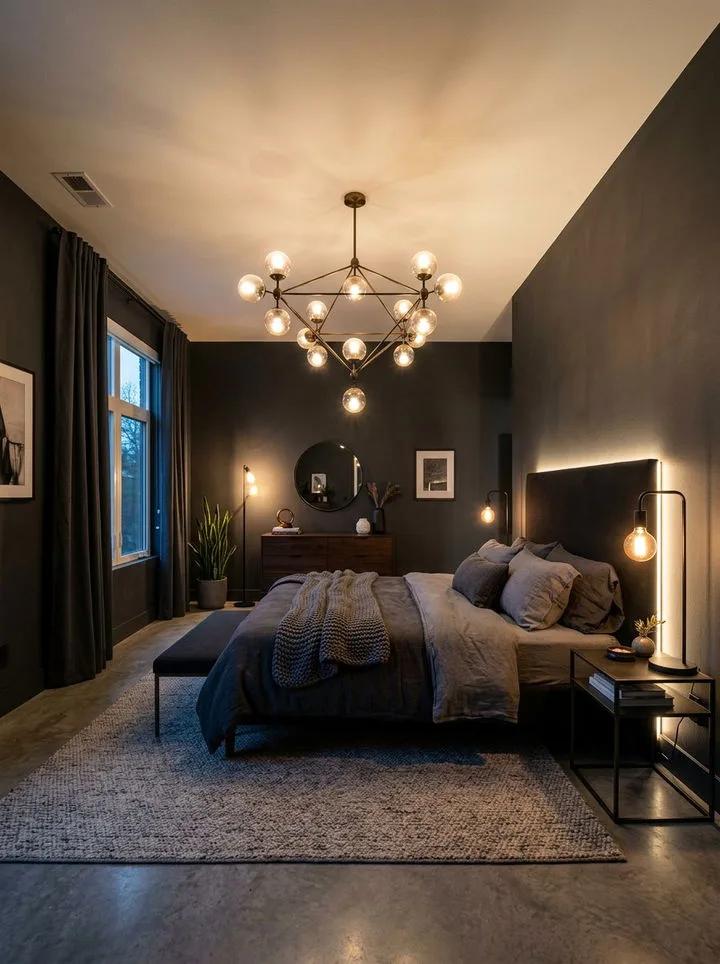
Image source: Bing (Web (fair-use with source credit))
Why This Look Lives or Dies by Your Paint Choice
Your wall color is the non-negotiable foundation. Get this wrong, and no amount of styling will fix it. The goal is depth and richness, not a flat, chalky darkness.
You’re looking for colors with complexity and subtle undertones.
Go Deep, But Not Necessarily Black: Flat black can feel stark and one-dimensional. , Charcoal & Deep Gray: The most versatile choice. Look for shades with a hint of blue, green, or purple. This adds sophistication and keeps the gray from feeling lifeless.
, Navy & Inky Blue: Instantly classic and serene. It pairs beautifully with warm metals and natural wood, creating a balanced, inviting feel.
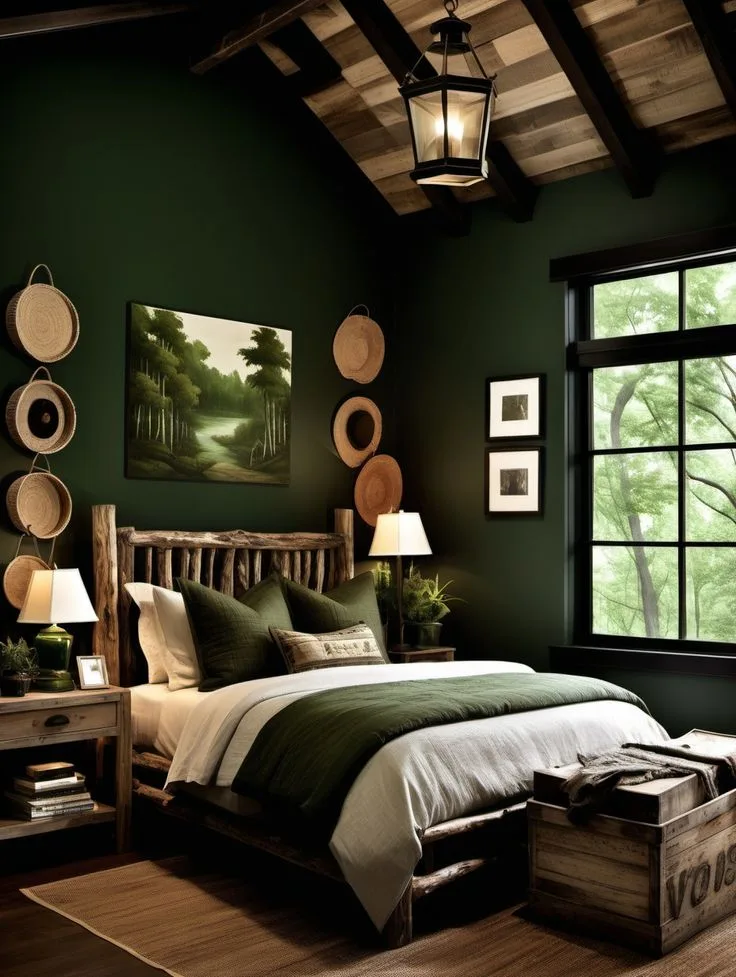
, Forest & Hunter Green: Brings an organic, grounding vibe to the space. It’s a color that feels both timeless and rich.
, Burgundy & Aubergine: For maximum, warm drama. These shades require careful balancing with plenty of neutral textiles to avoid overwhelming the senses.
The Critical Step: Always Test. Paint color changes dramatically with light. Manufacturer specifications provide the LRV, but your eyes are the final judge. Paint a large swatch (at least 4’x4′) on the wall and observe it for a full 24-hour cycle.
Notice how it looks in the morning light versus under your evening lamps. That deep blue might lean more gray at noon, which could be perfect or a deal-breaker.
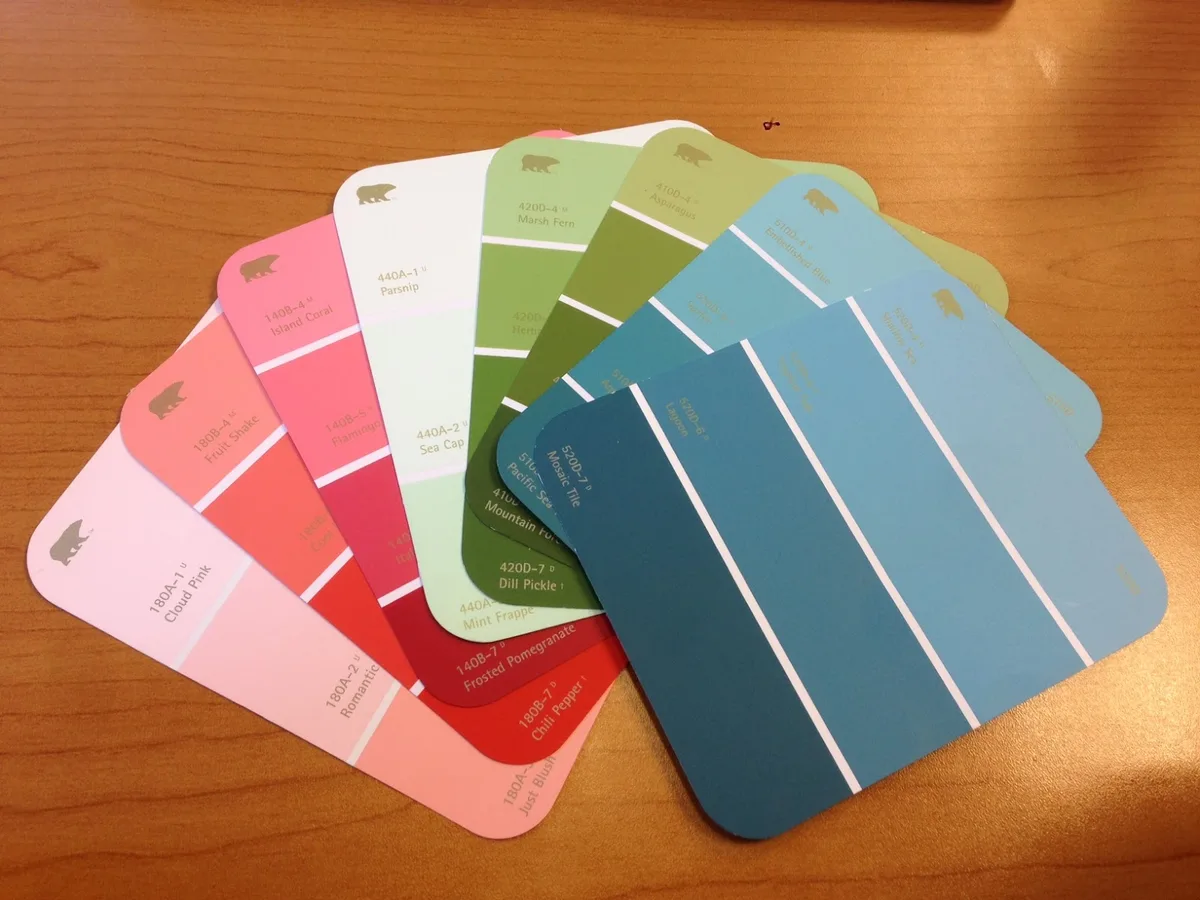
Image source: Bing (Web (fair-use with source credit))
The Non-Negotiable Tool: Layering Light to Fight the Cave
This is the single most common mistake: not planning for enough light. A dark room without intentional lighting is just a dark room. You are painting with light, creating pools and pockets of warmth that define different zones within the space.
First, commit to ditching the central overhead fixture for daily use. It casts unflattering shadows and kills the mood. Your lighting plan should have three layers:
- Ambient: The general, soft fill light. This can come from dimmable wall sconces, a light-diffusing floor lamp, or even LED strips hidden behind a headboard or crown molding.
- Task: Focused light for specific activities. Bedside lamps for reading are the prime example. Opt for styles with opaque shades that direct light up and down, not out into the room, to prevent glare.
- Accent: The decorative sparkle. This is the light from a picture light over art, a small table lamp on a dresser, or, most effectively, real candlelight.
The quality of light matters as much as the quantity. Always choose bulbs with a warm color temperature, 2700 Kelvin is the sweet spot. It replicates the cozy glow of incandescent bulbs without the heat.
Dimmers are not optional; they are essential for giving you full control over the room’s ambiance from morning to night.
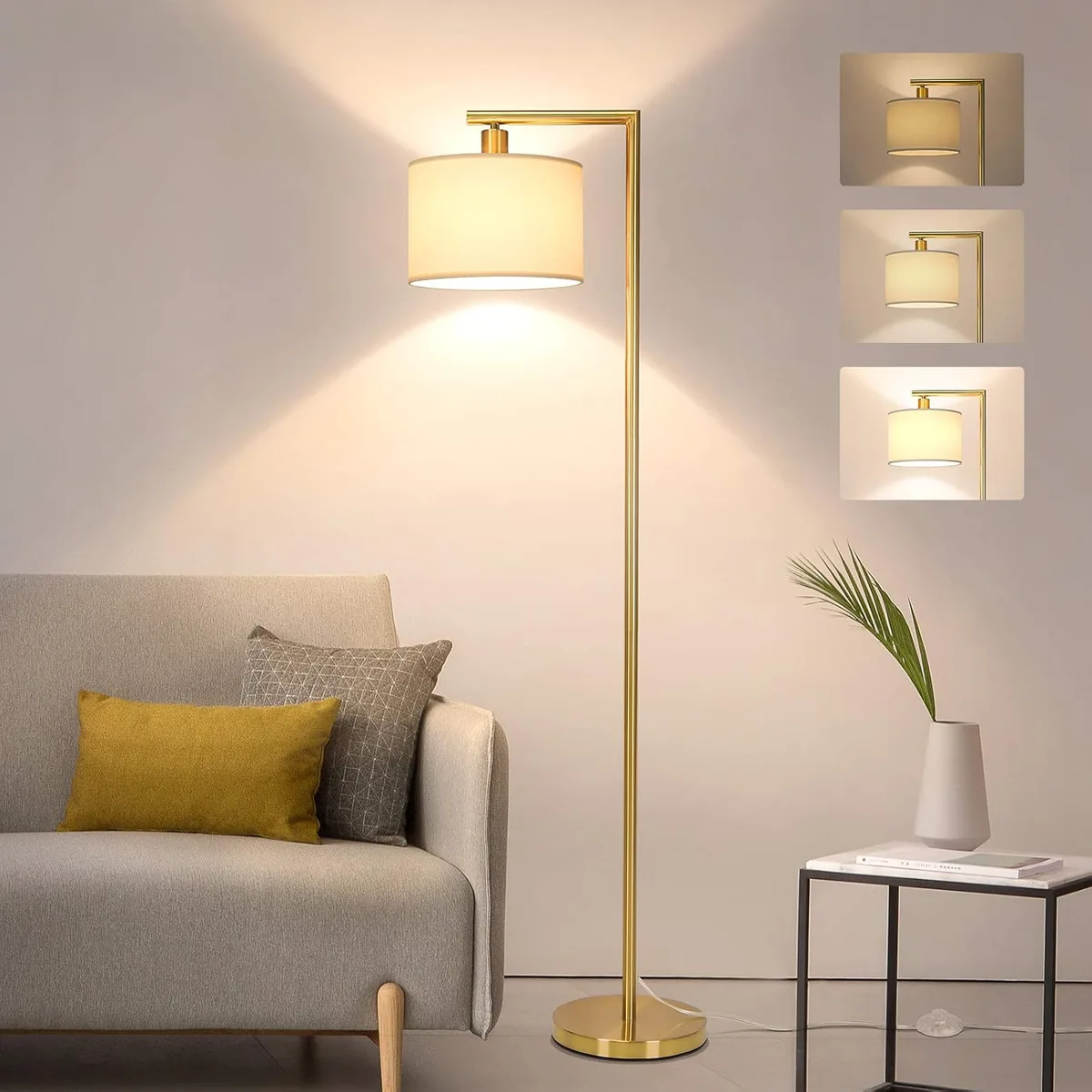
Image source: Bing (Web (fair-use with source credit))
Your Texture Toolkit: From Flat to Fantastic
If paint is the foundation and light is the tool, texture is the magic. A room painted a beautiful deep tone but filled with only smooth, flat surfaces will feel lifeless and cold. Texture adds visual weight, tactile interest, and a sense of luxury that completes the look.
Think in terms of contrasts:
- Bedding: Start with crisp, smooth cotton or linen sheets (a lighter color is key for contrast). Layer on a nubbly, matelassé coverlet or a chunky knit throw. Then, add a final pillow in a plush velvet or chenille. You’ve just combined smooth, nubby, and plush.
- Flooring: A large area rug is crucial. Even over carpet, it defines the sleeping zone. Choose a high-pile wool for cloud-like softness or a natural sisal for organic texture. It breaks up the floor plane and adds comfort underfoot.
- Window Treatments: Sheer curtains won’t cut it. You need the weight and drape of a velvet, a heavy linen, or a textured weave. They frame the window seriously and help with light control and acoustics, making the room feel finished and cozy.
- Walls & Accents: Consider a grasscloth wallpaper on a single accent wall behind the bed for incredible depth. Incorporate objects with different surfaces: a polished marble tray, a rough-hewn wood bowl, a brushed brass vase.
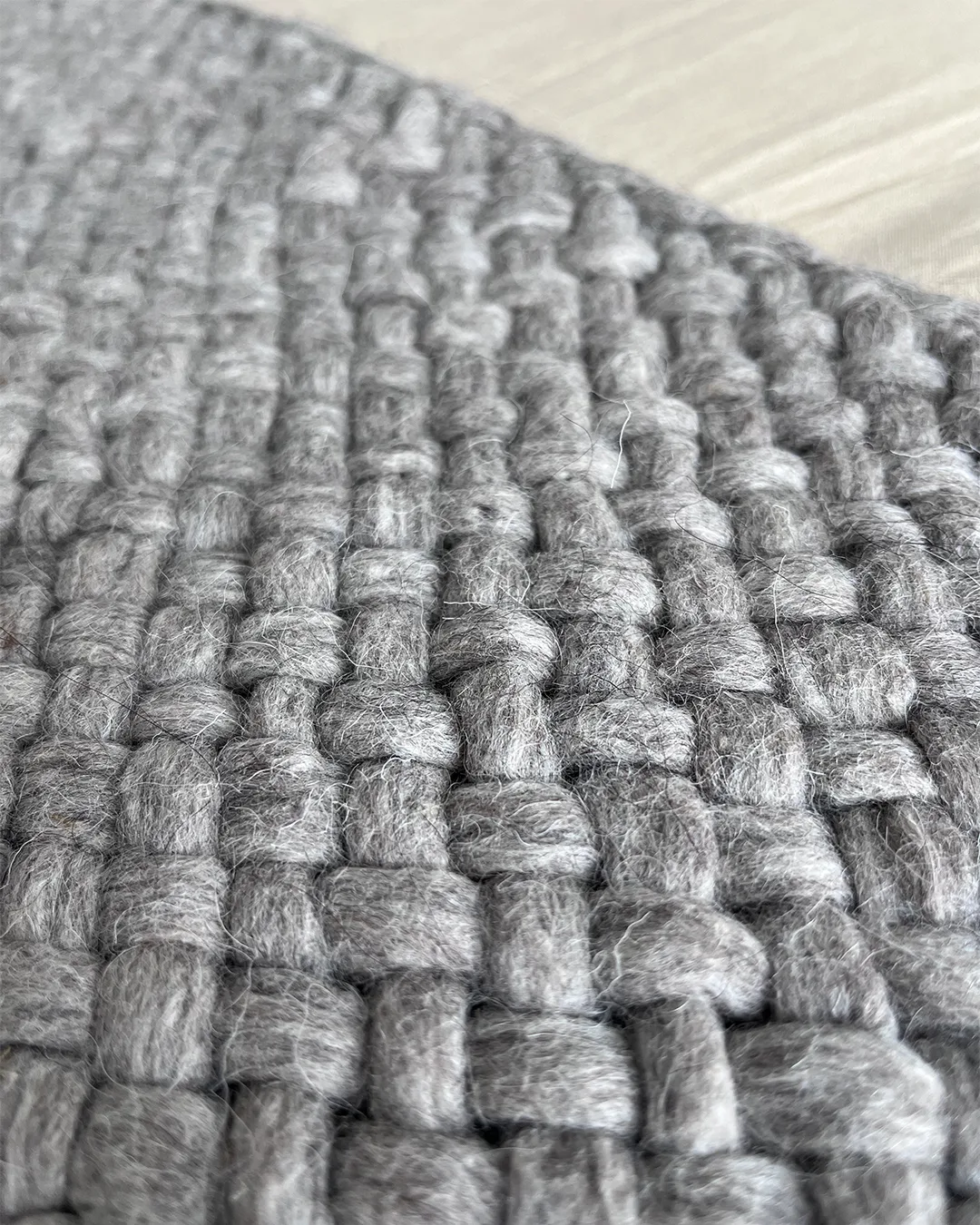
Image source: Bing (Web (fair-use with source credit))
Furniture & Decor: How to Warm Up a Dark Room
The final step is to ensure your space feels inviting, not icy. Dark walls can have cool undertones, so your furniture and decor selections must actively bring warmth back into the equation. This is where you prevent the “cavern” feeling for good.
Wood is Your Best Friend. Furniture in warm wood tones is non-negotiable. Walnut, oak, teak, or even a warm cherry introduce a natural, organic element that grounds the dark palette. A bed frame, nightstands, or a dresser in a rich wood finish creates an instant feeling of warmth and quality.
This principle extends to other elements like rustic ceiling beams or wooden decorative objects.
Metals Add Sparkle. Metallics catch and reflect your carefully placed light. Brushed brass, antique bronze, and aged gold are perfect complements to deep blues and greens. Think lamp bases, cabinet hardware, picture frames, and decorative objects.
A single large, ornate mirror in a gold frame will also bounce light around the room, making it feel more spacious.
Style With Light and Life. Your decor items should provide points of relief and interest.
- Art: Choose pieces with lighter matting or creamy backgrounds. A large-scale botanical print or abstract art with lighter tones creates a beautiful focal point against the dark wall.
- Greenery: A large, healthy plant like a fiddle leaf fig or a monstera in a simple, neutral pot adds life, color, and a breath of fresh air. If you lack natural light, a high-quality faux plant works too.
- Personal Touches: Incorporate a few lighter-colored books, a ceramic vase, or a soft blanket draped over a chair. These small touches make the space feel lived-in and personal, not like a staged showroom. You can apply similar principles of balancing dark tones with warm accents when designing other intimate spaces, like a moody bathroom.
Putting It Together: A Visual Mood Board Walkthrough
Let’s move from theory to a visual plan. Imagine creating three distinct mood boards. This isn’t about copying a look exactly, but about seeing how the principles of color, texture, and warmth combine into a cohesive feel.
The Deep & Earthy Sanctuary
This board focuses on grounded, natural luxury. The wall color is a forest green with subtle gray undertones (LRV around 15). The bedding starts with ivory linen sheets, layered with a heavyweight oatmeal-colored wool blanket.
The rug is a large, textured jute.
Furniture is all in warm walnut tones. Lighting comes from aged brass swing-arm sconces and a ceramic table lamp with a linen shade. Accents include a large fiddle leaf fig plant, a stack of art books with neutral covers, and a single abstract painting with cream and charcoal tones.
The vibe is calm, organic, and sophisticated.
The Moody Coastal Retreat
This look is serene and layered, not bright and beachy. The walls are a deep, inky navy blue. Bedding is crisp white percale with a chunky, off-white cable-knit throw at the foot.
The rug is a light, plush wool in a soft gray.
Furniture features whitewashed oak or light pine pieces to keep the feel airy. Lighting is brushed nickel or polished chrome, with clean-lined fixtures. Decor includes woven seagrass baskets, a collection of white ceramic vessels, and framed black-and-white coastal photography.
It’s moody but fresh.
The Gothic Glam Statement
For those who love high drama, this board is opulent and rich. The wall color is a saturated burgundy or a deep aubergine. Bedding is luxurious: white satin or sateen sheets with a black velvet duvet cover and velvet pillows in a lighter plum or gold.
Furniture is dark and ornate, perhaps a black lacquered four-poster bed or a vintage-inspired piece. Lighting is all about antique gold and crystal. Think a crystal chandelier (on a dimmer) and gilded table lamps.
Accents include a large gilded mirror, dark floral arrangements, and art with ornate gold frames. It’s bold, romantic, and intensely cozy.
Step-by-Step: Building Your Dark Bedroom, Layer by Layer
A successful project follows a logical sequence. Jumping straight to decorating without a plan leads to costly mistakes and a disjointed feel.
Phase 1: Lock Down Your Color Story
This starts long before a paint can is opened. Gather large physical swatches or order sample pots of your top three color contenders. Paint them on poster board or directly on the wall in a few spots.
Observe them for at least two full days.
Pay attention to the undertones as the light changes. Does that beautiful gray suddenly look lavender in the evening lamp light? That’s the undertone revealing itself.
Once you’ve chosen, commit to the sheen. A matte or eggshell finish will absorb light and feel rich, while a satin will have a slight glow. For most dark bedrooms, matte is the safer, more luxurious choice.
Phase 2: Design Your Lighting Plan (Before You Buy Furniture)
With your color chosen, you now know how much light you’ll need to add back in. Map the room on paper. Mark the bed placement, then identify locations for your three lighting layers.
Where will the bedside plugs or sconces go? Is there an outlet for a floor lamp in the reading corner? Do you need an electrician to add a dimmer switch or install hardwired sconces?
Addressing these questions now prevents you from buying a perfect nightstand that has no place to plug in a lamp. This forward-thinking approach is just as valuable in other complex spaces, like planning a gaming room’s ambient lighting.
Phase 3: Source Your Textural Layers
Now you can shop for the big-ticket items that add feel. Your list should prioritize items that contribute multiple textures.
- The Rug: Go as large as your budget allows. It should extend at least 18 inches beyond the sides of the bed.
- The Bedding: Invest in high-quality natural fiber sheets. Then, build your layers with a textured coverlet and a throw.
- Window Treatments: Measure your windows and order panels that are full and generous. They should pool slightly on the floor for a luxe look.
Look for materials that contrast with each other: smooth linen against nubby wool, soft velvet against rough-hewn wood. This phase builds the room’s tactile personality.
Phase 4: Style With Warmth and Contrast
Finally, bring in the furniture, art, and decor that make the room yours. Place your warm wood nightstands and dresser. Hang your curtains and install your lighting.
Start styling surfaces with the lighter, metallic, and natural elements we discussed. Place the art, add the greenery, and drape the final throw blanket. This is where you fine-tune the balance, ensuring there are enough light-reflective and light-colored items to keep the space feeling open and inviting.
The same careful styling logic applies when aiming for a cohesive feel in other moody, character-rich spaces.
Common Pitfalls (And How to Dodge Them)
Even with a great plan, it’s easy to stumble. Here are the most frequent missteps we see in editorial reviews of design projects.
Pitfall 1: The Single Light Source Trap. You installed beautiful sconces but skipped the floor lamp. Now you have a bright spot by the bed and a dark, uninviting corner. The fix is to always ensure at least three points of light are visible from anywhere you sit or lie in the room.
Pitfall 2: Forgetting the Fifth Wall. The ceiling painted the same dark color as the walls can feel like a lid closing in. If your room has standard 8-foot ceilings, consider painting the ceiling a slightly lighter shade of your wall color, or ensure your lighting plan includes fixtures that wash light upward to illuminate it.
Pitfall 3: The Monochromatic Match. Making everything the same dark tone is a surefire way to create a flat, lifeless box. The eye needs places to rest. Always introduce a significant percentage of lighter neutrals (through bedding, a rug, or art) and contrasting textures.
Pitfall 4: Ignoring the Undertone Battle. You fell in love with a green-gray paint, but your existing furniture has strong red-brown wood tones. Warm and cool undertones can clash, making the room feel unsettled. Always check your major furniture pieces against your paint swatch in the actual room light before committing.
Budget Breakdown: Where to Splurge and Where to Save
You don’t need a limitless budget to achieve this look. Strategic allocation is key. As of 2026, here’s how we’d prioritize spending based on aggregate project cost analyses.
Splurge (Get the Best You Can Afford):
- The Rug: This is the largest textile in the room and gets daily wear. A high-quality, properly sized rug defines the space and adds immediate comfort.
- Bedside Lighting: You interact with these lights every day. Invest in well-made lamps or sconces with good dimming functionality and warm, high-quality bulbs.
- Paint: Don’t cheap out here. Higher-quality paint in a dark color typically offers better coverage (needing fewer coats), a richer pigment, and a more durable finish. It’s worth the extra cost per gallon.
Save (Smart Finds Are Fine):
- Decorative Pillows & Throws: These are easy to find at discount home stores, online marketplaces, or even make yourself. You can update them seasonally without breaking the bank.
- Artwork: You don’t need expensive originals. Large format prints from affordable online sources, framed simply, can have huge impact. Create a gallery wall with a mix of personal photos and inexpensive prints.
- Curtain Rods & Basic Hardware: Simple, functional rods in a finish you like are widely available at low cost. The investment is in the curtain fabric itself, not the metalwork.
The Table Test: A great middle ground is furniture. Solid wood nightstands can be a major investment. Consider shopping vintage or refinishing a secondhand pair.
Alternatively, a well-made upholstered bench or stool at the end of the bed can be your splurge, while you use simpler, less expensive side tables.
Can You Do This in a Rental? Absolutely. Here’s How.
Renting doesn’t mean you’re stuck with bland walls. You just need reversible, landlord-friendly tactics. The core idea is to add darkness and texture without permanent changes.
Temporary Walls: Removable wallpaper is a game-changer. Look for peel-and-stick options in dark, textured patterns like grasscloth, velvet, or geometric prints. You can cover a single accent wall behind the bed for maximum impact with minimum commitment.
Test a small piece first to ensure it removes cleanly from your wall type.
Portable Color & Texture: If even removable wallpaper is a no-go, shift your focus. Keep the walls neutral and bring the mood in through massive, dark, textured bedding and a large, dark area rug. Floor-to-ceiling dark curtains hung wider than the window frame can create the illusion of a dark wall.
The visual weight comes from the furnishings, not the paint.
Lighting Solutions: You likely can’t install hardwired sconces. Use plug-in wall sconces instead. They mount with a simple bracket (often just a nail or two) and plug into an outlet, with the cord cleverly disguised.
Battery-operated, remote-controlled puck lights or LED strips can be placed under the bed frame or behind a headboard for ambient glow without any wiring.
Warmth Without Nails: Use freestanding shelves or a large, dark wood leaning mirror to add warmth. Decorate with plants in beautiful baskets and piles of books with dark covers. Your texture comes from throws, pillows, and a thick knit blanket draped over a chair.
The goal is to create a layered, enveloping feel that you can pack up and take with you. This flexible, decor-focused approach shares DNA with creating a temporary yet impactful feature in a rental bathroom.
Frequently Asked Questions
What if my room is already very small?
A dark color can actually make a small room feel more cozy and intentional, not smaller. The key is to use large mirrors and multiple light sources to reflect light and create depth. Keep furniture scaled appropriately and avoid clutter.
Can I use white furniture in a dark bedroom?
Absolutely. White or light-colored furniture creates beautiful, high-contrast drama against dark walls. It helps to keep the room feeling fresh and prevents it from becoming too heavy.
Just ensure you balance it with other warm textures like wood and metal.
How many light sources do I really need?
Aim for a minimum of three independently controlled light sources in the room. This typically includes two bedside lamps and one other source, like a floor lamp or a pendant. More layers give you greater control over the mood and function.
Is eggshell or matte paint better for dark walls?
Matte finish is generally preferred for dark bedroom walls. It absorbs light, hiding imperfections and creating a rich, velvety depth. Eggshell has a slight sheen that can highlight wall flaws under artificial light.
Always check the paint’s washability.
What’s the biggest mistake people make?
The most common mistake is using only one or two light sources. This leaves the room with dark, dead corners that feel uninviting and amplify the cave-like feeling. Layered, warm lighting is the single most important factor for success.