Romantic Moody Bedroom Ideas for an Intimate, Elegant, and Dreamy Space
You might have seen photos of a romantic moody bedroom and wondered if you could pull it off without the whole room just feeling, well, dark. That's the real challenge. This look isn't about making a cave.
It's about creating a sense of intimate, enveloping calm that feels sophisticated, not somber. Think less "basement," more "luxury boutique hotel at night." It's a sanctuary that shuts the world out.
It works because it leans on principles like a matte paint finish to absorb light rather than reflect it, and research from lighting standards groups like the Illuminating Engineering Society confirms that warm, low-level light is key for a restful atmosphere. If you're tired of a bright, generic space and want a retreat that actually makes you want to stay in bed, let's walk through how it's done.
Quick Answer
A romantic moody bedroom is a dark, textured, and intimate retreat. It uses deep wall colors in matte finishes to absorb light. Warm, layered lighting from multiple low sources replaces a single overhead.
The feel comes from contrasting textures like velvet, linen, and wood. The goal is a cocooning atmosphere that promotes relaxation and feels personally sophisticated, not just dark.
What a "Romantic Moody Bedroom" Actually Feels Like (And Why You Want One)
Let's clear something up first. This aesthetic isn't for everyone, and that's okay. If you crave a bright, airy sunroom feel, this won't be your jam.
But if you're drawn to spaces that feel protected, calm, and a bit dramatic, you're in the right place.
The feeling we're after is "cocooning." The room should wrap around you. It's quiet, even when it's not silent. The lighting is soft and flattering, the colors are deep and restful, and every surface invites touch.
It’s the opposite of a sterile, white-box room. It has personality and depth.
In practical terms, this look solves a few common problems. It can make a large, echoey bedroom feel more intimate and grounded. It's fantastic at hiding less-than-perfect walls, as matte dark paint is very forgiving.
And most of all, it creates an environment that actively discourages screen time and encourages winding down. It’s a physical cue to your brain that it’s time to rest.
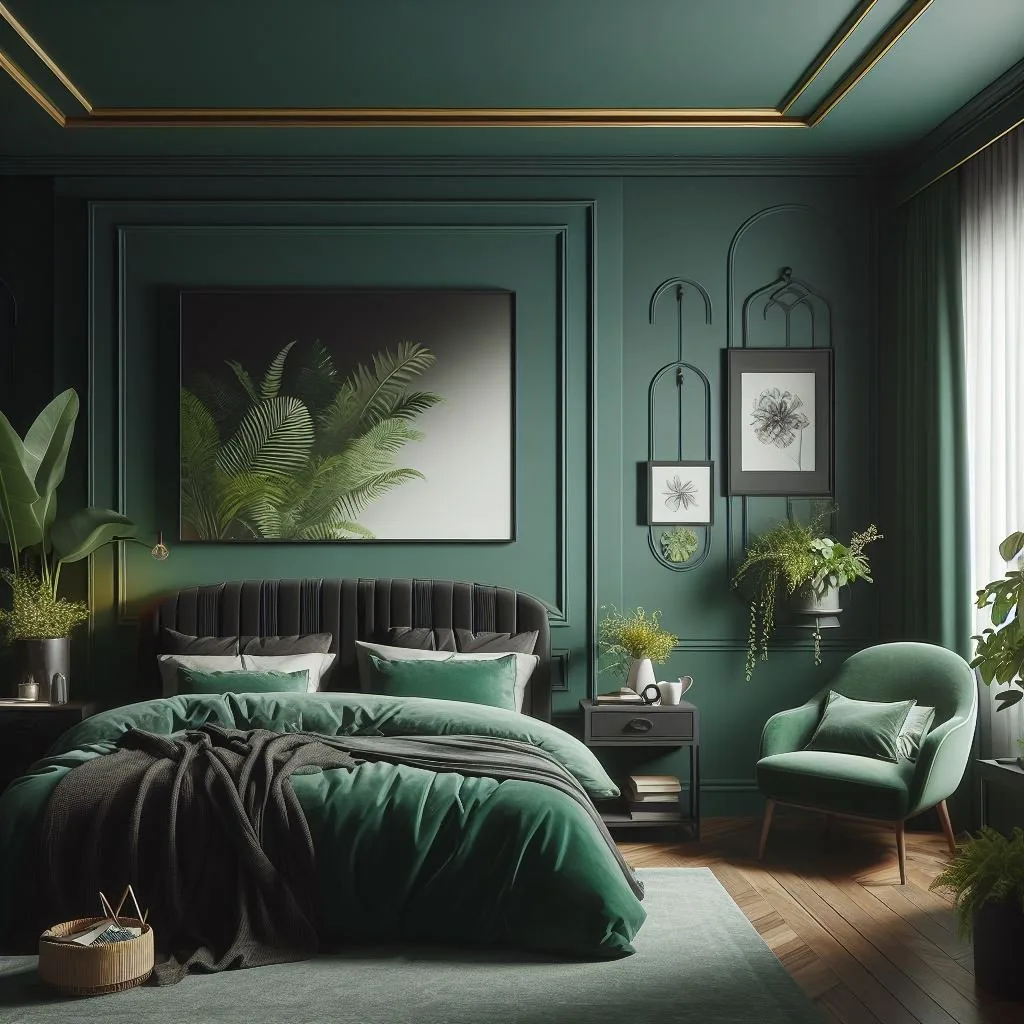
Image source: Bing (Web (fair-use with source credit))
It Starts with Paint: Your Color Strategy is Everything
This is the single most important decision. The paint color sets the entire mood and acts as the foundation every other choice builds on. Going with a safe beige or light grey here will completely undermine the "moody" effect.
You need to commit to depth.
Our research into color theory and manufacturer specifications shows that the psychology of dark colors in a bedroom is about reducing visual noise. Deep blues, greens, charcoals, and even rich purples or burgundies have a receding, calming effect. They make the walls feel like they're embracing the space rather than defining its edges.
The Non-Negotiable: Go Dark and Go Matte
The finish is as critical as the hue. You must use a matte or flat finish. Eggshell or satin has a slight sheen that reflects light, which can make a dark color look shiny and cheap, like a black car with a bad wax job.
A true matte finish (often listed as 0-5% gloss) absorbs light. This gives the color a velvety, infinite depth and hides wall imperfections beautifully.
Think of it like this: a glossy black is harsh and reflective. A matte black is soft and absorbs everything. You want that soft, light-absorbing quality.
Brands known for their pigment quality and matte formulations, like Farrow & Ball or Benjamin Moore, are popular for this reason, but many mainstream brands offer excellent matte options.
Your Secret Weapon: The One Lighter, Brighter Element
Here's the expert tip to avoid the "cave" feeling: balance is everything. While your walls go dark, you need to intentionally introduce at least one element that is distinctly lighter or brighter in the same color family.
This isn't about adding a random splash of neon. It's about creating tonal variation. For example:
- If your walls are a deep navy, your bedding could be a dusty blue or a blue-grey.
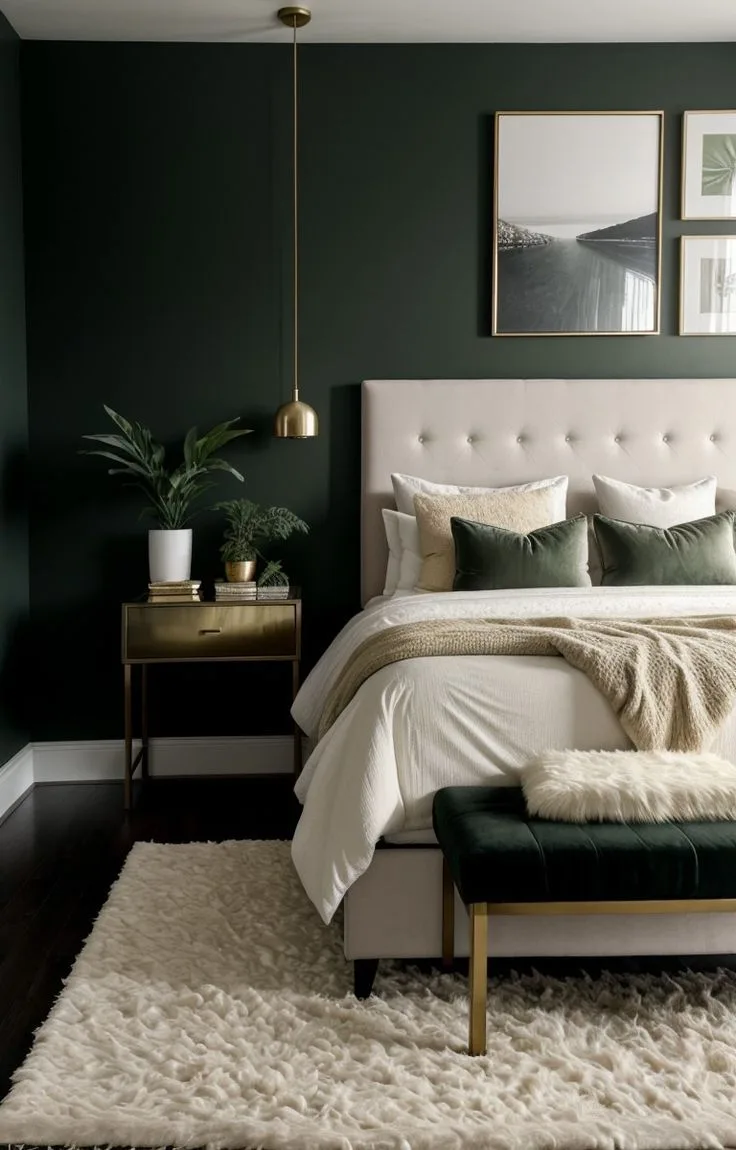
- If you choose a dark forest green, incorporate some sage green or ochre.
- With a charcoal wall, use warm, creamy whites for your linens and trim.
This contrast creates visual interest and prevents the room from feeling like a flat, monochromatic box. It adds layers and sophistication. You can explore similar tonal balancing acts in different palettes, like the strategies used in an earthy moody bedroom decor scheme.
The Lighting Rule: No Overheads Allowed
This is the second pillar, and it's non-negotiable. The single biggest mistake you can make is relying on a bright, central ceiling fixture. That type of light is clinical, casts unflattering shadows, and destroys any intimate mood you've created with your paint.
As of 2026, the standard for ambient bedroom lighting from bodies like the Illuminating Engineering Society prioritizes low, warm, and layered illumination.
You need to think in terms of lighting "pools." The goal is to have several small sources of warm light that gently illuminate different zones of the room, leaving other areas in soft shadow. This creates depth and mystery.
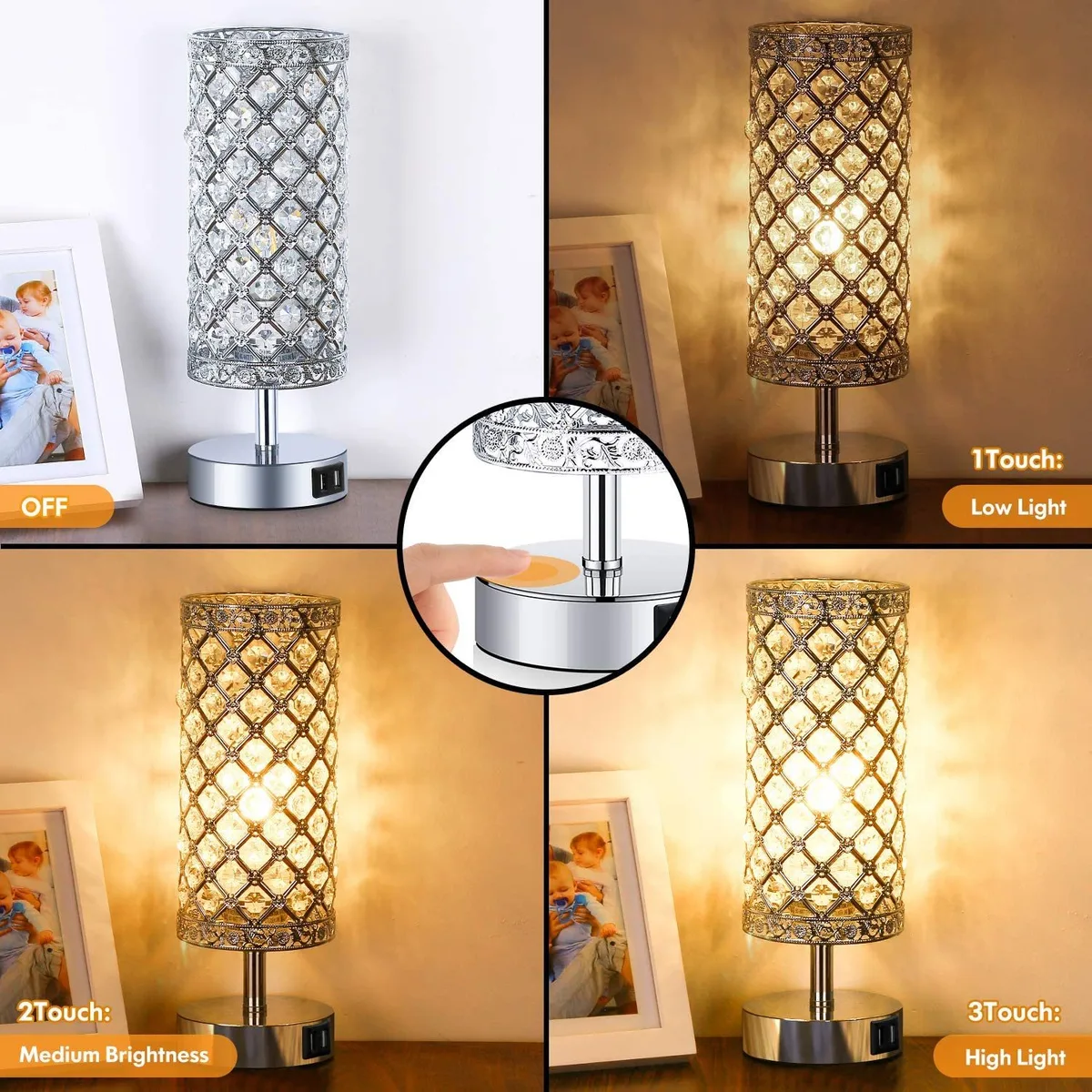
Image source: Bing (Web (fair-use with source credit))
How to Build Your Three-Layer Light System
A professional lighting plan uses three layers. You don't need all three to be elaborate, but you need at least two.
Ambient (The General Glow): This is your background light. It should be very diffuse and warm. Think of:
- A plug-in wall sconce with a fabric shade.
- A floor lamp in a corner, aimed at the ceiling or wall to "bounce" light.
- LED strip lighting hidden behind a headboard or crown molding.
- Crucial Spec: Use bulbs labeled "warm white" at 2700 Kelvin (K) or lower. 2200K is even cozier. Avoid "daylight" or "cool white" bulbs at all costs.
Task (Light for Doing): This is for reading, writing, or finding things in a drawer.
- Bedside table lamps are the classic choice. Go for lamps with solid bases and fabric or paper shades that diffuse the light.
- Adjustable wall-mounted reading lights are a sleek, space-saving option.
- A small lamp on a dresser or vanity.
Accent (The Drama): This is the jewelry of your lighting. It highlights texture and adds sparkle.
- A picture light over a piece of art.
- A small, focused lamp on a shelf to illuminate a decorative object.
- The MVP: Dimmability. Installing dimmer switches on your lamps or using smart bulbs is the ultimate pro move. It lets you adjust the mood from "evening relax" to "midnight navigation" with a slider or voice command.
Texture is What Makes "Moody" Feel "Cozy"
Color and light set the stage, but texture is the actor that makes you feel something. A room with only smooth, flat surfaces will feel cold and uninviting, no matter how nice the paint is. Texture adds the tactile, lived-in warmth that transforms "moody" into "cozy."
You need to create a mix of rough and smooth, nubby and sleek, hard and soft. This contrast is what makes your eyes (and hands) want to explore the space.
The Four Key Texture Zones in Your Bedroom
Focus your texture efforts on these areas where they have the most impact:
The Bed: This is your primary texture canvas. Avoid matching sets. Instead, mix fabrics.
- A velvet or chenille duvet cover for lush, light-catching softness.
- Linen or cotton pillowcases for a relaxed, breathable feel.
- A chunky knit throw or a faux fur blanket draped across the foot of the bed.
- A quilt with interesting stitching or a subtle pattern can add another layer.
The Floor: A soft, plush rug is non-negotiable for warmth underfoot. A low-pile flatweave won't cut it. Look for a high-pile wool, a shag, or a textured Moroccan-style rug. It should be big enough that the bed sits on it, with plenty of room to step out onto it in the morning.
The Windows: Fabric drapes add immense softness and help with acoustics. Heavy velvet or linen blends in a solid color work beautifully. Their weight and drape add a sense of substance. For more eclectic texture mixing, you could look at ideas from a moody boho bedroom design for inspiration.
The Surfaces: Incorporate natural materials. A nightstand made of reclaimed wood with a visible grain. A rattan or cane accent chair. A marble or travertine tray on the dresser. A ceramic vase. These hard textures ground the softness of the fabrics.
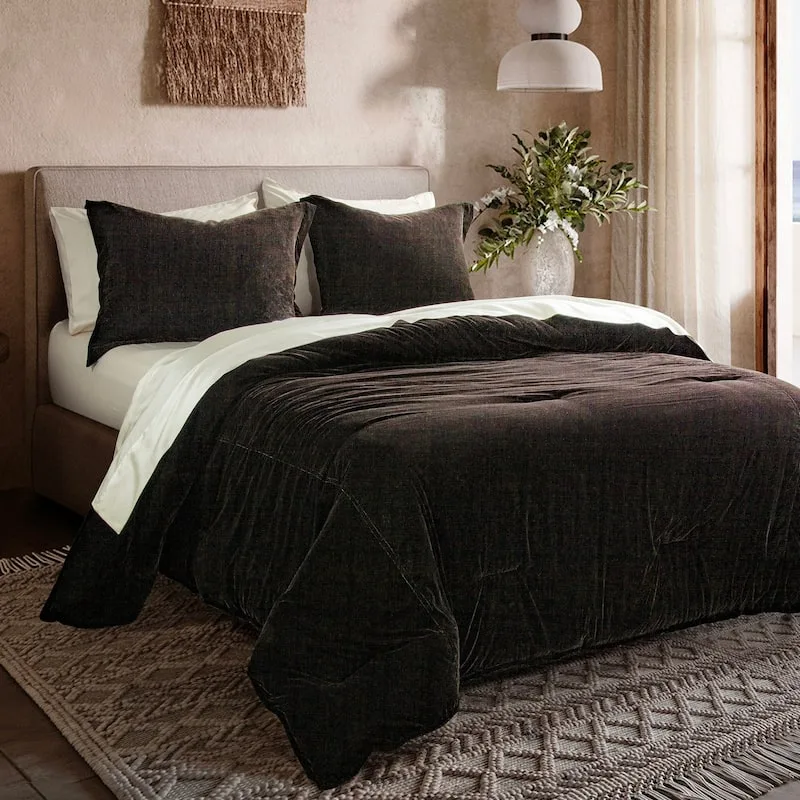
Image source: Bing (Web (fair-use with source credit))
Texture is What Makes "Moody" Feel "Cozy"
Color and light set the stage, but texture is the actor that makes you feel something. A room with only smooth, flat surfaces will feel cold and uninviting, no matter how nice the paint is. Texture adds the tactile, lived-in warmth that transforms "moody" into "cozy."
You need to create a mix of rough and smooth, nubby and sleek, hard and soft. This contrast is what makes your eyes (and hands) want to explore the space.
The Four Key Texture Zones in Your Bedroom
Focus your texture efforts on these areas where they have the most impact:
The Bed: This is your primary texture canvas. Avoid matching sets. Instead, mix fabrics.
- A velvet or chenille duvet cover for lush, light-catching softness.
- Linen or cotton pillowcases for a relaxed, breathable feel.
- A chunky knit throw or a faux fur blanket draped across the foot of the bed.
- A quilt with interesting stitching or a subtle pattern can add another layer.
The Floor: A soft, plush rug is non-negotiable for warmth underfoot. A low-pile flatweave won't cut it. Look for a high-pile wool, a shag, or a textured Moroccan-style rug. It should be big enough that the bed sits on it, with plenty of room to step out onto it in the morning.
The Windows: Fabric drapes add immense softness and help with acoustics. Heavy velvet or linen blends in a solid color work beautifully. Their weight and drape add a sense of substance. For more eclectic texture mixing, you could look at ideas from a moody boho bedroom design for inspiration.
The Surfaces: Incorporate natural materials. A nightstand made of reclaimed wood with a visible grain. A rattan or cane accent chair. A marble or travertine tray on the dresser. A ceramic vase. These hard textures ground the softness of the fabrics.
Image source: Bing (Web (fair-use with source credit))
Choosing Your Bed: The Visual Anchor of the Room
Your bed is the largest object in the room, so its style dictates a lot. In a moody scheme, you generally want to avoid ultra-modern, platform-style beds with clean, sharp lines. Those can feel cold.
You're looking for something that contributes to the sense of softness and envelopment.
Upholstered, Wood, or Iron? Finding Your Frame
Each material brings a different vibe.
- Upholstered Beds: These are the kings of cozy. A fully upholstered headboard (in velvet, linen, or leather) adds instant softness and texture. It's also comfortable for reading. This is often the safest and most effective choice for nailing the romantic mood.
- Wood Beds: Opt for pieces with a dark stain or a natural, oiled finish that shows the wood grain. Look for styles with curves, carvings, or a canopy structure. Avoid light, washed-out pine or very geometric, mid-century modern shapes unless you're deliberately mixing styles. The rich tones of wood add wonderful warmth.
- Wrought Iron Beds: These can work beautifully, but choose carefully. Look for pieces with curved, intricate scrollwork rather than straight, industrial lines. A black or dark bronze finish is best. The key is that the metal should feel decorative and romantic, not utilitarian.
How to Dress Your Bed Like a Pro (Not a Showroom)
Forget the stiff, perfectly coordinated bed-in-a-bag set. The goal is layered, inviting, and slightly imperfect.
Start with your sheets. High-thread-count cotton sateen has a subtle sheen that feels luxurious, while linen or percale cotton is more matte and relaxed.
Next, add a duvet or comforter in your primary textured fabric (like velvet). Don't just lay it flat. Give it a slight, casual fold at the foot of the bed or drape it unevenly.
Then, pile on the pillows. Use a mix of sizes and fabrics. Standard sleeping pillows go in the back in simple cases.
Then add two European square shams in a contrasting texture (like linen). Finally, layer in a few decorative pillows in varying sizes and fabrics, a smaller lumbar pillow in velvet, a square pillow with an interesting weave.
Finish with a throw blanket casually draped over a corner of the bed or the footboard. A chunky knit, faux fur, or a beautifully woven blanket adds the final touch of "come hither" comfort.
Smart Furniture & Decor: Filling Space Without Clutter
In a moody room, every piece should feel intentional. Clutter is the enemy of a serene, sophisticated vibe. You want a curated feel, not a crowded one.
Nightstands: Go for substance. A single, substantial nightstand is better than two flimsy ones. If you have the space, two matching substantial nightstands are ideal.
They should offer enough surface area for a lamp, a book, and a glass of water without looking messy. Consider pieces with drawers to hide charging cables and other necessities.
Seating: If space allows, a single accent chair in a corner or at the foot of the bed adds tremendous function and style. An upholstered armchair, a slipper chair, or a cane-back chair all work. Drape another throw blanket over its arm to reinforce the cozy texture.
Art & Mirrors: Choose a few impactful pieces rather than a gallery wall. A large-scale painting or photograph in a simple frame makes a bold statement. Mirrors are crucial, they bounce your soft light around and make the room feel larger.
But avoid frameless, bathroom-style mirrors. Opt for one with an interesting frame (wood, gilded, black metal) and place it strategically to reflect a candle or a nice view.
Surfaces: Practice disciplined styling. On your nightstand or dresser, group just two or three objects: a lamp, a small tray holding a candle and perhaps a piece of jewelry, and maybe a small vase or a stack of beautiful books. Leave plenty of empty, breathing space around them.
This mindful approach to accessorizing is a hallmark of many successful modern barndominium design interiors, where rustic elements meet curated simplicity.
The Window Dilemma: Light Control vs. Total Darkness
Your window treatment needs to serve two masters: style and function. The fabric you choose dramatically impacts the morning light and the evening mood.
You typically have two good options, often used together:
Light-Filtering Drapes: These are your best friend for the "moody" look. Made from materials like linen, cotton, or velvet, they diffuse incoming daylight into a soft, ethereal glow. They provide privacy while still letting you sense the time of day. During the day, they add beautiful texture and softness to the windows. Hang them high and wide, letting them pool slightly on the floor for a luxurious feel.
Blackout Liners or Shades: For actual sleep, especially if you're sensitive to light, you'll likely need a separate blackout layer. The cleanest solution is a blackout roller shade or cellular shade mounted inside the window frame. You can then draw your beautiful drapes over them during the day to hide them completely. This gives you total control over the light level at any time.
Avoid heavy, dark drapes without a light-filtering quality, as they can make the room feel dead during the day unless paired with a sheer underlayer.
The Most Common Mistakes That Kill the Vibe
It's easy to get one element right but miss another, which throws the whole look off. Here are the pitfalls to sidestep.
Mistake 1: The Flat, One-Color Box
This is the "cave" problem. It happens when you paint the walls a dark color and then match everything else to it. Dark walls, dark furniture, dark bedding, dark rug.
Without tonal variation and texture, the room has no dimension. It just feels heavy and flat.
The Fix: Remember your secret weapon, intentional contrast. Pair your dark walls with medium-toned woods, creamy linens, and metallics. Use the texture guidelines to create visual interest so the eye moves around the room.
Mistake 2: Harsh, Direct Light Sources
Using cool-white bulbs, relying on a single ceiling fixture, or choosing lamps with exposed bulbs that glare into your eyes will shatter the intimate mood instantly. Harsh light makes dark colors look severe and uninviting.
The Fix: Commit to warm bulbs (2700K or below) and multiple low-level light sources. Use shades to diffuse light. Install dimmers.
Lighting should be something you feel, not just see.
Mistake 3: Ignoring the Practicalities of Living
A bedroom still needs to function. If you can't find your clothes in the morning because it's too dark, or if every surface is covered in decorative objects with no room for your phone, the room will frustrate you.
The Fix: Design with your habits in mind. Ensure task lighting is placed correctly for reading and getting dressed. Include closed storage (dressers, nightstands with drawers) to keep daily clutter out of sight.
Leave clear pathways and functional surfaces. A beautiful room you can't live in isn't beautiful for long.
Real Room Challenges: Solutions for Common Spaces
Not every bedroom is a perfect, square, south-facing oasis. Here’s how to tackle tricky scenarios.
If You Have a North-Facing Room
North-facing rooms get cool, indirect light all day. The good news? This is actually ideal for a moody bedroom.
The cool light complements deep, cool-toned paints like navy, charcoal, and deep green, making them look rich and serene rather than dull. The lack of harsh direct sun means you won't get unwanted glare or fading.
Embrace it. Lean into cool color palettes. Since the light is flat, texture becomes even more critical to add depth and warmth.
Incorporate plenty of wood tones, warm metallics (like brass), and creamy textiles to balance the cool light. You can see how this plays out with cool tones in a dedicated space like a moody blue bedroom.
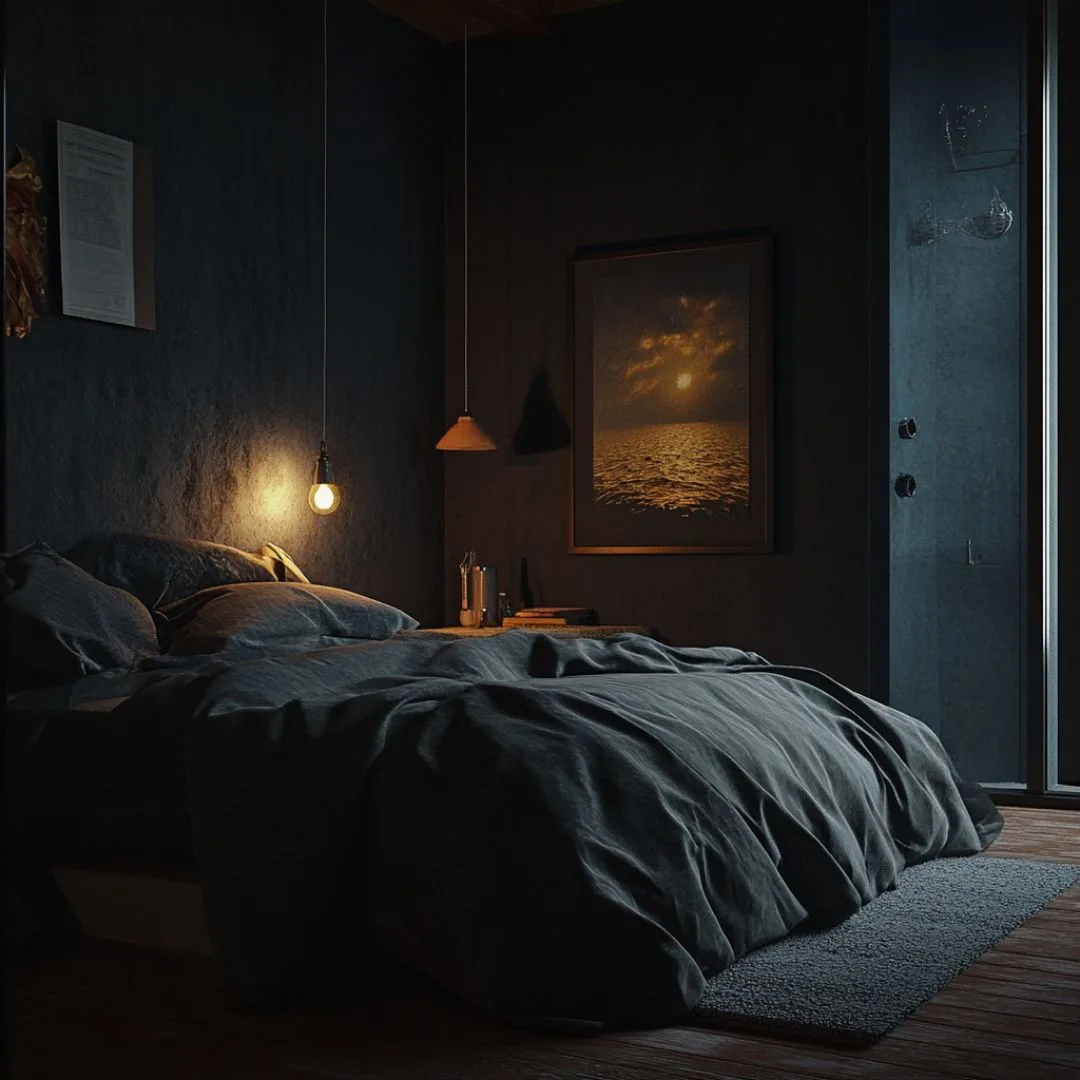
Image source: Bing (Web (fair-use with source credit))
If You're a Renter and Can't Paint
This is a common hurdle, but it's not a deal-breaker. You can create the moody vibe through everything except the wall color.
- Focus on the Bed: Make your bed the dramatic, dark focal point with deep-colored bedding, a tall upholstered headboard, and lots of texture.
- Large-Scale Art: Hang a very large piece of art or a tapestry in dark, rich colors. It will act like a movable accent wall.
- Dark Furniture: Use a dark wood or black dresser, nightstands, and a statement chair.
- Textile Walls: Hang floor-to-ceiling curtains in a dark, heavy fabric on either side of your bed or across a whole wall. This adds immense softness and color.
- Removable Wallpaper: Consider a temporary, peel-and-stick wallpaper on a single accent wall. Many modern options are high-quality and truly removable.
The key is to add large blocks of dark, textured elements that draw the eye away from the light walls.
If Your Bedroom is Very Small
The instinct is to paint small rooms white to feel bigger. But a dark color can actually make a small room feel cozy and intentional, not cramped. The trick is to keep it simple and unified.
- Paint the Ceiling Too: For a truly cocooning effect, paint the ceiling the same dark color as the walls. This eliminates the visual "lid" and makes the room feel like an enveloping box.
- Use Mirrors Strategically: A large mirror opposite the window will reflect the maximum amount of whatever light you have and create an illusion of space.
- Scale Down Furniture: Choose a bed frame with visible legs (instead of a solid platform) to show more floor. Use wall-mounted sconces instead of table lamps to free up nightstand space. A floating shelf can replace a bulky nightstand.
- Limit Patterns: Stick to a solid, dark color on the walls and use texture for interest. Too many patterns in a small, dark space can feel chaotic.
Your Action Plan: A Simple 5-Step Setup Order
Feeling overwhelmed? Don't try to do everything at once. Follow this order to build your room logically.
- Paint First. Choose and apply your dark, matte wall color. Live with the empty room for a day. See how the light changes.
- Layer the Lighting. Before you move furniture back, plan your outlets. Install any hardwired sconces or dimmer switches. Buy your lamps and warm bulbs.
- Place the Big Furniture. Position your bed, nightstands, and any large storage. Ensure the layout feels open and functional.
- Add the Soft Layers. This is your rug, bedding, and curtains. This step brings in all your color balancing and texture mixing.
- Style the Details Last. Finally, add your art, mirrors, a few decorative objects, and your throw blankets. Edit ruthlessly. Less is always more.
Frequently Asked Questions
How do I keep a dark bedroom from feeling depressing?
The difference is in warmth and texture. "Depressing" often comes from cold, flat, monochromatic darkness. Counter it with warm light bulbs (2700K), natural wood tones, creamy textiles, and lots of varied textures (velvet, knit, wood grain).
Introduce a living plant. The goal is a rich, enveloping darkness, not a cold, empty one.
What is the best color for a moody bedroom?
There's no single best color, as it depends on your preference and your room's light. Deep blues and greens (navy, forest green, teal) are universally flattering and calming. Charcoal grey is sophisticated and versatile.
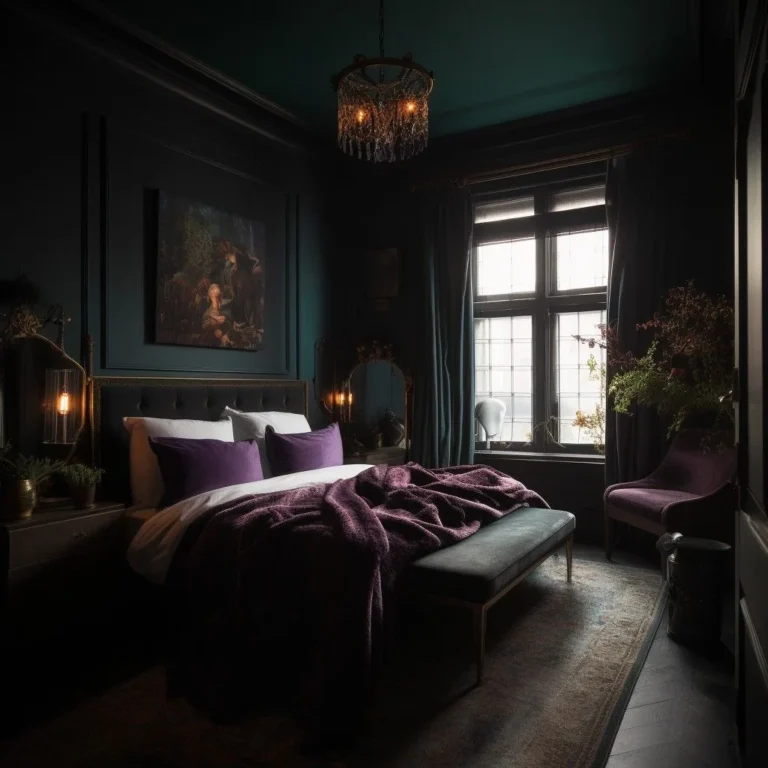
Deep burgundy or plum can feel incredibly romantic and rich. The best choice is one you love and that works with your existing furnishings.
Can I have a moody bedroom with white walls?
You can achieve a version of it, but the core enveloping feeling comes from the dark walls. With white walls, you'd rely on an extremely dark, textured bedscape, very low lighting, and dark, dramatic furniture and art. It will feel more "moody accent" than a fully immersive moody bedroom.
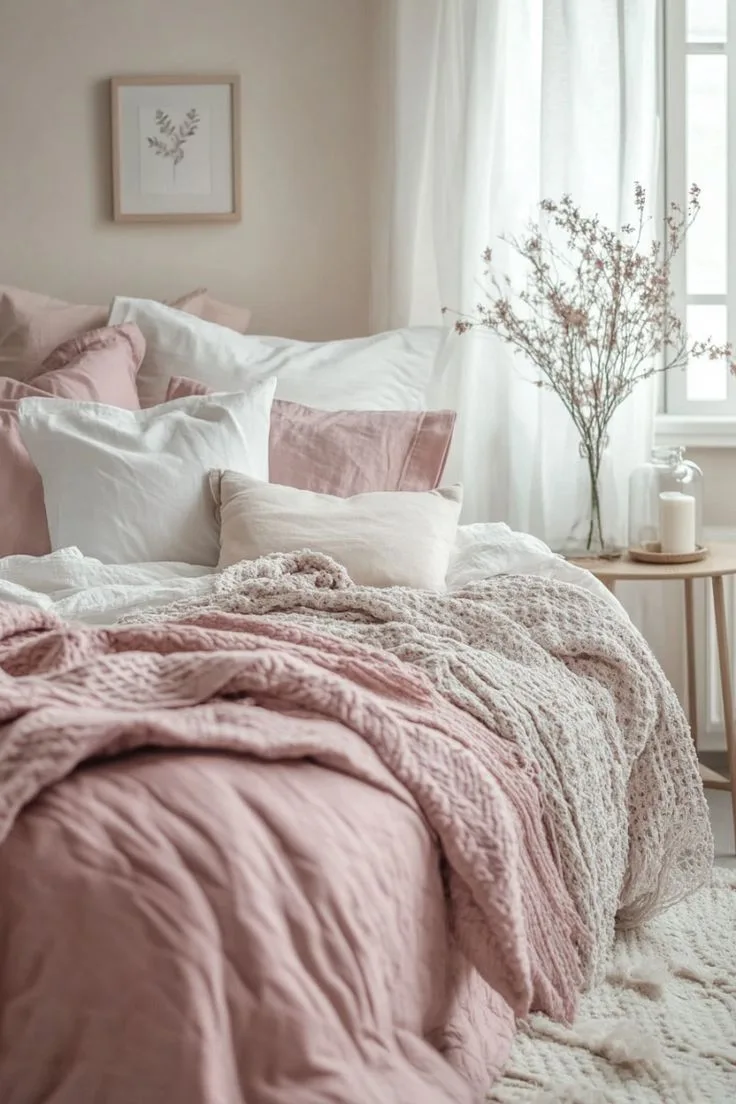
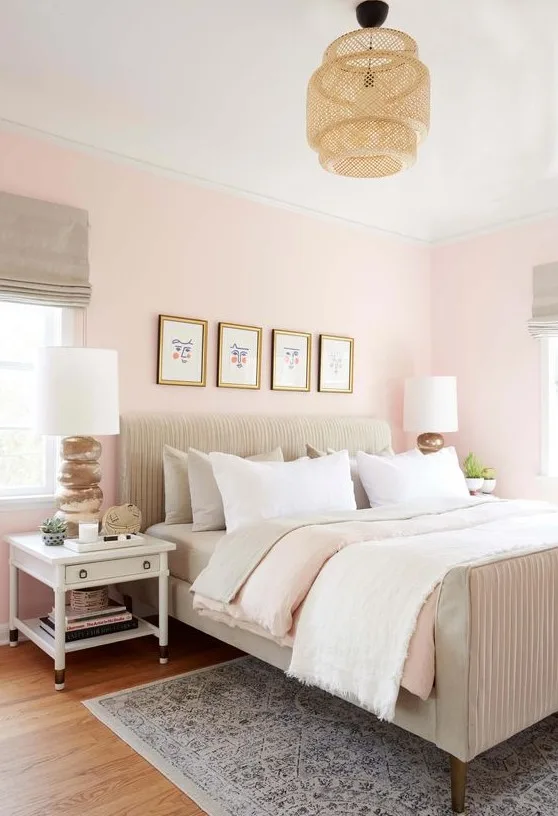
For a different take on blending light and dark, you might look at a dusty pink bedroom for inspiration on softer contrast.
Is a moody bedroom bad for sleep?
Quite the opposite, if done correctly. The darkness and lack of blue light from screens (which the environment discourages) are conducive to melatonin production. The warm, dim lighting helps your body wind down.
The sense of being in a protected, cozy cocoon reduces anxiety. Just ensure you have a separate blackout solution if streetlights or early sun are an issue for you.
What type of rug works best?
Prioritize plushness and texture over pattern. A high-pile wool rug, a shag, or a densely woven textured rug in a solid or tonal color is ideal. It should feel wonderful under bare feet.
Make sure it's large enough, a good rule is for the bed to sit completely on it, with at least 18-24 inches of rug showing on either side and at the foot.
How many light sources do I really need?
At a minimum, you need two: one for ambient glow (like a floor lamp) and one for task (like a bedside lamp). Three is better (ambient, task, and one accent). More than five in an average room can start to feel cluttered unless they are very discreet, like LED strips.
Quality and placement of light are far more important than quantity.
The Most Common Mistakes That Kill the Vibe
Getting a few key things wrong can easily push your cozy sanctuary into gloomy territory. Here's how to spot and fix the major pitfalls.
Mistake 1: The Flat, One-Color Box
This creates that dreaded "cave" feeling. It happens when you match your furniture, rug, and bedding exactly to your dark wall color. The room becomes a monotone block with no life.
The fix is simple. You must introduce tonal contrast. Pair charcoal walls with a mid-tone walnut wood dresser.
Use bedding in a lighter shade within the same color family, like slate grey sheets with a charcoal duvet.
Mistake 2: Harsh, Direct Light Sources
A single cool-white ceiling bulb is the fastest way to ruin the mood. It casts sharp shadows, makes colors look washed out or severe, and feels clinical.
Always use warm bulbs at 2700K or lower. Rely on multiple lamps with fabric shades to diffuse the light. Dimmers are your best friend for controlling intensity throughout the evening.
Mistake 3: Ignoring the Practicalities of Living
A bedroom must function. If you can't find your socks or have nowhere to plug in your phone, the beautiful room becomes a daily frustration.
Design with your routine in mind. Ensure task lighting is precisely where you need it, like a good reading lamp by the bed. Include closed storage in nightstands and dressers to hide daily clutter.
Leave clear surfaces for the things you actually use.
Real Room Challenges: Solutions for Common Spaces
Not every bedroom has perfect light or dimensions. These targeted fixes handle real-world constraints.
If You Have a North-Facing Room
North-facing rooms receive cool, indirect light. This is actually ideal for deep, cool-toned paints. The colors look rich and true without being altered by strong sun.
Embrace blues, greens, and greys. Since the light can feel a bit flat, double down on texture and warm metallics like brass to add visual warmth and depth.
If You're a Renter and Can't Paint
You can build the moody aesthetic without touching the walls. Focus your dark palette on large, movable elements.
Use a dramatic, upholstered headboard and deep-colored bedding. Hang floor-to-ceiling dark curtains. Choose substantial furniture in dark wood or black finishes.
A large piece of dark art can act as a focal point.
If Your Bedroom is Very Small
A dark color can make a small room feel intentionally cozy, not cramped. The key is to create a unified, enveloping shell.
Consider painting the ceiling the same color as the walls. Use mirrors to reflect light and create illusion. Choose furniture with legs to show floor space.
Keep patterns minimal and rely on texture for interest.
Your Action Plan: A Simple 5-Step Setup Order
Tackle the project in this logical sequence to avoid costly missteps.
- Paint First. Commit to your dark, matte wall color. This is the hardest step to change, so get it right from the start.
- Layer the Lighting. Plan your electrical needs. Install any hardwired fixtures or dimmers before furniture is in the way.
- Place the Big Furniture. Position your bed, nightstands, and dresser. Ensure the flow of the room works for daily life.
- Add the Soft Layers. Bring in your rug, bedding, and curtains. This is where your texture and tonal balancing happens.
- Style the Details Last. Add art, mirrors, and a few carefully chosen decorative objects. Edit meticulously. Less is more.
Romantic Moody Bedroom FAQs
How do I keep a dark bedroom from feeling depressing?
Avoid a cold, flat darkness. Introduce warmth through 2700K light bulbs, natural wood tones, creamy textiles, and varied textures. Add a living plant for life.
The goal is a rich, enveloping atmosphere.
What is the best color for a moody bedroom?
The best color depends on your room's light and your taste. Deep blues and greens are universally calming. Charcoal grey is sophisticated.
Deep burgundy or plum feels romantic. Choose a color you love that complements your furnishings.
Can I have a moody bedroom with white walls?
You can create a version of the look, but it won't have the same enveloping core. You would rely on an extremely dark bedscape, very low lighting, and dramatic furniture. It becomes more of a moody accent than a fully immersive experience.
Is a moody bedroom bad for sleep?
Done correctly, it's excellent for sleep. The darkness supports melatonin production. Warm, dim lighting helps you wind down.
The cocooning feeling reduces anxiety. Ensure you have blackout solutions if needed for complete darkness.
What type of rug works best?
Prioritize plush texture over bold pattern. A high-pile wool, shag, or densely woven rug in a solid or tonal color is ideal. It should feel wonderful underfoot and be large enough for the bed to sit completely on it.
How many light sources do I really need?
You need at least two: one for ambient glow and one for task. Three is better. More than five in an average room can feel cluttered.
Focus on the quality and placement of light, not the quantity.