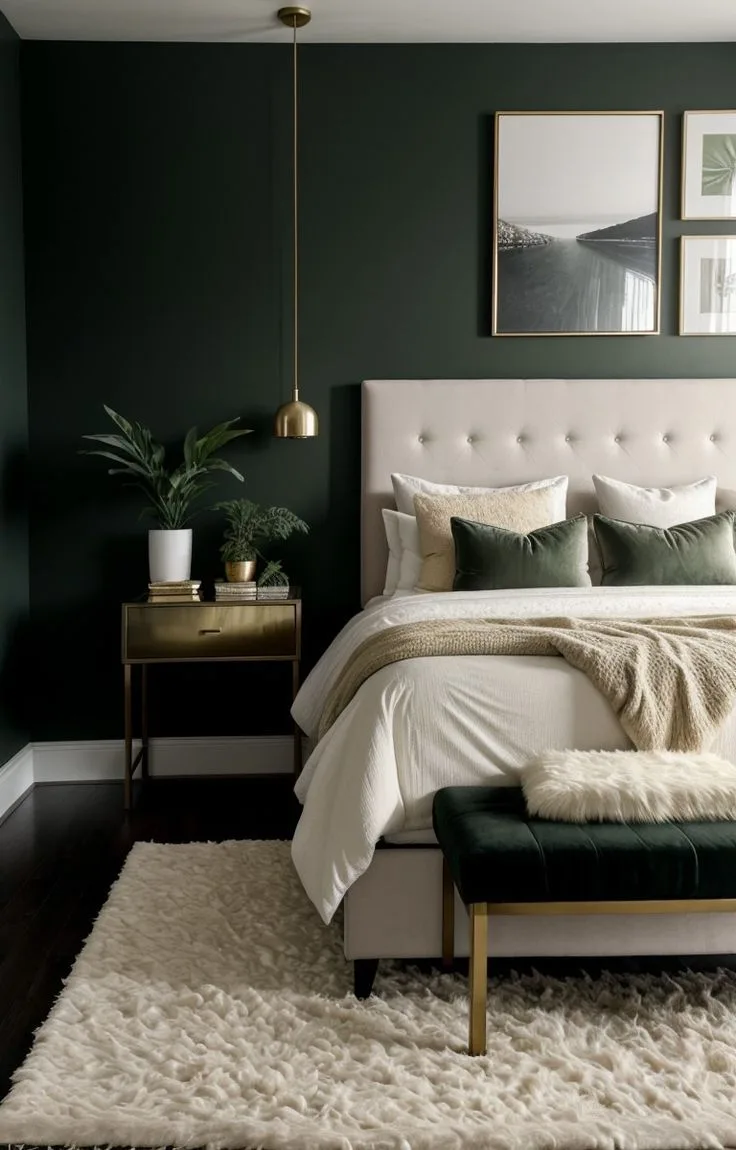
Moody Eclectic Bedroom Design Ideas for a Bold, Layered Look
Ever walk into a beautifully designed bedroom and feel instantly at peace, inspired, and completely yourself? That’s the goal of a moody eclectic bedroom design. It’s not about following a strict rulebook or buying a matching set.
Instead, it’s about creating a deeply personal sanctuary that feels collected over time, full of character, and wrapped in a cozy, dramatic atmosphere.
The core principle is intentional layering. Think of it as the 60-30-10 rule applied with soul: 60% of the room is a rich, dark base color, 30% is your secondary materials and textures, and 10% is for high-contrast metallic or bright accents. This framework creates visual cohesion so your unique finds don’t look chaotic.
Let’s break down exactly how to build that feeling, step by step.
Quick Answer
Moody eclectic bedroom design blends dark, saturated colors with a personally curated mix of furniture, patterns, and textures. It creates a cozy, intimate retreat. Start with a deep wall color like navy or forest green.
Layer in varied wood finishes and fabrics like velvet and linen. Mix patterns deliberately by scale, not by matching. Use warm, layered lighting to prevent the space from feeling cave-like.
The look is achieved gradually by collecting meaningful pieces, not buying everything at once.
What Makes a Bedroom “Moody Eclectic,” Anyway?
Forget the matchy-matchy bedroom sets. Moody eclectic design is a feeling you build. The “moody” part comes from a foundation of deep, enveloping color.
We’re talking walls painted in shades like charcoal, inky blue, or burgundy. These colors absorb light, making the room feel smaller, cozier, and more intimate, like a protective cocoon.
The “eclectic” part is where your personality comes in. It’s the thoughtful, curated mix of different styles, eras, and textures. This isn’t random clutter.
It’s a vintage walnut dresser next to a modern acrylic chair. It’s an ornate gilded mirror hanging above a simple linen headboard. The magic happens when these disparate elements have a conversation through shared tones, materials, or simply the story they tell about you.
It’s the visual opposite of a showroom, and that’s the whole point.
Why You’re Drawn to This Look (And What’s Stopping You)
You’re probably here because light, airy, and minimalist spaces feel a bit sterile to you. You want a room with warmth, depth, and character. You have pieces you love, a souvenir from travel, a family heirloom, a great thrift store find, but they don’t seem to fit in a more conventional setup.
This style gives you permission to display them all, creating a space that’s authentically yours.
The biggest hurdles people face are fear and overwhelm. The fear of dark paint making a room feel like a cave. The overwhelm of not knowing how to start mixing patterns or furniture styles without it looking messy.
And the practical concern about cost, thinking you need to buy expensive antiques. The good news? None of those are deal-breakers.
With a few guiding principles, you can avoid the common pitfalls and build a room you love. For example, if you adore the moody vibe but want a softer approach, exploring an earthy color palette is a fantastic place to start.
The Magic Formula: It’s About Layers, Not Rules
If you remember one thing, let it be this: successful moody eclectic design is built in layers. You don’t just throw everything in the room at once. You start with your foundation and add complexity gradually, editing as you go.
This methodical approach is what separates a curated collection from a jumble of stuff.
Think of it like getting dressed. Your dark walls are the little black dress, the solid, sophisticated base. Your major furniture pieces (bed, dresser, rug) are the jacket and shoes, they establish the silhouette.
Your textiles (bedding, curtains) are the blouse or scarf, adding softness and pattern. Finally, your accessories (art, lamps, objects) are the jewelry, the personal touches that tell your story. Each layer should complement the last, not fight it.
This layered approach works beautifully in other cozy styles, too, like achieving a relaxed boho feel with more texture and natural elements.
Your Foundational Layer: The Power of a Dark Palette
This is your non-negotiable starting point. The wall color sets the entire mood. Going dark might feel bold, but it’s the single most effective way to create that intimate, cocoon-like atmosphere.
As of 2026, the most popular and effective shades for this are deep, saturated tones with subtle complexity.
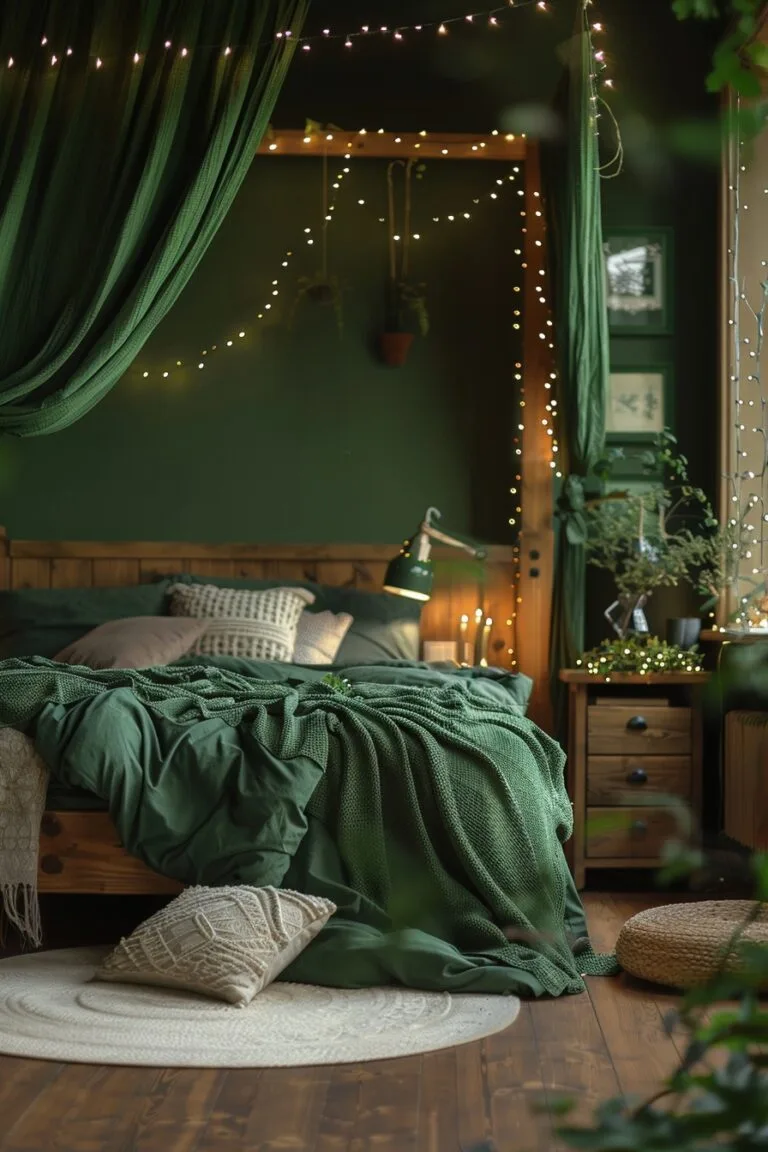
- Deep Greens: Forest, hunter, or sage. These feel organic and grounding.
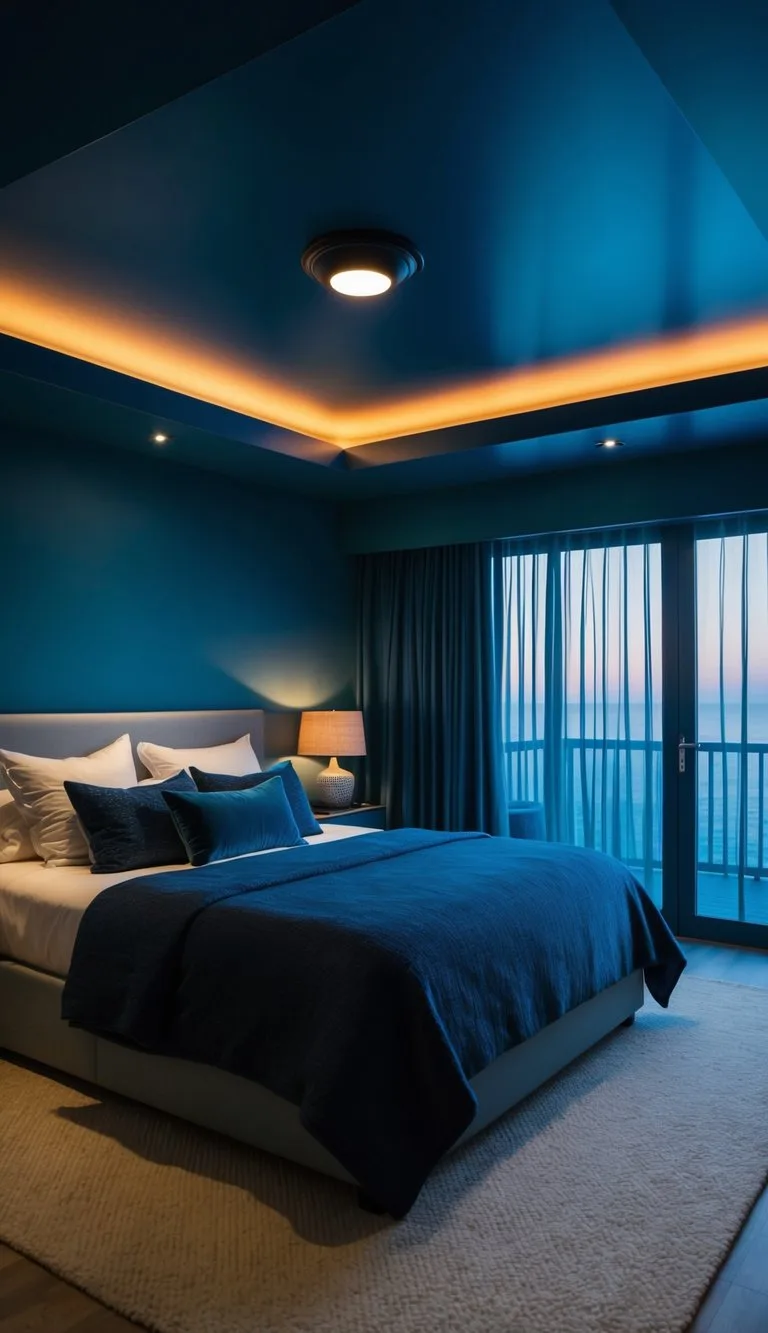
- Rich Blues: Navy, peacock, or indigo. They’re calming and timeless.
- Earthy Neutrals: Charcoal, chocolate brown, or deep taupe. These are incredibly versatile backdrops.
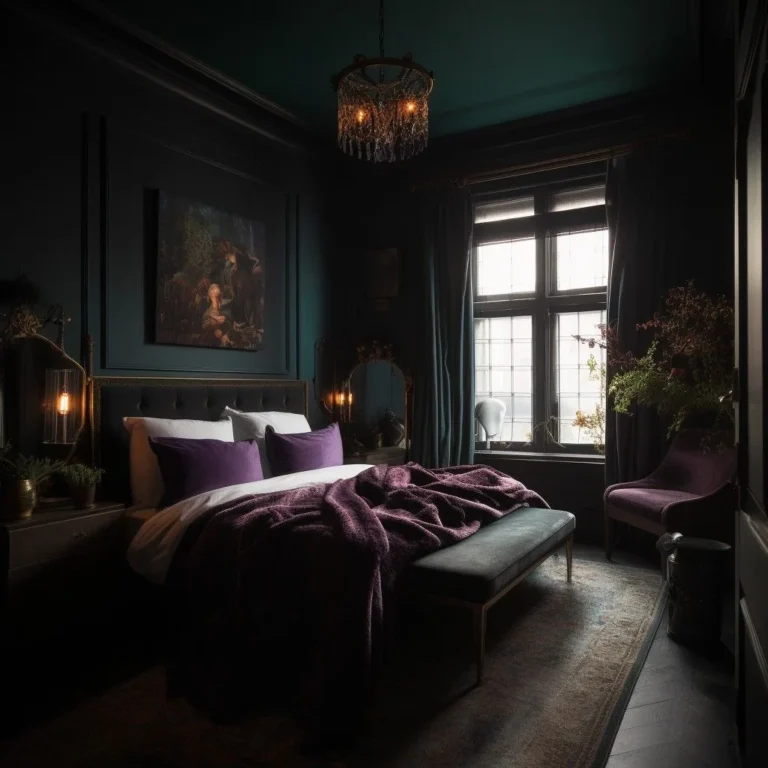
- Jewel Tones: Plum, burgundy, or emerald. They add a dose of drama and luxury.
Pro Tip: Always, always test your paint color on the wall. Paint a large poster board or a 3×3 foot section and look at it at different times of day. The color will change dramatically with the light.
And for the finish, choose eggshell or satin. Flat paint can make a dark color look chalky, while high-gloss can be too shiny and highlight imperfections. A satin sheen has a soft luster that helps the color feel rich and deep.
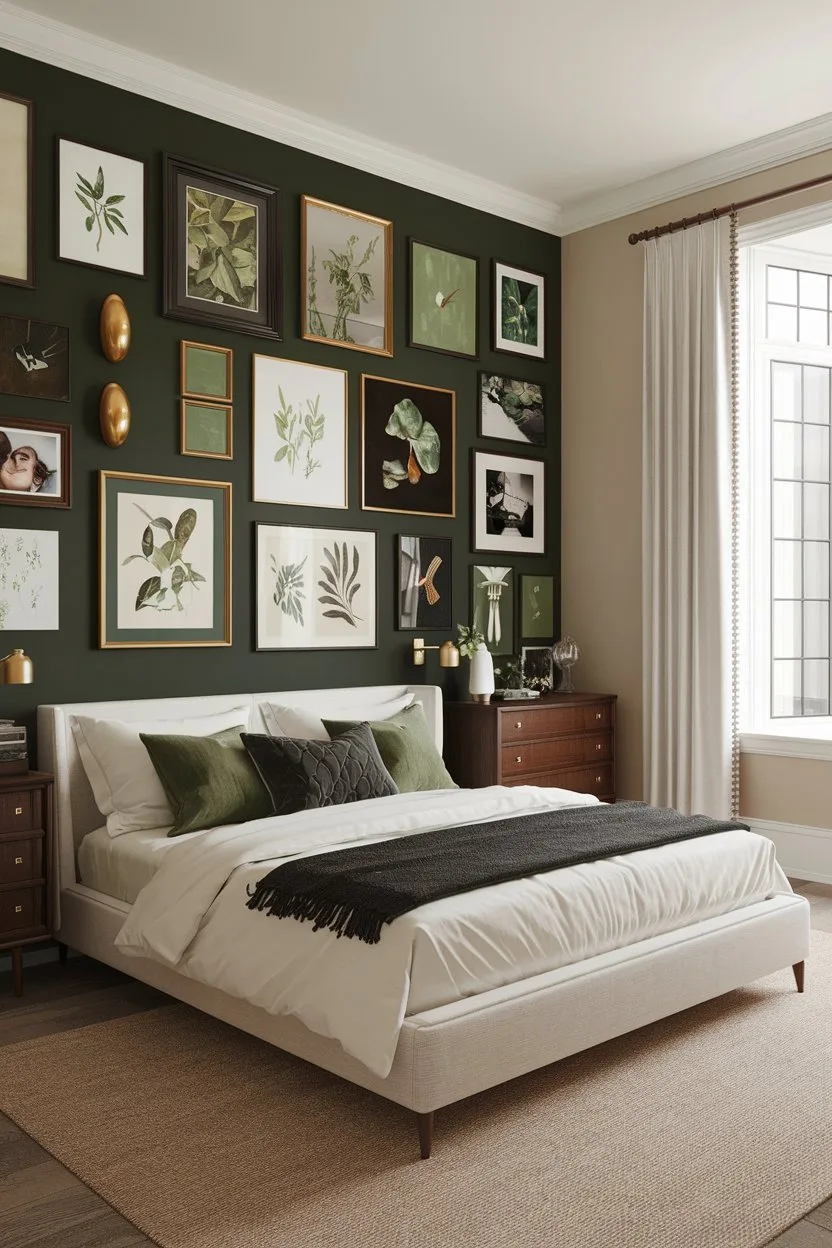
Image source: Bing (Web (fair-use with source credit))
The Art of the Mix: Curating Furniture & Textures
With your dark walls as a backdrop, your furniture becomes the sculpture. The key here is variety in form, finish, and era. A room where every piece is made of the same light oak from the same big-box store will fight the eclectic vibe.
You need visual weight and contrast.
Start with your largest piece: the bed. A upholstered headboard in velvet or linen adds immediate softness. Then, look for secondary pieces that tell a different story.
A mid-century modern dresser with tapered legs. An industrial metal bedside table. A chunky, rustic wood bench at the foot of the bed.
They don’t need to “match.” They need to connect through a common thread, like a shared wood tone (e.g., all warm walnuts or all cool oaks) or a repeated metal finish (all brushed brass accents).
Now, add texture. This is what makes the room feel inviting and lived-in. Texture is tactile.
You want to combine pieces that make you want to reach out and touch them.
- Soft: Velvet cushions, chunky knit throws, fuzzy sheepskin rugs.
- Natural: Linen bedding, rattan baskets, seagrass rugs, leather chair.
- Hard/Smooth: Polished marble on a side table, clear glass lamp bases, iron bed frames.
Aim for at least three different textures in your main sightlines. This variety creates depth and interest, preventing the dark palette from falling flat. If you’re working with an unconventional space, like a converted structure, these principles of mixing materials are key for a cohesive modern rustic look.
Pattern Play Without the Chaos
Mixing patterns is easier than you think. The secret is to vary the scale and maintain a cohesive color story. Don’t match patterns exactly.
Instead, combine a large-scale pattern (like a big floral) with a medium-scale pattern (a geometric stripe) and a small-scale pattern (a tiny dot or texture).
Anchor them with a common color pulled from your wall or largest textile. For example, if your duvet cover has large navy and cream leaves, you could add pillows with a medium-scale burgundy geometric print and a small-scale cream texture. The navy and cream colors connect them all, while the different scales keep it interesting, not busy.
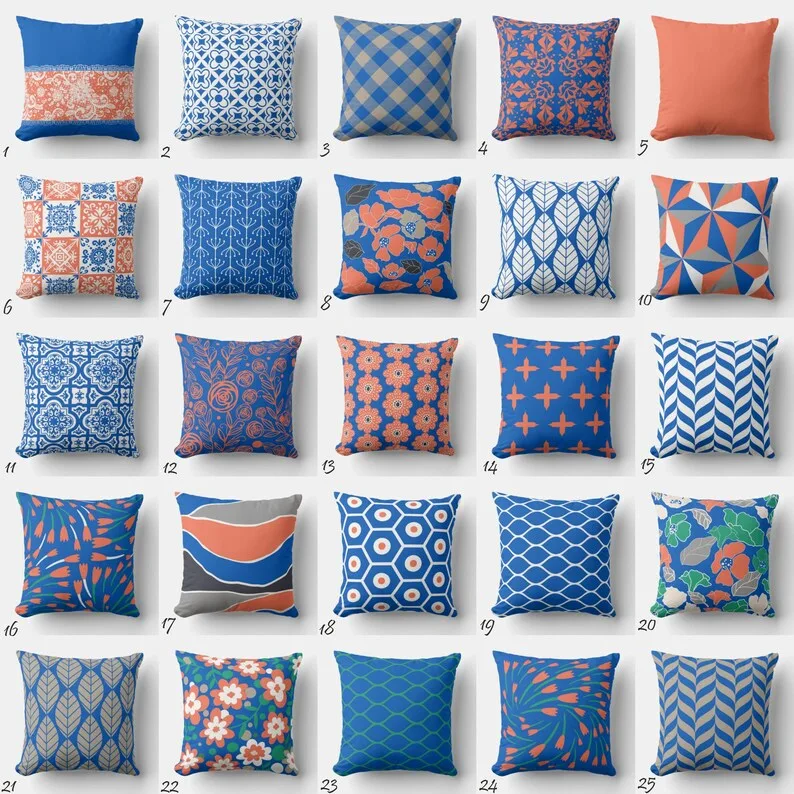
Image source: Bing (Web (fair-use with source credit))
Here’s a simple starter formula that works every time. Choose three patterns from three different categories.
- Floral/Botanical: A large-scale leaf or floral print.
- Geometric: A medium-scale stripe, check, or hexagon.
- Organic/Texture: A small-scale animal print, ikat, or a solid with a pronounced texture like bouclé.
This combination ensures enough visual difference to feel eclectic, but not so much that it feels random. The texture acts as a visual rest between the two busier patterns.
Lighting a Moody Room: Creating Glow, Not Gloom
This is the most common worry, and the fix is simple. You combat potential gloom with multiple, warm light sources at different heights. Overhead lighting alone will cast harsh shadows in a dark room.
You need to create a soft, ambient glow.
Think in layers. Your lighting should come from at least three points in the room. Use table lamps on nightstands, a floor lamp in a corner, and wall sconces or plug-in pendants flanking the bed.
This distributes light evenly and eliminates dark corners.
The quality of light is crucial. Always choose warm white bulbs, typically 2700 Kelvin. This gives off a soft, yellowish glow that feels cozy, not clinical.
Avoid cool white or daylight bulbs, as they will make the dark walls feel stark and uninviting. Dimmable fixtures are your best friend, allowing you to adjust the mood from bright for reading to soft for relaxing.
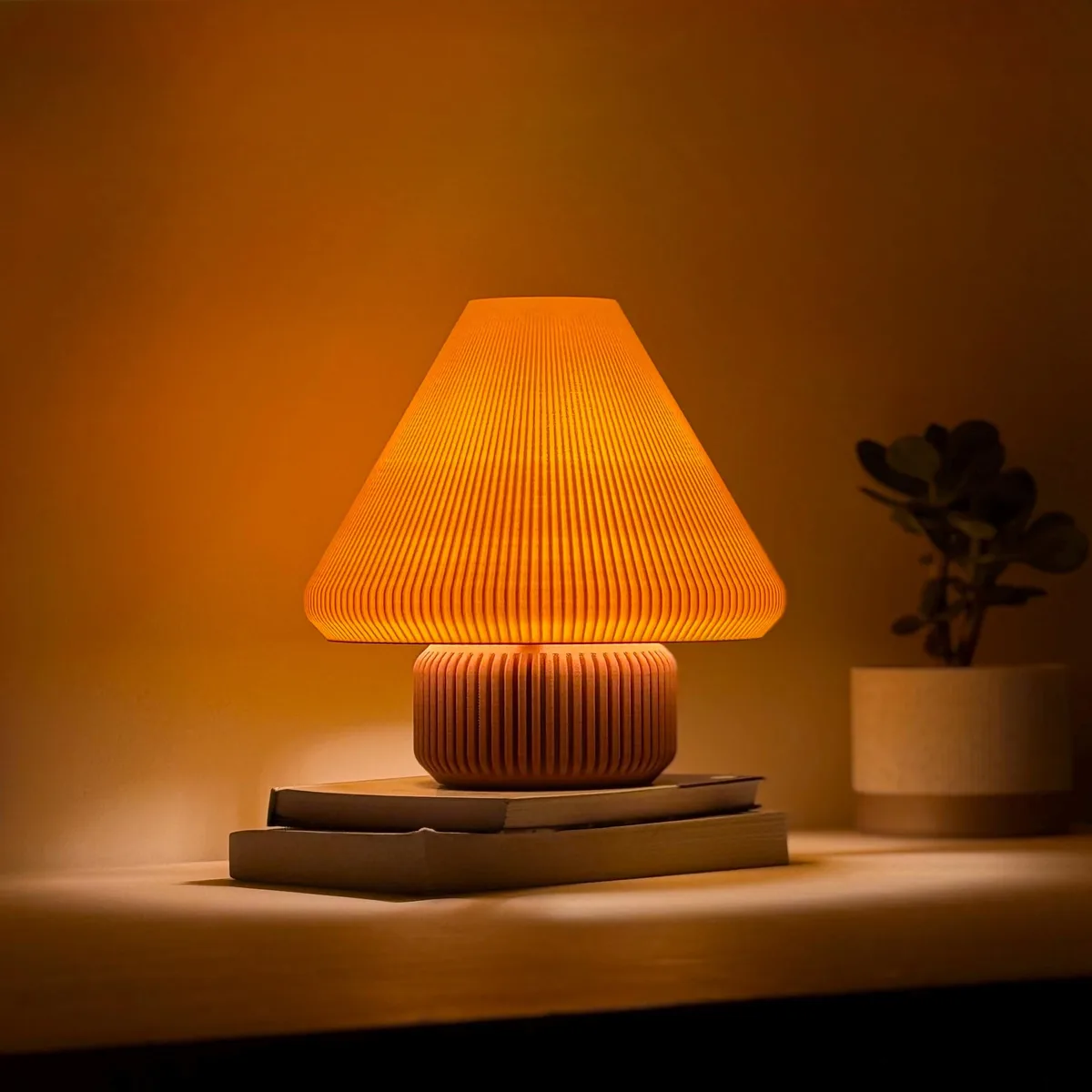
Image source: Bing (Web (fair-use with source credit))
Don’t forget decorative lighting. Fairy lights twined around a headboard, a small lamp on a bookshelf, or even LED candles can add that final layer of magical, low-level illumination. These small touches make the room feel finished and intentionally atmospheric.
Building Your Gallery Wall & Displaying Collections
A gallery wall is the perfect eclectic accent. It fills vertical space with personality. The key is to mix frame styles, art mediums, and objects.
Combine a vintage oil painting in a ornate gold frame with a simple black-framed modern print, a woven textile, and a small sculptural shelf.
Hang your collection with intention, not perfection. A common professional guideline is to hang art so the center of the arrangement is at average eye level, about 57 to 60 inches from the floor. Lay everything out on the floor first to arrange the composition.
Take a photo for reference before you start hammering nails.
Your collections tell your story. Group similar items together for impact. A shelf of vintage books with cracked spines.
A tray holding ceramic vessels in a shared color. A cluster of framed black-and-white family photos. Grouping creates a curated moment, whereas spreading single items around can look cluttered.
This principle of creating focal points with collections works in any room, like adding character to a bathroom with vintage finds.
The Step-by-Step Visual Guide to Building Your Room
Let’s translate the theory into action. Follow these steps in order to build your room methodically. You can pause between each step to live with it and see what you need next.
Step 1: Establish Your Dark Anchor
Paint your walls your chosen dark color. Don’t buy any new furniture until this is done. Live with the color for a few days.
See how the light moves through the room. This base will inform every other decision you make.
Step 2: Introduce Your First Contrast
Bring in your largest furniture pieces. Your bed and rug are the anchors. If your walls are cool-toned (blue, grey), choose a rug and bed frame with warm undertones (like a jute rug or a walnut frame), or vice versa.
This contrast creates immediate depth.
Step 3: Add Wood and Metal “Connectors”
This is where you start the mix. Add your nightstands and dresser. Aim for different but related finishes.
If your bed frame is black iron, try a nightstand in a light oak. If your dresser is mid-century walnut, use a bedside table with brass legs. The metal or wood should repeat somewhere to create a visual link.
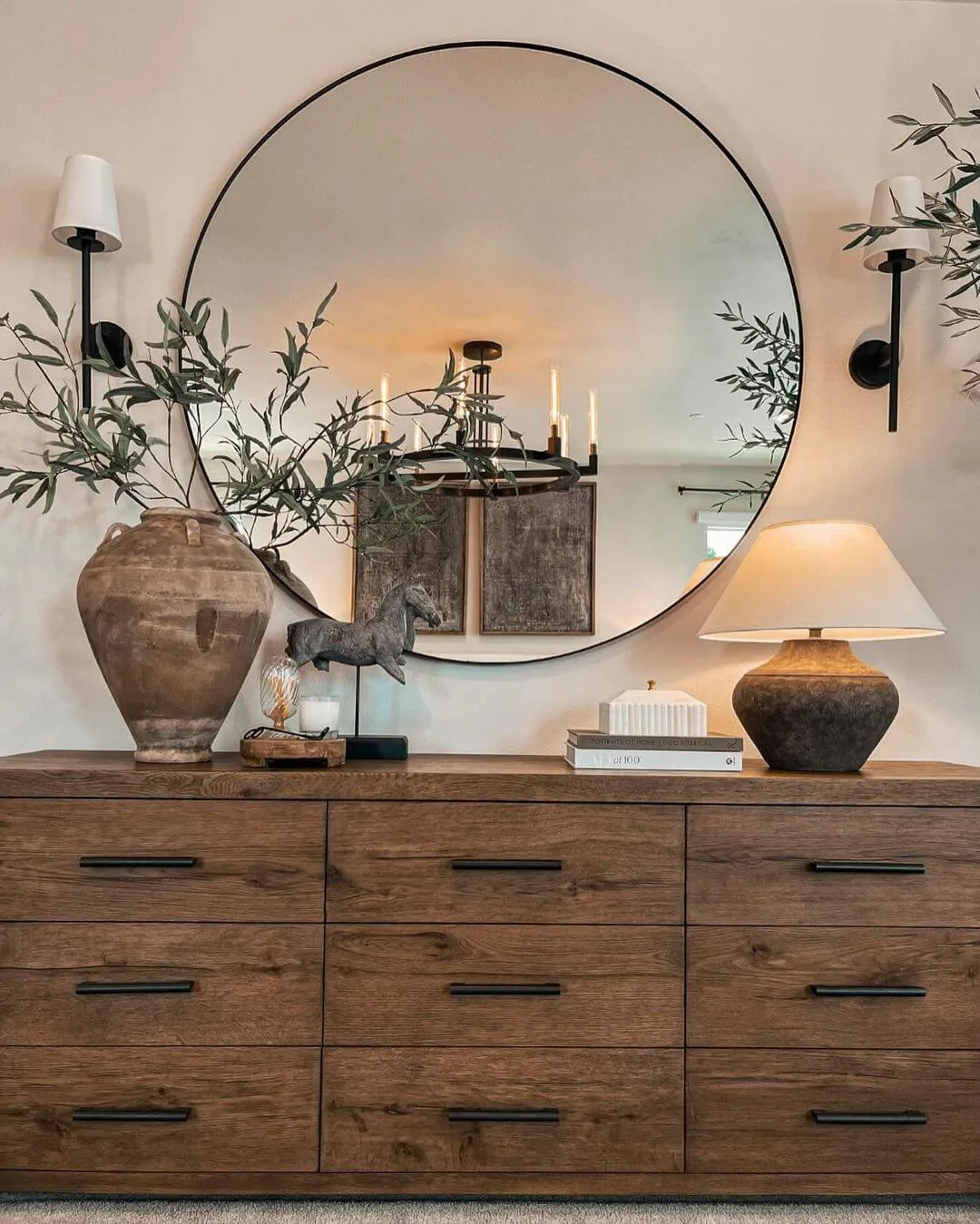
Image source: Bing (Web (fair-use with source credit))
Step 4: Layer in Softness and Life
Add your textiles and lighting. Make your bed with layered bedding in your mixed patterns. Hang your curtains.
Place your table and floor lamps. This step makes the room feel habitable and cozy, not just furnished.
Step 5: Edit and Adjust the Vibe
Finally, add your art and decorative objects. Stand back and look. Does something feel off?
Is it too heavy on one side? Too matchy? Edit ruthlessly.
Remove one piece. Swap a pillow. The final 10% of the work is editing to achieve the right balance.
This process of layering and editing is core to many personalized styles, from a bold purple retreat to a serene blue space.
Common Visual Mistakes That Break the Spell
A few missteps can turn “curated” into “cluttered” fast. The biggest mistake is not having a cohesive color thread. When every item is a different, unrelated color, the room loses its moody anchor and becomes visually noisy.
Always refer back to your core palette.
Another error is using only one type of lighting. A single overhead fixture or just two matching table lamps creates flat, unflattering light. You lose the dimensional glow that makes the room feel special.
Always layer your light sources.
People also often forget about scale. Using only small, dainty furniture against a dark, powerful wall makes the pieces look lost and insignificant. You need at least one or two pieces with visual weight, like a substantial dresser or a tall headboard, to hold their own against the drama of the walls.
Finally, neglecting negative space is a surefire way to create overwhelm. Every surface doesn’t need to be covered. Leave some breathing room on shelves, nightstands, and walls.
The eye needs places to rest. This principle of balance is universal, whether you’re designing a cozy bedroom or planning the exterior of a unique home.
Moody Eclectic vs. Other Styles: Where It Fits
It helps to know what you’re not designing. This style sits between several popular aesthetics. Understanding the differences clarifies your choices.
- Vs. Minimalist: Minimalism is about subtraction and neutrality. Moody eclectic is about thoughtful addition and saturation. It’s maximalism’s more edited cousin.
- Vs. Modern Farmhouse: Farmhouse leans on rustic, light woods and predictable shiplap. Eclectic incorporates rustic pieces but mixes them with modern or glam elements, all under a darker palette.
- Vs. Maximalism: They’re close relatives. Maximalism is about abundance and often bold color. Eclectic is curated, focusing on the mix of styles and eras, often within a more controlled color story. Think of maximalism as a shout and eclectic as a nuanced conversation.
This style is best for you if you dislike empty spaces and love objects with history. You prefer rooms that feel lived-in and tell a story. It’s less about trend and more about personal archaeology.
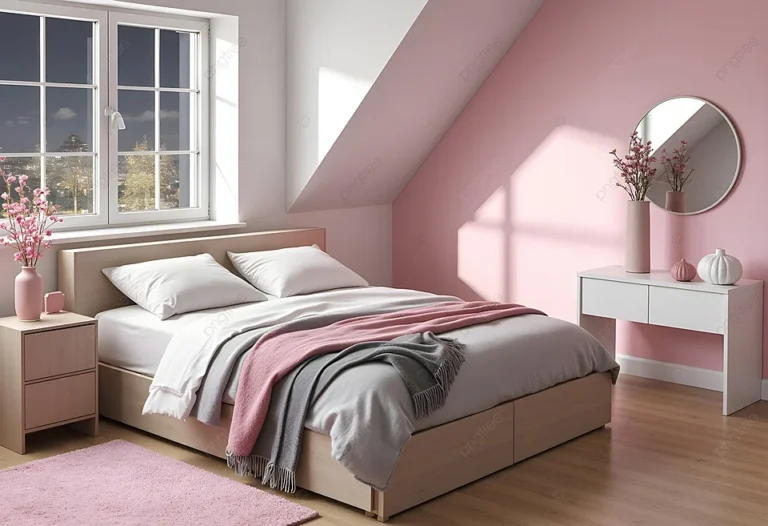
For those who love the curated feel but with a different color direction, a moody pink scheme offers a softer, equally personalized alternative.
Realistic Budgeting & Thrifting Strategies
You don’t need a trust fund to achieve this look. The “collected over time” ethos is your budget’s best friend. Allocate your funds strategically.
Splurge on items you use every day and that anchor the room. Your mattress, quality bedding, and a good rug are worth investing in.
Save on decorative and secondary pieces. Your nightstands, art, lamps, and accessories are perfect for thrifting. Prioritize furniture with good bones over perfect finish.
A scratched-up dresser in a great shape can be painted or refinished. A dated lamp with a classic shape can be rewired and given a new shade.
Thrifting Strategy:
- Know Your Measurements: Always carry a tape measure and a list of the dimensions you need.
- Look Beyond Paint: See the form, not the color. Ugly paint hides beautiful wood.
- Shop Regularly: Good finds are about consistency, not luck. Pop into your local spots often.
- Mix Retail & Vintage: Buy your new sofa, then hunt for vintage side tables and art. The mix is the goal.
Your Next Move: How to Start This Weekend
Feeling inspired? Don’t try to do everything at once. Start with a single, impactful project that builds momentum.
The easiest win is to define your color palette. Collect paint swatches, fabric samples, and magazine tears. Create a physical mood board on a poster or a digital one.
If you’re ready to commit, start with the single most transformative step, painting one accent wall. See how you live with the color. Then, “shop” your own home.
Pull an interesting chair from another room. Move a piece of art. Reassess what you already own with your new dark wall as a backdrop.
Your first thrifting mission should be for one statement accessory. Look for a unique vase, a sculptural lamp, or a large piece of art. This one piece will become the spark for the rest of the room.
The process is the same whether you’re crafting a moody bedroom or adding charm to a rustic cabin space. Start small, build slowly.
Frequently Asked Questions
Can I do this in a rental?
Absolutely. Use removable wallpaper in a dark pattern on one wall. Invest in furniture and textiles that create the mood.
Use plug-in sconces instead of hardwired ones. Your large, dark rug and layered bedding will do most of the work.
What if my room is very small?
Dark colors can actually make a small room feel cozy and intentional, not smaller. The key is reflective surfaces and clutter control. Use mirrors strategically.
Choose furniture with legs to show floor space. Be ruthless about editing your collections to keep surfaces clear.
How do I mix woods without it looking wrong?
Treat wood tones like a family. Keep all your woods either warm (walnut, cherry, oak) or cool (ash, grey wash, white oak). Mixing within a family looks intentional.
You can also use a unifying element, like black metal hardware, on all pieces to connect them.
Is this style hard to keep clean?
It’s surprisingly forgiving. Dark walls and busy patterns hide dust and minor scuffs better than white walls. The collected nature means a little imperfection adds character.
Regular dusting of your collections is the main task.
Can I combine this with other color themes?
Yes, easily. The principles remain the same. Choose your deep, moody base color.
Then layer in your themed accents. For instance, a forest green base with terracotta and cream creates an earthy mood. A navy base with blush and gold leans glam.
Explore a dusty pink accent theme for a romantic twist.