Garden Wall Painting Ideas to Transform Outdoor Spaces with Color and Charm
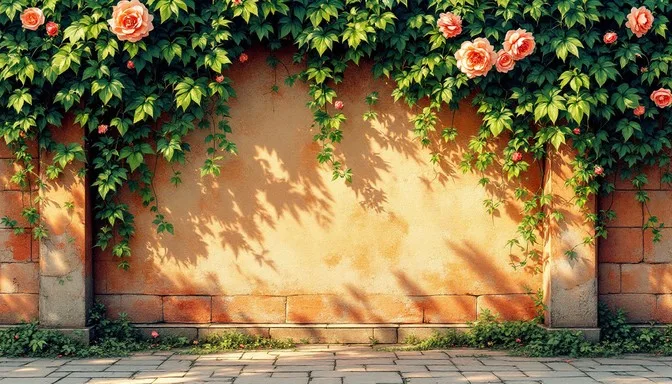
Your garden wall isn’t just a boundary. It’s a blank canvas, one of the biggest and most impactful surfaces in your entire outdoor space. The right garden wall painting ideas can completely transform the mood and feel of your garden, turning a bland backdrop into a stunning focal point or making a small space feel larger and more inviting.
But with so many options, from durable exterior paints to artistic murals, it’s easy to feel overwhelmed.
Choosing the wrong finish or color can lead to costly mistakes, like peeling paint within a season or a color that clashes with your blooms all year. Our research shows a quality exterior paint, applied correctly, should last 7 to 10 years, while something like a breathable limewash may need a refresh sooner. It all comes down to understanding your wall, your climate, and the visual effect you want to achieve.
Let’s walk through how to get it right the first time.
Quick Answer
Start by picking the right paint type for your wall material, like masonry paint for brick. Choose a color that complements your garden’s existing plants and hardscaping. Test large samples directly on the wall to see them in changing light.
Good preparation, including cleaning and priming, is more important than the paint itself. For longevity, prioritize UV-resistant and breathable formulas for exterior use.
Why Your Garden Wall Color Makes All the Difference
Think of your garden wall as the stage for everything else in your yard. Its color sets the tone before a single flower or piece of furniture comes into view. A dark, moody charcoal can make greenery pop and create a sense of intimacy, perfect for a cozy nook.
A bright white or pale gray, on the other hand, reflects light, making a cramped urban plot feel instantly more open and airy.
This isn’t just about aesthetics. The color you choose directly influences how you perceive the space. Warm earth tones like terracotta or ochre can make a north-facing garden feel sunnier.
Cool blues and greens can visually recede a wall, making a narrow space feel wider. Getting this foundational layer right is the single biggest visual decision you’ll make for your garden. It’s worth taking the time to explore different garden wall painting ideas and see how they play with the rest of your design.
How to “See” Your Wall Before You Paint a Single Stroke
This is the most common mistake we see. People pick a color from a tiny swatch in a store’s fluorescent lighting and are shocked when it looks completely different on their sunny garden wall. Your wall’s surface texture, the direction it faces, and the surrounding colors all change how a paint appears.
The only way to know is to test.
Here’s the pro method. Buy sample pots of your top two or three choices. Paint a section at least two feet square directly onto the wall in at least two different spots, one in full sun and one in shade.
Live with these swatches for a few days. Look at them in the morning light, the harsh afternoon sun, and at dusk. Hold up leaves from your key plants and any permanent furniture against them.
This simple step, which might cost you twenty dollars and a weekend, can save you hundreds in repaint costs and regret. It turns abstract color names into a concrete, confident choice.
Your Go-To Guide to Exterior Paint Types (And Which One You Actually Need)
Not all paint is created equal, especially outside. Using interior paint on a garden wall is a recipe for rapid failure. You need a product formulated to handle moisture, temperature swings, and UV rays.
The right choice depends heavily on what your wall is made of.
Exterior Masonry Paint: This is your standard, go-to option for rendered, brick, or concrete walls. It’s a durable, opaque coating that comes in smooth or textured finishes. Look for labels mentioning “breathable”, this is crucial for older masonry as it allows trapped moisture to escape, preventing blistering and peeling.
A high-quality acrylic masonry paint is a reliable workhorse.
Masonry Stain: Think of this as a hybrid between paint and a dye. It soaks into the surface rather than sitting on top, letting the natural texture of brick or stone show through. It’s less likely to peel than paint and often has a more natural, matte look.
The trade-off is that it’s typically less opaque, so it won’t cover a dark color with a light one in a single coat. It’s perfect if you love the character of your brick but want to refresh or unify its color.
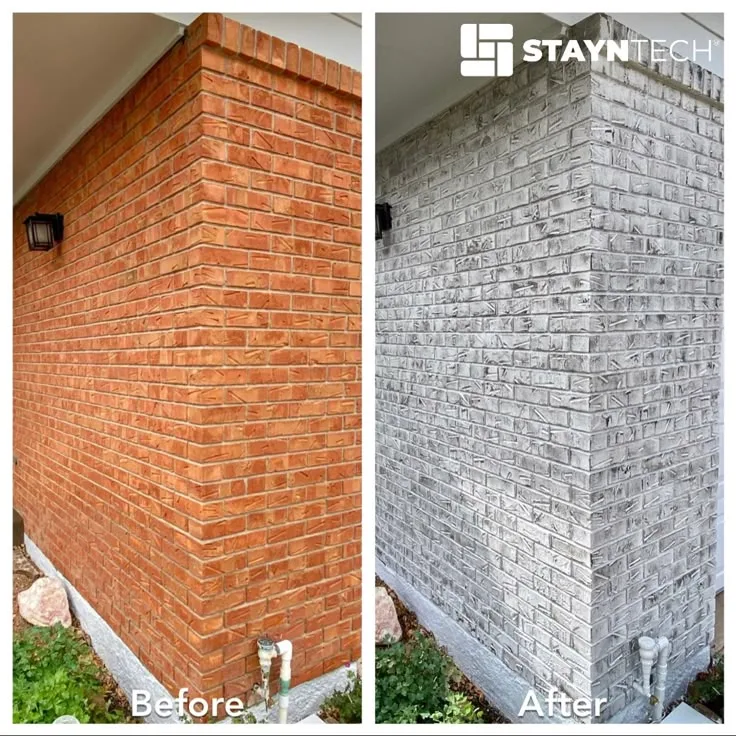
Limewash: This traditional finish, made from slaked lime, offers a beautifully chalky, mottled appearance that weathers gracefully. It’s naturally breathable and mold-resistant. It’s best suited for porous surfaces like old brick or stone.
The application is different, it’s often applied in multiple thin, overlapping coats, and the color palette tends toward soft, earthy whites and pigments. It requires more maintenance, fading and wearing over time, which many find part of its charm.
Exterior Wood Paint & Stain: For wooden fences or cladding, you have two paths. Solid-color exterior paint will fully obscure the wood grain and provide a uniform color block. Exterior wood stain, which can be semi-transparent or solid, penetrates the wood to protect it while still showing some grain.
Stains are generally easier to maintain and reapply.
| Paint Type | Best For | Key Feature | Consideration |
|---|---|---|---|
| Exterior Masonry Paint | Rendered, brick, concrete walls | Opaque, durable, wide color range | Must be breathable for old walls |
| Masonry Stain | Brick, stone, wanting a natural look | Penetrates surface, shows texture | Less hiding power, often matte finish |
| Limewash | Porous historic brick/stone | Chalky, mottled, breathable finish | Weathers naturally, requires reapplication |
| Exterior Wood Paint | Wood fences, wanting solid color | Full coverage, hides grain | Can peel if wood is damp or poorly prepped |
| Exterior Wood Stain | Wood fences, wanting grain visible | Penetrates, protects, shows texture | Needs more frequent refresh than paint |
Building Your Garden’s Color Palette: A Simple System
Choosing a color in isolation is hard. Choosing a color that works with everything else in your garden is much easier when you use a system. Start by identifying your fixed elements, the colors you can’t (or don’t want to) change.
Start with Your Fixed Elements
Look at the permanent features around your wall. What color is your patio stone or decking? What about your roof tiles or fence on the other side?
Do you have a favourite large planter or a piece of outdoor furniture that’s staying? These are your anchors. Your wall color should complement them, not fight them.
For instance, a wall next to warm-toned sandstone pavers might look great in a creamy off-white or a soft grey with warm undertones, while a cooler bluestone patio might pair better with a crisp white or a greige.
Choose Your Wall’s Role: Background or Star?
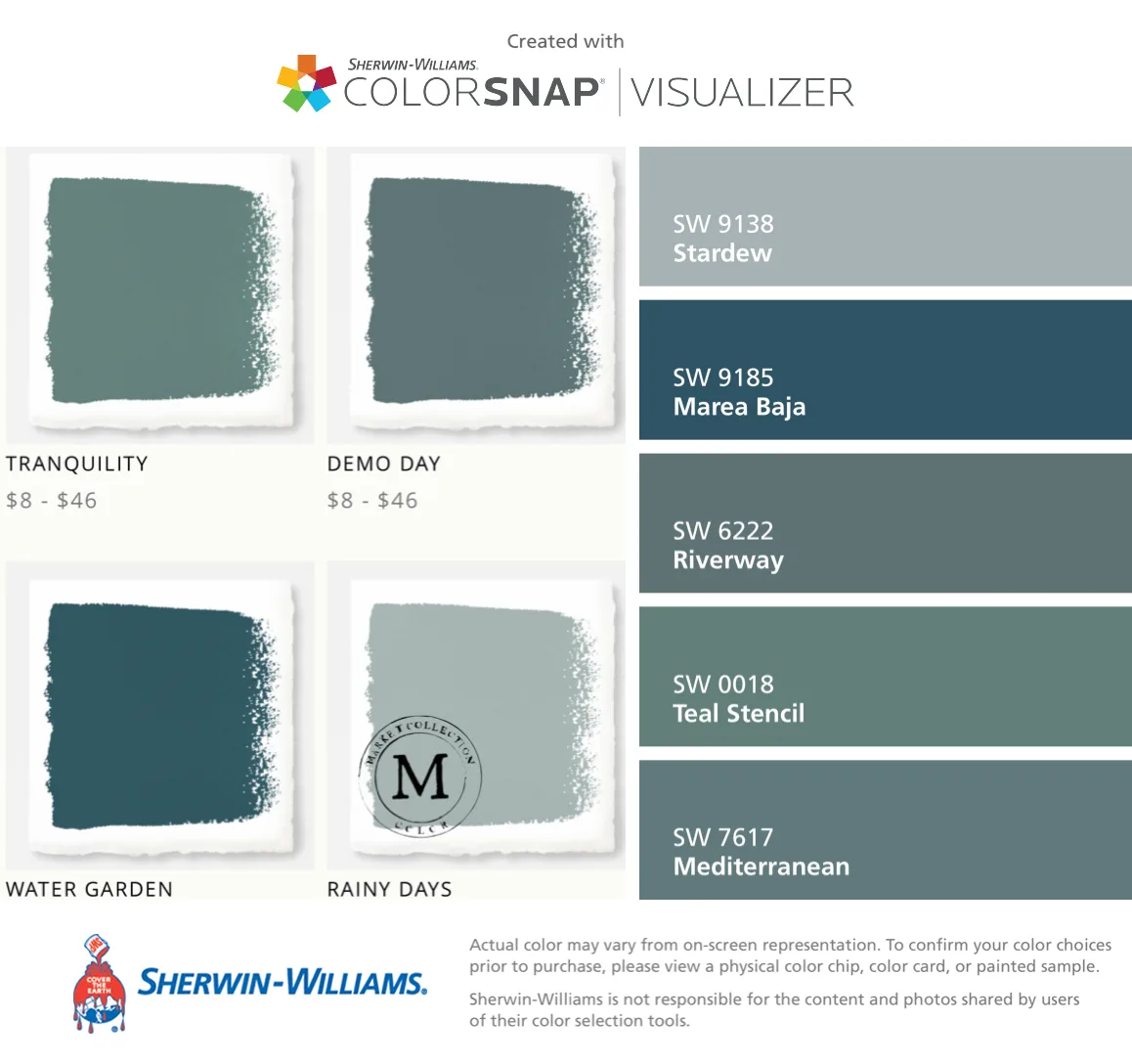
Decide on the wall’s job. Is it a quiet backdrop designed to make your flowers and foliage sing? If so, lean toward neutrals like soft greys, greens, warm whites, or black.
These colors recede visually. Or, do you want the wall itself to be the star, a bold feature that defines the space? Then consider deeper tones like navy blue, forest green, terracotta, or even a rich plum.
This decision will narrow your focus immediately and is key for a cohesive look, much like choosing a foundational color for an entire modern barndominium design.
The Rule of Three for a Cohesive Look
A simple, effective trick is to limit your main color scheme to three colors: one dominant (your wall), one secondary (your furniture or a major planter), and one accent (your cushions or flowering plants). The wall is almost always the dominant color. Your secondary could be the tone of your wood deck, and your accent could be the pop of a magenta geranium.
This creates harmony without being matchy-matchy. When you test your paint samples, hold swatches of these other materials against them to see the full picture come together.
Idea Gallery: A Visual Walkthrough of Styles
Words can only get you so far. To spark your imagination, let’s walk through some of the most popular and effective styles. Think of these as starting points you can adapt to your own space.
The Evergreen Neutrals (Slate, White, Charcoal)
You can’t go wrong with a well-chosen neutral. They’re timeless, flexible, and make everything else look good.
- Soft Grey or Greige: The ultimate chameleon. It provides a clean, modern backdrop that doesn’t compete with your garden’s colors. It works with any style, from cottage to contemporary. A light grey can brighten a shady corner, while a darker charcoal adds sophistication.
- White or Off-White: Crisp and classic. White reflects maximum light, making small gardens feel bigger and brighter. Opt for an off-white with a hint of warmth (like a “buttermilk” or “linen”) to avoid a sterile, clinical feel. It’s perfect for a farmhouse kitchen ceiling aesthetic brought outdoors.
- Charcoal or Black: Surprisingly versatile and dramatic. A dark wall makes green foliage look incredibly vibrant and lush. It can make a long garden feel cozier by visually bringing the walls in, and it makes architectural plants and sculptures really stand out.
Earth & Heritage Tones (Terracotta, Ochre, Limewash)
These colors connect your garden to the landscape, creating a warm, grounded, and organic feel.
- Terracotta & Clay: These warm, rusty reds and oranges evoke Mediterranean villas and sun-baked landscapes. They look stunning against silvery foliage plants like lavender or artemisia. It’s a welcoming, energetic color that feels both vintage and current.
- Ochre & Mustard: Earthy yellows that bring instant sunshine to a garden, especially one that doesn’t get much. They pair beautifully with blues and purples in planting for a complementary color punch.
- Limewash: As mentioned, this isn’t just a color but a finish. The soft, chalky, slightly uneven appearance of a white or tinted limewash on old brick has an irreplaceable, authentic character. It softens hard lines and feels perfectly aged.
Bold Statements & Feature Walls
If you’re feeling confident, a bold color can define your entire outdoor room.
- Navy Blue & Inky Blues: Deep blue is a fantastic alternative to black or grey. It feels richer and more atmospheric, especially in the evening. It works beautifully with metallic accents and white flowering plants.
- Forest Green & Sage: Instead of trying to match your plants, choose a green that’s darker or more muted. A deep forest green wall can make a jungle-like planting scheme feel immersive and lush, while a soft sage acts as a calm, neutral backdrop.
- Plum & Aubergine: For a truly unique and luxurious feel, consider a deep purple. It’s spectacular in autumn, complementing the changing leaf colors, and creates a regal, intimate atmosphere for evening gatherings.
Patterns, Murals & Artistic Touches
For the truly adventurous, your wall can become a piece of art.
- Color Blocking: Paint large, geometric sections in complementary colors. Think the lower half in a dark charcoal and the top in a warm white, separated by a crisp horizontal line.
- Stenciling: Use outdoor-rated stencils to add a repeating pattern, like Moroccan tiles, ferns, or geometric shapes. Keep the color contrast subtle (e.g., a dark grey pattern on a light grey wall) for sophistication.
- A Simple Mural: You don’t need a photorealistic scene. A simple, abstract wash of blended colors (an ombre effect from dark to light) or a single, large graphic shape (like a sun or a moon) can have huge impact. For something more structured, a painted “window” with a faux view can be a playful trick.
The Practical Checklist: Paint Features That Matter Outside
Once you’ve settled on a color and style, you need to pick the right product. The label on the can is your best friend. Here’s what to look for, confirmed by manufacturer specifications and industry standards:
- Weatherproof & Exterior Grade: This is non-negotiable. The formula must be designed for outdoor use.
- Mildew Resistance: Crucial for walls in shade or damp climates. It inhibits the growth of algae and mold.
- UV Resistance / Lightfastness: This prevents the color from fading quickly in direct sunlight. Higher-quality pigments have better lightfastness.
- Breathability: Especially important for older brick, stone, or render. A breathable paint allows moisture vapor from inside the wall to escape, preventing blistering.
- Finish: Matt/Flat hides surface imperfections best but can be harder to clean. Eggshell/Satin has a slight sheen, offers good durability, and is easier to wipe down. Gloss is very durable and wipeable but shows every flaw in the wall’s surface.
- VOC Content: Volatile Organic Compounds. Low- or zero-VOC paints are better for your health and the environment during application. This is especially worth considering for an enclosed patio or courtyard.
Step-by-Step: How to Prep and Paint for Lasting Results
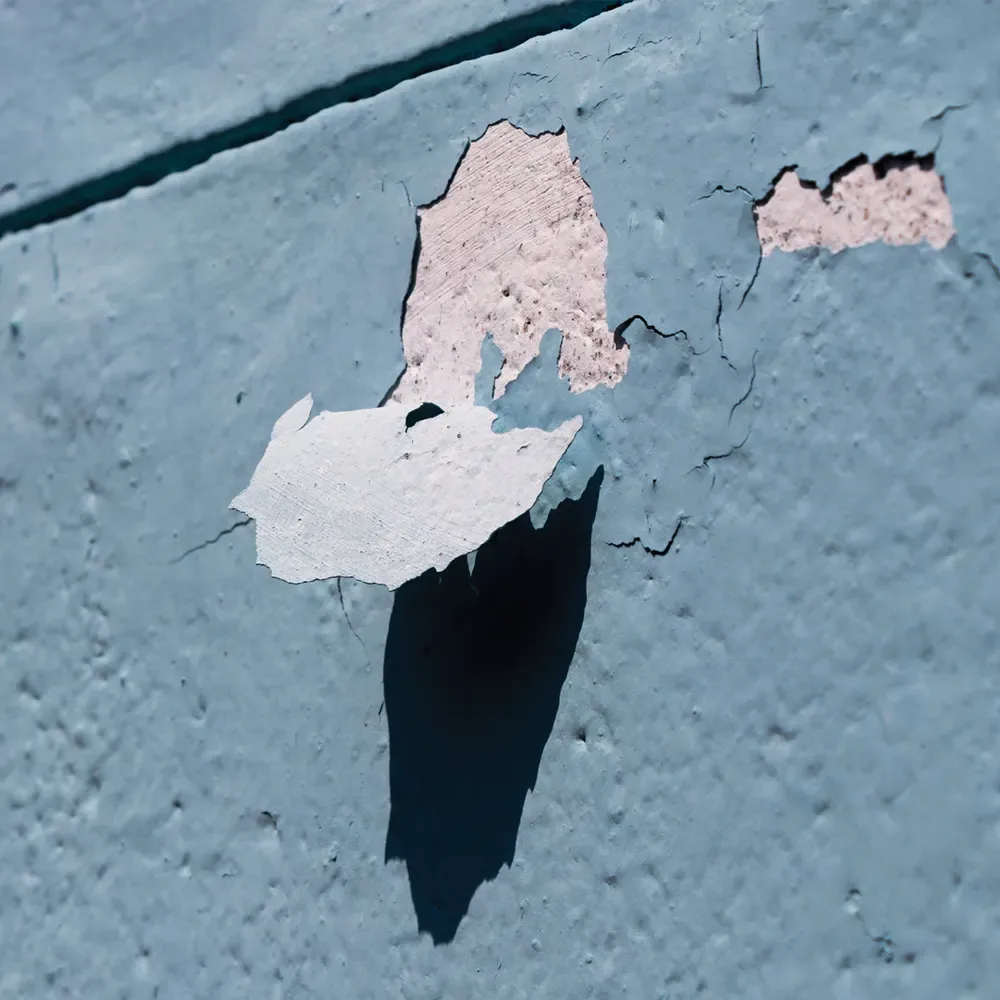
The secret to a professional-looking job that lasts for years isn’t the paint. It’s the preparation. Skimp here, and you’ll see the results in peeling and flaking within a season.
- Clean the Wall Thoroughly. Remove all dirt, dust, cobwebs, and organic growth. For algae or mildew, scrub with a solution of oxygen bleach (not chlorine bleach, which can leave salts behind) and water. A pressure washer on a low setting can be effective, but be careful not to damage soft brick or mortar.
- Repair Any Damage. Fill cracks in render or mortar with an appropriate exterior filler. Sand down any flaky old paint until you reach a sound edge. If the old paint is chalking (leaving a powder on your hand), you need to seal it with a suitable primer.
- Let It Dry Completely. This is critical. The wall must be bone-dry before you paint, which can take 24-48 hours after washing, longer in humid weather. Painting on damp masonry is the leading cause of premature paint failure.
- Apply Primer (If Needed). If you’re making a drastic color change (dark to light), painting porous new masonry, or covering a stained surface, a primer is essential. It provides a uniform base and improves adhesion. Always use a primer compatible with your topcoat.
- Paint in Ideal Conditions. Check the forecast. Avoid painting in direct, hot sun (which can cause the paint to dry too quickly), in rain, or if temperatures are below 50°F (10°C) or above 90°F (32°C). Follow the temperature range on the can.
- Apply the Paint. Use a thick-nap roller for textured surfaces or a brush for detail work. Apply two thin coats rather than one thick one. Thin coats dry properly and adhere better. Allow full drying time between coats as specified on the can.
The 5 Most Common Garden Wall Painting Regrets (And How to Dodge Them)
Learning from other people’s mistakes is free. Here are the pitfalls we see most often, so you can sidestep them completely.
- Skipping the Sample Pots. We said it before, but it’s the number one regret. A color that looks perfect online can look garish or dead on your wall. Dodge it: Invest in sample pots and test on the actual wall.
- Painting Over Damp or Dirty Walls. Moisture is paint’s enemy. Painting over dirt or algae guarantees poor adhesion. Dodge it: Clean meticulously and wait for absolute, confirmed dryness. Tap the wall with your hand, if it feels cool, it’s likely still damp inside.
- Using the Wrong Paint Type. Interior paint will blister. Non-breathable paint on old brick will trap moisture and peel. A gloss finish on a rough wall highlights every flaw. Dodge it: Match the product to your substrate (masonry, wood, etc.) and desired finish.
- Ignoring the Light. A south-facing wall bathed in sun will make colors look brighter and lighter. A north-facing wall in constant shadow will make the same color look darker, cooler, and flatter. Dodge it: Observe your sample pots in the light conditions your wall actually experiences.
- Forgetting the Big Picture. A wall painted in isolation can look great, but clash horribly with your house trim, roof, or patio. Dodge it: Use the “Rule of Three” system. Hold swatches of all major fixed elements together before you commit.
Cost, Coverage & What to Budget For
Let’s talk numbers. As of 2026, a rough budget helps you plan. Costs vary by brand, quality, and region, but these are reliable averages from our market research.
A premium-quality exterior masonry paint typically covers 300-400 square feet per gallon (3.7 liters) on a smooth surface. Rough, textured surfaces like old brick can cut that coverage in half. Always buy 10-15% more than you calculate to account for wastage and touch-ups.
- Paint Cost: Expect to pay $40-$80 per gallon for a good quality exterior paint. Specialist finishes like limewash or certain stains may be higher.
- Preparation Materials: Cleaning solutions, fillers, primer, brushes, rollers, and tape might add another $50-$100.
- Professional Labor: If you hire a painter, labor will be your biggest cost, often $3-$7 per square foot depending on wall condition and location. A complex mural artist will charge project rates.
A DIY job for a standard-sized garden wall (200 sq ft) might cost $150-$300 in materials. Getting a professional to prep and paint the same wall could range from $600 to $1,500+. The investment in proper prep and quality paint pays off in longevity, saving you from a redo in just a few years.
Expert Tips for Tricky Spots & Pro Results
- For a North-Facing Wall: Counteract the cool, shadowy light with warm-toned colors. Creams, warm greys (with beige/red undertones), and soft terracottas will feel more inviting than a cold blue-grey.
- Making a Small Space Feel Larger: Use light, reflective colors like off-white, pale grey, or soft sage. They bounce light around and make the boundaries feel less imposing.
- Making a Long, Narrow Space Feel Wider: Paint the end wall a lighter color and the long side walls a slightly darker tone. This visually brings the end wall forward, shortening the space.
- Hiding Unsightly Features: A dark, uniform color like charcoal or navy is excellent for making downpipes, electrical boxes, or uneven surfaces recede and blend in.
- The Fence vs. Wall Question: If you have a painted wall and a wooden fence in the same vista, consider painting the fence a complementary color. It doesn’t have to match exactly, but a cohesive palette ties the space together, similar to how a unified barndominium exterior design works.
Navigating the Rules: Safety, Legal & Neighborly Notes
Before you open a can, do a quick check to avoid headaches later.
- Lead Paint: If your home was built before 1978, assume old layers of paint may contain lead. Disturbing it by sanding creates hazardous dust. Test kits are available at hardware stores. If positive, consult the EPA’s lead safety guidelines for proper encapsulation or removal procedures.
- HOA & Local Regulations: If you live in a community with a Homeowners’ Association or your property is in a conservation area, there may be strict rules about exterior colors. Always check your covenants or with local planning authorities before painting, especially for front-facing walls.
- The Neighbor Factor: It’s good practice to let adjoining neighbors know your plans, especially if you’re erecting scaffolding or using spray equipment. For boundary walls, a color that’s considerate of their garden view is a nice gesture.
Your Decision Guide: Matching the Perfect Idea to Your Garden
Still feeling stuck? Use this quick guide to point you in the right direction based on your goal.
Goal: “Make my small patio feel bigger and brighter.”
- Idea: Light, reflective color (White, Pale Grey, Cream).
- Paint Type: Breathable Masonry Paint in a Matt or Eggshell finish.
- Pro Tip: Add mirrors or reflective ornaments to double the effect.
Goal: “Create a cozy, intimate dining nook.”
- Idea: Deep, warm color (Charcoal, Forest Green, Navy).
- Paint Type: Durable Masonry Paint or Stain.
- Pro Tip: Use warm outdoor string lights to make the dark wall glow at night.
Goal: “Highlight my beautiful flower borders.”
- Idea: Neutral backdrop (Greige, Sage Green, Soft Black).
- Paint Type: Any suitable exterior paint in a flat/matt finish.
- Pro Tip: This approach lets your planting be the star, creating a gallery-like effect.
Goal: “Add character to a plain rendered wall.”
- Idea: Earthy tone or finish (Terracotta, Ochre, Limewash).
- Paint Type: Masonry Stain or Limewash for texture.
- Pro Tip: Introduce varying tones with a dry-brush technique for added depth.
Goal: “Make a bold, personal statement.”
- Idea: Bold feature color or mural (Plum, Mustard, Color Block).
- Paint Type: High-quality, UV-resistant paint in your chosen finish.
- Pro Tip: Keep surrounding furniture and decor simple to let the wall shine.
Frequently Asked Questions
What is the most popular color for a garden wall?
Currently, versatile neutrals dominate. Shades of grey (from light greige to deep charcoal), warm whites, and earthy greens like sage are consistently popular. These colors provide a sophisticated, flexible backdrop that complements any planting scheme and doesn’t date quickly, offering a timeless foundation for your outdoor moody blue bedroom ideas but translated to an exterior space.
Can I just paint over old exterior paint?
Yes, but only if the old paint is securely adhered, clean, and dry. You must scrape and sand any loose or flaking areas back to a solid edge. If the old paint is glossy, you should lightly sand it to provide a “key” for the new paint to grip.
If you’re unsure of the paint type or it’s chalking heavily, applying a compatible primer is a wise safety step.
How long does exterior paint last on a garden wall?
With proper surface preparation and a quality paint, you can expect 7 to 10 years of good durability before a refresh is needed. Factors that shorten this lifespan include poor preparation, painting on damp walls, extreme weather exposure, and using low-grade paint. A breathable limewash may need re-coating every 3-5 years as part of its natural, weathering character.
Is it better to use a brush or a roller?
Use both. A roller (with a medium or thick nap for textured walls) is fastest for covering large, flat areas. A brush is essential for “cutting in” around edges, pipes, and corners, and for applying paint to intricate brickwork or mortar joints.
For the best finish, roll the paint on and then use a dry brush to lightly “lay off” the strokes for a smooth, even appearance.
Do I need special paint for a wall that gets no sun?
Absolutely. Walls in constant shade or damp areas are prone to algae and mildew growth. Prioritize paint labeled with high mildew resistance.
You might also consider a finish with a slight sheen (eggshell/satin), as it is less porous and easier to wipe clean than a flat matt. Ensuring the wall is as dry as possible before painting is even more critical here.
What’s the difference between masonry paint and regular exterior paint?
The terms are often used interchangeably, but “masonry paint” is specifically formulated for porous mineral surfaces like brick, render, and concrete. Its key feature is breathability, allowing moisture vapor to escape. A “regular exterior paint” might be a broader category that includes paints for wood and metal, which have different flexibility and adhesion requirements.
Always check the can to ensure it’s suitable for your substrate.
The journey doesn’t end when the final coat dries. A little proactive care dramatically extends the life of your paint job and keeps your garden wall looking its best year after year. Think of it as routine maintenance, not a chore.
Start with an annual inspection. In spring, take a few minutes to walk around and look for any early signs of trouble. Check for hairline cracks, small blisters, or spots where dirt and algae are starting to accumulate.
Catching these early makes fixes simple.
For general cleaning, a gentle approach is best. Use a soft brush or a low-pressure garden hose rinse to remove surface dirt and cobwebs. For tougher grime or light mildew on a durable paint, a solution of warm water and mild detergent works well.
Always rinse thoroughly. Avoid harsh pressure washing on painted surfaces, as it can force water behind the paint film and cause it to lift.
When you spot a small area of damage, like a chip or blister, address it promptly. Scrape back the loose paint to a solid edge, sand the area smooth, spot-prime any bare substrate, and touch up with your leftover paint. Keeping a small sealed jar of your wall color for these touch-ups is a pro move that maintains a seamless look.
Real Scenarios: What Would You Do?
Let’s apply the principles to a few common situations. These examples show how the decision guide works in practice.
Scenario: A small, north-facing courtyard with grey concrete pavers and limited light.
Analysis: The goal is to maximize light and warmth.
Recommendation: Paint the wall a warm, light color like “buttermilk” or a pale greige with yellow undertones. This reflects available light and counteracts the cool grey of the pavers. A breathable masonry paint in an eggshell finish will be durable and easy to maintain.
Scenario: A long, sunny garden with a high rendered wall at the end, overlooking lush green borders.
Analysis: The goal is to create a focal point and add depth.
Recommendation: Make the end wall a star. Paint it a deep, contrasting color like “aubergine” or “navy.” This visually shortens the garden and makes the greenery pop. Ensure the paint has high UV resistance for the sunny exposure.
Quick Answers to Common Garden Paint Questions
Can I paint a garden wall in the winter?
It’s not ideal. Most exterior paints require application above 50°F (10°C) for proper curing. Moisture levels are also higher in winter.
Wait for a dry spell with temperatures in the recommended range on the can.
How do I paint a wall with climbing plants on it?
You have two options. You can carefully detach and support the plant, paint the wall, and re-train it once fully dry. Alternatively, for mature, woody plants, you can paint carefully around them, using a brush for precision.
What’s the best white for a garden wall?
Avoid a stark, pure white. It can look blinding in sun and cold in shade. Choose an off-white with subtle undertones.
“Natural White” or “Pointing” are popular choices with warm grey or beige hints that soften the look.
Does dark paint make a wall hotter?
Yes, dark colors absorb more solar radiation than light colors. This can make the wall surface hotter. In very hot climates, a light color can help keep an adjoining patio slightly cooler.
How do I dispose of leftover paint?
Do not pour it down drains. Check with your local household waste recycling centre. Many accept sealed paint cans for proper disposal or recycling.
Using it for touch-ups is the best way to avoid waste.
The most successful garden walls start with a clear goal, the right materials, and thorough preparation. Your wall is waiting to become your garden’s best feature.